
Die Hohe Tatra — History & Facts
Could beauty survive in a century of chaos? Focus on the intricate interplay between light and shadow in the towering peaks, where hues of deep blue and crisp white collide with verdant greens. The artist masterfully composes the scene by guiding the viewer's gaze upward, creating a sense of awe as the jagged mountains loom majestically against the serene sky. Notice how the delicately painted clouds drift like wisps of memory, contrasting with the strength of the stone, embodying both fragility and permanence. Deeper insights emerge in the stark contrasts that pulse within the landscape.
The sharp edges of the mountains, painted with meticulous detail, convey a raw, untamed power, while the softness of the foreground beckons with tranquil beauty. This duality invites contemplation, suggesting that within the harshness of nature lies a nurturing spirit, perhaps reflecting the artist's obsession with the sublime. The delicate interplay of colors hints at an inner turmoil, a desire to capture fleeting moments of serenity amidst a world often marred by chaos. Hugo Hodiener painted Die Hohe Tatra in the mid-20th century while living in Slovakia.
During this time, Europe was grappling with the aftermath of war and the rise of modernism in art. As traditional landscapes evolved into more abstract forms, Hodiener found solace in capturing the emotional essence of the natural world, grounding himself in the resilient beauty of his homeland's mountains. His work serves as a testament to the enduring spirit of beauty in an ever-changing landscape.
More Artworks by Hugo Hodiener
Browse all →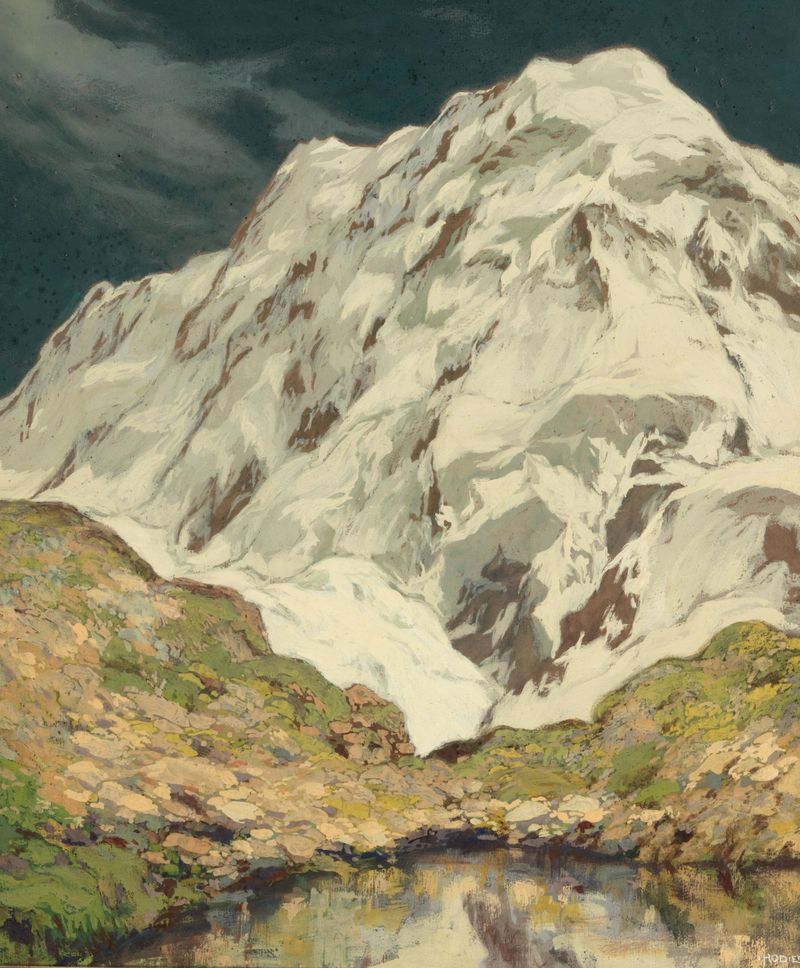
A View of the Grossglockner Region
Hugo Hodiener
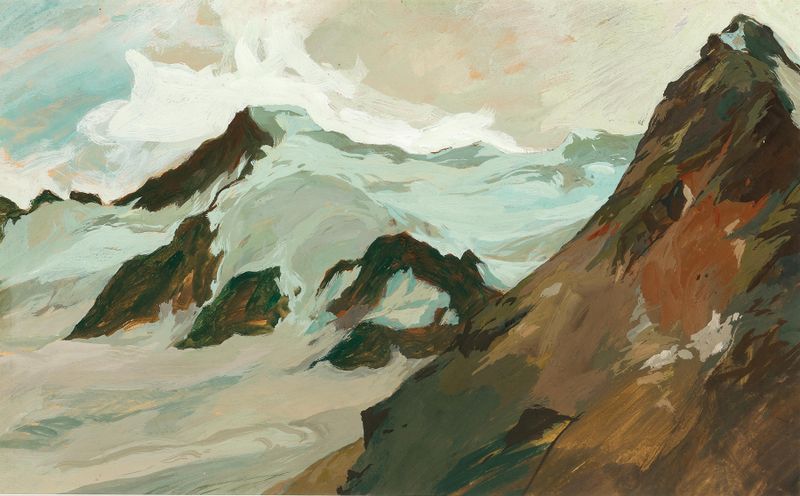
Snow-covered summit in the high mountains
Hugo Hodiener

Spring is trying to come
Hugo Hodiener
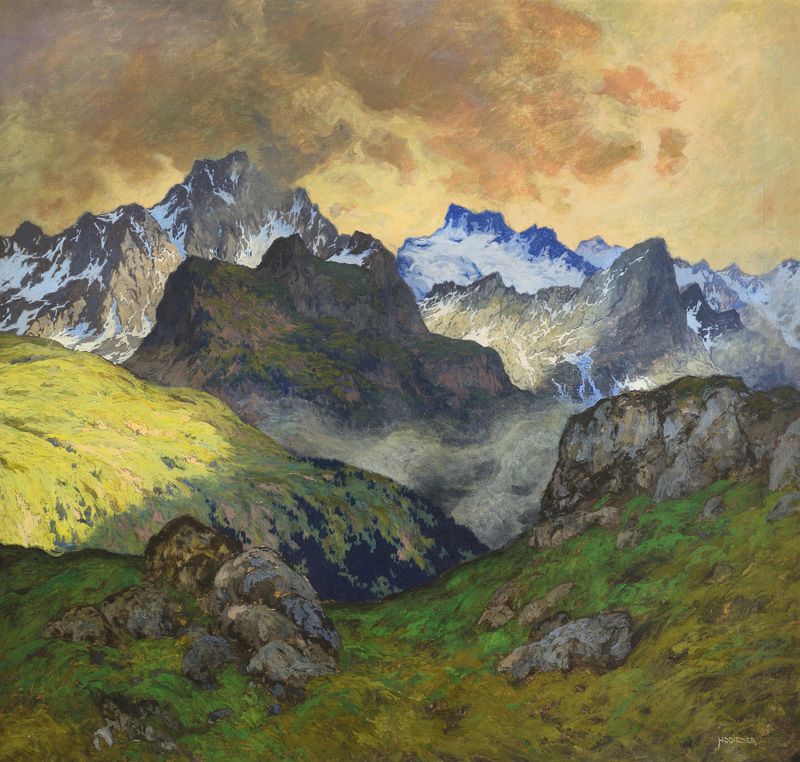
An Alpine Landscape
Hugo Hodiener
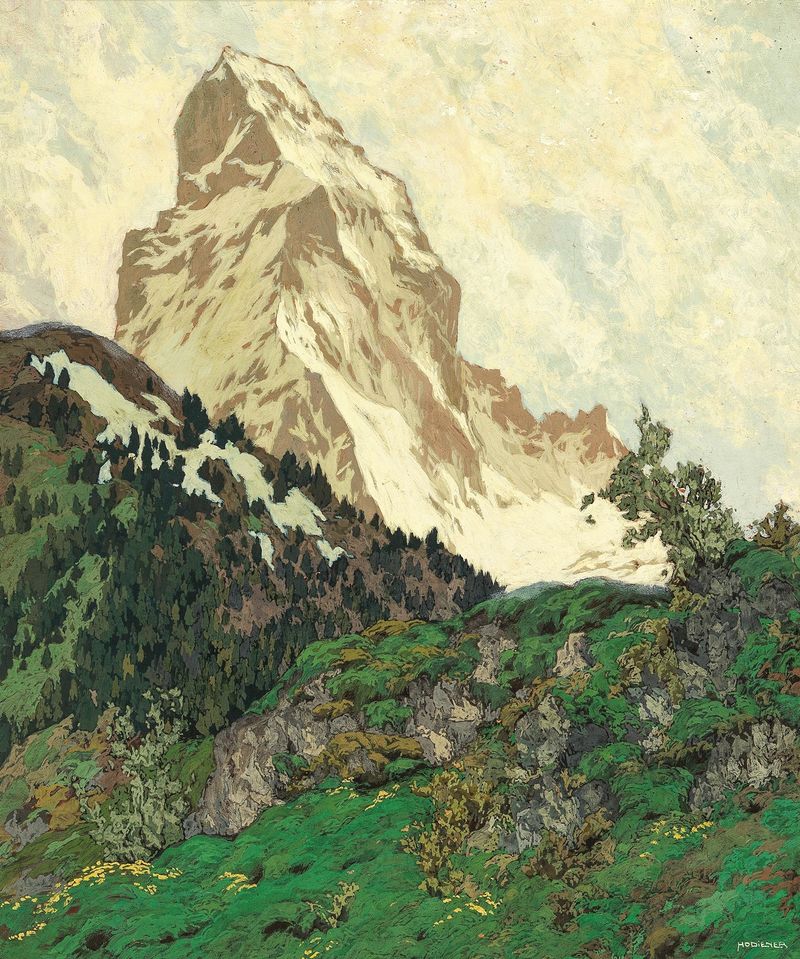
The Matterhorn
Hugo Hodiener
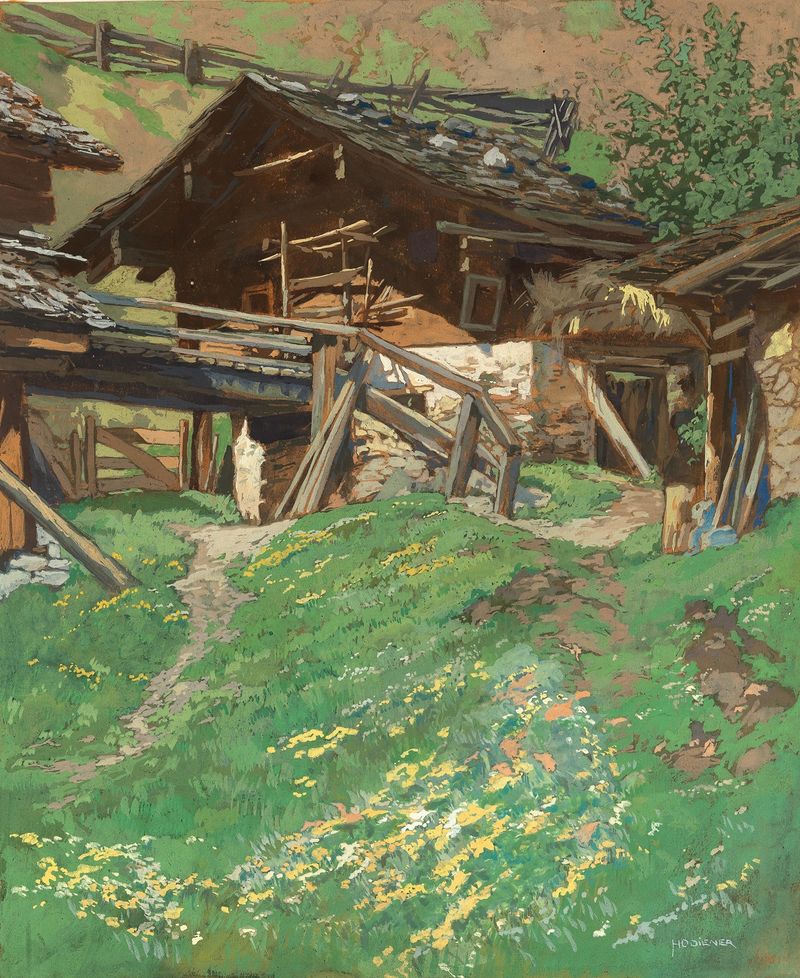
An Alpine lodge
Hugo Hodiener
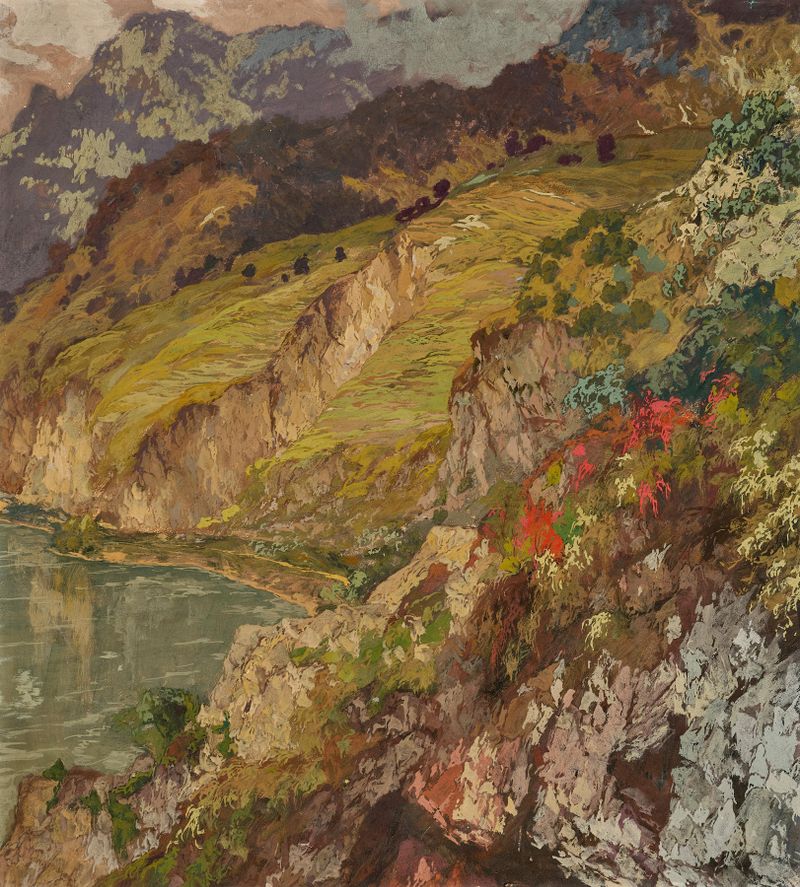
Alpine lake and Alpine rose
Hugo Hodiener
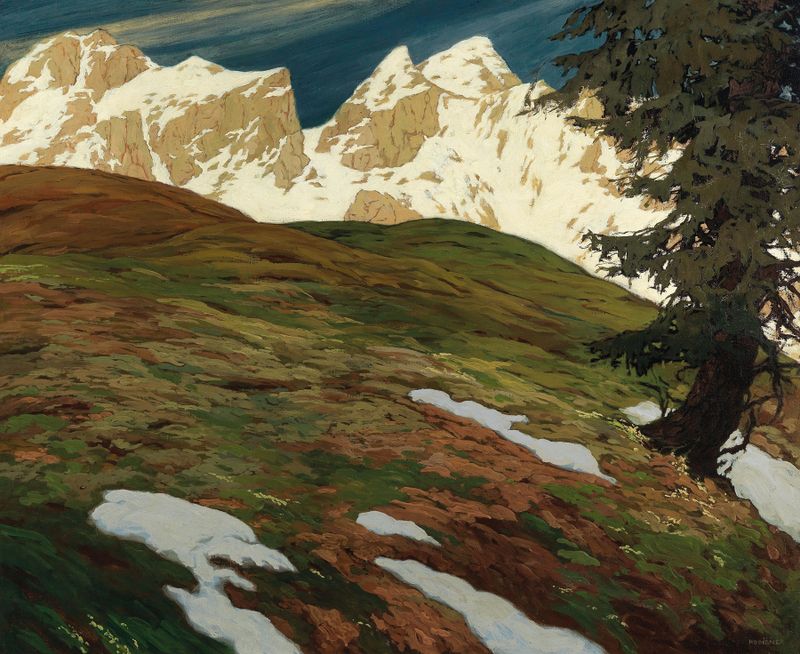
Springtime in the mountains
Hugo Hodiener

Frühlingswerden (the coming of spring)
Hugo Hodiener





