Spring is trying to come — History & Facts
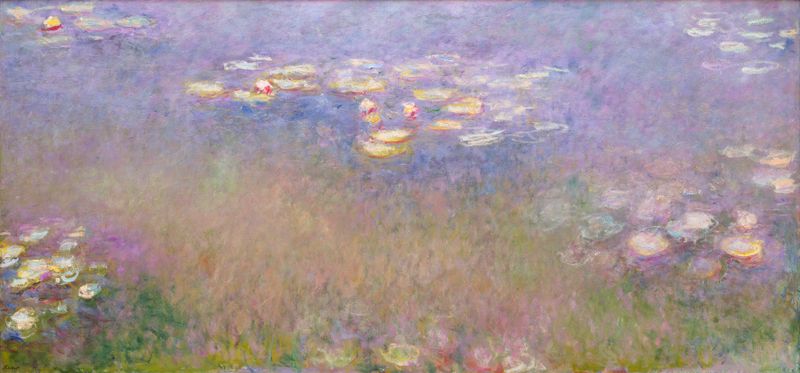
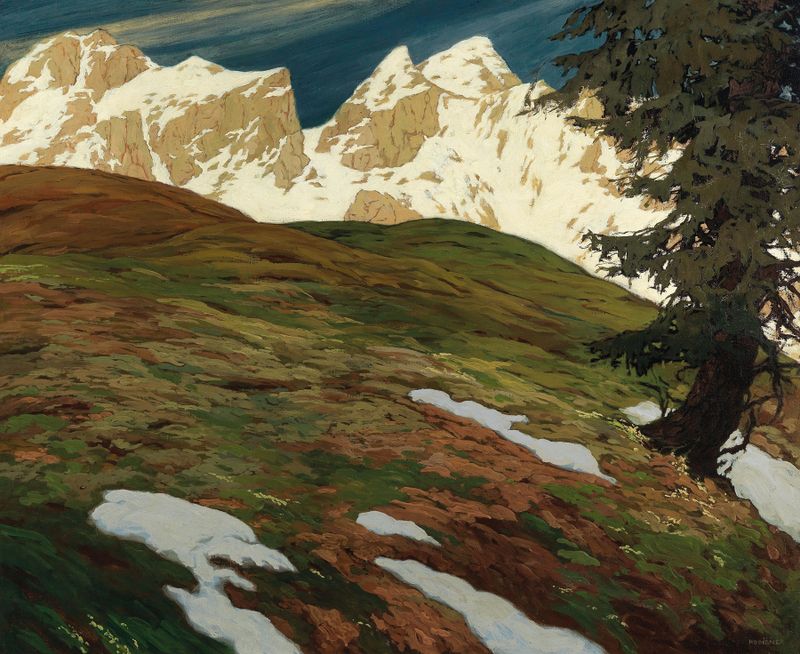
Did the painter know this moment would outlive them? In an age where seasons shift and lives change, the fleeting beauty of Spring whispers of both renewal and inevitable loss, inviting introspection on what endures amidst transformation. Look to the center of the canvas, where soft buds break through the silvery frost of early spring. The delicate interplay of greens and blues evokes a sense of hope, while the muted earth beneath hints at the remnants of winter’s grasp. Notice how the brushstrokes blend seamlessly, capturing the gentle caress of a warming sun.
The ethereal light dances across the surface, illuminating the fragile blossoms that seem to sway and quiver, alive in their tender emergence. Beneath the surface, the painting speaks of contrasts—the warmth of rebirth against the lingering chill of absence. Each bloom is not merely a celebration of life but also a reminder of what has been left behind, evoking a profound sense of nostalgia. The juxtaposition of vibrancy and dormancy encapsulates the tension between hope and sorrow, making the viewer question the cycles of nature and the passage of time. Hugo Hodiener painted Spring is trying to come during a period that remains largely undocumented, allowing speculation about his artistic journey.
Embracing the natural world, he likely sought to capture the essence of a season that symbolized renewal. This work hints at a personal reflection on loss, resonating with universal themes of change and resilience that characterized the late 20th century art scene, even as it remained overshadowed by the movements around him.
More Artworks by Hugo Hodiener
Browse all →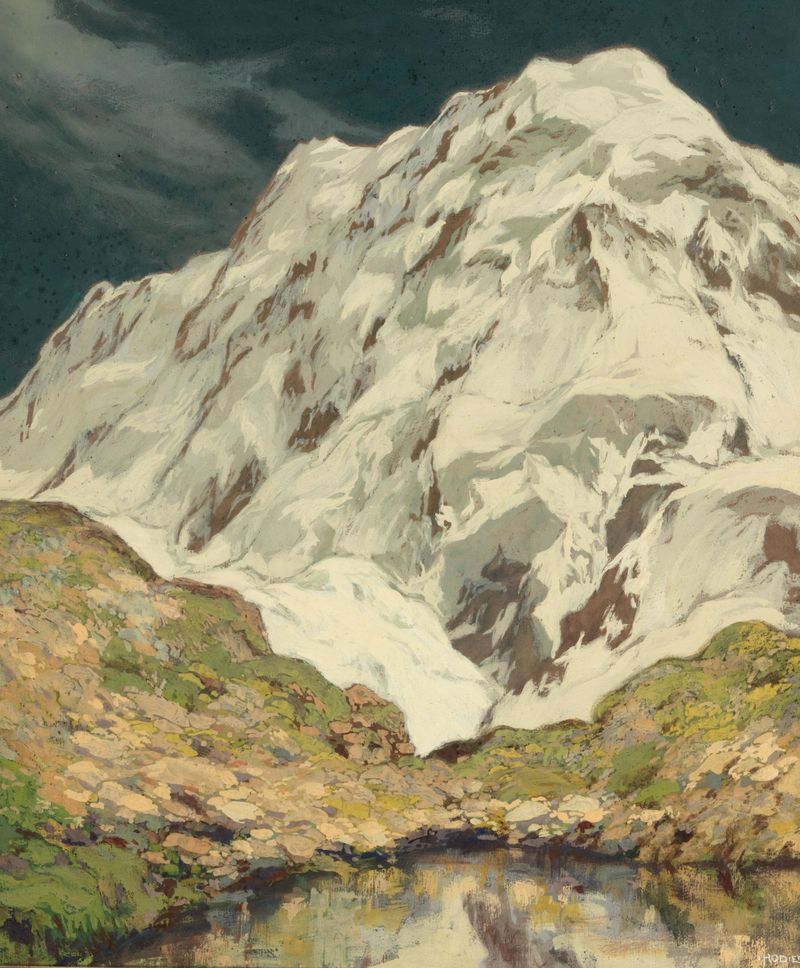
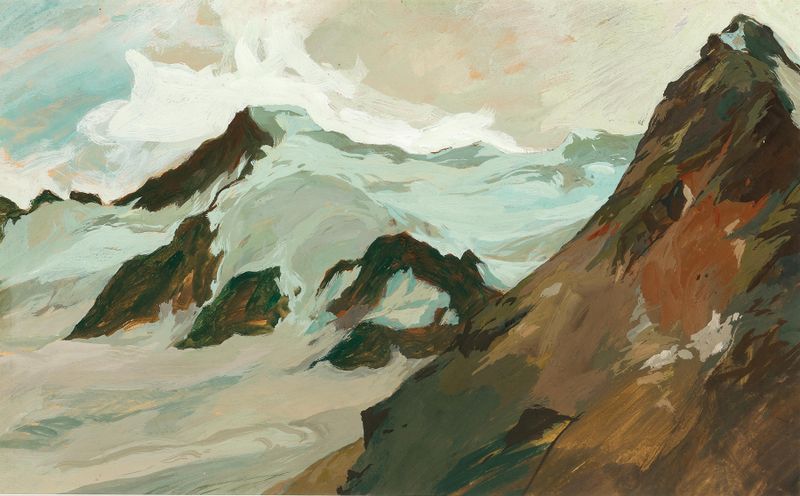
A View of the Grossglockner Region
Hugo Hodiener
Snow-covered summit in the high mountains
Hugo Hodiener
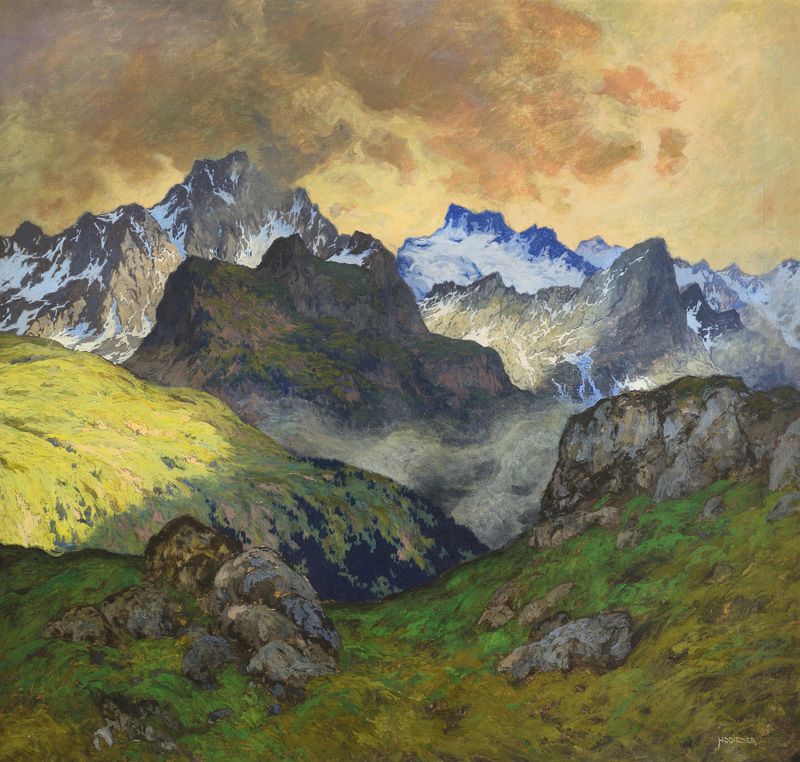
An Alpine Landscape
Hugo Hodiener
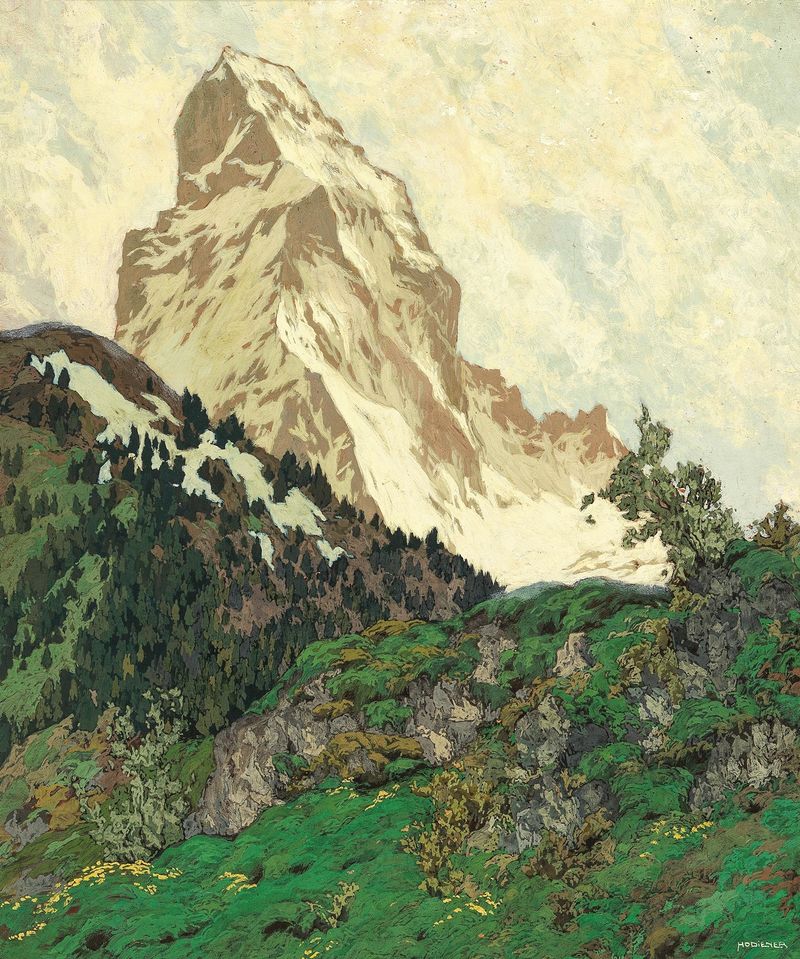
The Matterhorn
Hugo Hodiener
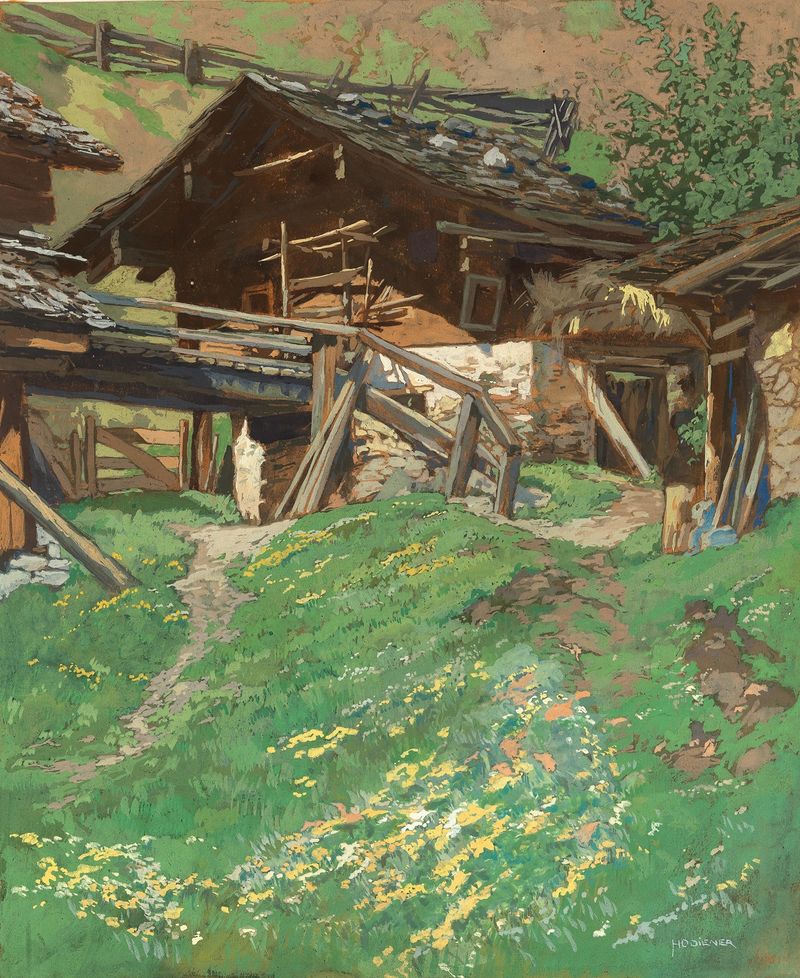
An Alpine lodge
Hugo Hodiener
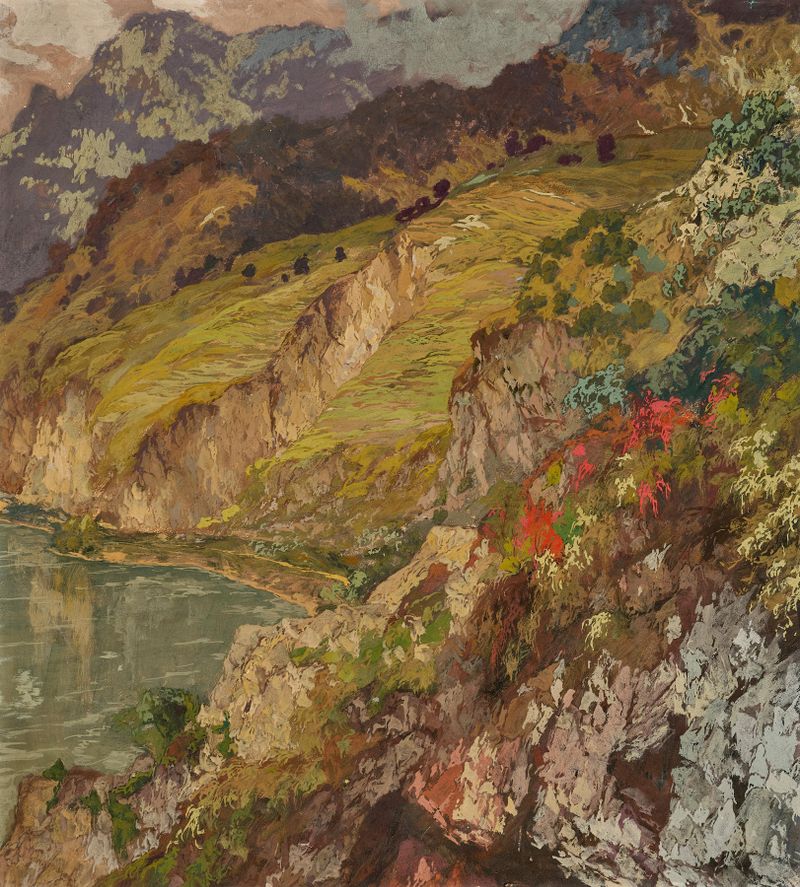
Alpine lake and Alpine rose
Hugo Hodiener

Die Hohe Tatra
Hugo Hodiener
Springtime in the mountains
Hugo Hodiener

Frühlingswerden (the coming of spring)
Hugo Hodiener