
Springtime in the mountains — History & Facts
When did color learn to lie? In a world where hues evoke emotion, the landscapes we see often mask deeper truths. The vibrant colors in art can either reveal or obscure the essence of what lies beneath the surface, inviting us into a dialogue with the canvas. Look to the center of the composition, where a burst of greens and yellows captures the peak of spring. The interplay of light and shadow dances across the mountainous terrain, creating textures that beckon the viewer to explore.
Notice how the artist has layered the paint, each stroke a testament to the vibrant life that flourishes in this season — the fresh grass, the blossoming flowers — all rendered with a deftness that speaks to an intimate understanding of nature. Yet, beyond the vivid palette, there lies an emotional tension woven into the fabric of the scene. The elegance of the landscape is juxtaposed with an undercurrent of fragility, a reminder that beauty is transient. The soft, hazy edges of the mountains suggest a fleeting moment, where the promise of life is tinged with the inevitability of change.
Each brushstroke whispers of renewal, but also of the passage of time, capturing the paradox of existence. The painting emerges from an undistinguished period in the artist's life, where personal struggles may have influenced the vibrancy of Springtime in the Mountains. Created during a time of quiet introspection, Hodiener explored themes of nature and renewal amidst a backdrop of personal transformation. As the world of art began to shift with modern influences, his work stood as a testament to the enduring power of the natural world, reflecting both peace and complexity in its beauty.
More Artworks by Hugo Hodiener
Browse all →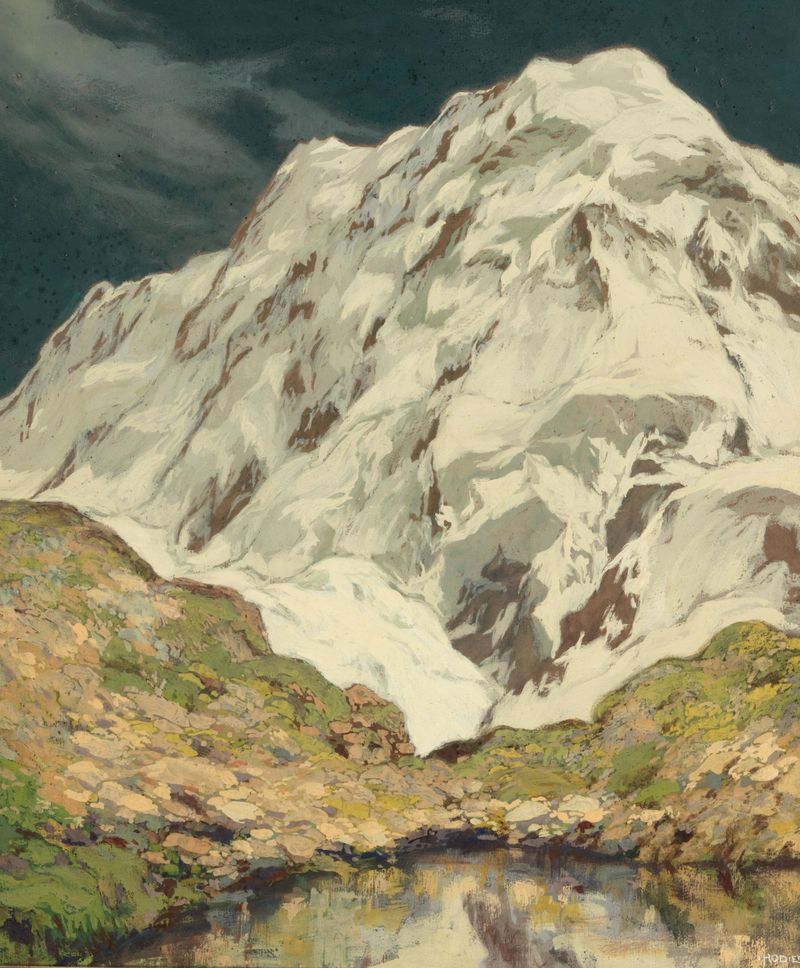
A View of the Grossglockner Region
Hugo Hodiener
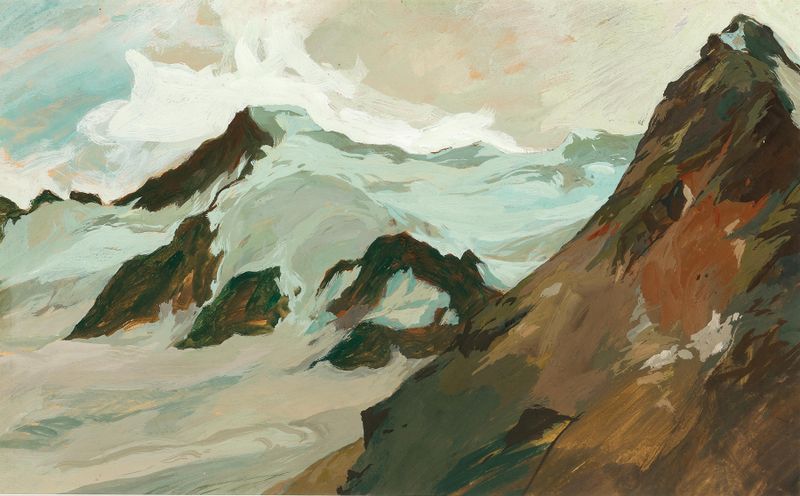
Snow-covered summit in the high mountains
Hugo Hodiener

Spring is trying to come
Hugo Hodiener
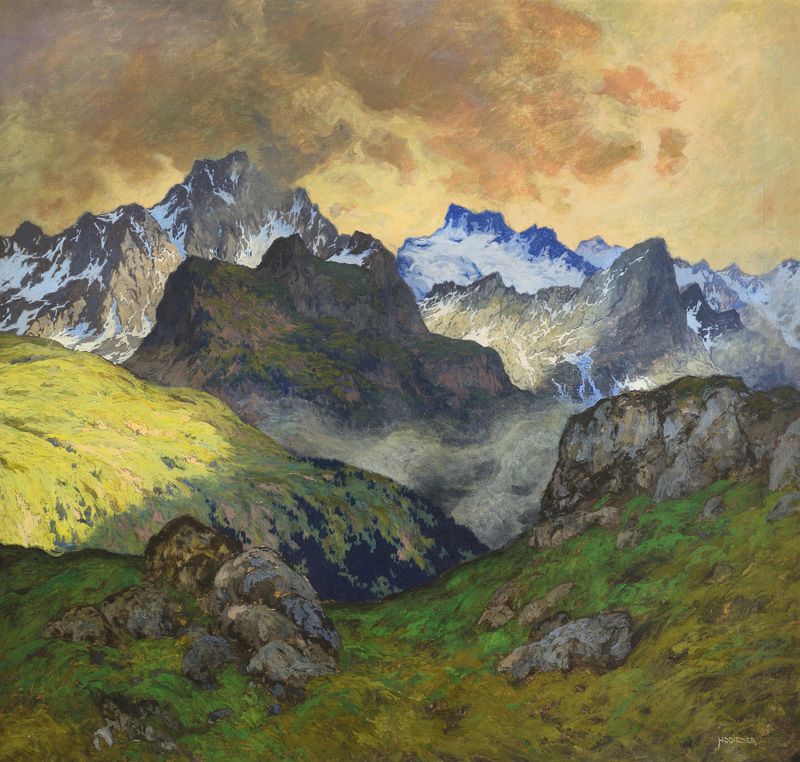
An Alpine Landscape
Hugo Hodiener
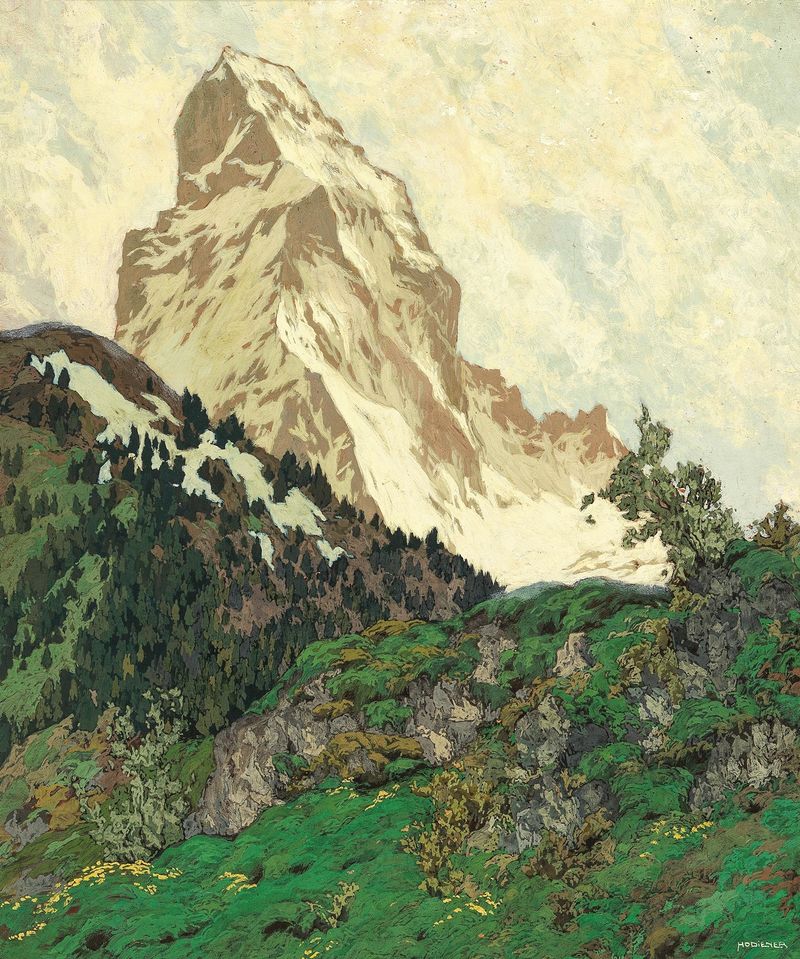
The Matterhorn
Hugo Hodiener
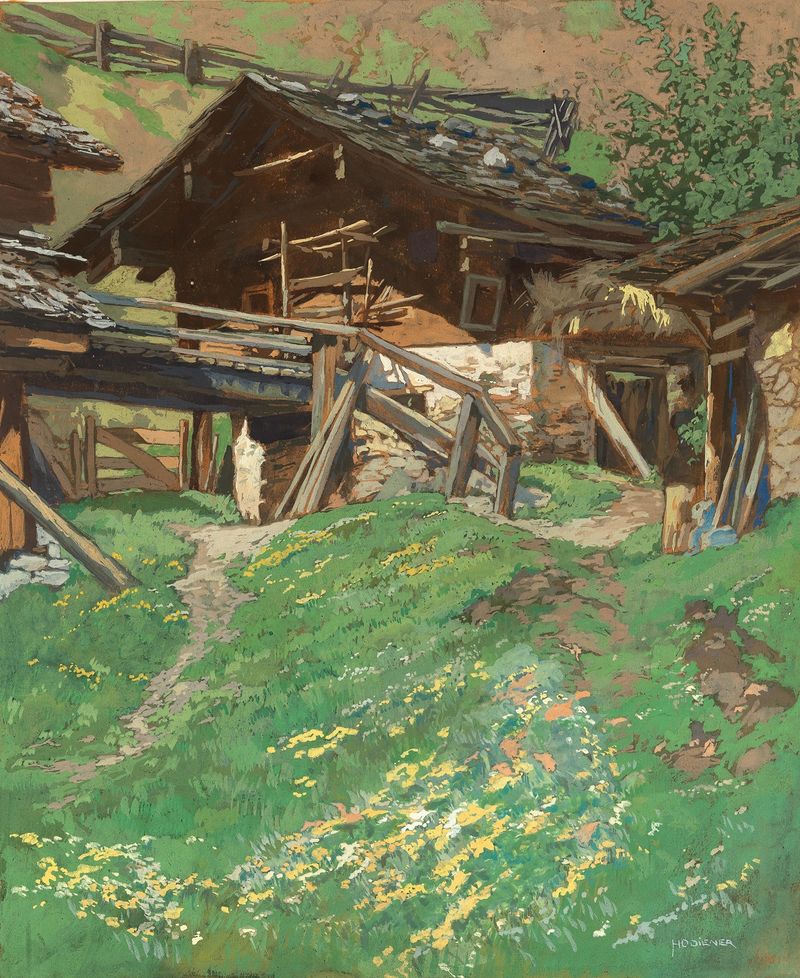
An Alpine lodge
Hugo Hodiener
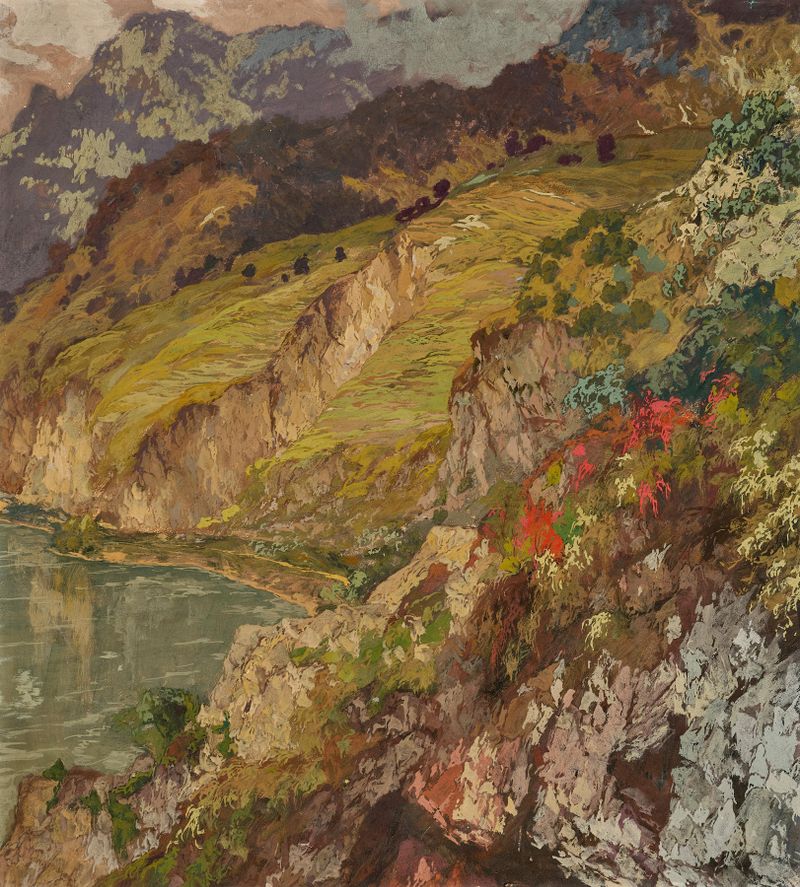
Alpine lake and Alpine rose
Hugo Hodiener

Die Hohe Tatra
Hugo Hodiener

Frühlingswerden (the coming of spring)
Hugo Hodiener





