An Apple Tree in Blossom — History & Facts
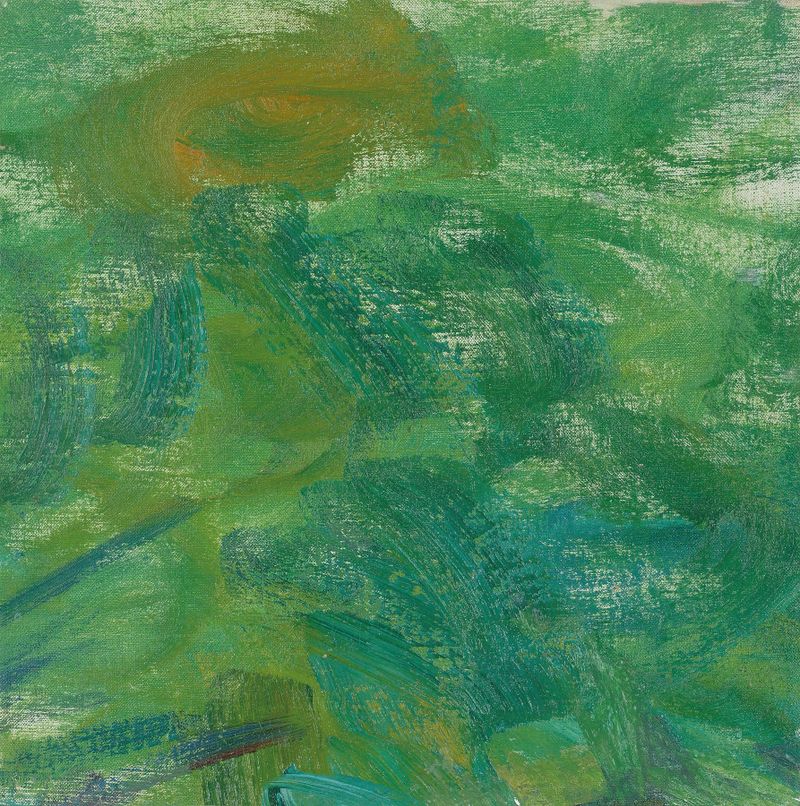
Can paint confess what words never could? In An Apple Tree in Blossom, the artist weaves a tapestry of solitude, capturing the ethereal beauty of nature that echoes the heart's unspoken longings. Look closely at the soft pink and white blossoms, their petals delicately unfurling against a serene sky. The harmonious interplay of greens and pastels enhances the tree's gentle stature, inviting the viewer into a moment of quiet reflection. Notice how the sunlight filters through the branches, casting a warm glow that seems to cradle the blossoms, highlighting their ephemeral nature.
This gentle light serves as a poignant reminder of life’s fleeting joys, as it dances around the edges of the canvas. Yet, beneath this beauty lies a profound sense of loneliness. The isolation of the apple tree, standing alone against the expansive backdrop, speaks volumes of yearning and introspection. Each blossom, while vibrant, also hints at the inevitability of withering—an allegory of transient existence and the ache of longing.
The subtle brushstrokes evoke a meditative quality, inviting the viewer to contemplate moments of solitude amidst life’s beauty. Created between 1905 and 1914, this work reflects a time when the artist was delving deeply into the nuances of color and form, striving towards a more personal expression. This period was marked by a burgeoning modernism that sought to capture the essence of emotion rather than mere representation. Lemercier’s journey during these years was one of exploring the relationship between nature and human experience, illustrating the profound connections that bind us, even in our quietest moments.