
An Archway — History & Facts
Is this a mirror — or a memory? In An Archway, the viewer is beckoned to step into a moment suspended between reality and reflection, where the familiar becomes extraordinary and the transient hints at permanence. Look to the left at the soft interplay of light and shadow draping over the archway. The gentle gradation of colors—from warm earthy tones to cooler, subtle blues—invites a sense of depth, drawing the eye toward the vanishing point beyond the stone structure. Notice how Sargent’s brushwork embodies both precision and fluidity, capturing the texture of the architecture while allowing the light to breathe life into the scene.
Each stroke seems to resonate with the weight of history, creating an atmosphere rich in nostalgia. The archway stands as a powerful metaphor for transition, a threshold inviting both physical passage and reflective contemplation. The juxtaposition of the sturdy stone with the ephemeral light encourages viewers to ponder what lies beyond the arch—an unknown future or a cherished past. The almost ethereal quality of the background hints at a world that exists just out of reach, blurring the lines between memory and experience, making the viewer question the nature of their own reflections. John Singer Sargent painted An Archway during a period marked by his growing reputation in the art world after relocating to Europe.
Created between 1879 and 1880, this work came at a time when he was deeply influenced by the Impressionists, yet he maintained a distinct approach that favored realism. As he explored the nuances of light and form, Sargent was laying the groundwork for a career characterized by a masterful blend of tradition and innovation.
More Artworks by John Singer Sargent
Browse all →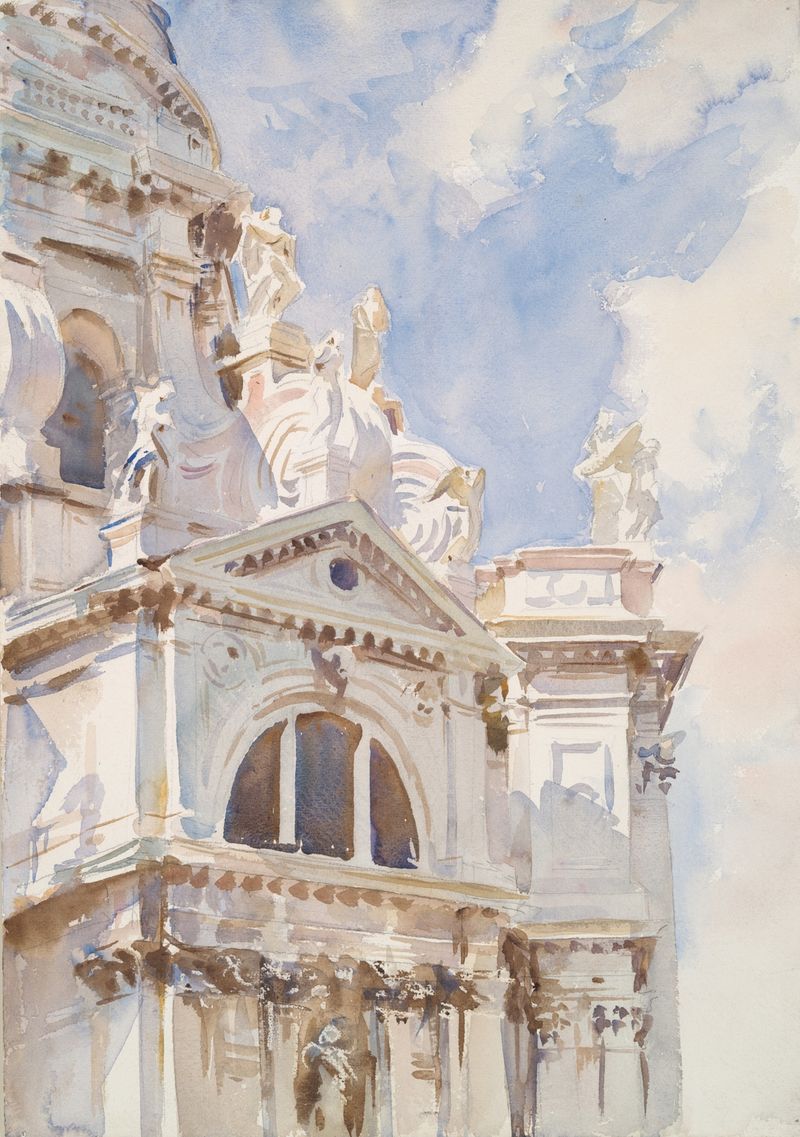
The Salute, Venice
John Singer Sargent

Mrs. Charles Deering (Marion Denison Whipple)
John Singer Sargent
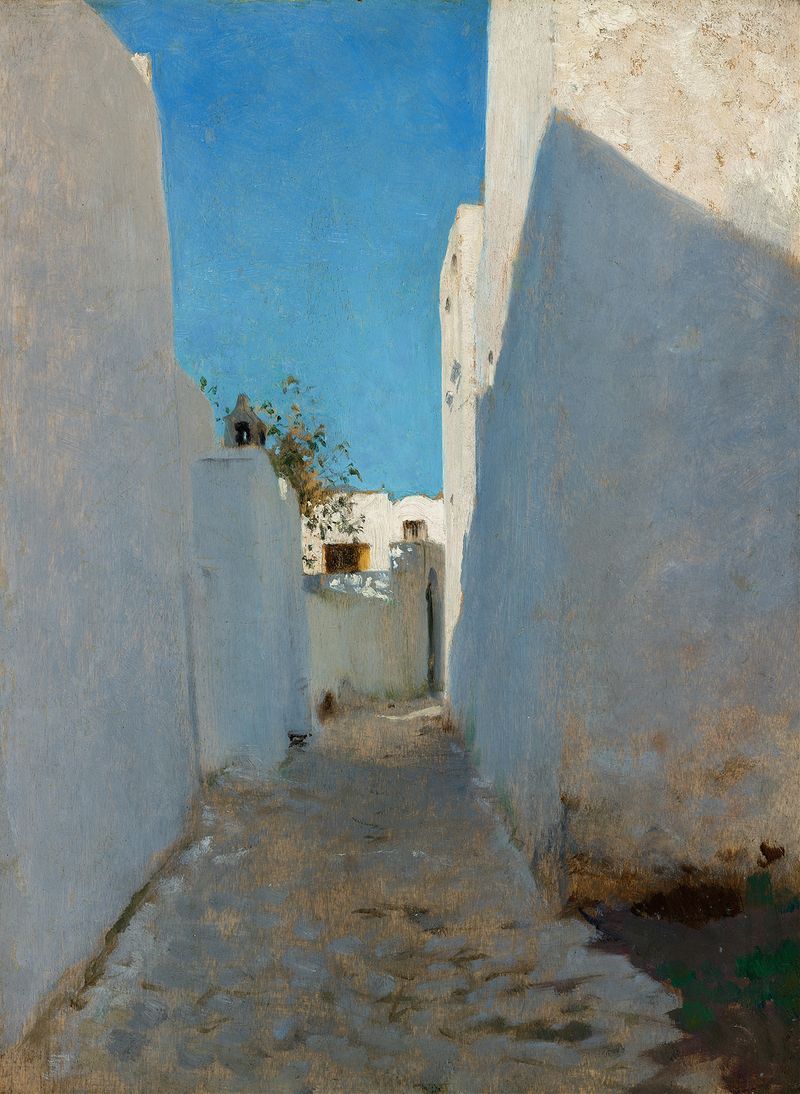
A Moroccan Street Scene
John Singer Sargent
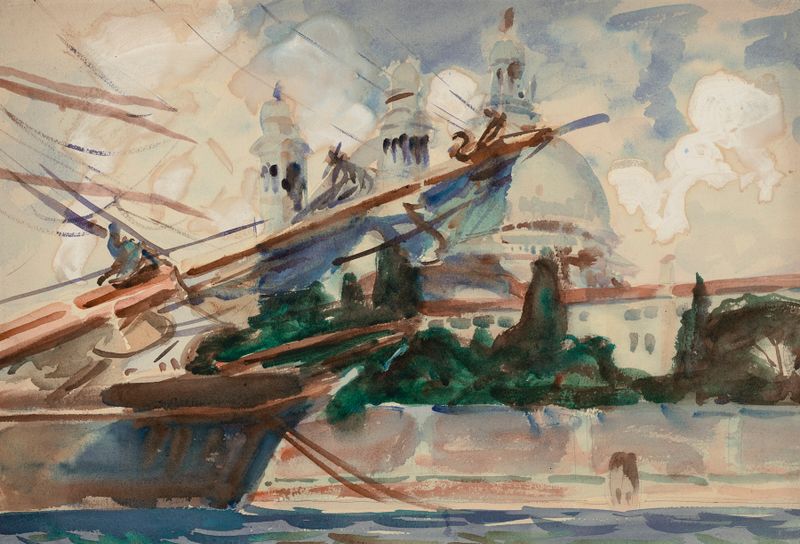
The Salute, Venice
John Singer Sargent
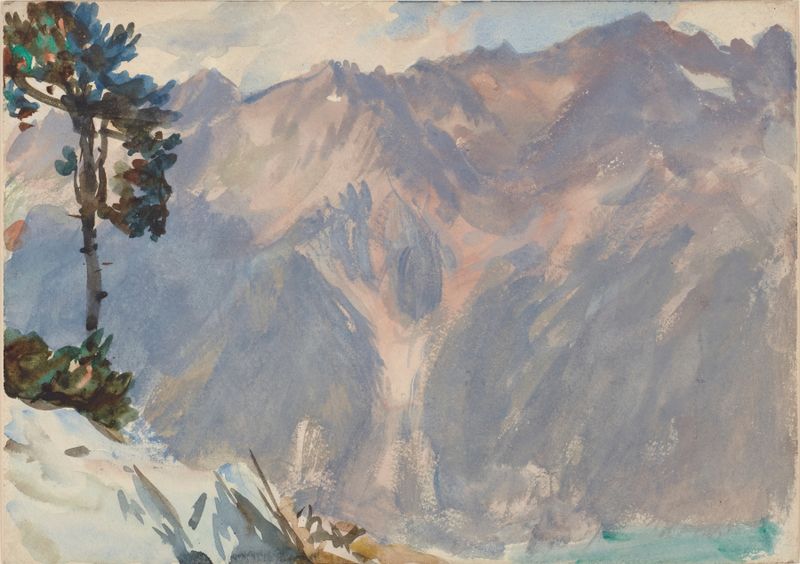
Tyrol
John Singer Sargent
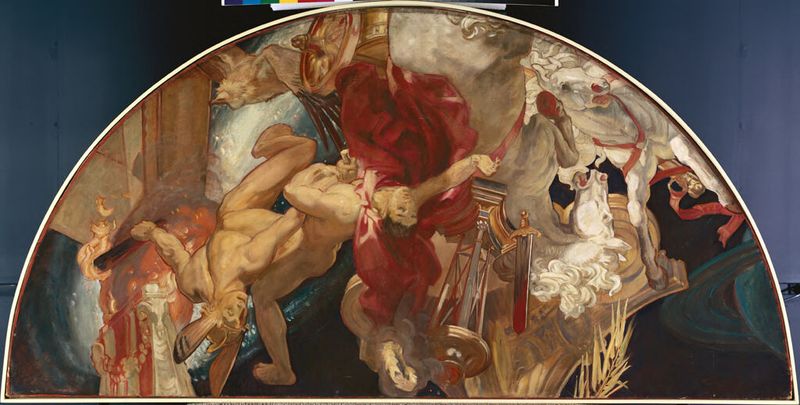
Study for "Gog and Magog," for the Boston Public Library
John Singer Sargent
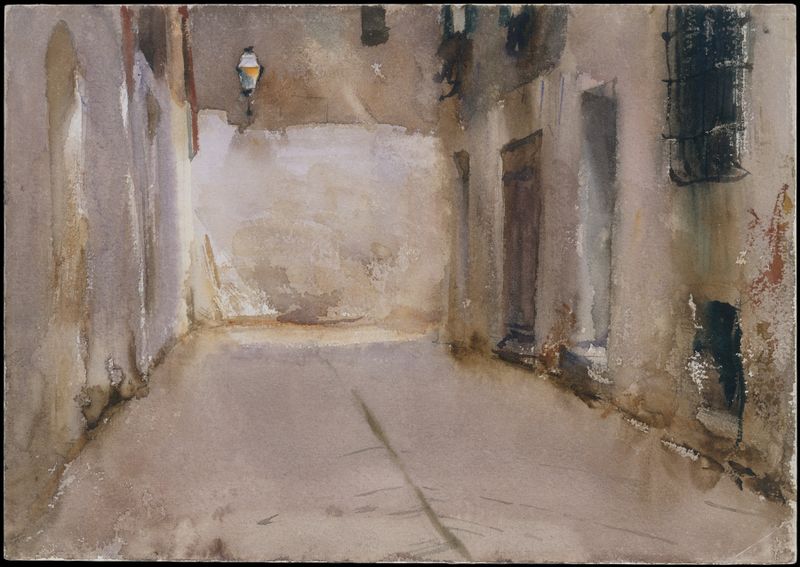
Venice
John Singer Sargent
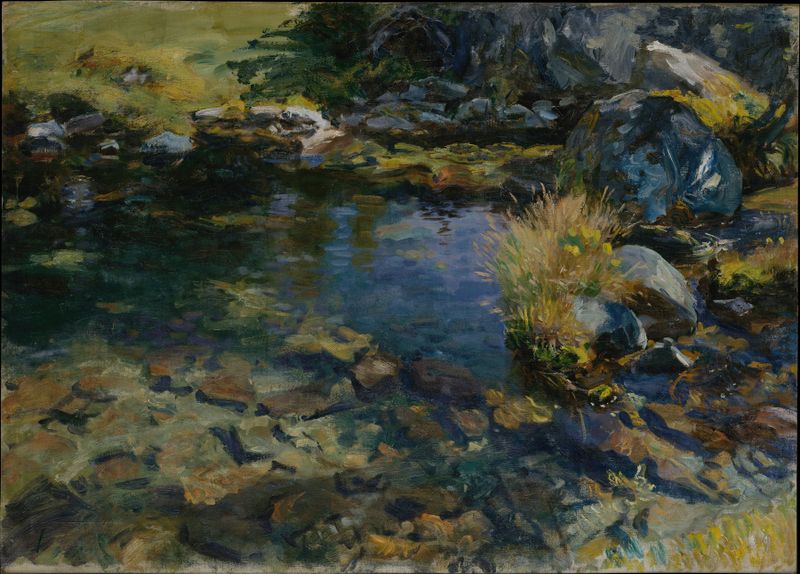
Alpine Pool
John Singer Sargent
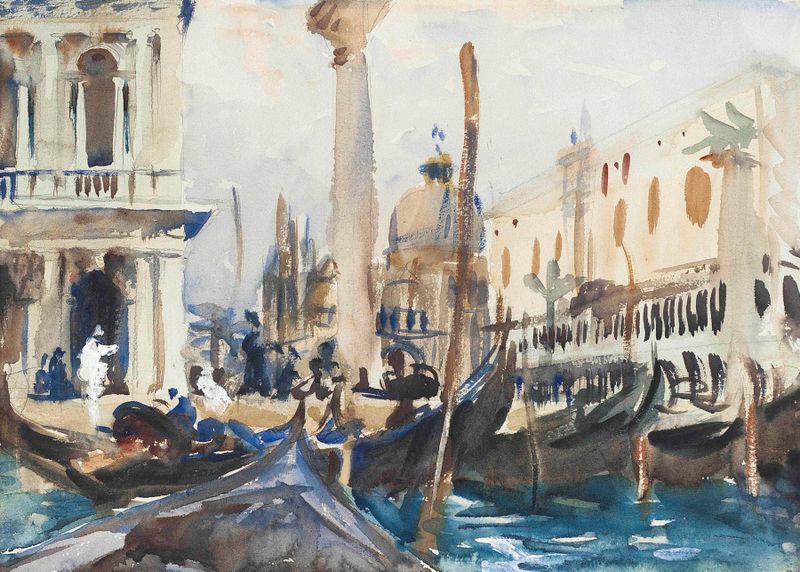
The Piazzetta with Gondolas
John Singer Sargent
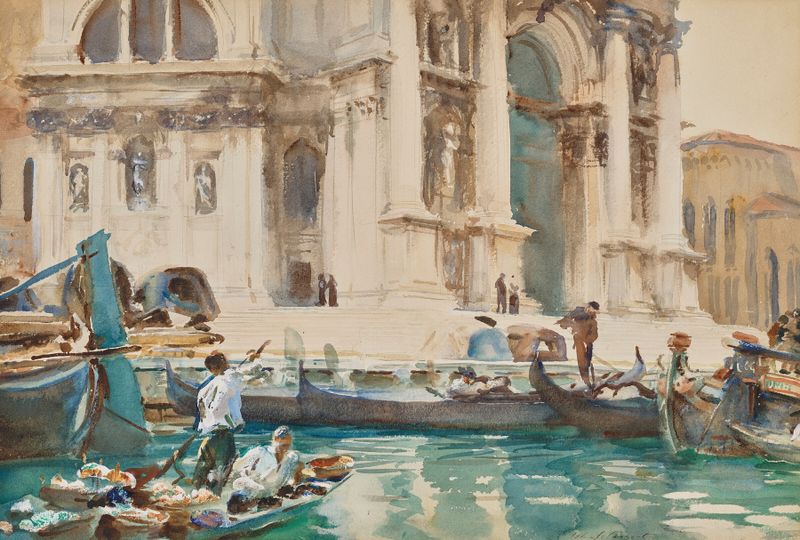
The Façade of La Salute, Venice
John Singer Sargent
More Architecture Art
Browse all →
The statue of Liberty
Frédéric Auguste Bartholdi

View of Houses in Delft, Known as ‘The Little Street’
Johannes Vermeer

View of Houses in Delft, Known as ‘The Little Street’
Johannes Vermeer

The Cathedral in Rouen. The portal, Grey Weather
Claude Monet

The yellow house
Vincent van Gogh

The Church in Auvers-sur-Oise, View from the Chevet
Vincent van Gogh