
An der Amper — History & Facts
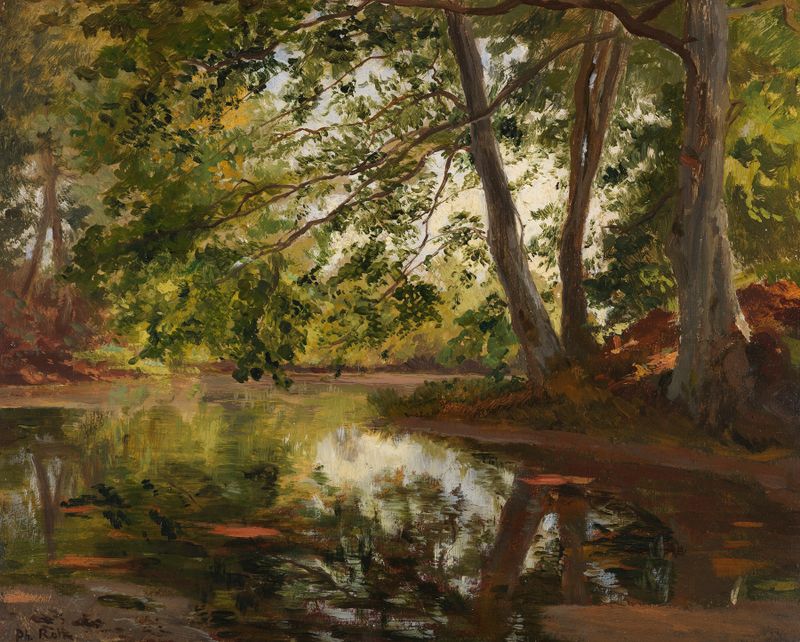
What secret hides in the quiet of the canvas? A stillness envelops the scene, inviting contemplation and deep reflection, as nature blurs the boundaries of reality and illusion. Look to the left at the gentle ripples of the river, where the soft brushstrokes create a sense of movement, contrasting with the solid forms of the trees. A dappled light breaks through the overhead foliage, casting intricate shadows that dance across the surface of the water. Notice how the artist meticulously renders each leaf and branch, each stroke a testament to his devotion to realism, yet interwoven with a dreamlike quality that seems to whisper of something more. Delve deeper into the harmony of colors—the greens of the trees softly merge into the muted browns and blues of the earth and river, suggesting both the tranquility and the transience of nature.
The juxtaposition of stillness on the surface with the hint of current beneath evokes a subtle emotional tension, as if the landscape holds its breath, poised between the realms of memory and dream. There’s a palpable yearning in the way the light plays against the water, teasing the viewer with the illusion of depth and the unknown. Philipp Röth painted An der Amper in 1910, during a time when he was influenced by the burgeoning expressionist movement. Living in Germany, he often sought to capture the delicate interplay of light and nature, reflecting both personal introspection and the broader currents of artistic exploration.
This painting marks a significant moment in his career, as he navigated the shift from traditional representation to a more nuanced interpretation of the world around him.
More Artworks by Philipp Röth
Browse all →
Wiesenlandschaft mit trinkender Herde
Philipp Röth
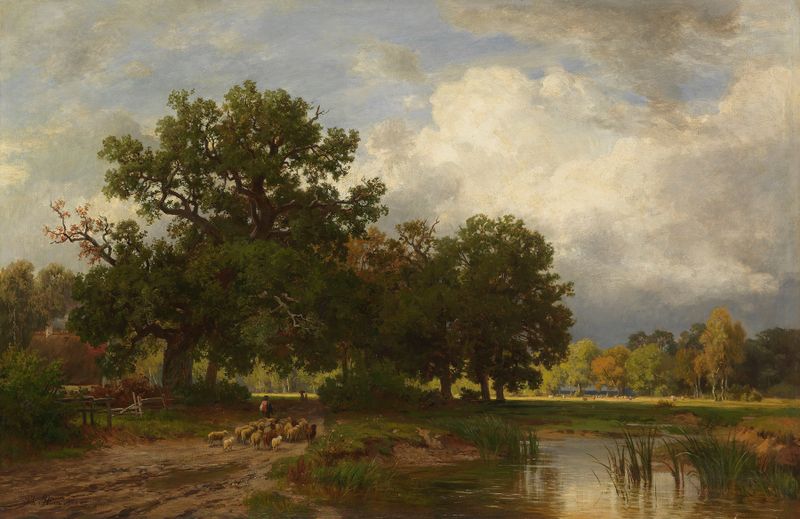
Sommerliche Landschaft mit Schafherde
Philipp Röth
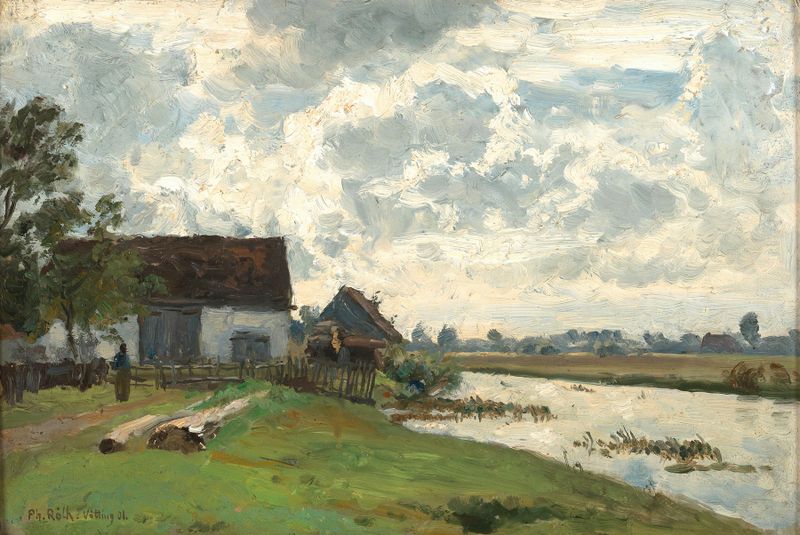
A River Landscape in Vötting
Philipp Röth
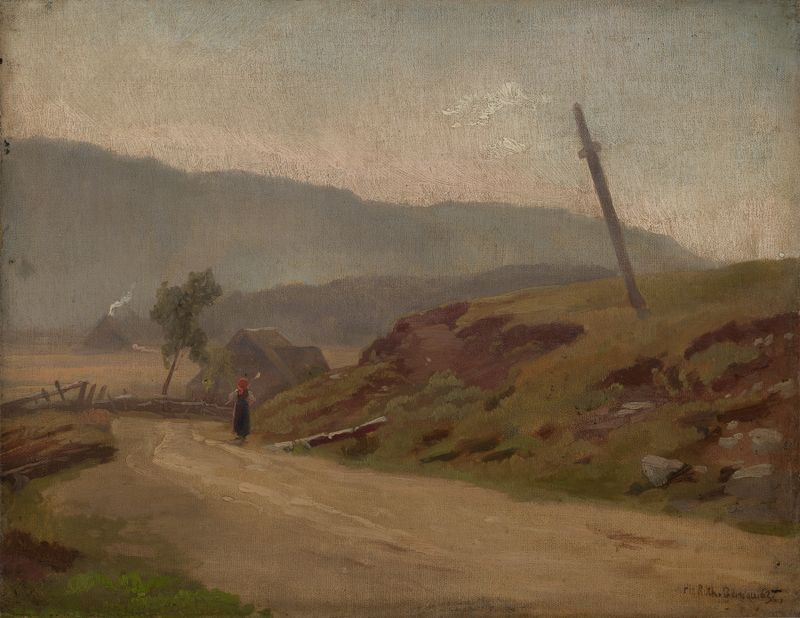
Straße im Bernauer Tal
Philipp Röth
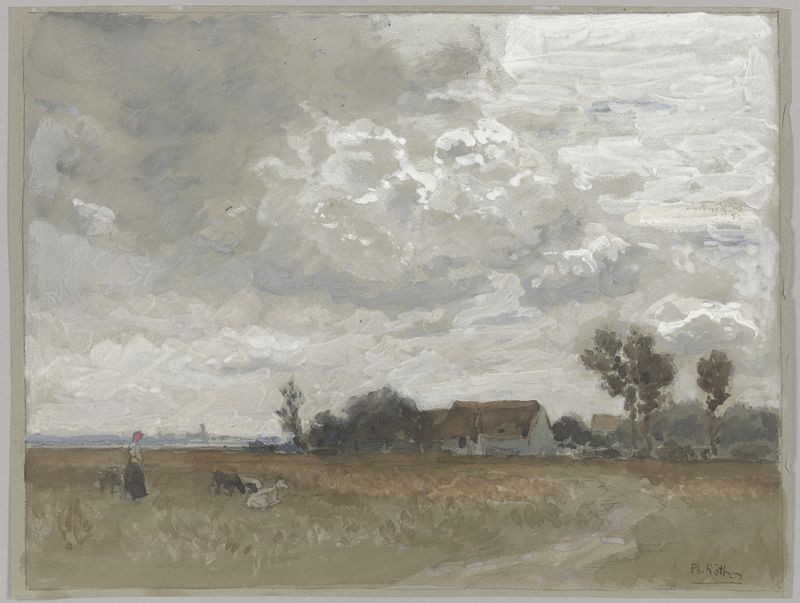
Frau mit Ziegen bei einem Gehöft
Philipp Röth
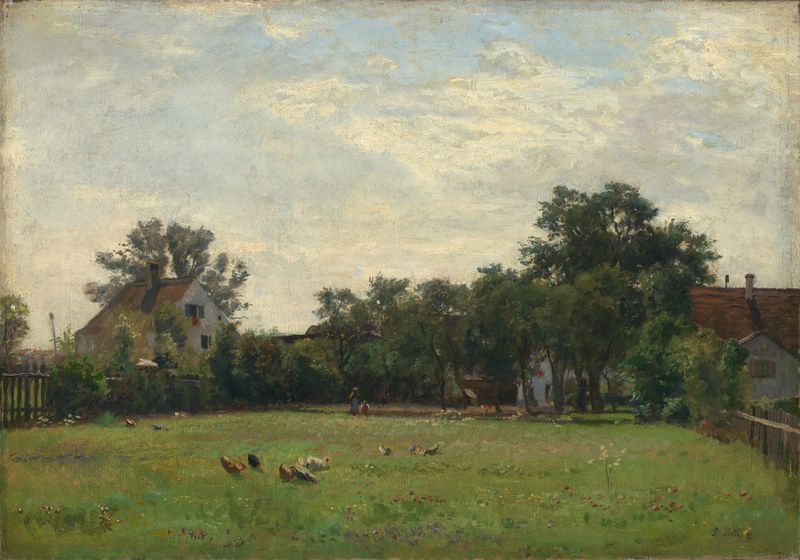
Dorfwiese mit Bauernhäusern unter Bäumen
Philipp Röth
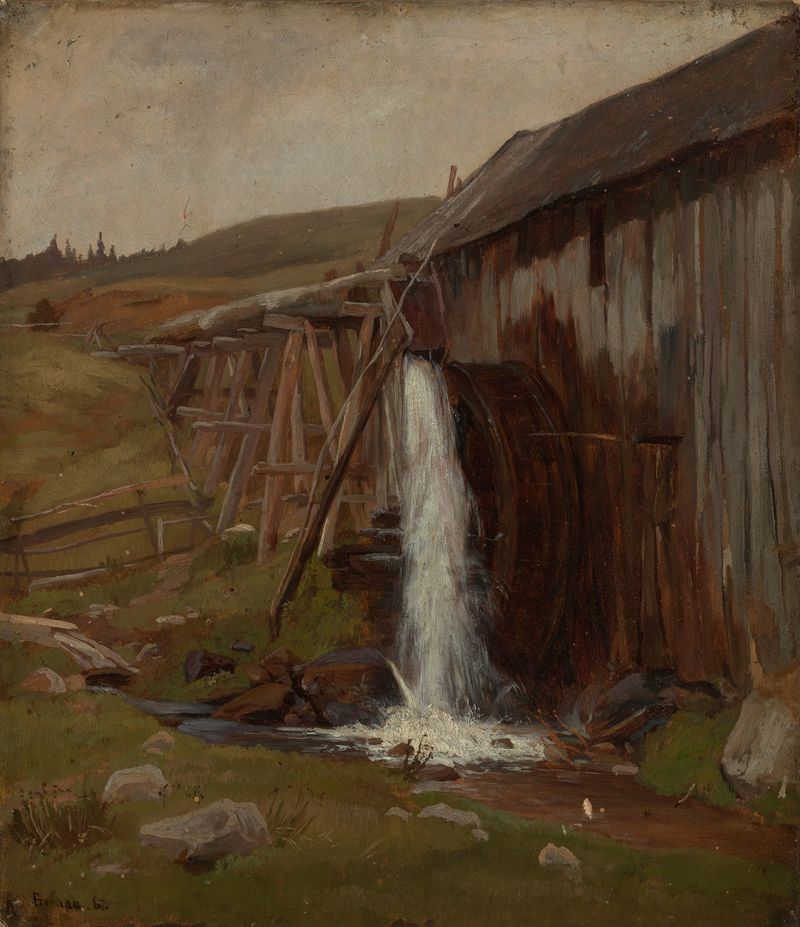
Mühle in Bernau
Philipp Röth
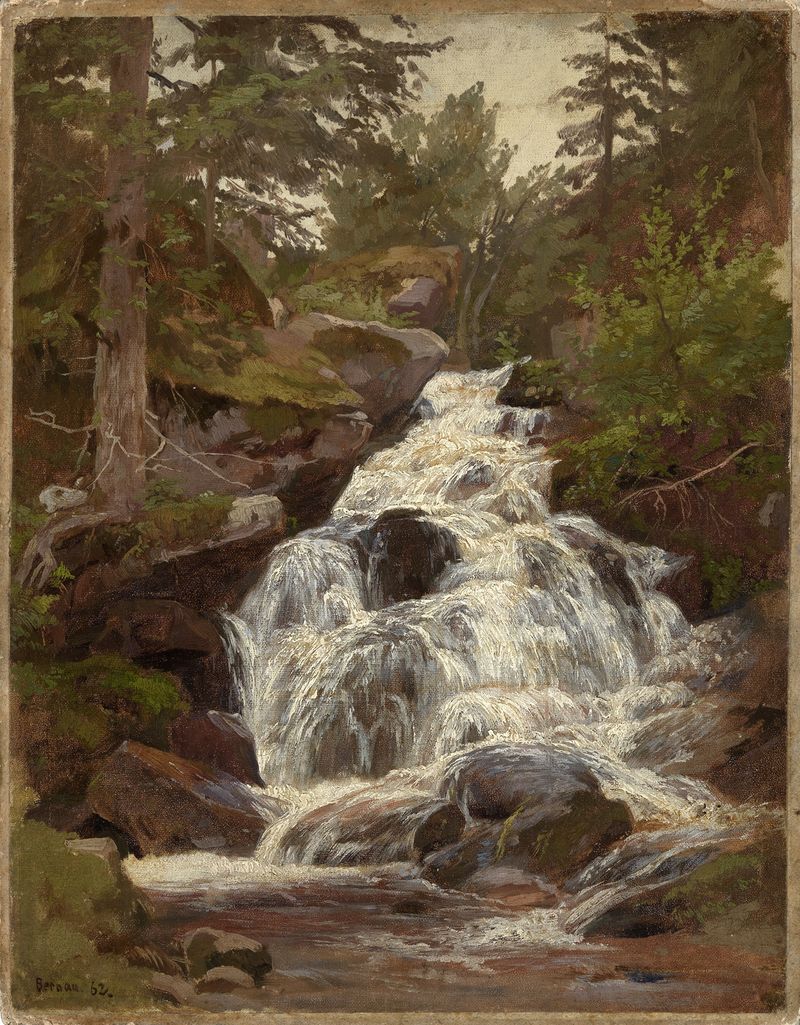
Wasserfall in Bernau
Philipp Röth
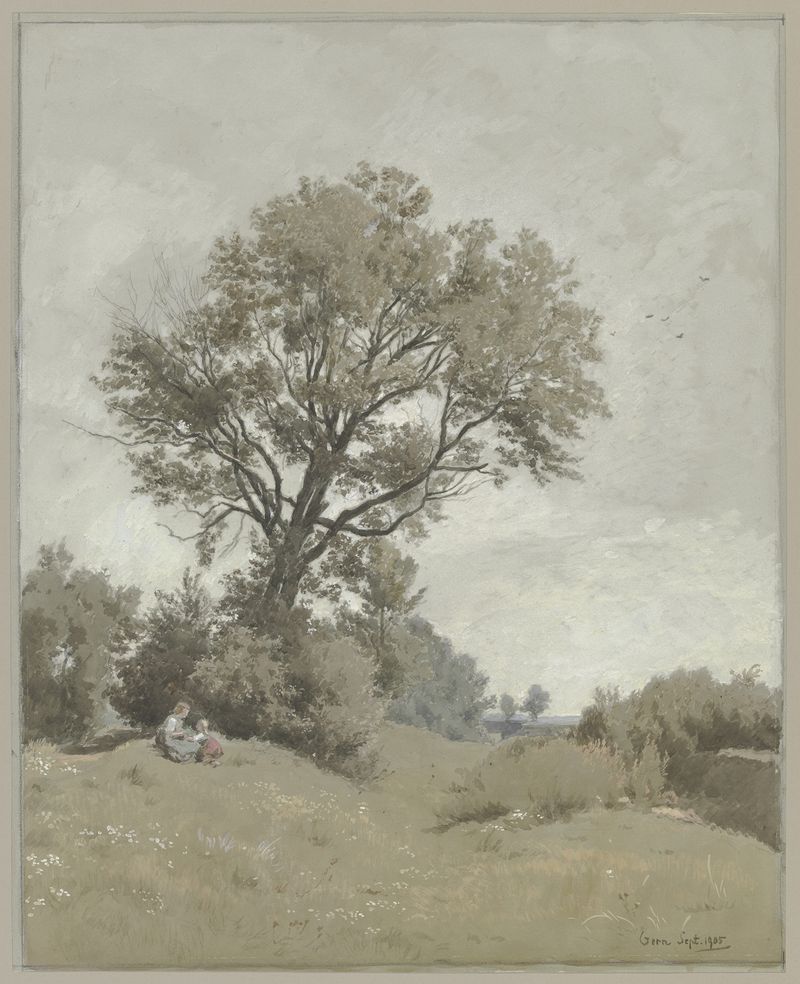
Mutter mit Kind auf einer Wiese sitzend
Philipp Röth
Weiher Bei Bernried
Philipp Röth





