
An extensive view of The Hague with the Grote Kerk in the distance — History & Facts
Could beauty survive in a century of chaos? In An extensive view of The Hague with the Grote Kerk in the distance, Jan van Goyen invites us into a tranquil moment, a pause amidst the tempest of the 17th century. Look to the left at the soft embrace of the rolling landscape, where gentle greens and browns blend seamlessly into the horizon. The church, its spire piercing the sky, commands attention in the distance, framed by the fluid strokes of clouds. Notice how the light dances across the verdant fields, reflecting the promise of renewal, while shadows hint at the complexities of life lurking just beyond our sight.
The painter’s use of a muted palette adds a sense of calm, inviting viewers to linger in this serene vista. Yet beneath the idyllic surface lies a profound tension. The church stands as a silent witness to both faith and fragility, echoing the struggles of a society grappling with transformation. The contrast between the stillness of the landscape and the tumultuous history surrounding it—political strife, religious upheaval—whispers of a world on the brink of change.
The expansive sky above conveys an overarching sense of hope, while the earthy textures ground us in the realities of existence. In 1638, when this work was completed, van Goyen was immersed in the Dutch Golden Age, a period of artistic flourishing amid social and political challenges. Living in The Hague, the artist was influenced by the shifting tides of power and prosperity, which shaped not only his life but also the broader narrative of art during this time. As he painted, van Goyen was not just creating a representation of a landscape; he was capturing a moment of awakening, a fleeting glimpse of beauty in a world rife with uncertainty.
More Artworks by Jan van Goyen
Browse all →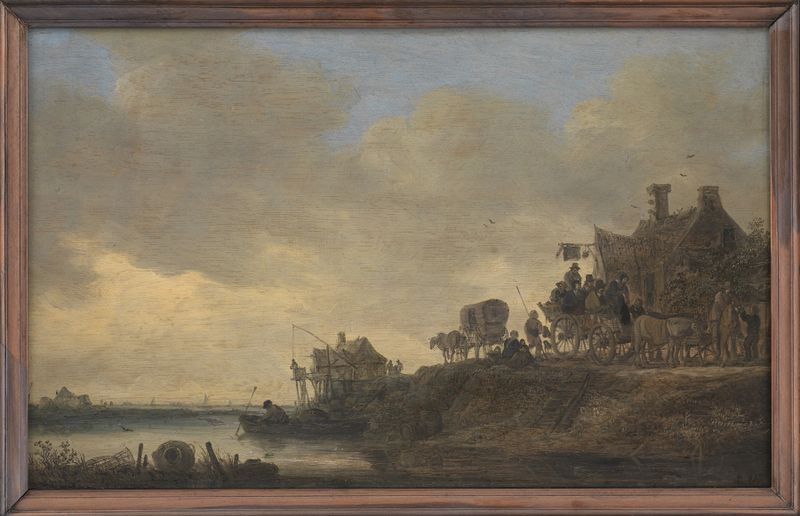
River Scene with the ‘Swan’ Tavern
Jan van Goyen

The Valkhof in Nijmegen
Jan van Goyen
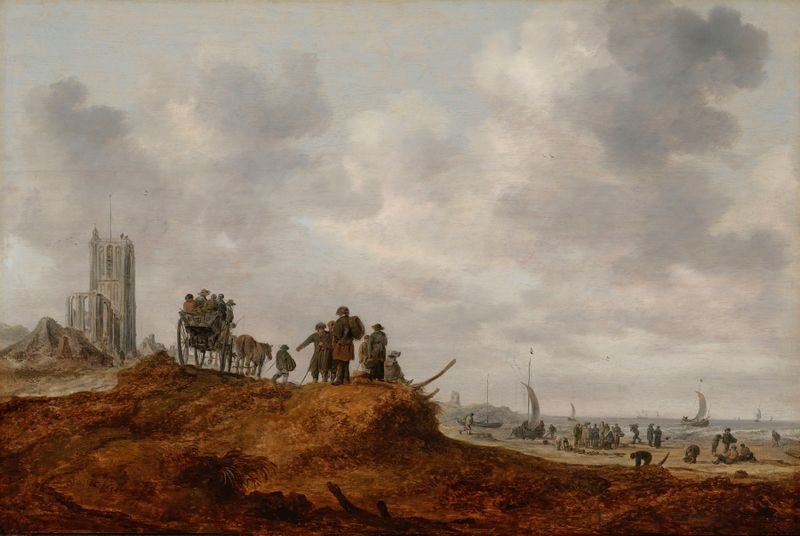
The Old Church at Egmond aan Zee
Jan van Goyen
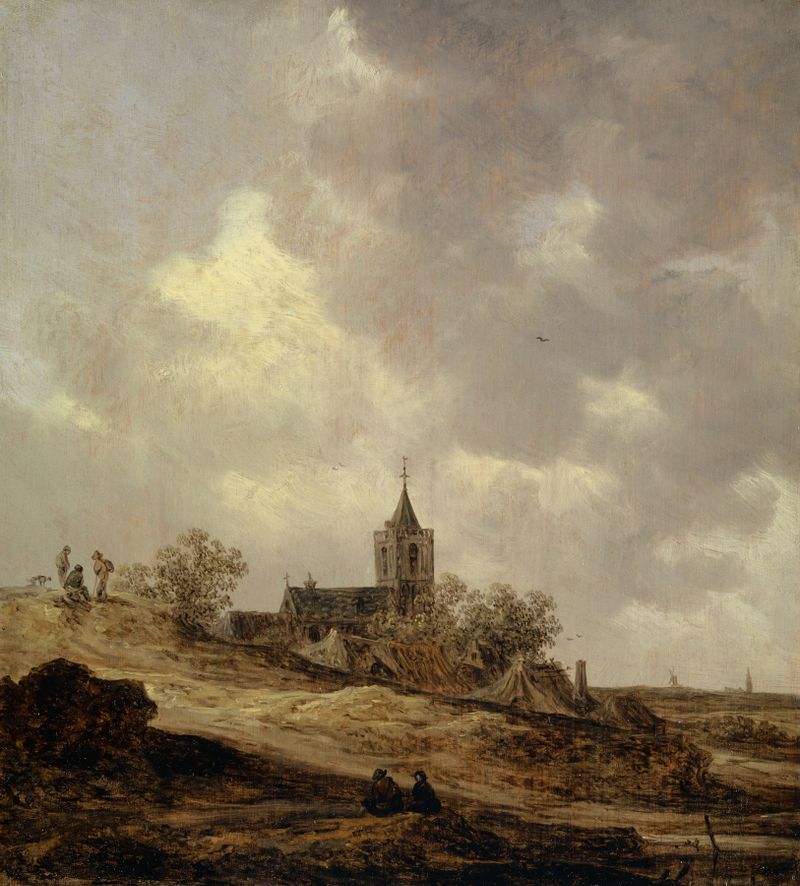
Village Church seen from the Dunes
Jan van Goyen
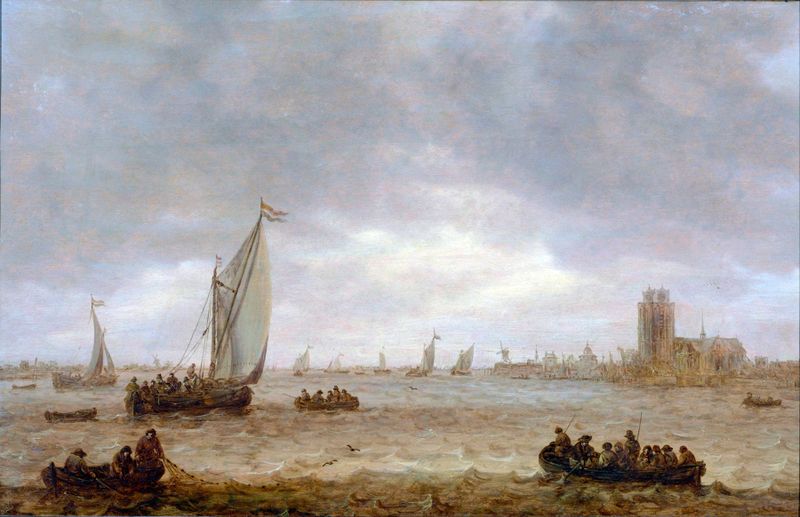
Mouth of the Meuse
Jan van Goyen

River Landscape with the Pellecussen Gate near Utrecht
Jan van Goyen
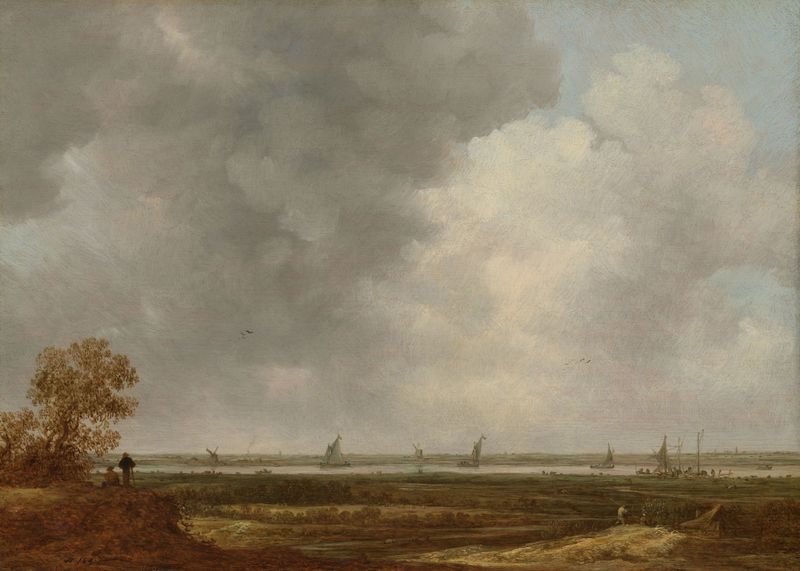
Panoramic View of a River with Low-lying Meadows
Jan van Goyen
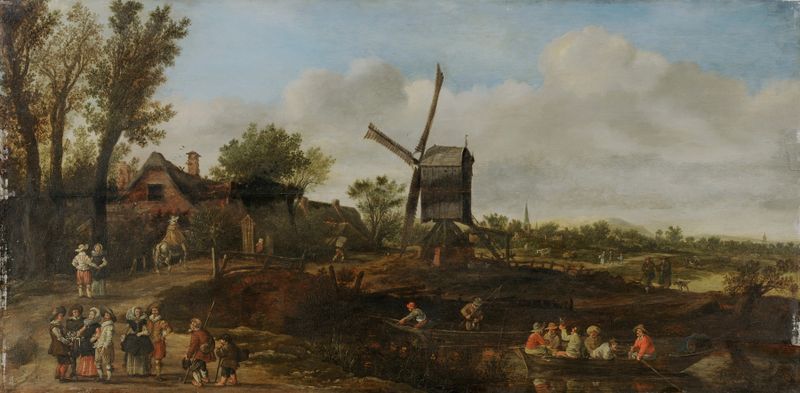
Dutch Landscape
Jan van Goyen
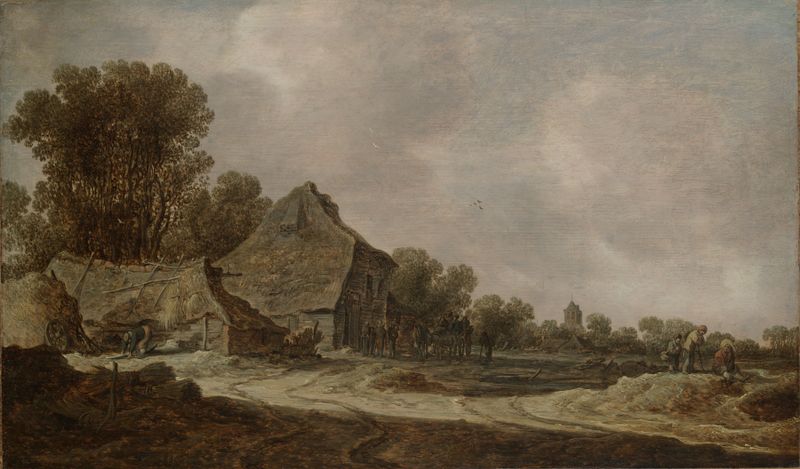
A Sandy Road with Thatched Cottages
Jan van Goyen
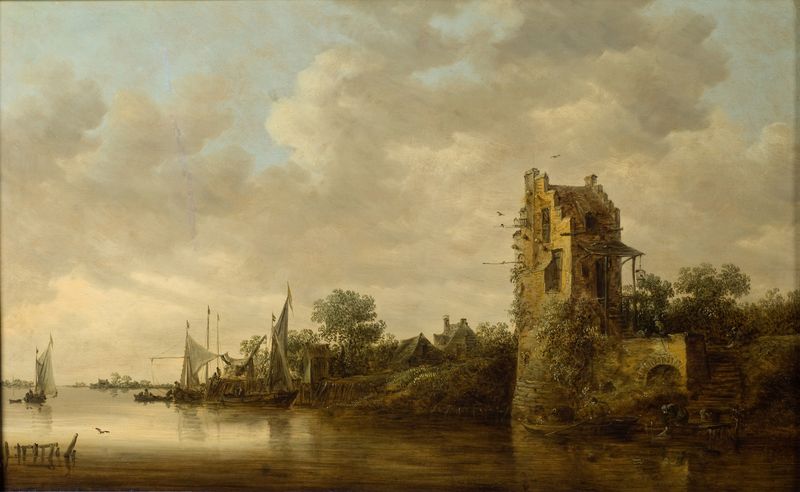
Riverside with an Old Tower
Jan van Goyen





