An intervale — History & Facts
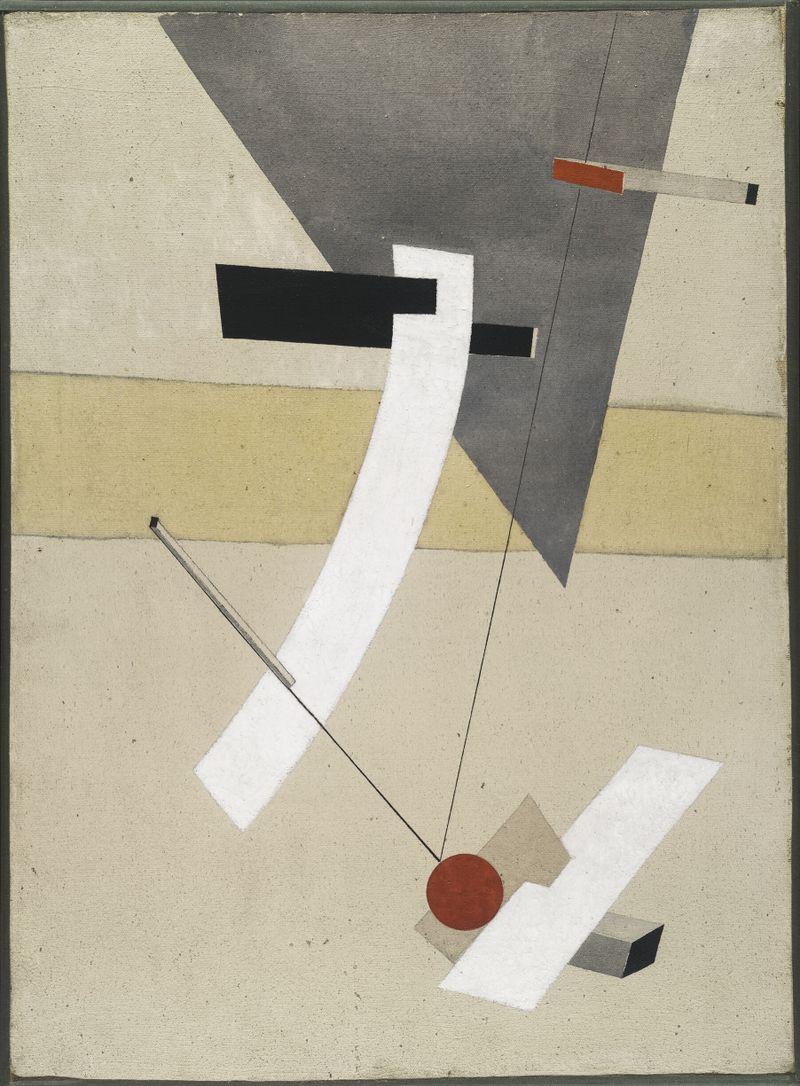
Hope emerges not only in life but within the strokes of an artist’s hand, transforming turmoil into beauty. Look closely at the swirling forms that dominate the canvas, where vibrant hues of green and gold dance together in a harmonious chaos. The composition draws your eye towards the center, where softer pastels blend seamlessly, suggesting a tranquil space amidst the frenetic movement. Notice how the textured brushwork creates a sense of depth, inviting you to feel the rhythm of nature’s pulse, a heartbeat in paint. Within this tapestry of color, contrast reigns supreme.
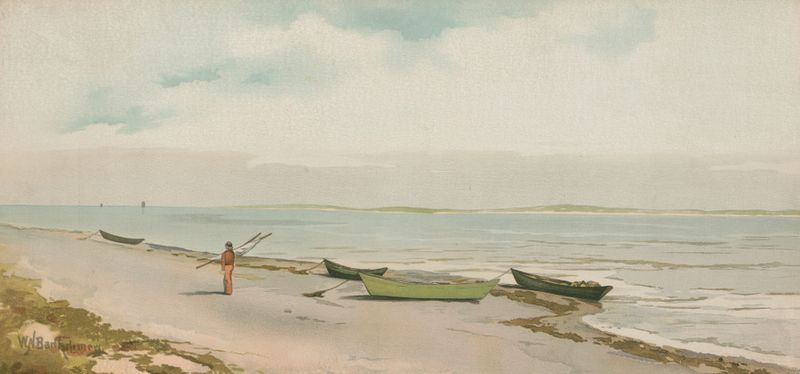
The bold, energetic swathes juxtapose with delicate, almost fragile elements that evoke a sense of vulnerability. This duality speaks to the tension between despair and hope, an interplay that reflects both personal and universal struggles. Each stroke carries a whisper of resilience, hinting at the possibility of renewal amidst life's turbulence. In 1892, Bartholomew painted this piece while navigating personal challenges and witnessing an art world increasingly captivated by Impressionism.
Living in the United States, he sought to capture the essence of nature and emotion, drawing on influences from both American landscapes and European techniques. This period marked a significant evolution in his style, as he explored the boundaries of abstraction and expressionism, capturing the spirit of hope in a rapidly changing world.