
An Oak At Kedleston Hall, Derbyshire — History & Facts
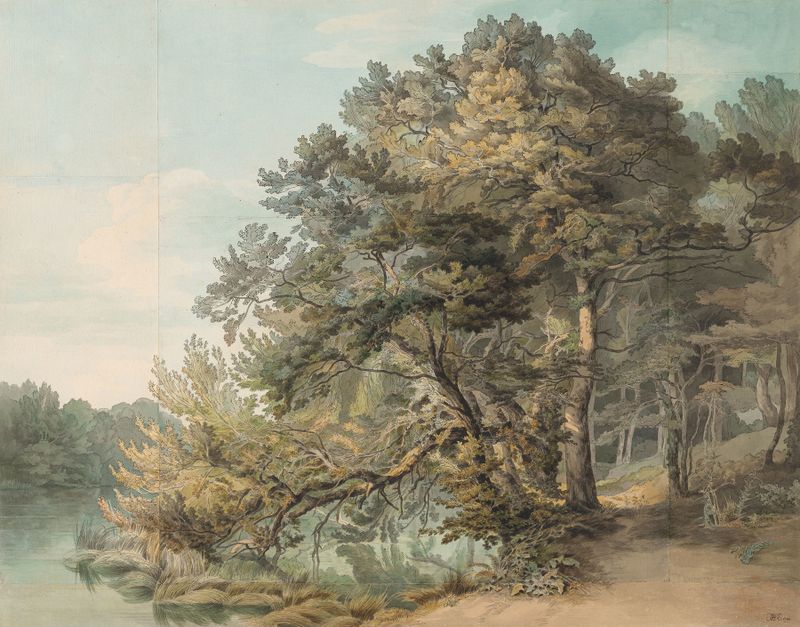
Is this a mirror — or a memory? The serene presence of an oak, majestic and timeless, invites reflection on the sacred intertwining of nature and memory. Each leaf, each shadow, holds a story, whispering the divine essence that binds the earthly to the eternal. Look to the center of the canvas where the grand oak stands, its gnarled branches stretching outward like arms embracing the sky. Notice how the dappled sunlight filters through the foliage, casting intricate patterns of light and shadow on the soft grass below.
The artist’s delicate brushwork captures the textures of the bark and the lively hues of green, accentuating the vibrancy of life that pulses through this venerable tree. Yet, as you delve deeper, the painting reveals a poignant contrast between permanence and transience. The oak, a symbol of endurance, stands resolute against the inevitability of change, while the surrounding landscape hints at the passage of time. Reflect on the subtle transition of colors from the vibrant greens to the muted browns, evoking a sense of nostalgia and the fleeting nature of beauty.
This interaction between the familiar and the ethereal beckons viewers to contemplate their own relationship with the divine. John White Abbott created this work in 1791, during a period marked by the Romantic movement’s embrace of nature and its spiritual significance. Living in England, he was influenced by the picturesque landscapes that surrounded him, which often served as metaphors for deeper philosophical inquiries. At this time, artists sought to elevate the natural world to a realm of beauty and contemplation, a sentiment reflected in this masterful depiction of the oak at Kedleston Hall.
More Artworks by John White Abbott
Browse all →
An Italianate Landscape
John White Abbott
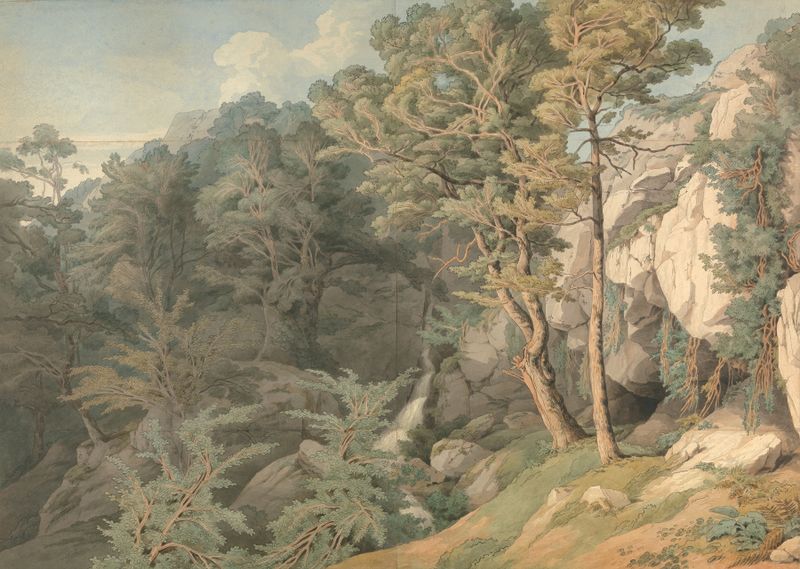
Canonteign, Devon
John White Abbott
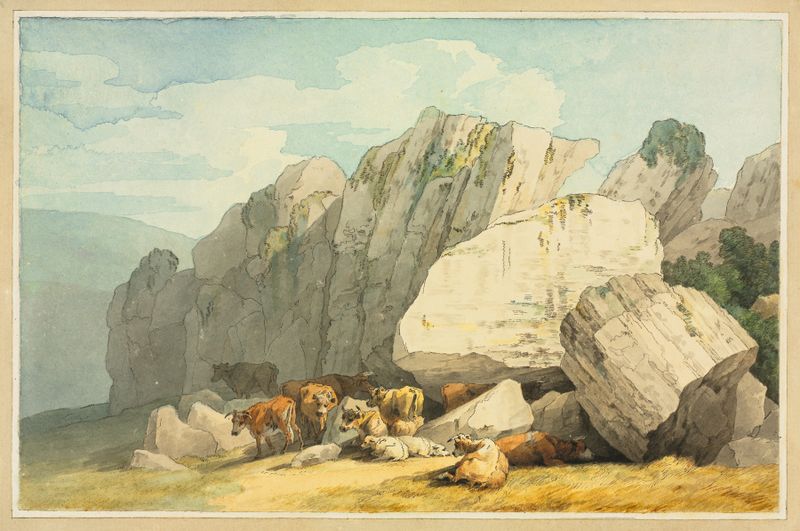
Leigh Tor Rocks at Poundsgate, near New Bridge on the Dart, Devon
John White Abbott
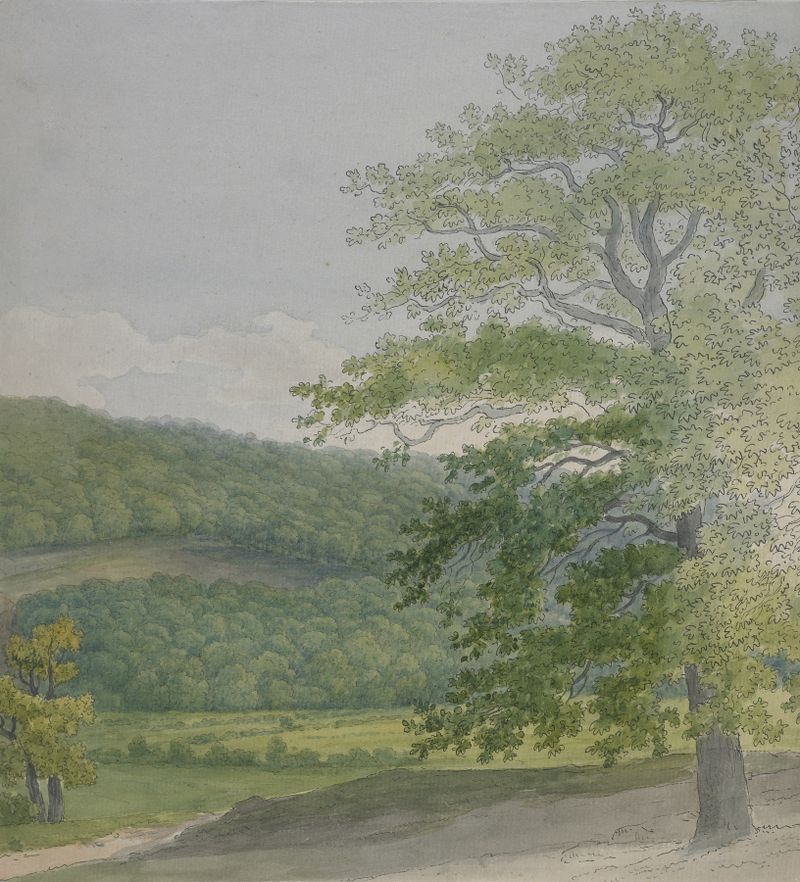
Wooded landscape
John White Abbott
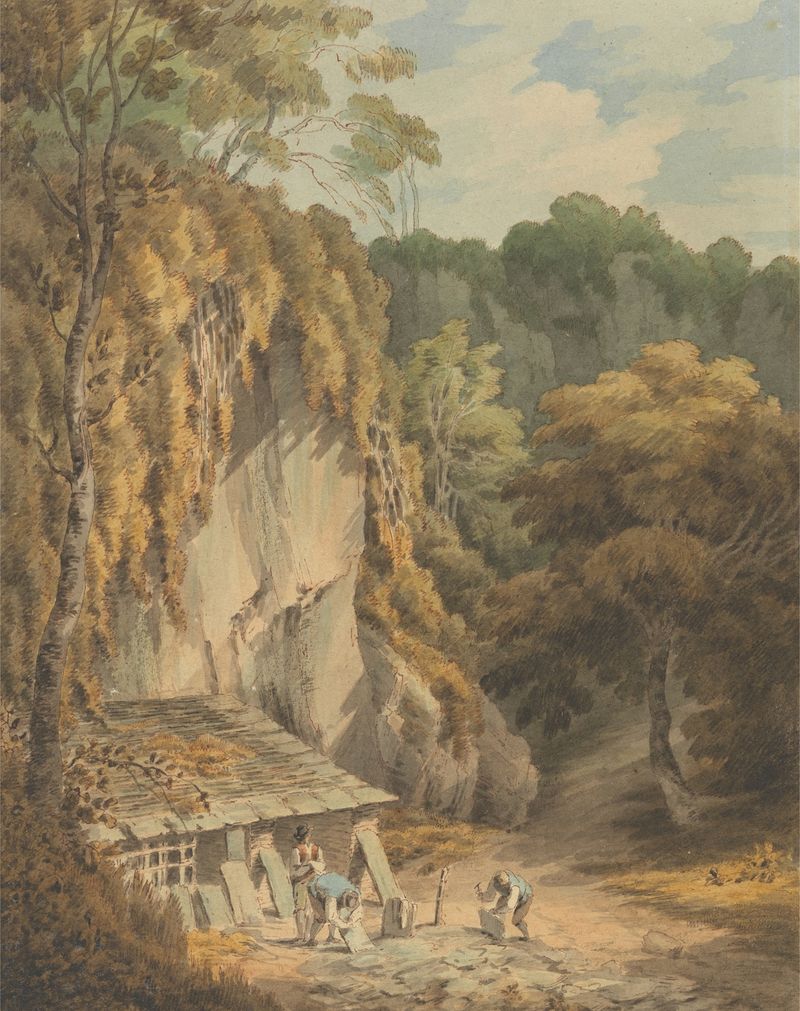
Slate Quarry at Widecombe, Devon
John White Abbott
Peamore,Devon
John White Abbott
A View of Core’s Library, Dawlish, Devon
John White Abbott
The Cot, Alphington, Devon
John White Abbott





