
Peamore,Devon — History & Facts
This sentiment resonates powerfully within the delicate layers of Peamore, Devon, where the landscape reveals more than mere aesthetics. It invites viewers to explore the hidden truths that lie beneath its serene surface. Look to the left at the gentle curve of the river, reflecting the dappled sunlight that dances on its surface. Notice how the artist employs soft pastels and muted tones to render the lush foliage that frames the scene, creating a harmonious balance between nature and tranquility.
The composition is masterfully structured, leading the eye along the water's edge toward the distant hills, where light and shadow intermingle, suggesting depth beyond the physical. In this interplay of light, the viewer can almost feel the warmth of a sun-kissed afternoon. Yet, beneath this picturesque facade lies an undercurrent of melancholy; the stillness of the scene hints at solitude and introspection. The trees, while vibrant, seem to stand watch over a landscape steeped in time—a reminder of nature’s impermanence.
The horizon, painted with a gentle gradient, suggests both the promise of a new day and the reminder of life’s inevitable passage. Each element, from the soft ripples of the water to the muted sky, speaks to the fragility of beauty and the hidden stories it carries. In 1799, John White Abbott created this work in England during a time of significant change and transition in the art world. The artist, known for his landscape paintings, was exploring the refined techniques of watercolor and oil, simultaneously influenced by the Romantic movement's embrace of nature.
This period marked a pivotal moment in his career, as he sought to capture the essence of the English countryside amidst a backdrop of personal and artistic evolution.
More Artworks by John White Abbott
Browse all →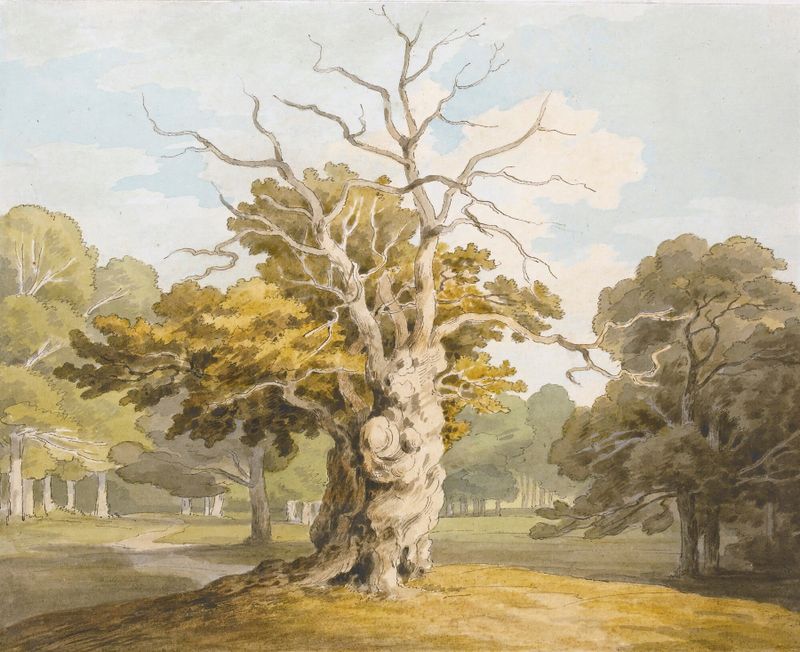
An Oak At Kedleston Hall, Derbyshire
John White Abbott

An Italianate Landscape
John White Abbott
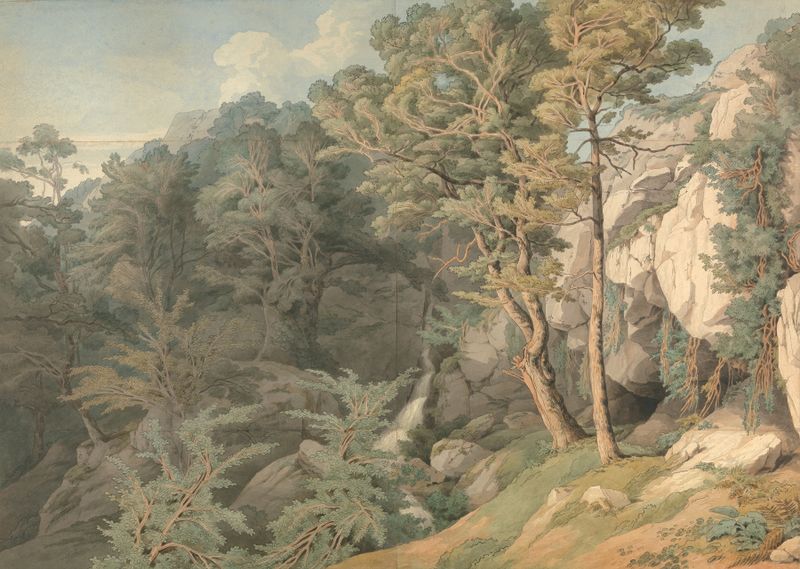
Canonteign, Devon
John White Abbott
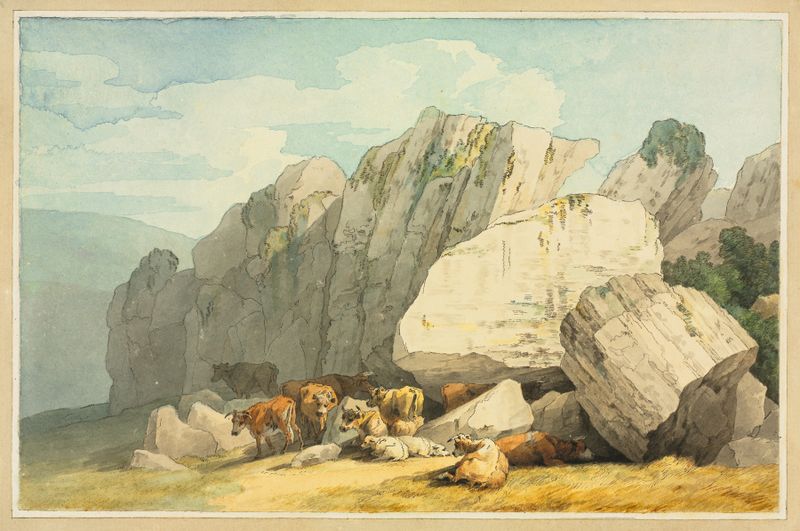
Leigh Tor Rocks at Poundsgate, near New Bridge on the Dart, Devon
John White Abbott
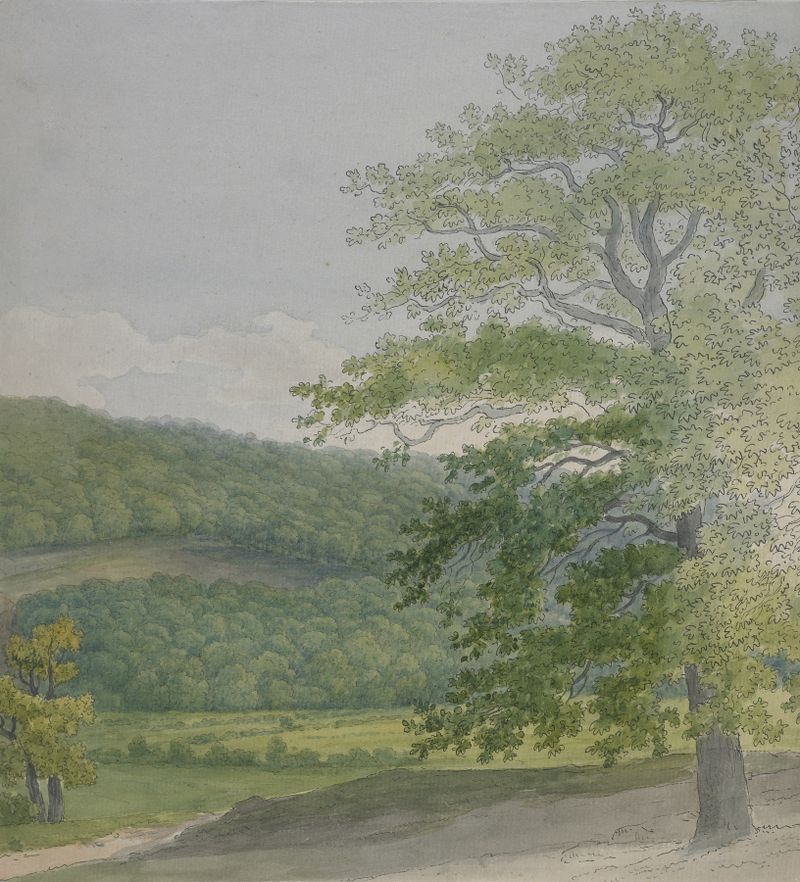
Wooded landscape
John White Abbott
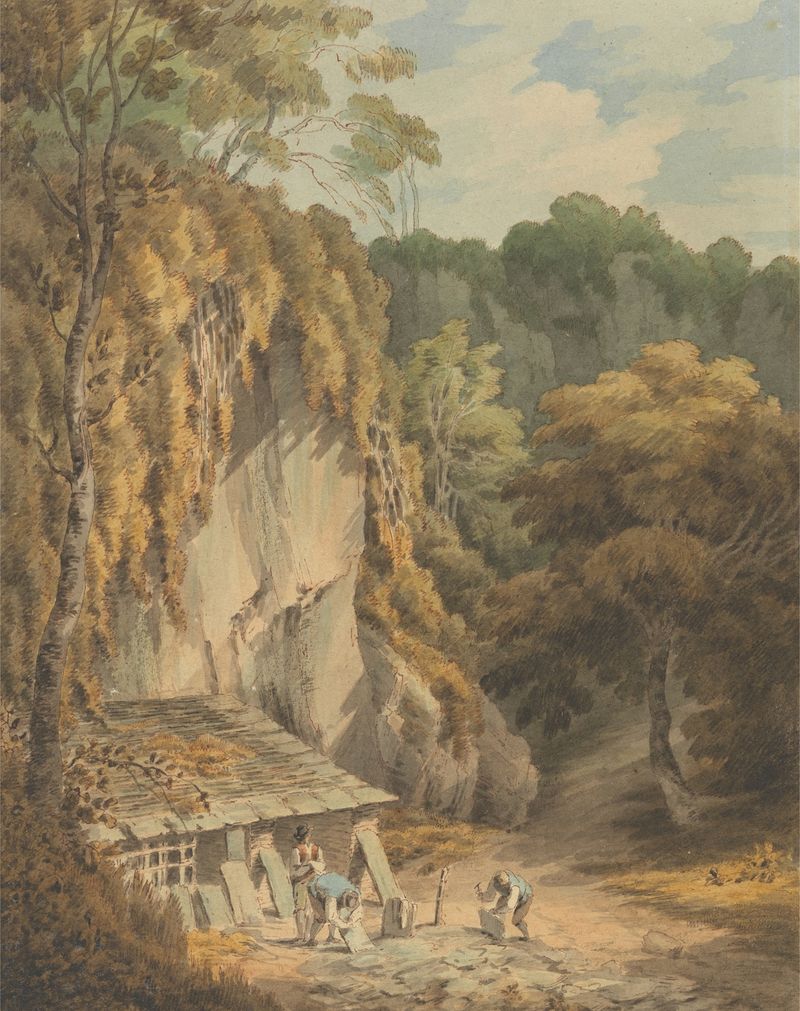
Slate Quarry at Widecombe, Devon
John White Abbott
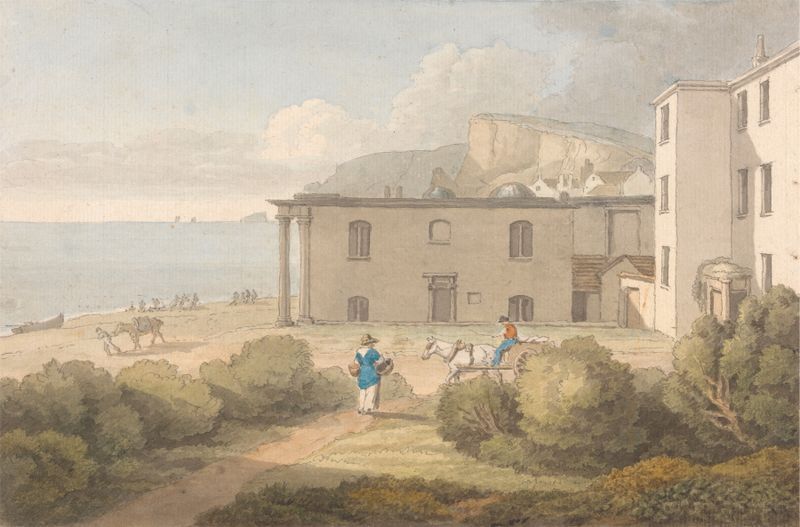
A View of Core’s Library, Dawlish, Devon
John White Abbott
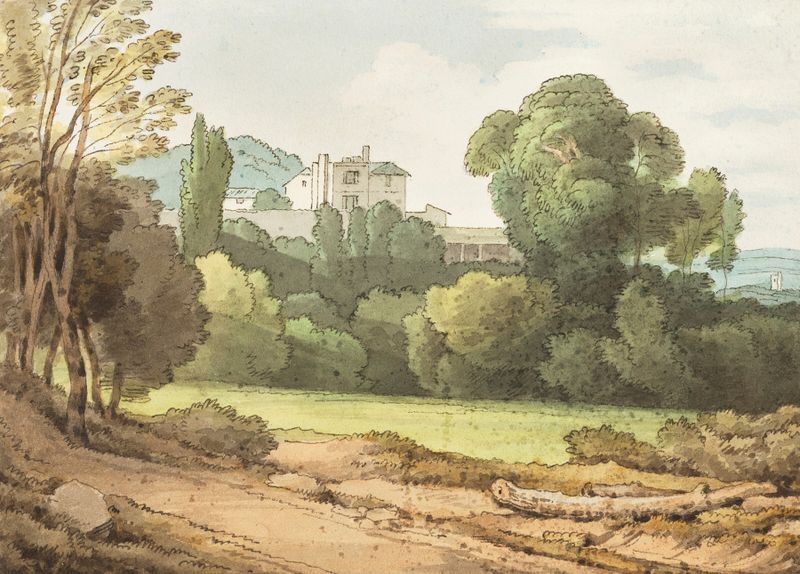
The Cot, Alphington, Devon
John White Abbott





