
Wooded landscape — History & Facts
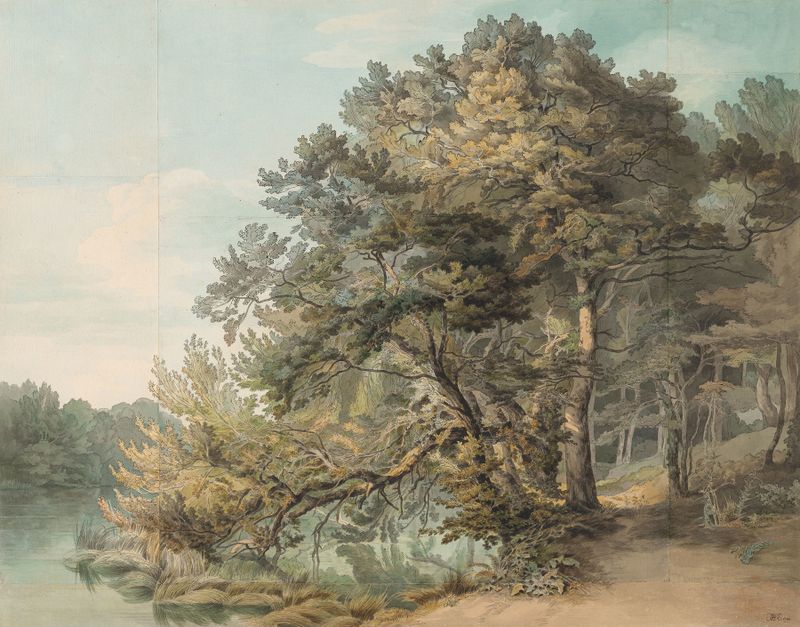
Can paint confess what words never could? In the stillness of a wooded landscape, serenity flows like a gentle stream, inviting the viewer into a tranquil embrace. Focus on the soft tones that dominate the canvas, where verdant greens blend seamlessly with earthy browns. Look to the left at the delicate interplay of light filtering through the trees, creating dappled shadows on the forest floor. The meticulous brushstrokes evoke a sense of depth, pulling you into a serene world that feels both familiar and enigmatic.
The composition balances the towering trees with a subtle path that beckons exploration. As you delve deeper, notice the contrasting emotions evoked by the stillness of nature. The lushness of life coexists with the quiet solitude of the woods, suggesting both peace and a sense of longing. The fine details, from the gentle sway of the branches to the textured underbrush, echo the whispers of nature, inviting reflection amidst the beauty.
This landscape is not merely a representation of nature; it serves as a canvas for introspection, evoking feelings that resonate within. In the late 18th to early 19th century, John White Abbott found himself in an era of burgeoning Romanticism, where nature was celebrated for its beauty and spiritual significance. Painted in England during this transformative period, Abbott’s works reflected a deep appreciation for the natural world, offering a contrast to the industrializing society around him. His keen observations of landscapes, infused with a sense of calm, captured a moment in time when art and nature intertwined harmoniously.
More Artworks by John White Abbott
Browse all →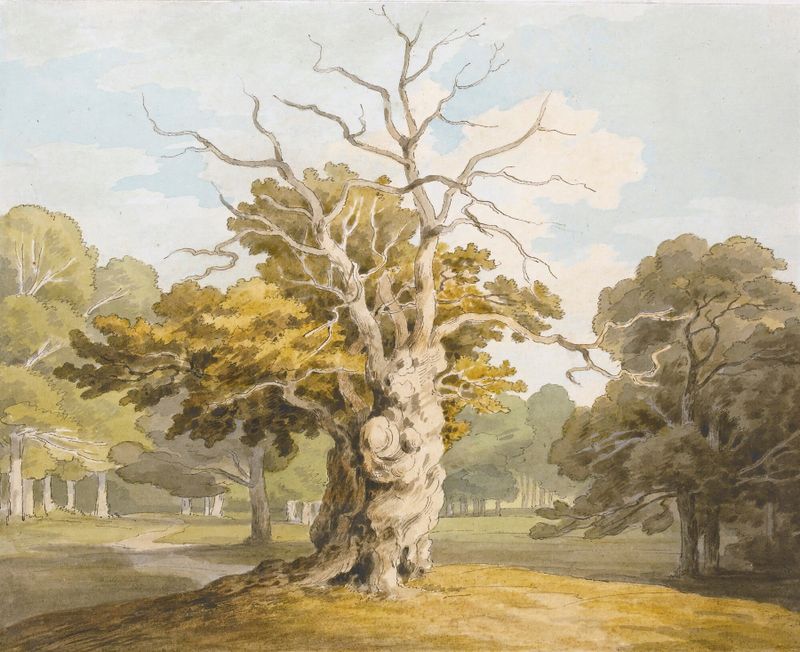
An Oak At Kedleston Hall, Derbyshire
John White Abbott

An Italianate Landscape
John White Abbott
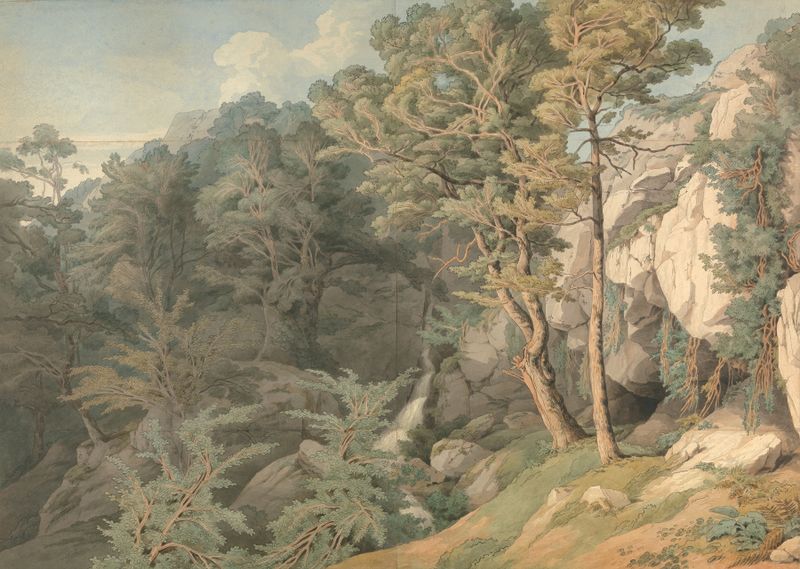
Canonteign, Devon
John White Abbott
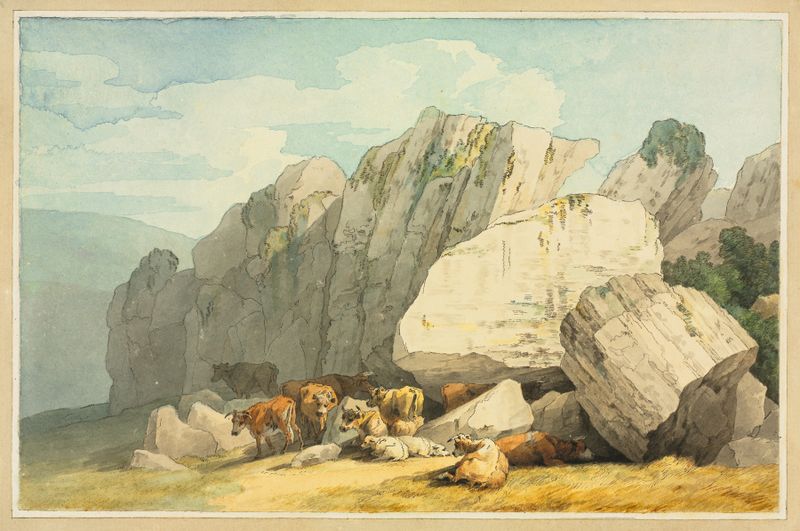
Leigh Tor Rocks at Poundsgate, near New Bridge on the Dart, Devon
John White Abbott
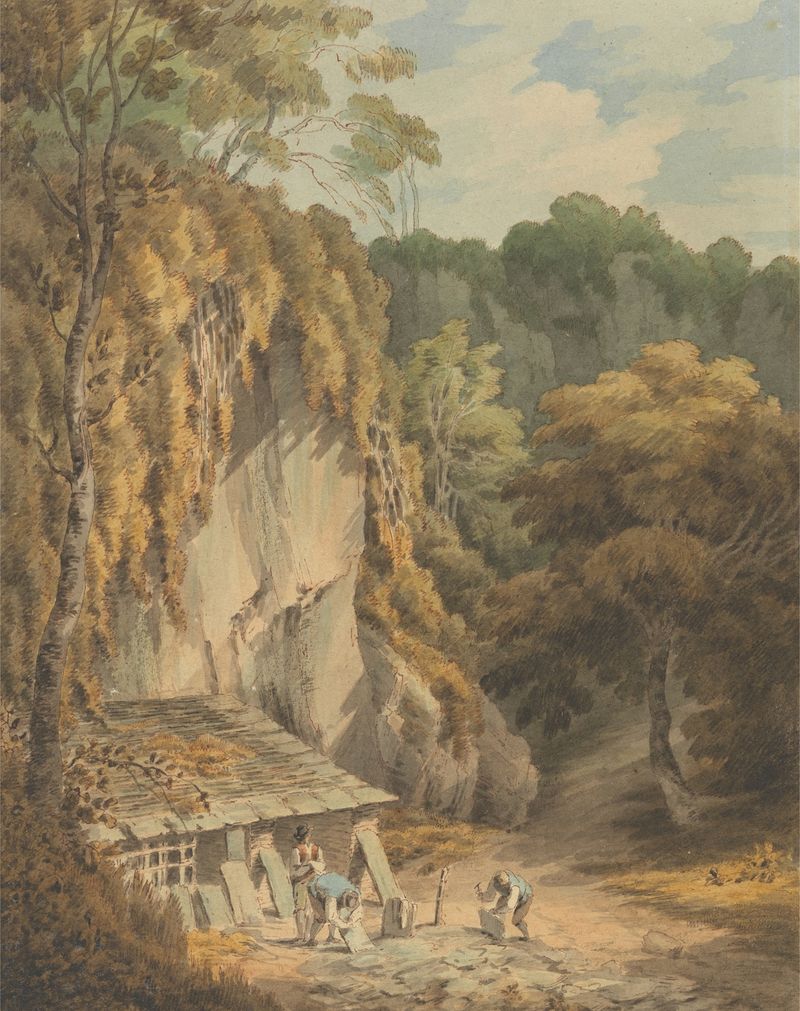
Slate Quarry at Widecombe, Devon
John White Abbott
Peamore,Devon
John White Abbott
A View of Core’s Library, Dawlish, Devon
John White Abbott
The Cot, Alphington, Devon
John White Abbott





