
Leigh Tor Rocks at Poundsgate, near New Bridge on the Dart, Devon — History & Facts
When did color learn to lie? In a world where hues dance upon the canvas, the fragility of truth lies intricately woven with the brushstrokes of beauty. The delicate interplay between nature and perception beckons us to ponder the essence of reality itself. Focus your gaze on the soft, muted palette that dominates the scene. Notice how the browns and greens, tinged with whispers of blue, create an atmosphere of serene contemplation.
Look to the left, where the rocks rise with quiet strength, their textures rendered with a meticulous hand that conveys both permanence and vulnerability. The gentle strokes breathe life into the surrounding foliage, allowing shadows to deepen and light to play, drawing the viewer toward the horizon where distant hills fade into mist. Yet, amid the calm, there exists a tension—a juxtaposition of solidity and transience. The rocks, steadfast against the passing of time, stand in stark contrast to the fleeting clouds that drift across the sky, suggesting the duality of endurance and ephemerality.
Each detail, from the fragile leaves to the imposing cliffs, hints at stories untold, encapsulating the bittersweet beauty of nature's impermanence. In 1800, while creating this piece in Devon, the artist was immersed in the Romantic movement, which sought to capture the sublime beauty of the natural world. At this time, he was navigating the transition from traditional landscape painting to a more emotive representation, influenced by the changing perceptions of nature, making his work both a reflection of his personal journey and a broader shift within the art community.
More Artworks by John White Abbott
Browse all →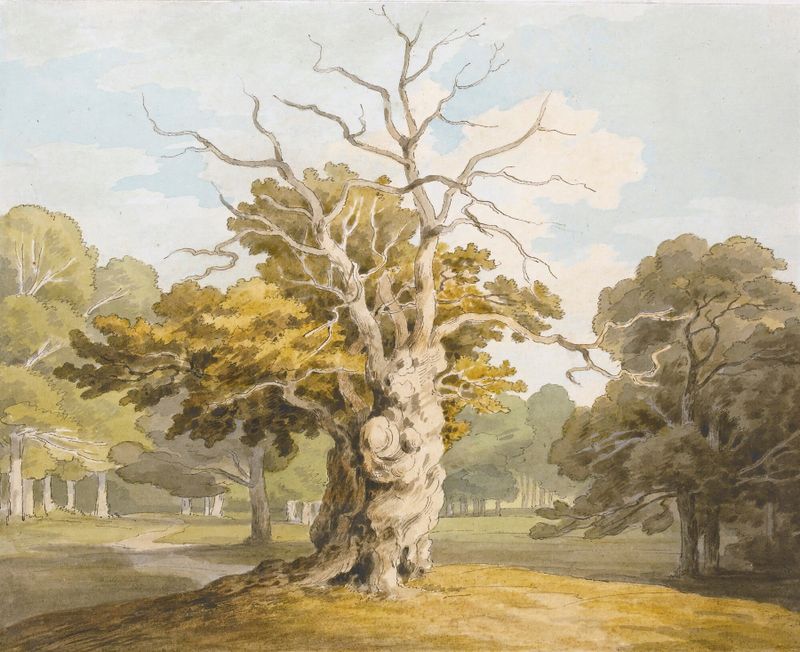
An Oak At Kedleston Hall, Derbyshire
John White Abbott

An Italianate Landscape
John White Abbott
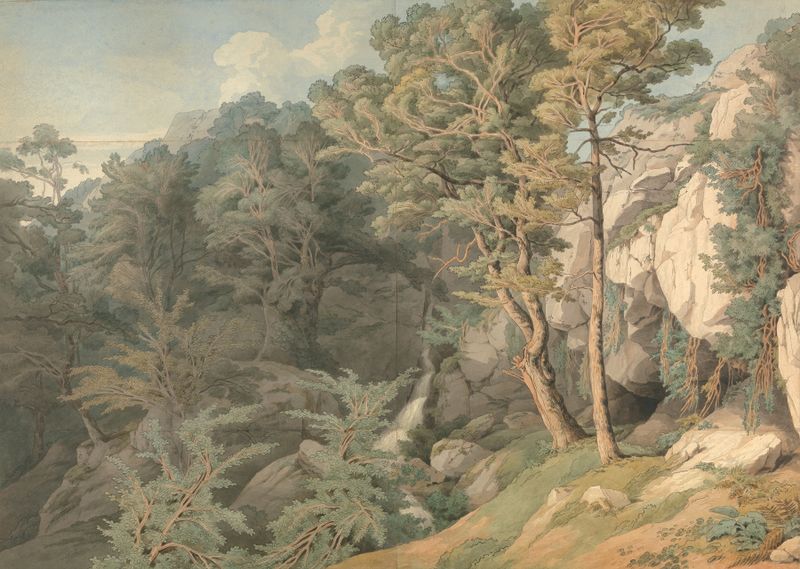
Canonteign, Devon
John White Abbott
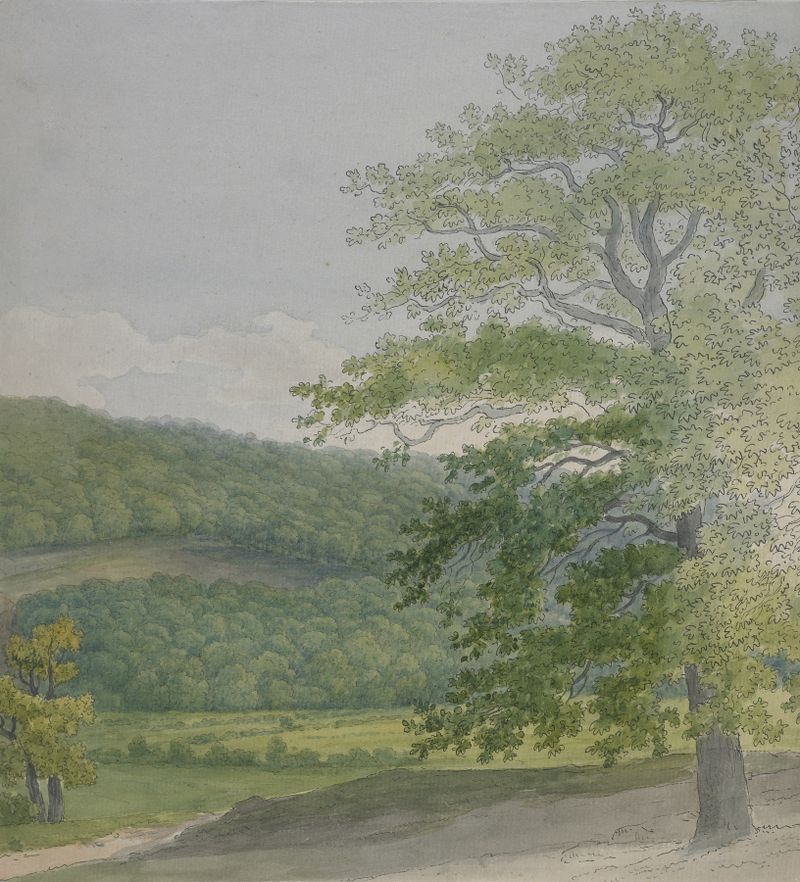
Wooded landscape
John White Abbott
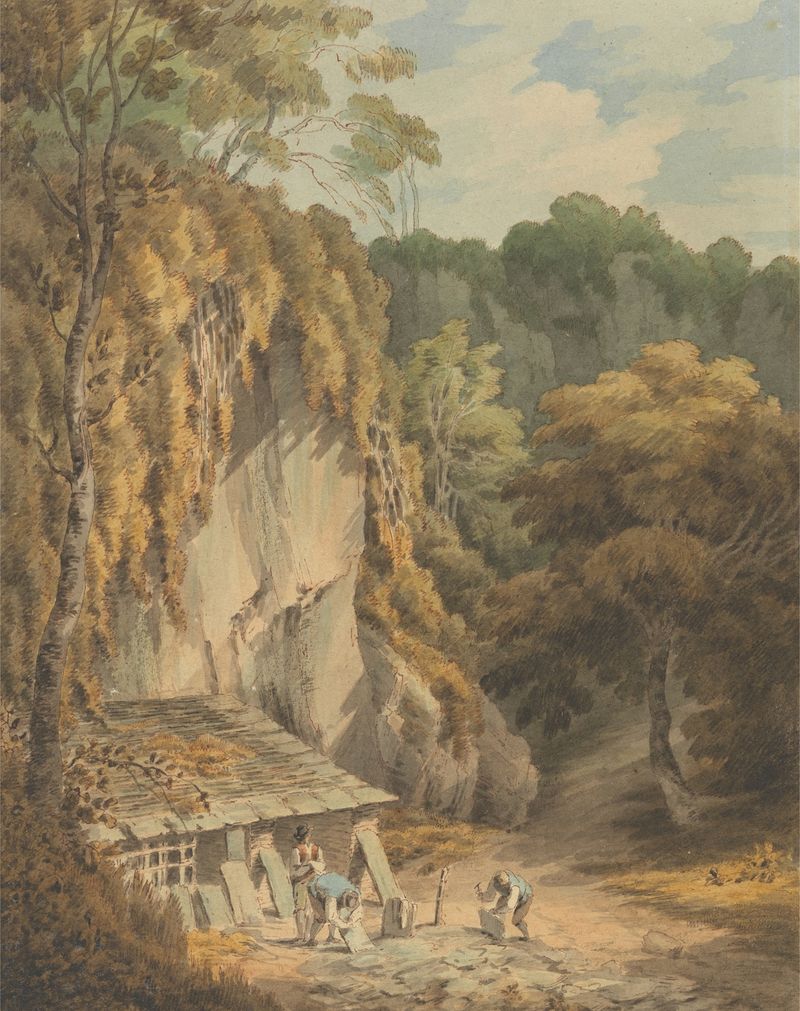
Slate Quarry at Widecombe, Devon
John White Abbott
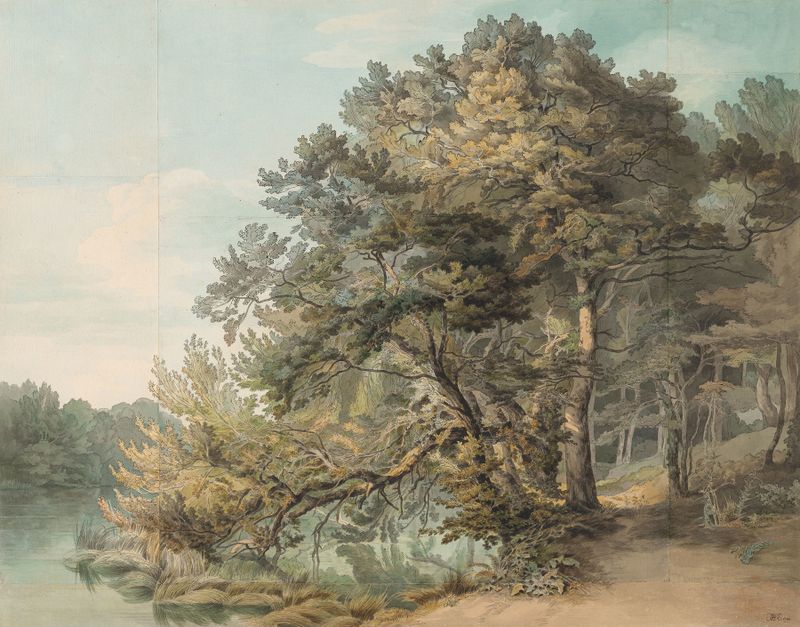
Peamore,Devon
John White Abbott
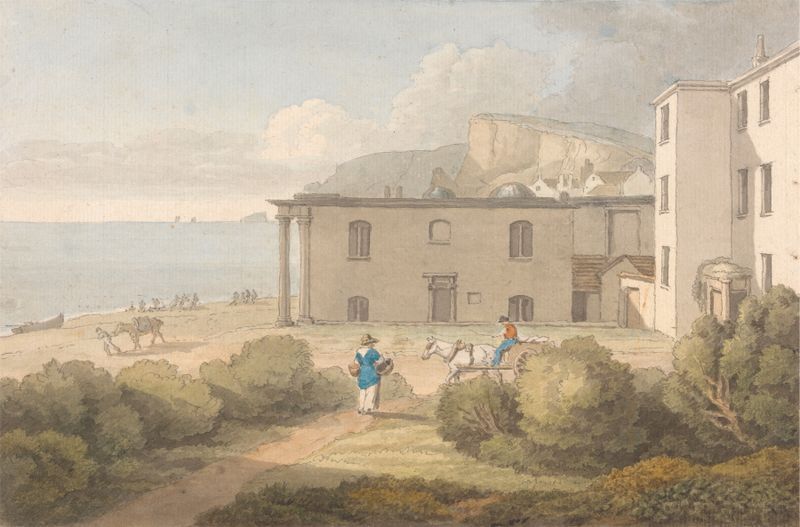
A View of Core’s Library, Dawlish, Devon
John White Abbott
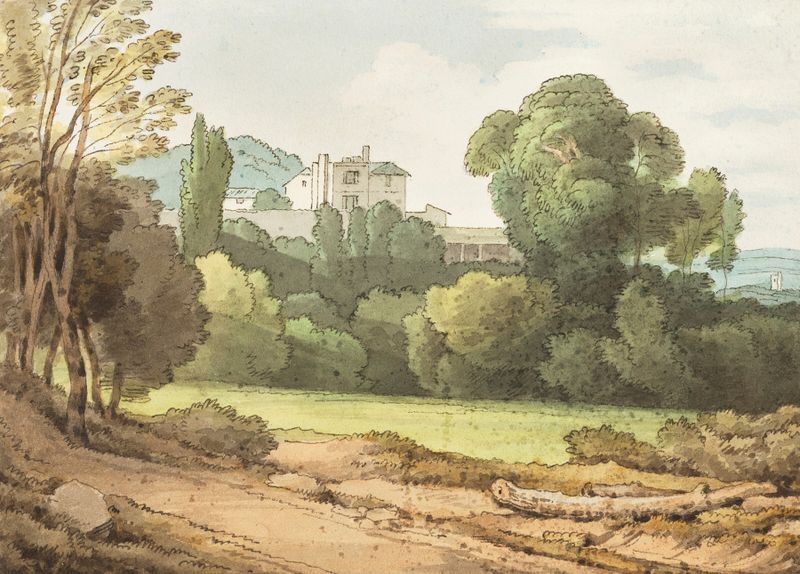
The Cot, Alphington, Devon
John White Abbott





