
An Observation Tower — History & Facts
Can beauty exist without sorrow? In the haunting stillness of An Observation Tower, the viewer is drawn into a world where melancholy whispers beneath its surface. Look to the left at the tall, imposing structure, its silhouette stark against the muted sky. Notice how the tower, rendered in subtle shades of gray and blue, evokes a sense of isolation, while delicate brush strokes create a textured landscape that resonates with quietude. The atmosphere is thick with a sense of waiting, as if time itself pauses to reflect on the stories held within the stone walls and the horizon stretching endlessly beyond. As you explore, observe the faint outlines of distant trees flanking the tower, their leaves trembling in an unseen breeze.
This juxtaposition of the sturdy tower against the ephemeral nature of the landscape underscores a poignant tension between permanence and transience. The painting invites contemplation of the observer's perspective—are they merely looking out, or gazing inward? The muted colors suggest a sense of longing, hinting at a deeper emotional undercurrent that speaks to the complexities of human experience. Samuel Davis painted this work after 1806, during a period when he was increasingly interested in the relationship between nature and architecture. Living in England, he sought to capture the subtle harmonies and contradictions of the world around him, a pursuit reflective of the broader Romantic movement.
This painting reflects the era's fascination with the sublime, imbued with a sense of solitude that resonates even today.
More Artworks by Samuel Davis
Browse all →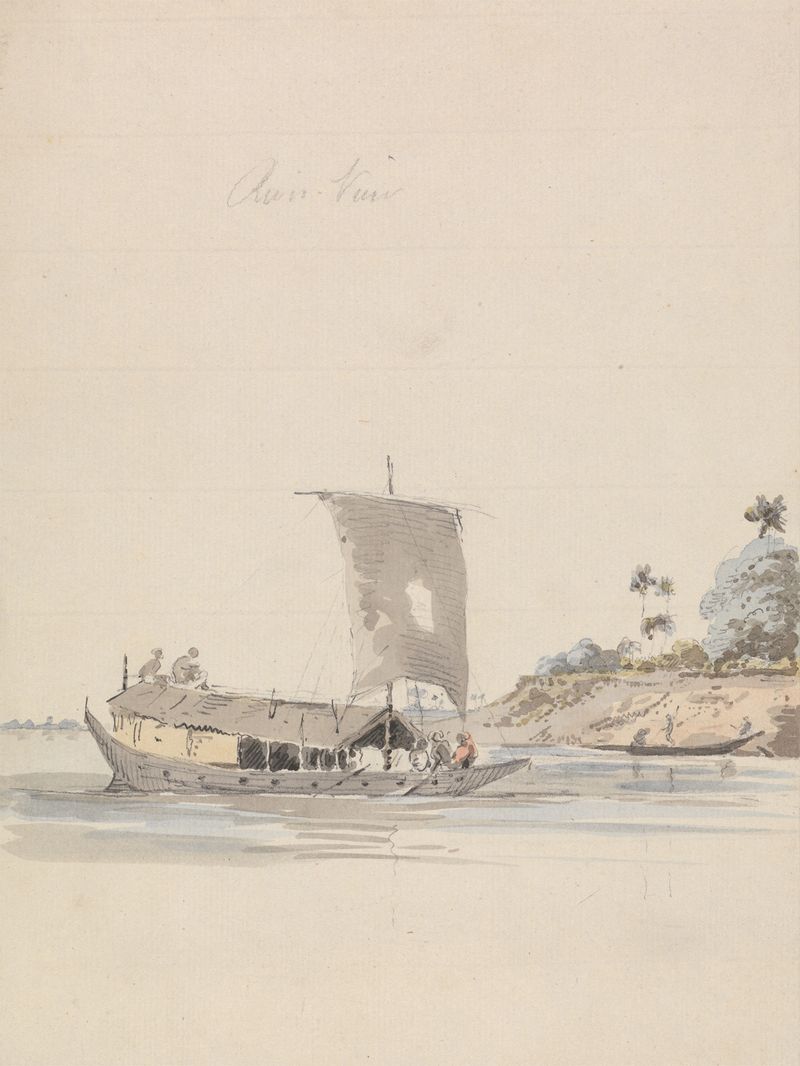
River View with a Junk (near Rajmahal)
Samuel Davis
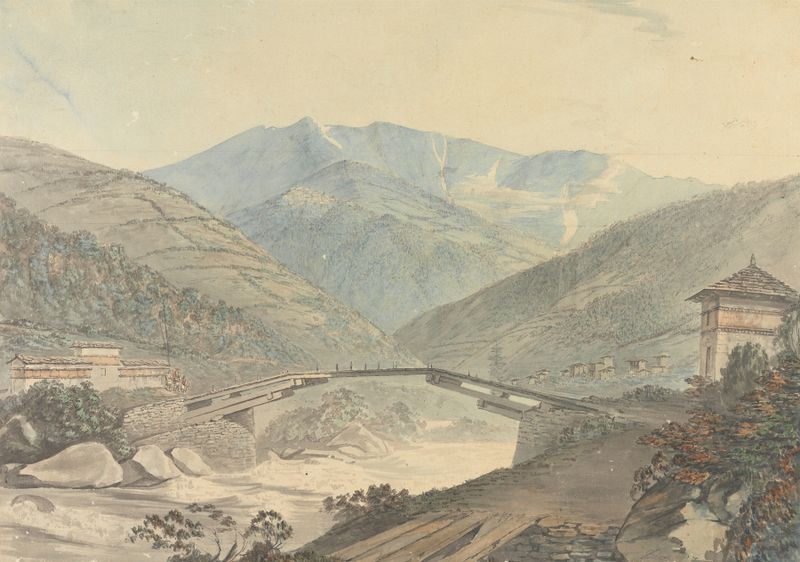
View near Tassisudon [Tashicho Dzong] in Bhutan
Samuel Davis
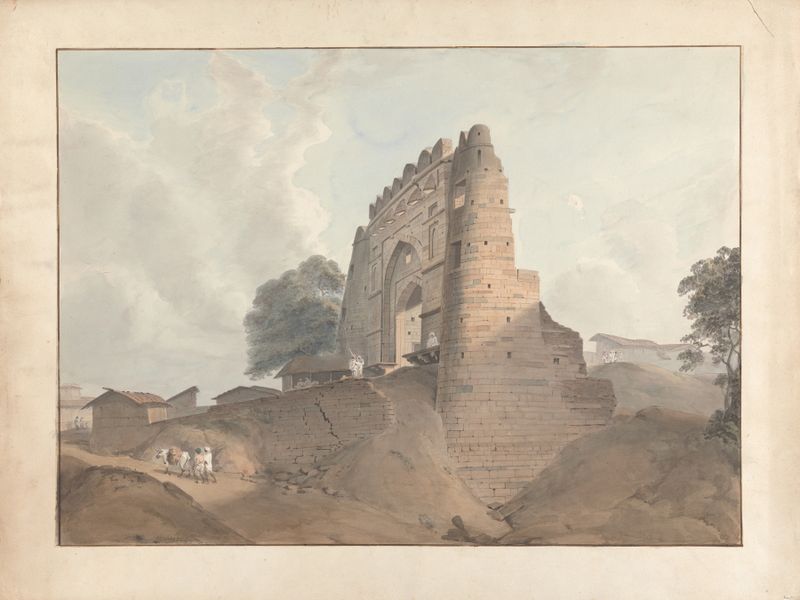
Gate of the Old Fort at Old Benares
Samuel Davis
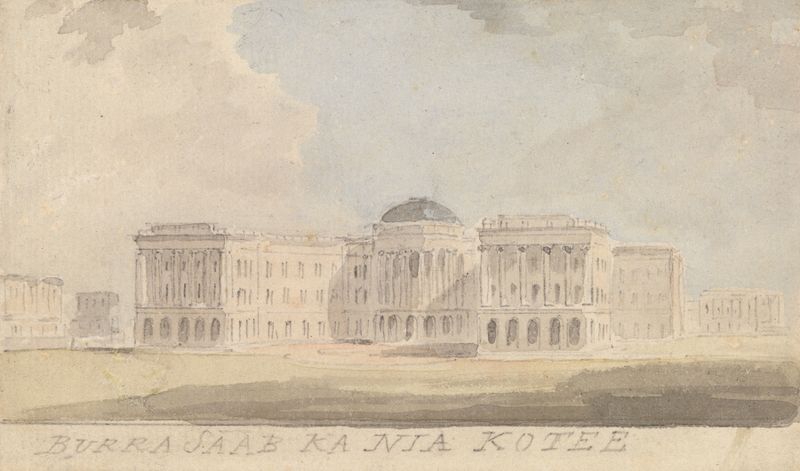
New Government House at Calcutta
Samuel Davis
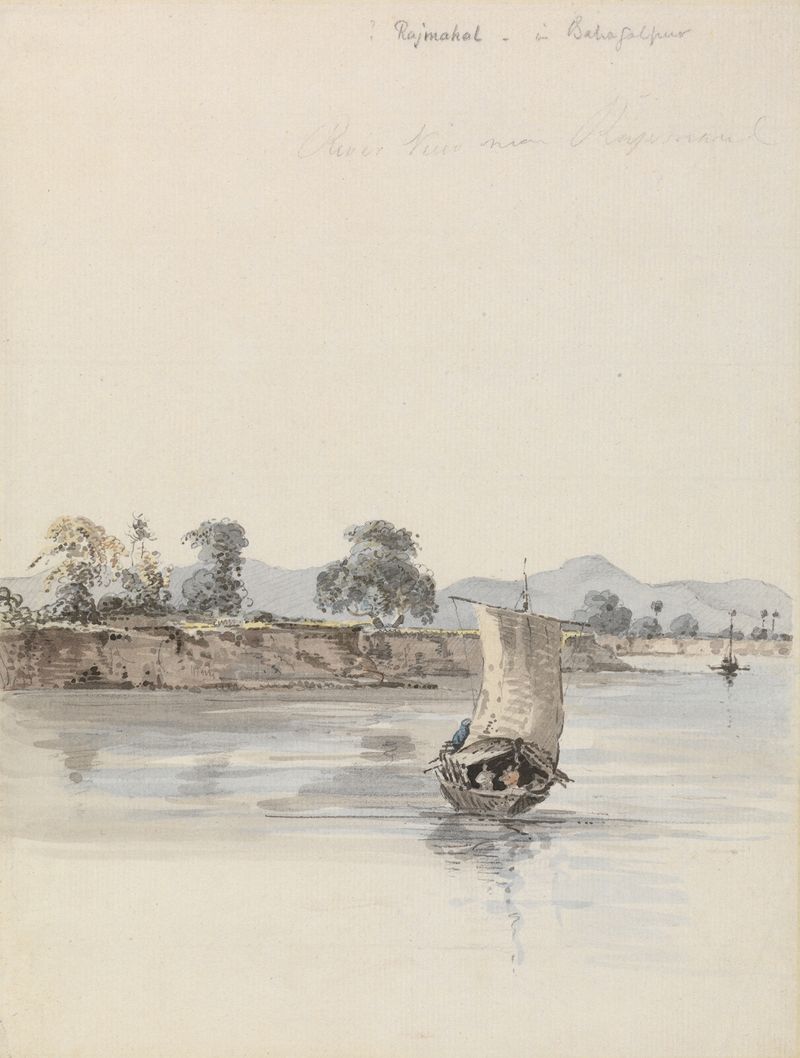
River View near Rajmahal
Samuel Davis
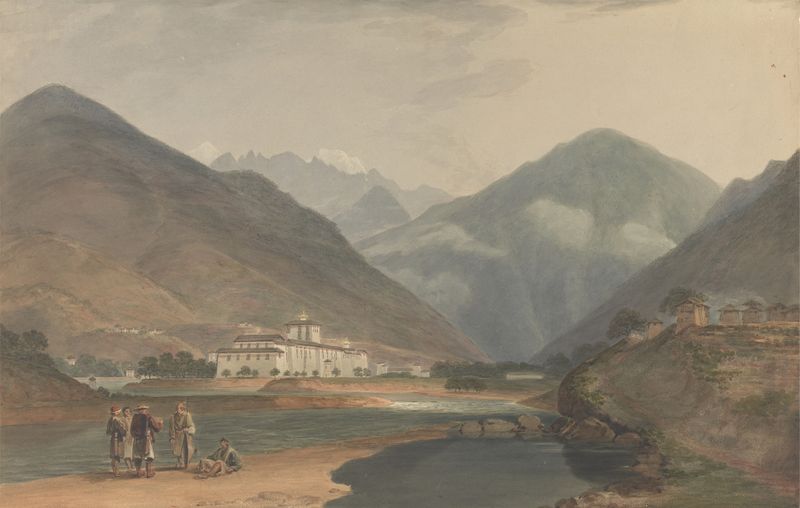
The Former Winter Capital of Bhutan at Punakha Dzong
Samuel Davis
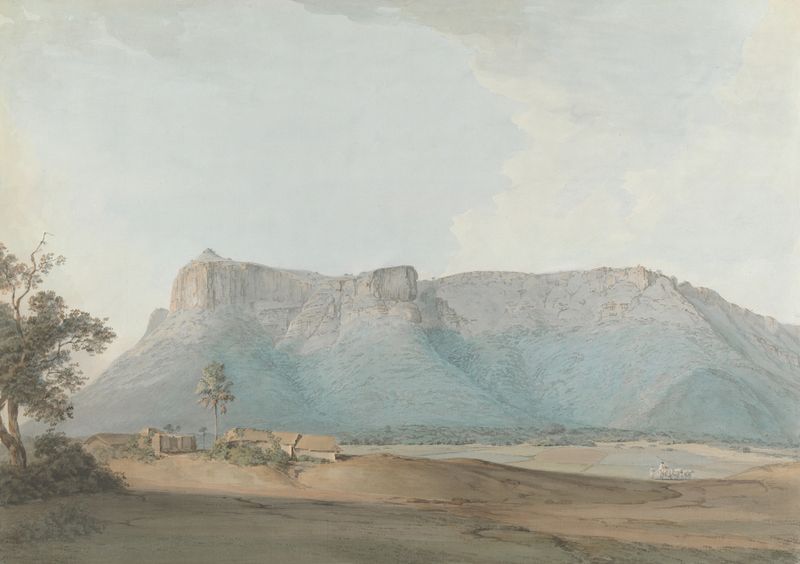
Rhotas from Akberpore
Samuel Davis
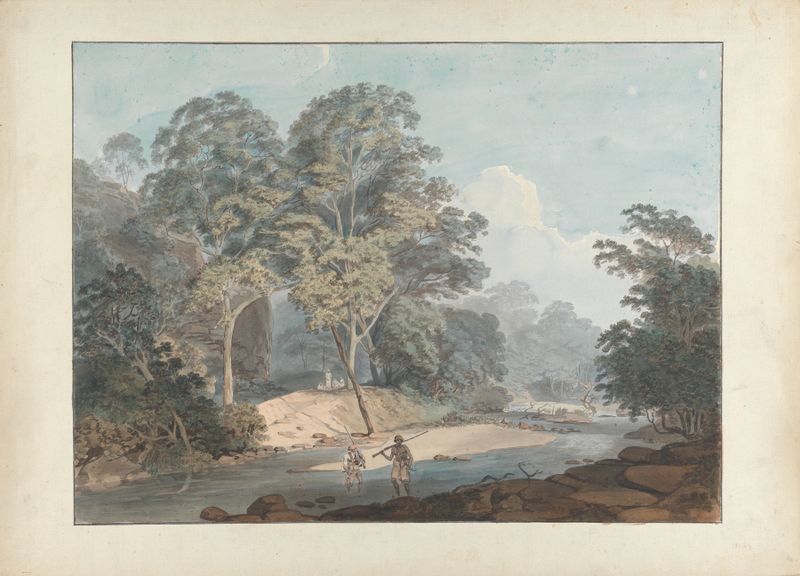
Rocky River Scene with Sepoys
Samuel Davis
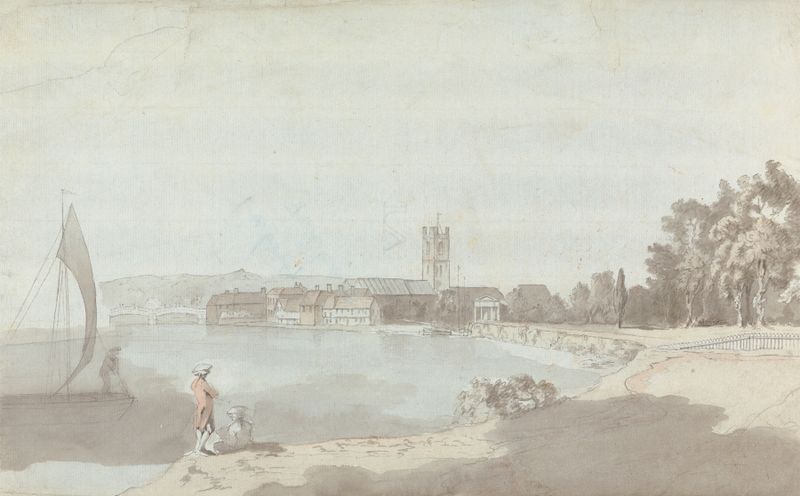
West Country Town by a River
Samuel Davis
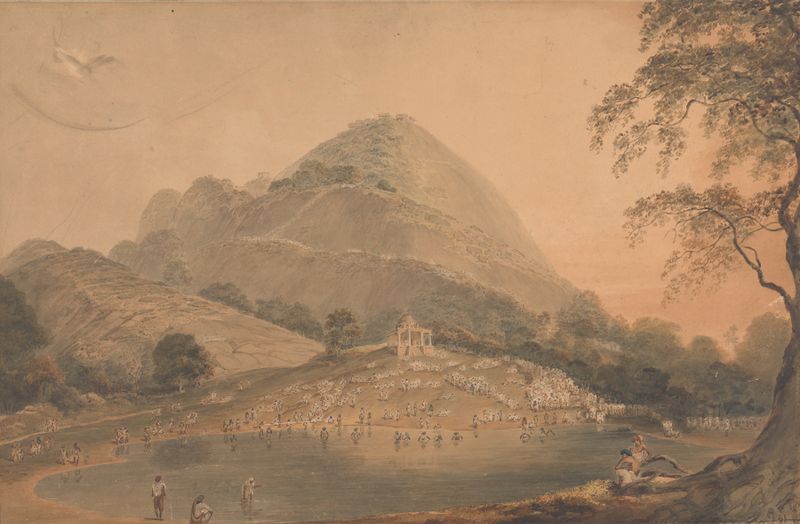
The Annual Resort of Hindoos to Mundar Hill near Bhagulpore [Bhagalpur]
Samuel Davis
More Architecture Art
Browse all →
The statue of Liberty
Frédéric Auguste Bartholdi

View of Houses in Delft, Known as ‘The Little Street’
Johannes Vermeer

View of Houses in Delft, Known as ‘The Little Street’
Johannes Vermeer

The Cathedral in Rouen. The portal, Grey Weather
Claude Monet

The yellow house
Vincent van Gogh

The Church in Auvers-sur-Oise, View from the Chevet
Vincent van Gogh