
Ancien Chateau de Villiers (Somme) — History & Facts
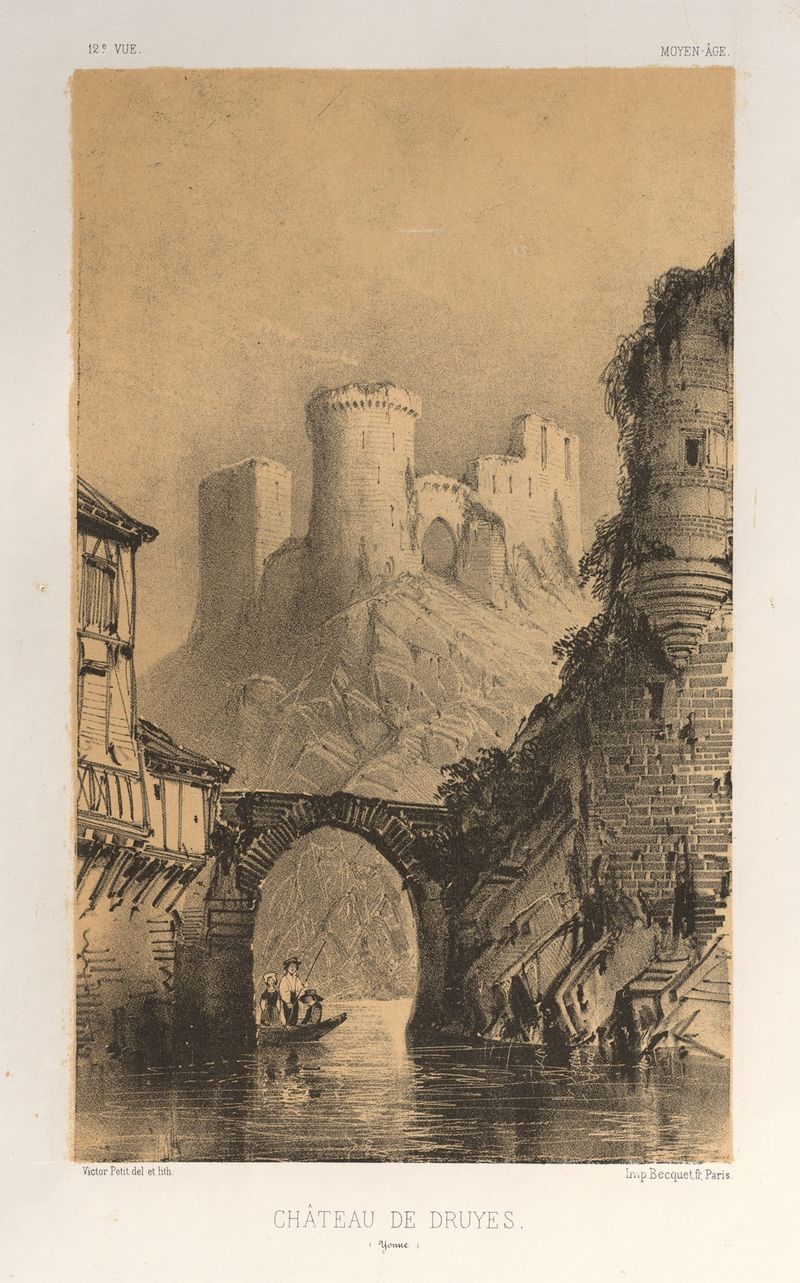
Within its stillness, a sense of apprehension lingers, urging us to confront the hidden shadows lurking beneath the surface of beauty. Focus first on the ancient chateau, its imposing structure dominating the landscape. Notice the intricate details etched into the stone, each crevice and crack echoing stories of time lost. The muted palette of earthy browns and greens envelops the scene, while delicate brushstrokes reveal the textured moss creeping up the walls, hinting at nature's relentless reclaiming.
The light filters through thick clouds, casting a somber glow that enhances the mood of isolation and eeriness. As you absorb the scene, consider the tension between the chateau’s grandeur and its decay, symbolizing both history and neglect. The juxtaposition of the serene landscape surrounding the building against its ominous presence elicits a sense of fear, as if the viewer stands on the precipice of discovering obscured secrets. Small details, like the tangled vines reaching toward the windows, suggest a forgotten past, while the absence of human figures amplifies the sense of desolation. Victor Petit painted this work in 1860, during a time when Romanticism was deeply influencing the art world.
He created it in France, capturing the essence of nostalgia and the sublime in the face of nature's omnipotence. At this point in his career, Petit was exploring emotional depth through landscapes, reflecting broader cultural anxieties about industrialization and the erosion of history, making this piece resonate with both personal and collective fears.
More Artworks by Victor Petit
Browse all →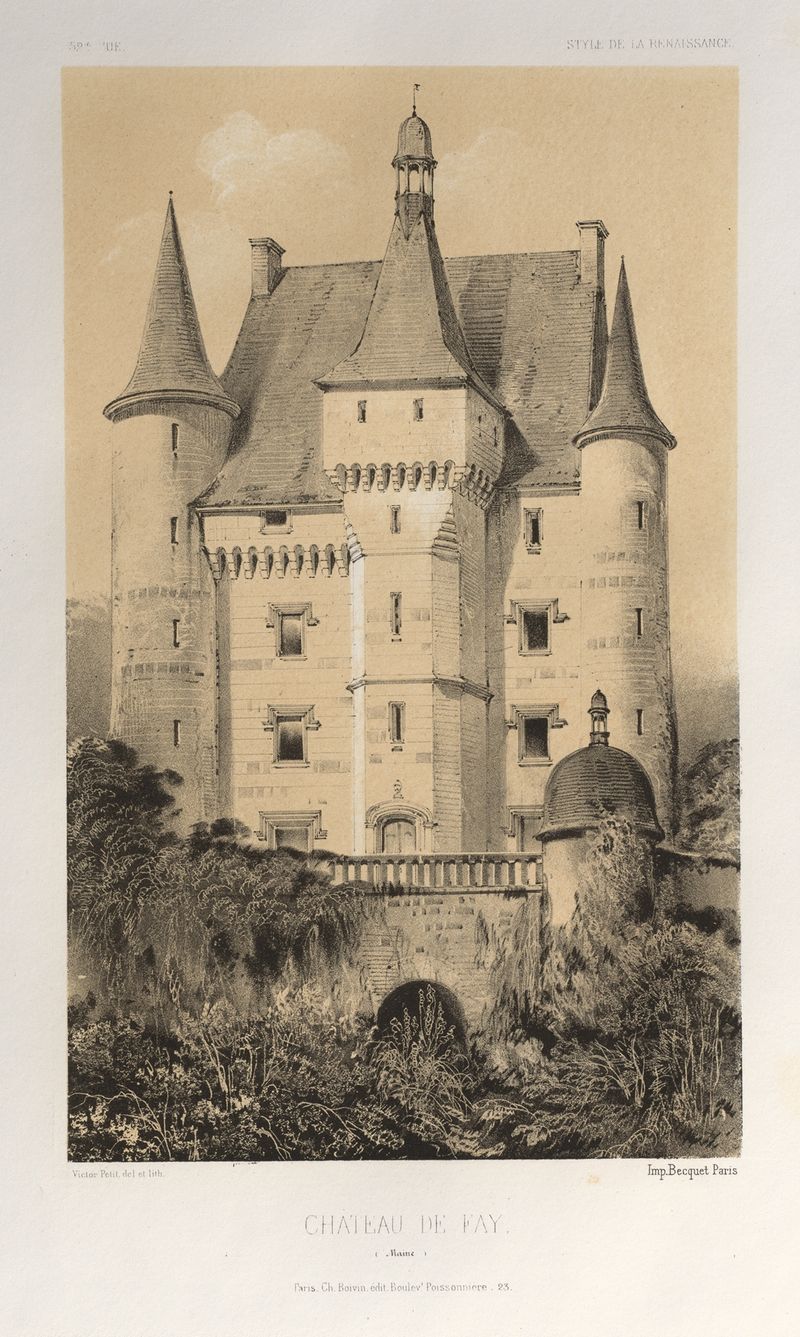
Château De Fay (Maine)
Victor Petit
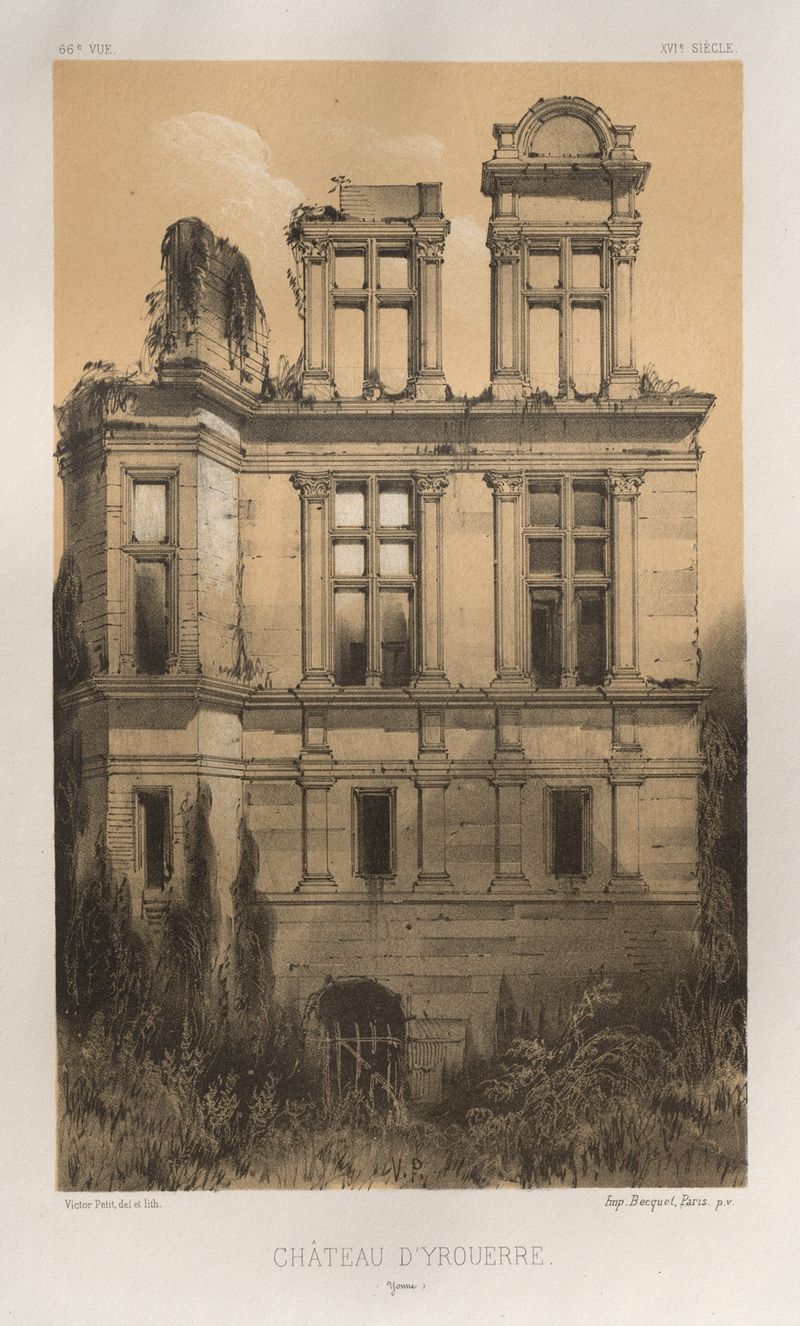
Château D’Yrouerre (Yonne)
Victor Petit
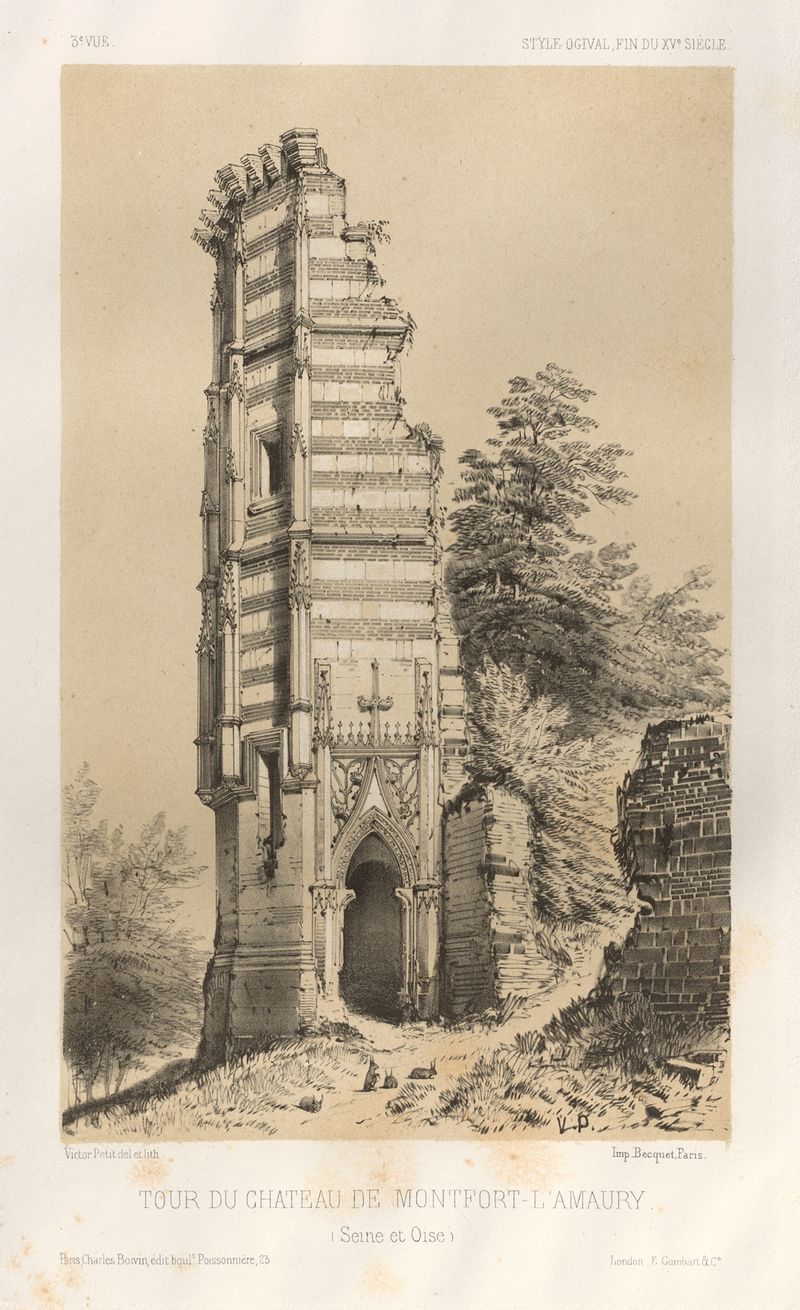
Tour du chateau de Montfort-l’Amaury (Seine-et-Oise)
Victor Petit

Tour Du Port De Marseille (Bouches Du Rhône)
Victor Petit
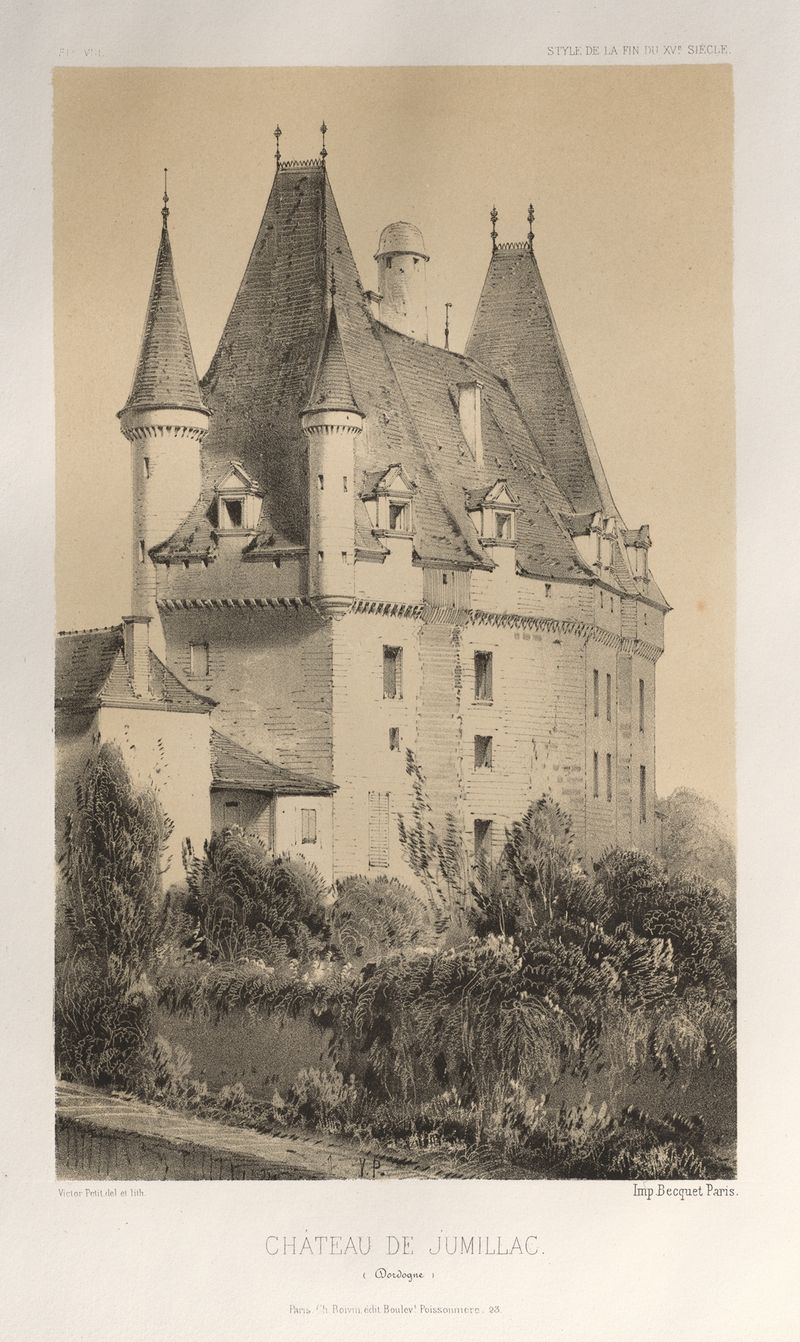
Château De Jumillac (Dordogne)
Victor Petit

Château de Tévray (Eure)
Victor Petit

Galerie Du Château De Jouancy (Saone et Loire)
Victor Petit

Château De Mello (Oise)
Victor Petit
Chateau De Druyes (Yonne)
Victor Petit

Le ChasteLet-Neuf (Corrèze)
Victor Petit
More Architecture Art
Browse all →
The statue of Liberty
Frédéric Auguste Bartholdi

View of Houses in Delft, Known as ‘The Little Street’
Johannes Vermeer

View of Houses in Delft, Known as ‘The Little Street’
Johannes Vermeer

The Cathedral in Rouen. The portal, Grey Weather
Claude Monet

The yellow house
Vincent van Gogh

The Church in Auvers-sur-Oise, View from the Chevet
Vincent van Gogh