
Château De Jumillac (Dordogne) — History & Facts
How does obsession transform the mundane into the extraordinary? In the hands of a skilled artist, the world reveals itself in layers, each brushstroke a testament to the fervor of creation. Focus your gaze on the serene yet imposing structure of the Château de Jumillac, nestled within a lush landscape. The painter’s deft application of vibrant greens and soft blues invites you to explore the interplay of nature and architecture. Notice how the dappled light dances across the building’s façade, illuminating the intricate details of its turrets, while shadows deepen the surrounding greenery, creating a dialogue between light and darkness that breathes life into the scene. Delve deeper into the contrast between the rigid lines of the Château and the fluidity of the natural elements.
The deliberate brushwork suggests a sense of reverence toward the historical edifice, yet the surrounding foliage seems almost to encroach upon it, hinting at nature's relentless reclamation. This duality reflects an obsession with both preservation and decay, articulating a tension between the man-made and the organic, and our transient presence within time. In 1860, Victor Petit painted this captivating piece while living in France, a time when the Romantic movement was evolving into Impressionism. His work reflects not just a personal journey but also the broader artistic shift toward capturing fleeting moments and emotional landscapes.
The Château stands not only as a subject of beauty but also as a symbol of obsession—a testament to the artist's dedication to portraying both grandeur and the inevitable passage of time.
More Artworks by Victor Petit
Browse all →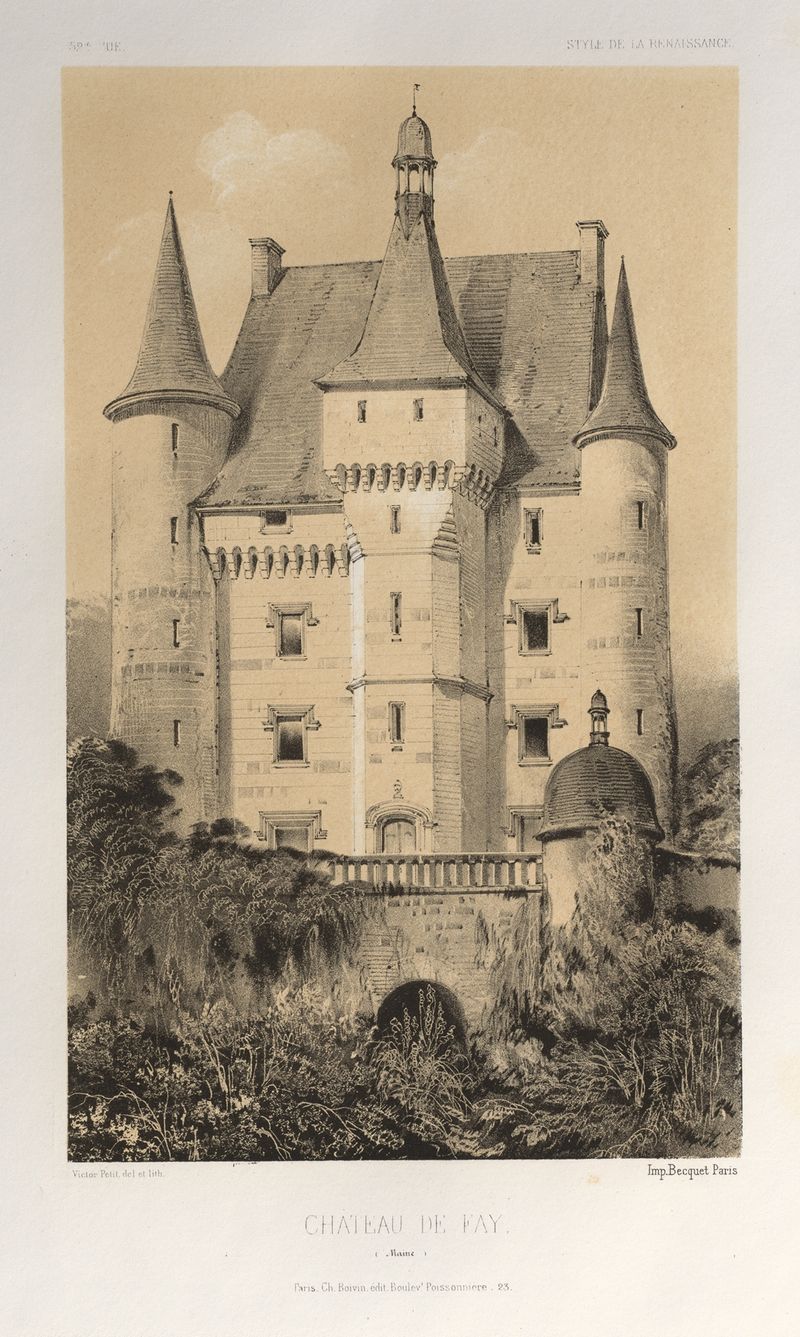
Château De Fay (Maine)
Victor Petit
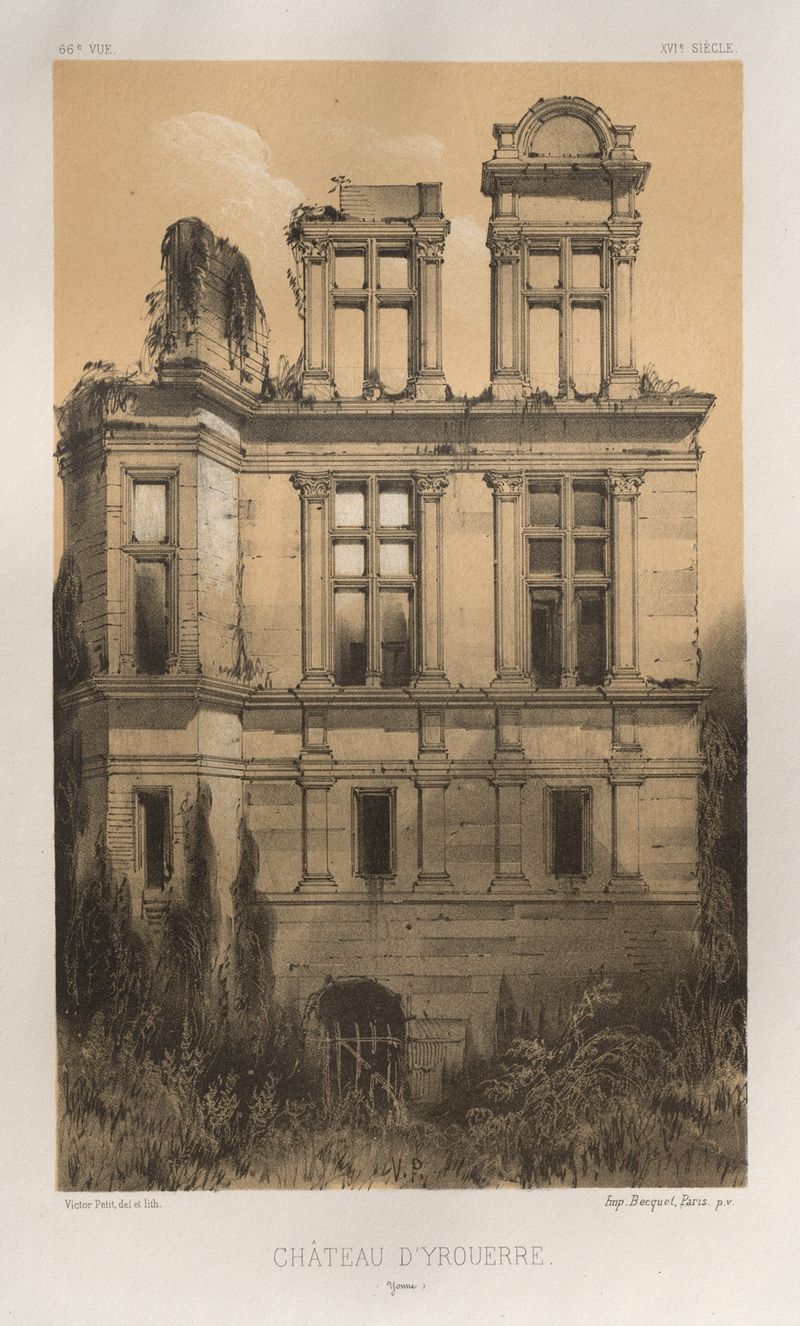
Château D’Yrouerre (Yonne)
Victor Petit
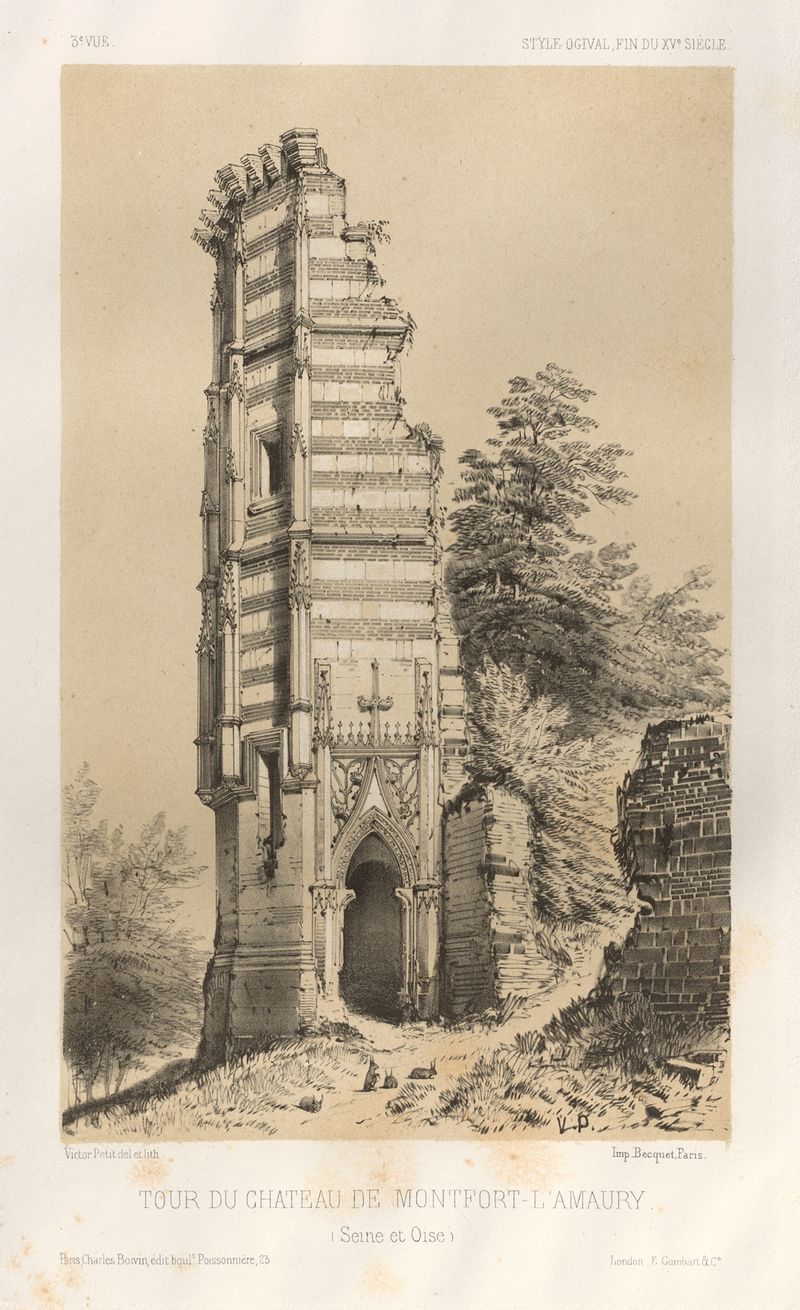
Tour du chateau de Montfort-l’Amaury (Seine-et-Oise)
Victor Petit

Tour Du Port De Marseille (Bouches Du Rhône)
Victor Petit

Château de Tévray (Eure)
Victor Petit

Galerie Du Château De Jouancy (Saone et Loire)
Victor Petit

Château De Mello (Oise)
Victor Petit
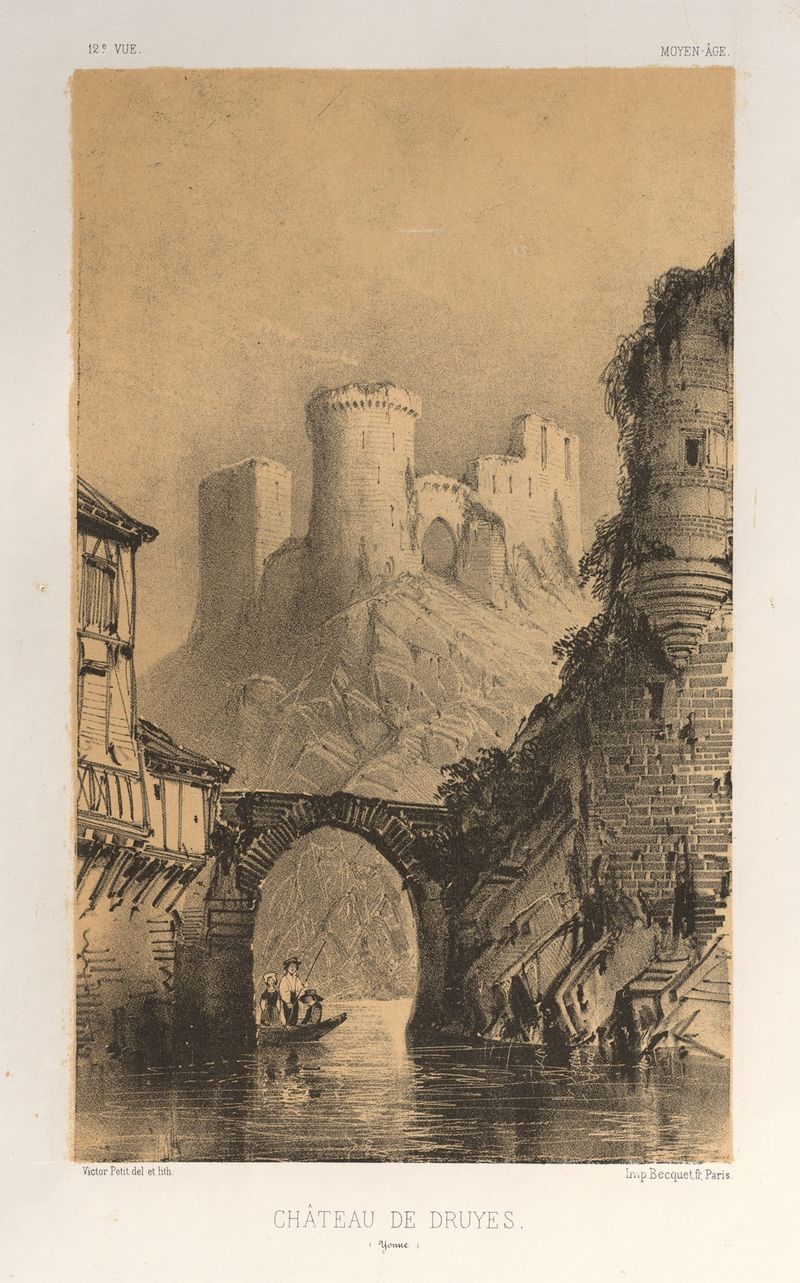
Chateau De Druyes (Yonne)
Victor Petit

Le ChasteLet-Neuf (Corrèze)
Victor Petit
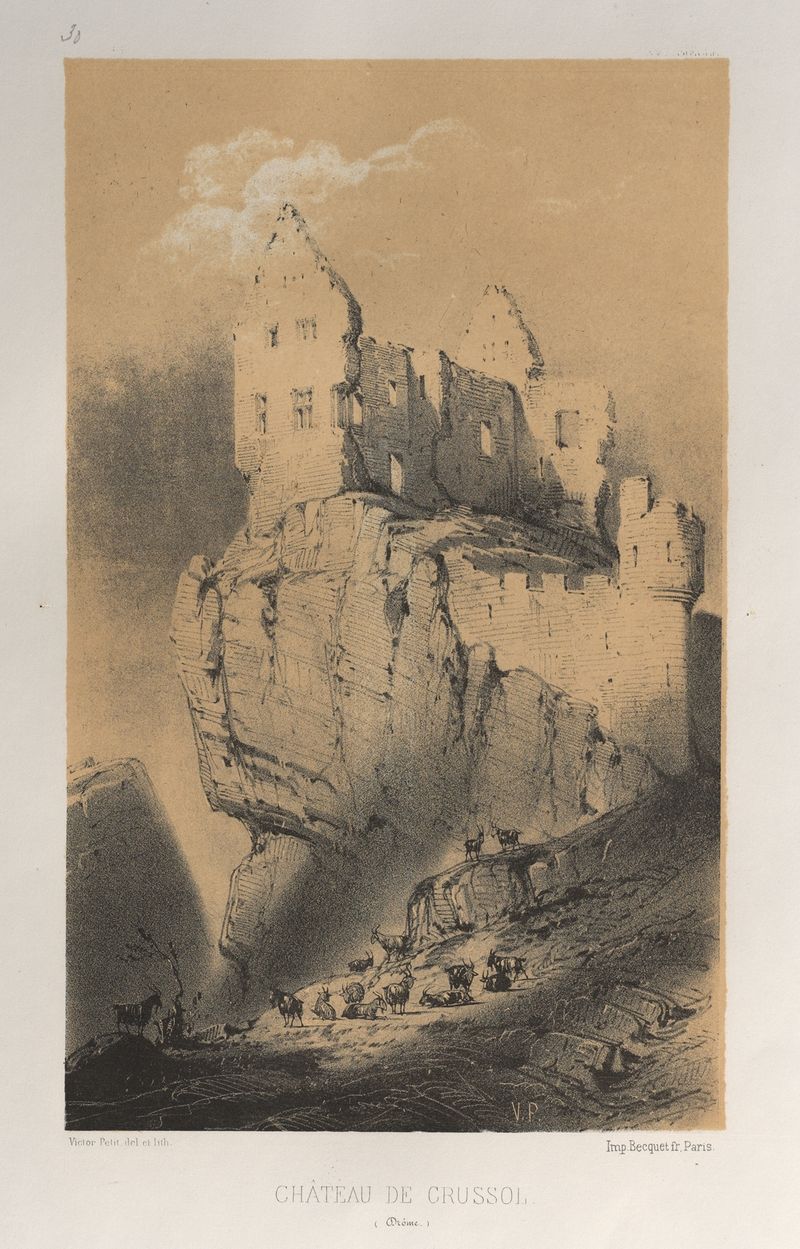
Chateau De Crussol (Drome)
Victor Petit





