
Chateau De Druyes (Yonne) — History & Facts
Could a single brushstroke hold eternity? In the world of art, every stroke tells a story, whispering secrets of time and change. Look to the upper left corner first, where the delicate morning light cascades over the ancient stones of the château, illuminating its weathered façade. The artist masterfully balances soft pastels with deeper earth tones, creating a sense of harmony amidst decay. Notice how the winding path draws the viewer’s eye toward the castle, inviting exploration while hinting at the passage of time.
The cloud formations above echo the structure’s lines, suggesting an ethereal connection between the physical and the divine. Hidden within the piece are layers of meaning that reflect a period of upheaval. The château, a symbol of feudal strength, stands resilient, yet its crumbling edges reveal the vulnerability of power. The tranquil greenery surrounding it serves as a reminder of nature’s enduring force, contrasting the man-made structure's faltering glory.
This duality mirrors the societal revolutions taking place in France during the late 19th century, where stability was being challenged, leaving both beauty and ruin in its wake. Victor Petit created this artwork in 1860, during a time when France was grappling with the aftermath of political turmoil, including the 1848 revolutions. Living and working in an era marked by change in both society and the arts, Petit was influenced by the Romantic movement, which emphasized emotion and nature. The painting reflects not only the artist's response to his environment but also a broader commentary on the shifting tides of history, encapsulated in the serene yet poignant depiction of the château.
More Artworks by Victor Petit
Browse all →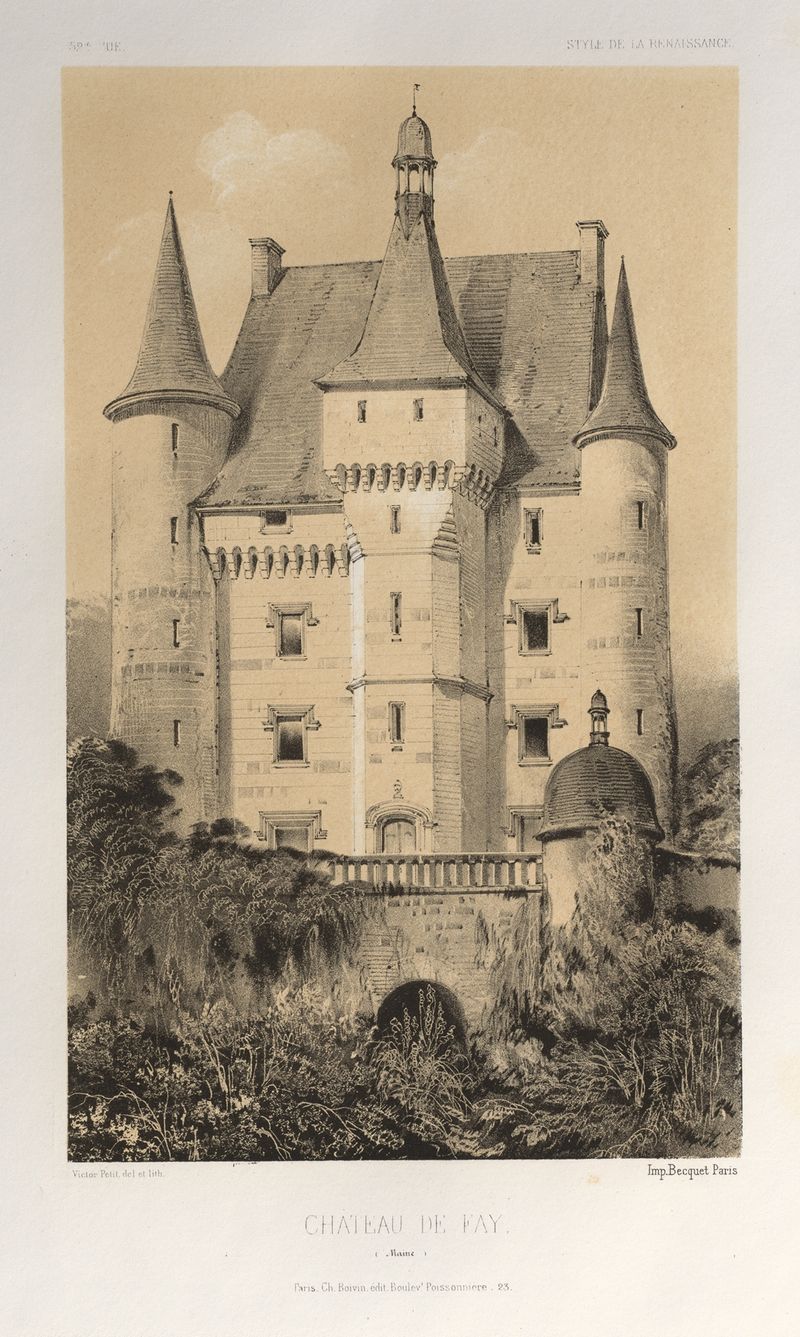
Château De Fay (Maine)
Victor Petit
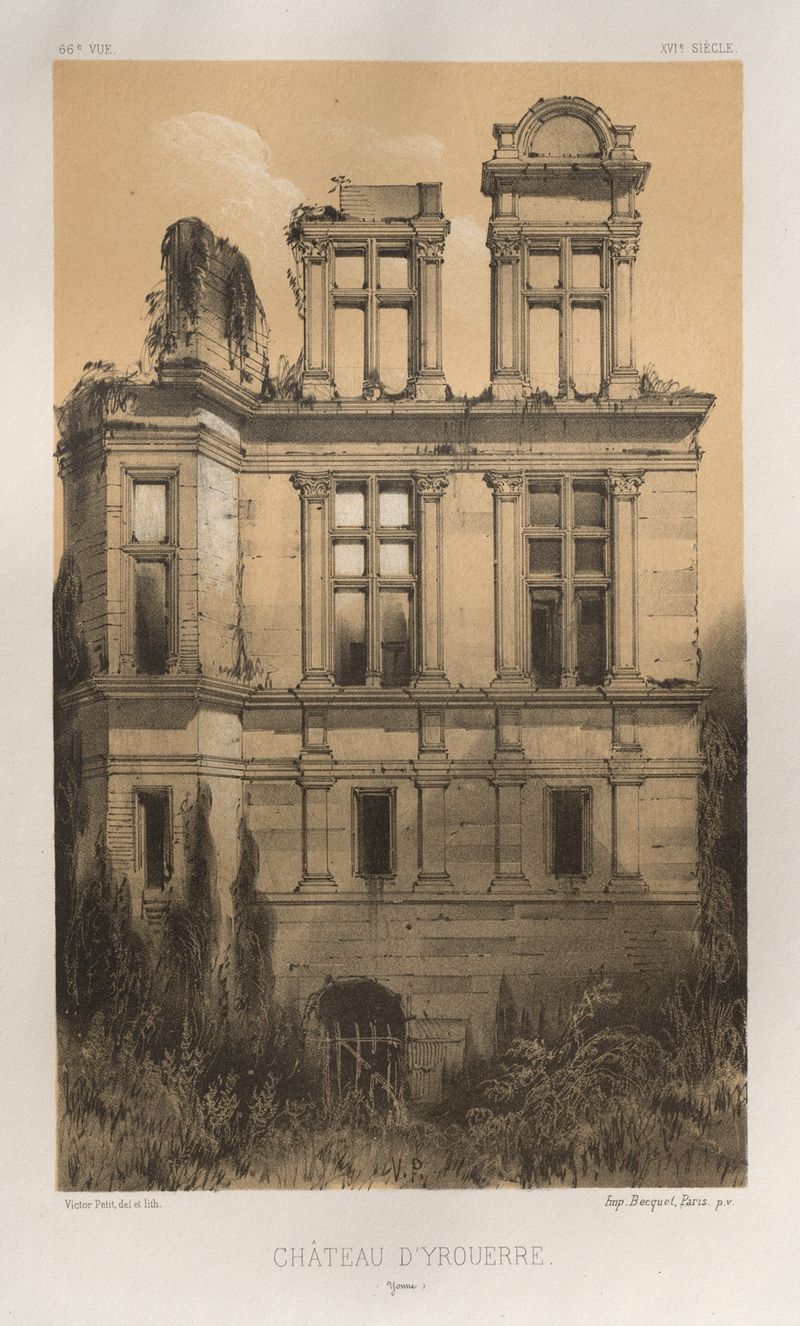
Château D’Yrouerre (Yonne)
Victor Petit
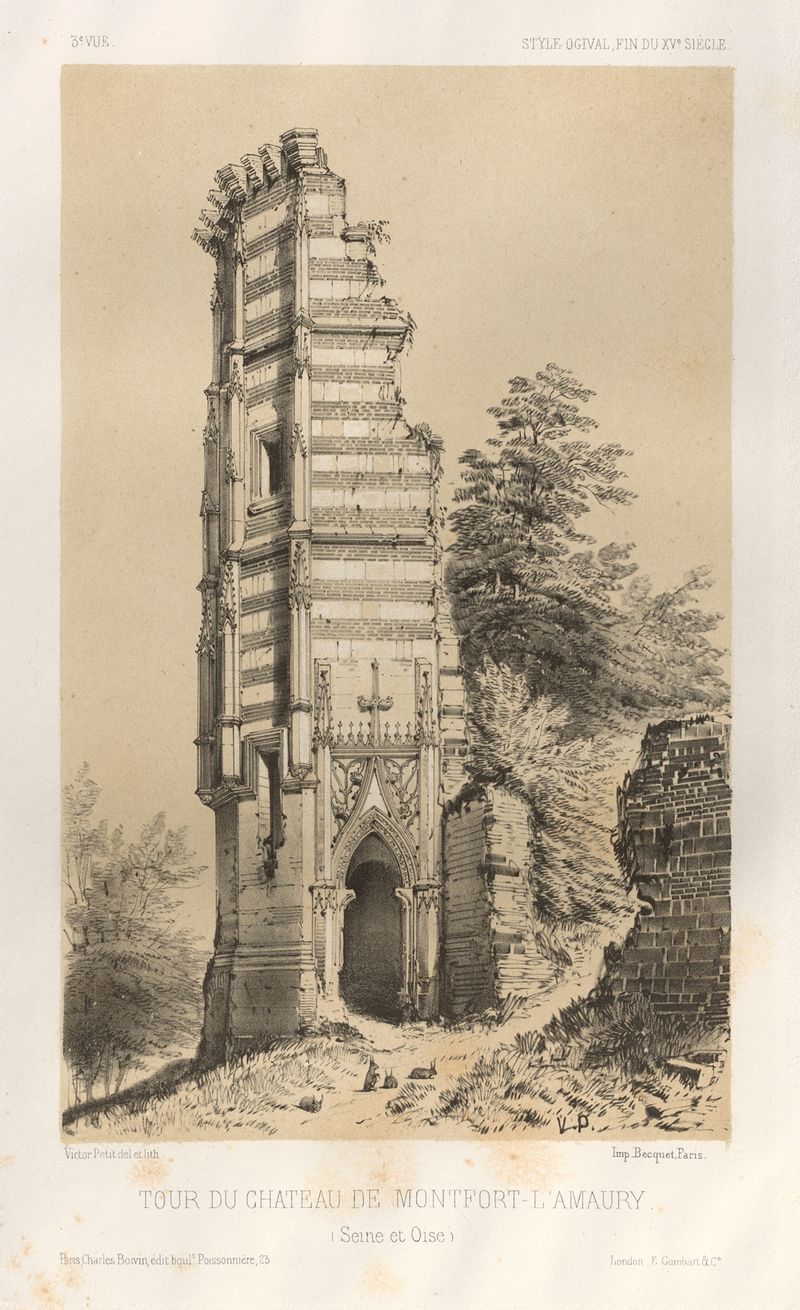
Tour du chateau de Montfort-l’Amaury (Seine-et-Oise)
Victor Petit

Tour Du Port De Marseille (Bouches Du Rhône)
Victor Petit
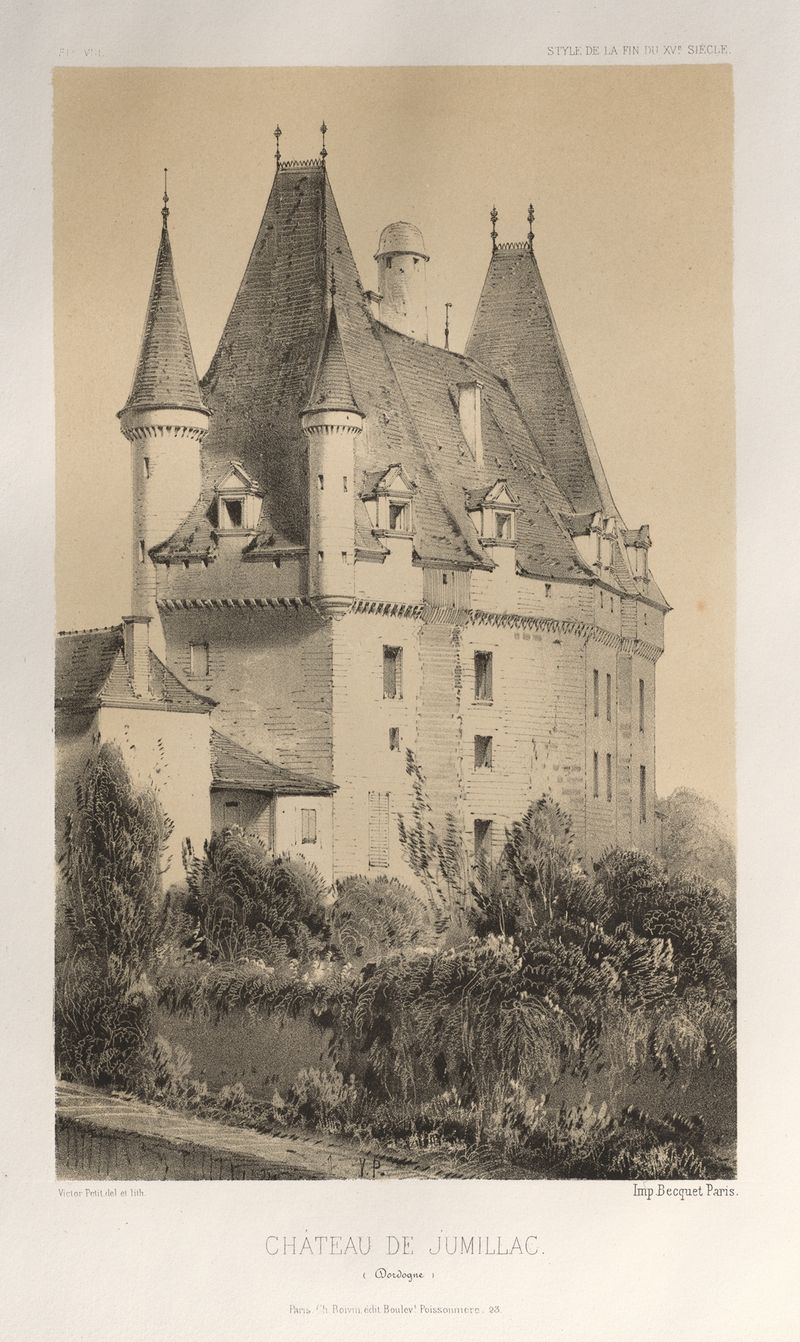
Château De Jumillac (Dordogne)
Victor Petit

Château de Tévray (Eure)
Victor Petit

Galerie Du Château De Jouancy (Saone et Loire)
Victor Petit

Château De Mello (Oise)
Victor Petit

Le ChasteLet-Neuf (Corrèze)
Victor Petit
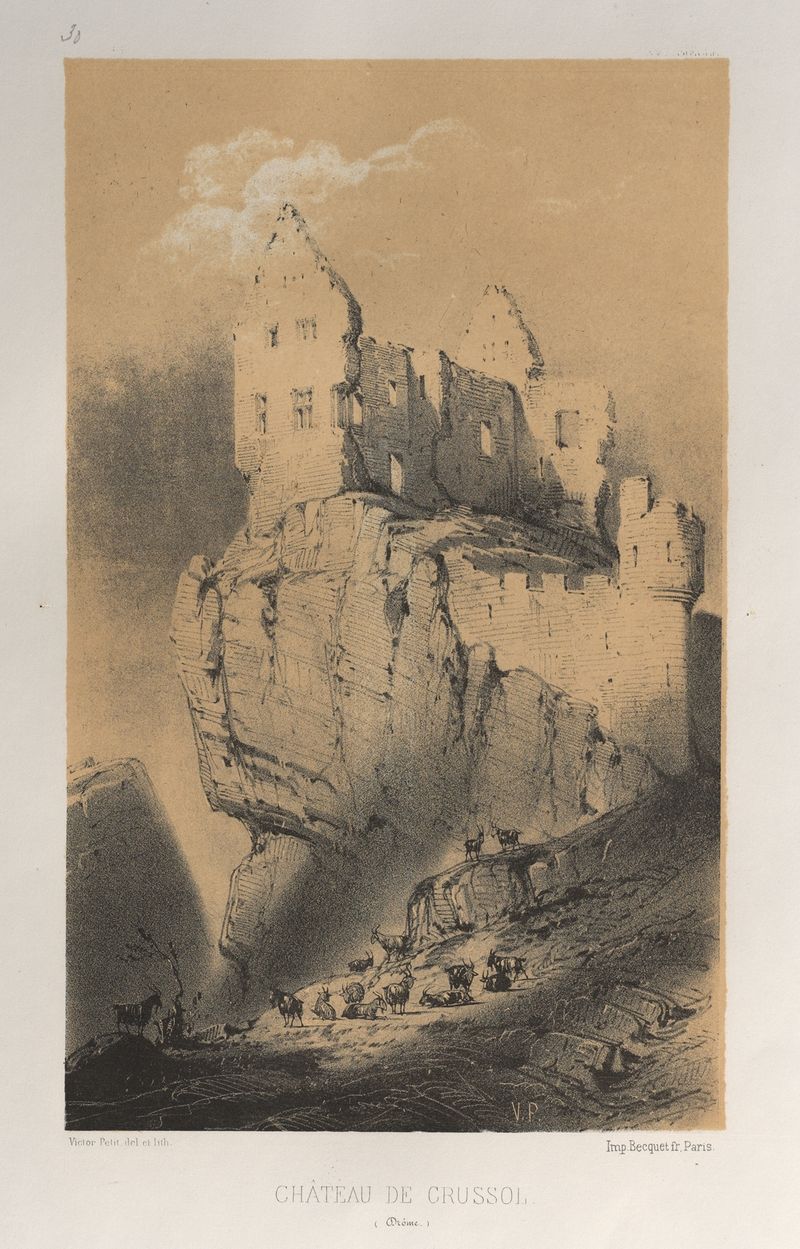
Chateau De Crussol (Drome)
Victor Petit





