
Château De Mello (Oise) — History & Facts
In the stillness of Château De Mello (Oise), an unsettling truth lingers, cloaked in the elegance of its landscape. Betrayal seeps through the vibrant colors, whispering secrets of a once-grand estate now shrouded in neglect. Look to the foreground where the crumbling facade of the château looms, its intricate stonework catching the light in a gentle caress. The lush greenery that surrounds it, a vibrant green tinged with hints of decay, seems to envelop the structure, blurring the lines between beauty and ruin.
Notice how the artist employs soft brush strokes to create a palpable tension — the sun-drenched leaves contrast sharply with the shadows that creep toward the ancient stones, suggesting both time’s passage and the weight of hidden histories. This painting reveals a complex narrative of abandonment and lost grandeur. The juxtaposition of nature's relentless growth against the château's fading elegance implies a betrayal of history itself, where memories once cherished have become lost in the ivy's embrace. Small details, like a solitary bird perched on a broken ledge or a wildflower daring to bloom amid the rubble, signify resilience amid decay, hinting at stories of love and loss that echo through the silent walls. In 1860, Victor Petit created this work during a time of significant change in France, shortly after the establishment of the Second Empire.
The art world was burgeoning with romanticism and realism, and Petit, influenced by both, sought to capture the interplay of human emotion with the natural world. He painted from a perspective steeped in the nostalgia of the past while responding to the evolving landscape of contemporary art.
More Artworks by Victor Petit
Browse all →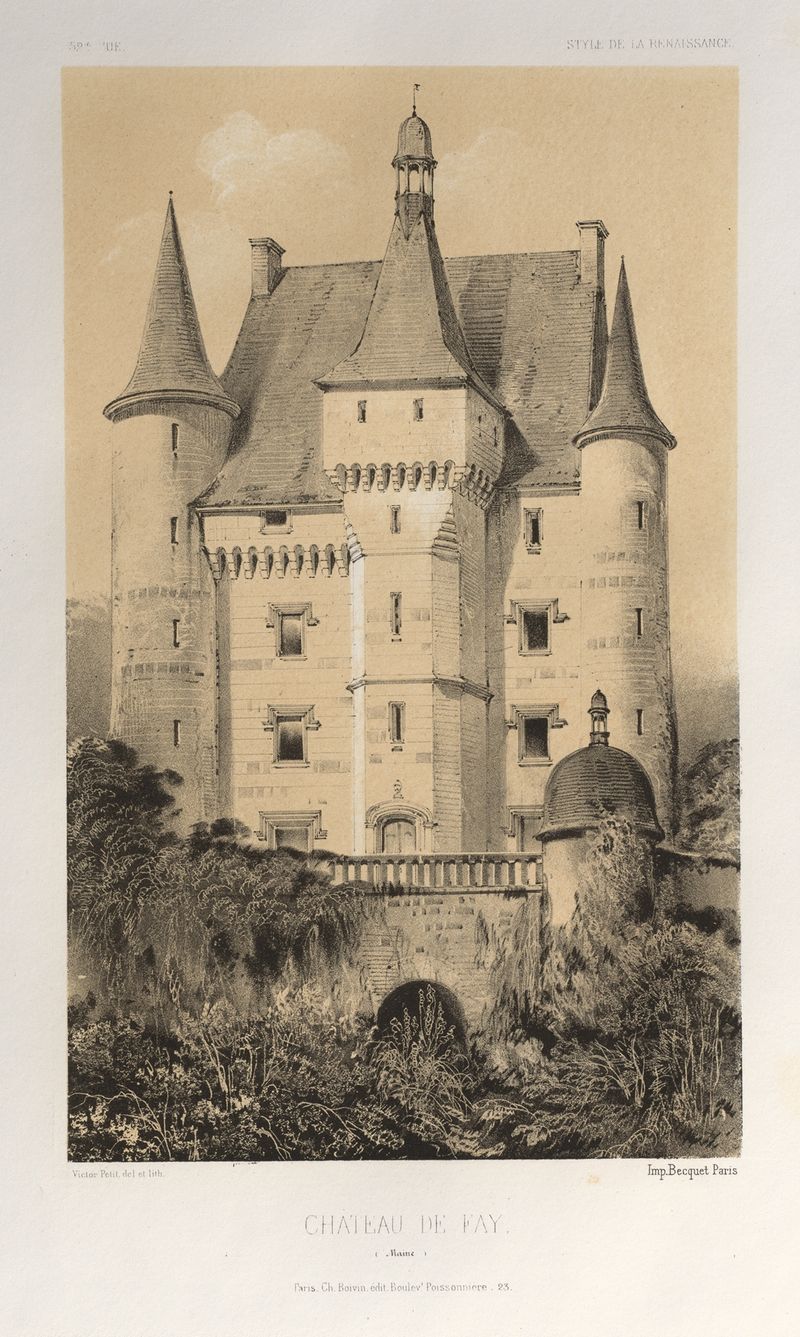
Château De Fay (Maine)
Victor Petit
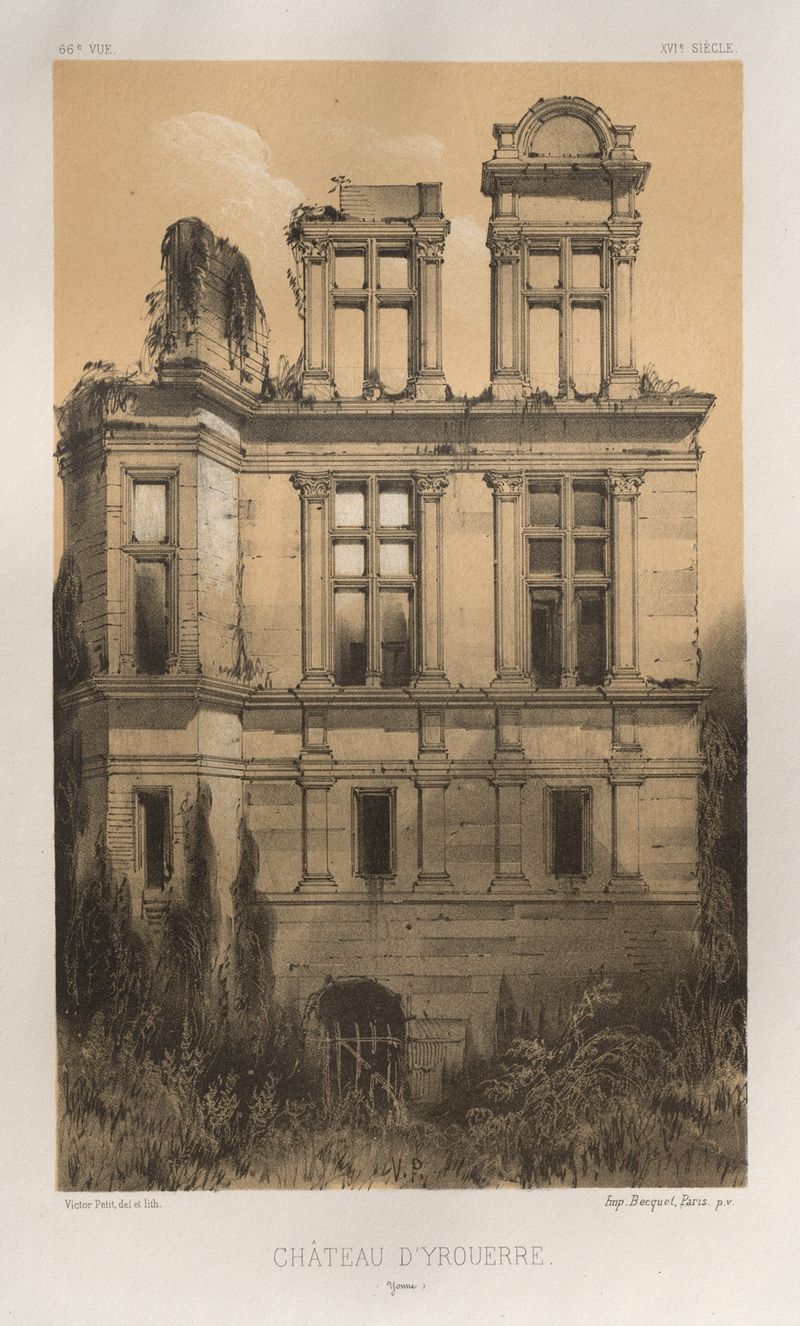
Château D’Yrouerre (Yonne)
Victor Petit
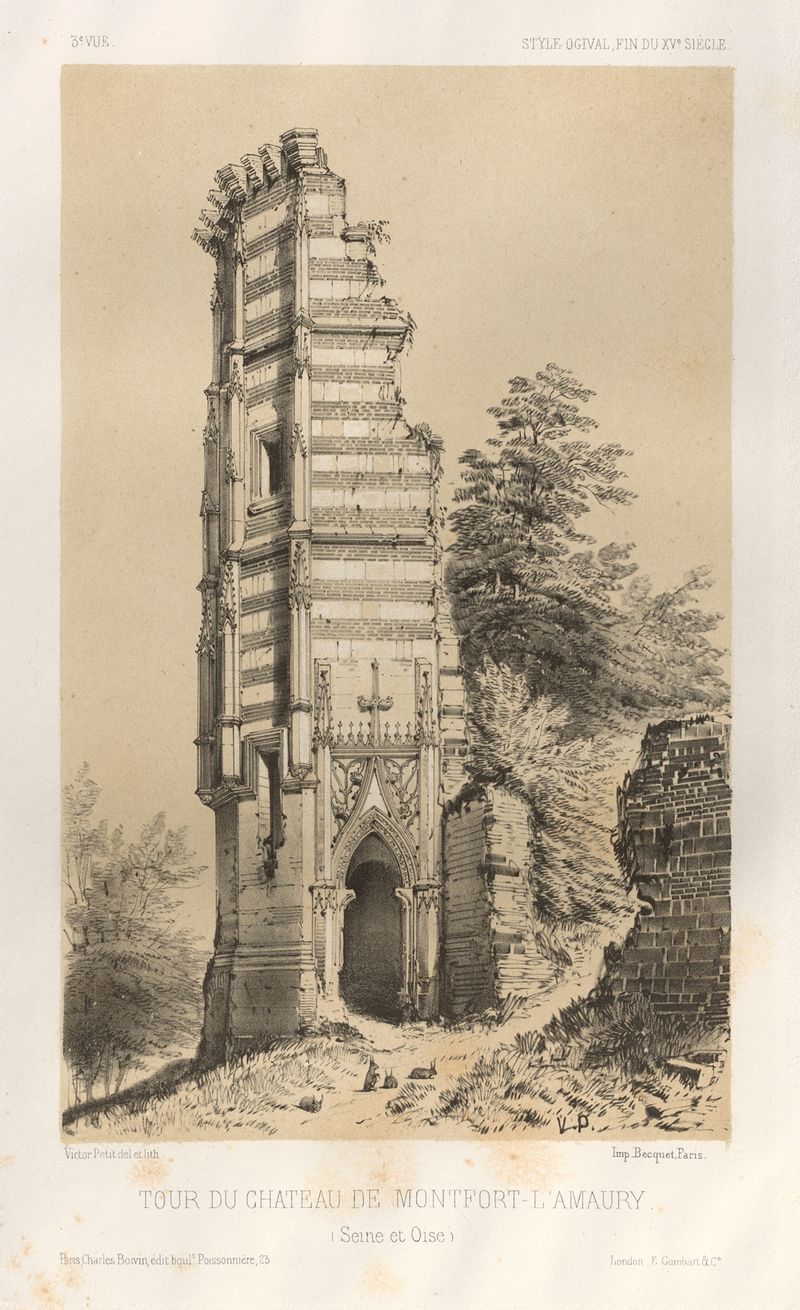
Tour du chateau de Montfort-l’Amaury (Seine-et-Oise)
Victor Petit

Tour Du Port De Marseille (Bouches Du Rhône)
Victor Petit
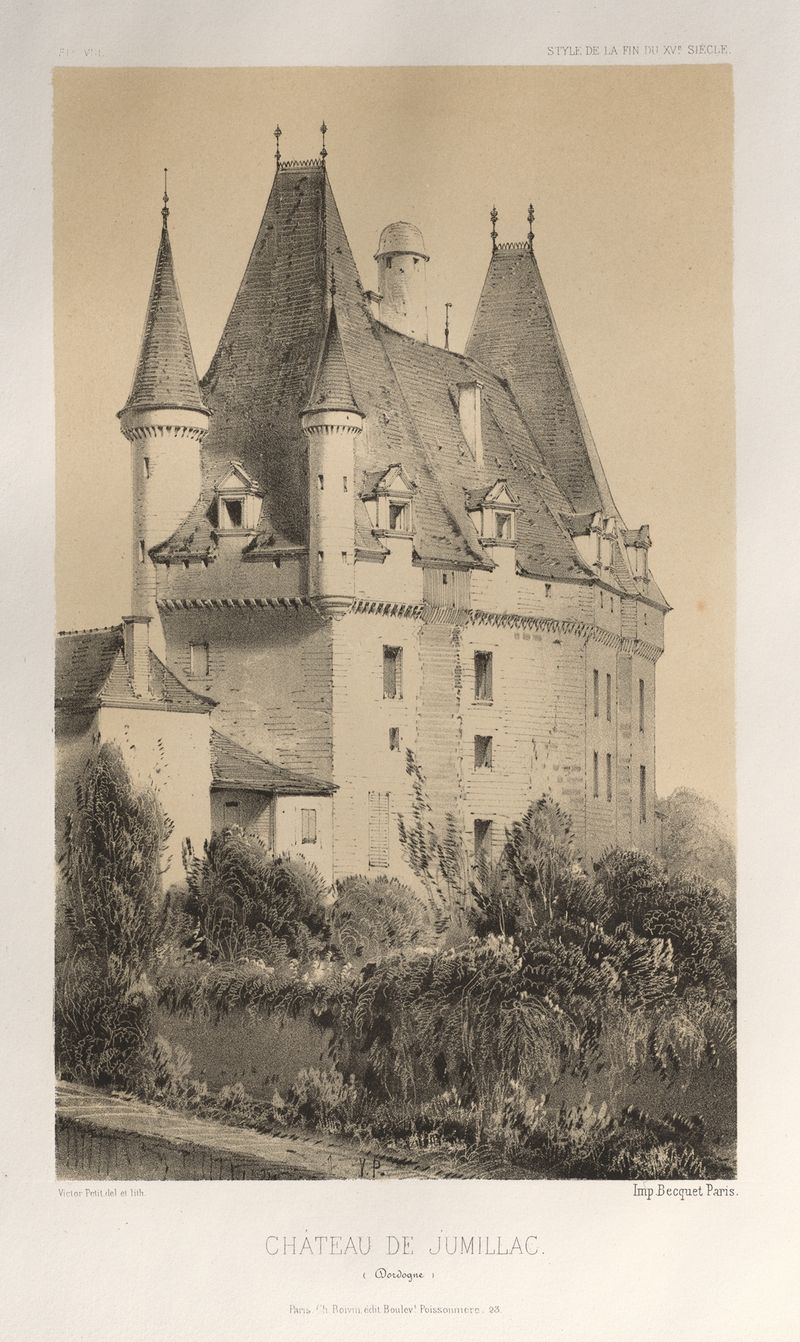
Château De Jumillac (Dordogne)
Victor Petit

Château de Tévray (Eure)
Victor Petit

Galerie Du Château De Jouancy (Saone et Loire)
Victor Petit
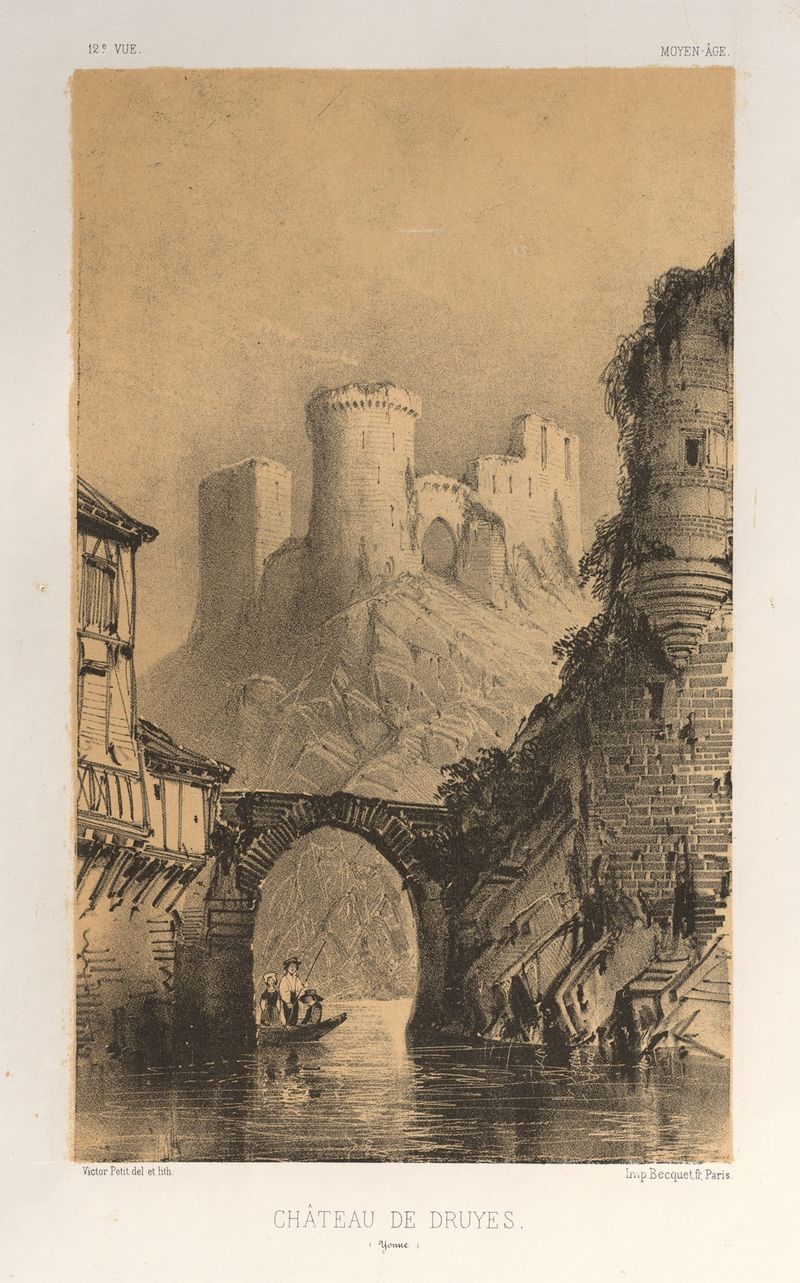
Chateau De Druyes (Yonne)
Victor Petit

Le ChasteLet-Neuf (Corrèze)
Victor Petit
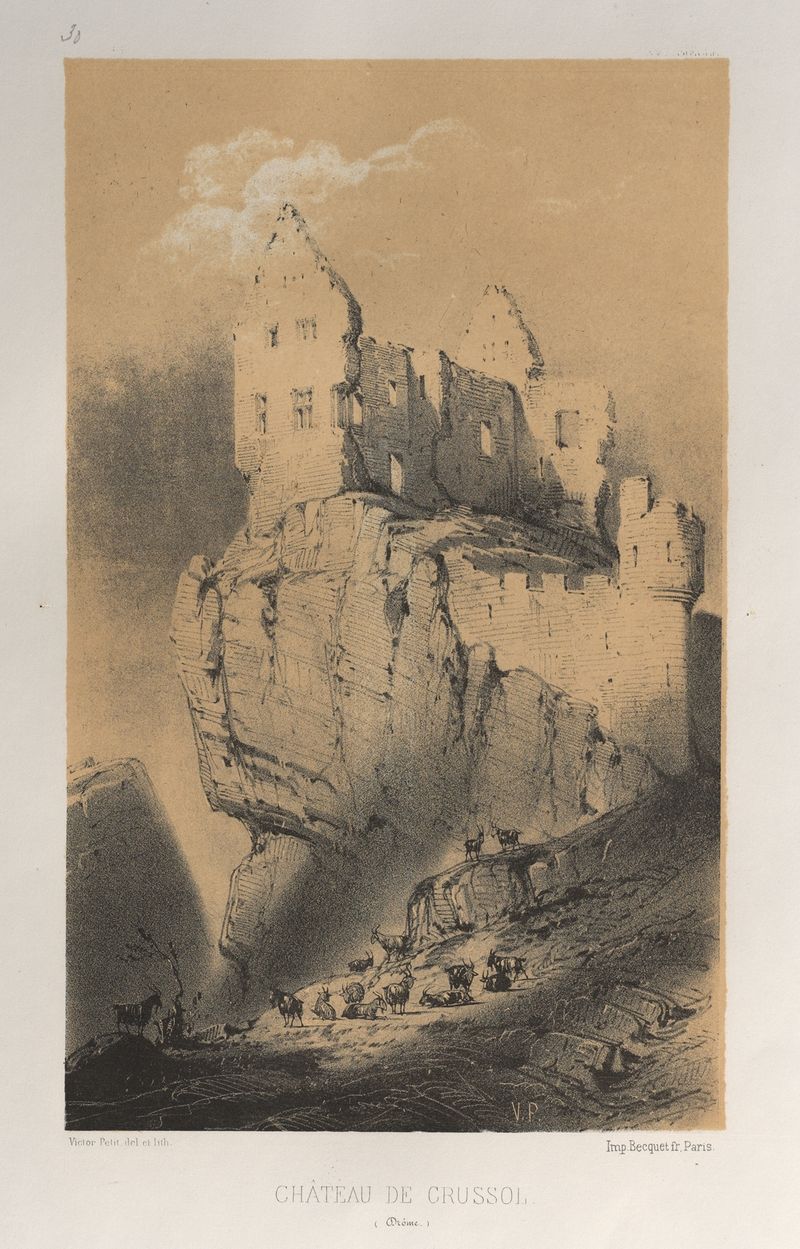
Chateau De Crussol (Drome)
Victor Petit





