
Ancient Ruins near Messina,Sicily — History & Facts
In moments of stillness, we find a balance that eludes our daily lives, and this piece embodies that very essence. Look closely at the intricate brushwork that defines the weathered stones of the ancient ruins. The artist meticulously captures the play of light and shadow across the crumbling facades, drawing your gaze to the fading arches that speak of time's relentless passage. Notice how the muted palette of earthy browns and soft grays harmonizes with the distant landscape, creating a sense of unity between the remnants of human endeavor and the natural world that surrounds them. Beneath the surface lies a poignant commentary on transience and resilience.
These ruins reflect not just architectural aspirations but also the fragility of human existence against the backdrop of eternity. The juxtaposition of decay and the majestic Sicilian landscape invites contemplation on what endures and what is lost. The delicate balance between nature and human creation evokes a profound sense of nostalgia, as if the stones themselves whisper stories of those who once walked among them. In 1842, Jean-Charles Joseph Rémond was entrenched in the romantic movement, influenced by the burgeoning interest in Italy’s classical past.
Painted in Sicily, during a period of political and cultural upheaval in Europe, this work reflects both personal and societal quests for identity. The artist sought not only to capture beauty but also to engage with the deeper historical narratives that shaped his world, standing at a crossroads of tradition and modernity.
More Artworks by Jean-Charles Joseph Rémond
Browse all →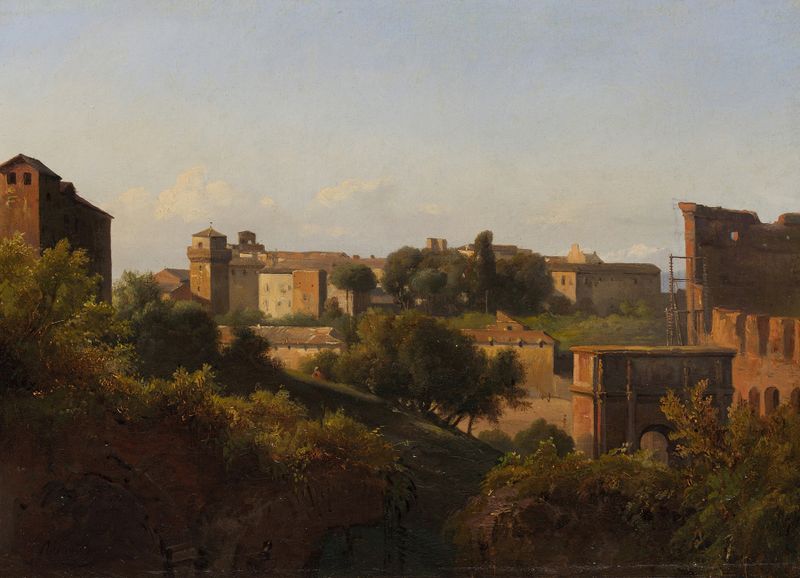
View of the Colosseum and the Arch of Constantine from the Palatine
Jean-Charles Joseph Rémond
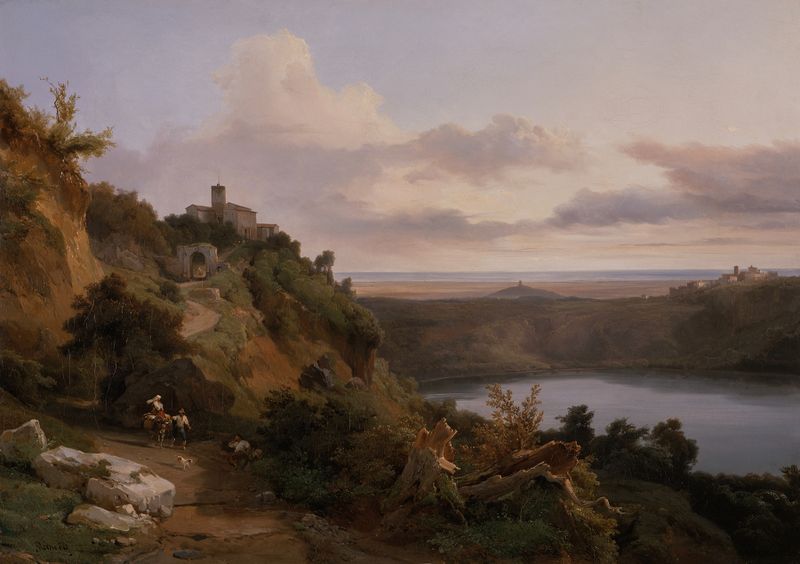
Lake Nemi
Jean-Charles Joseph Rémond
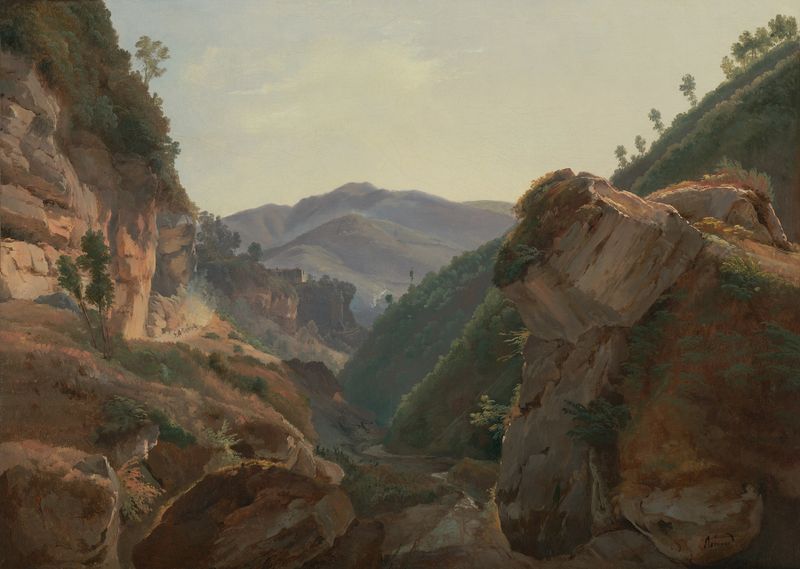
Mountain Landscape with Road to Naples
Jean-Charles Joseph Rémond
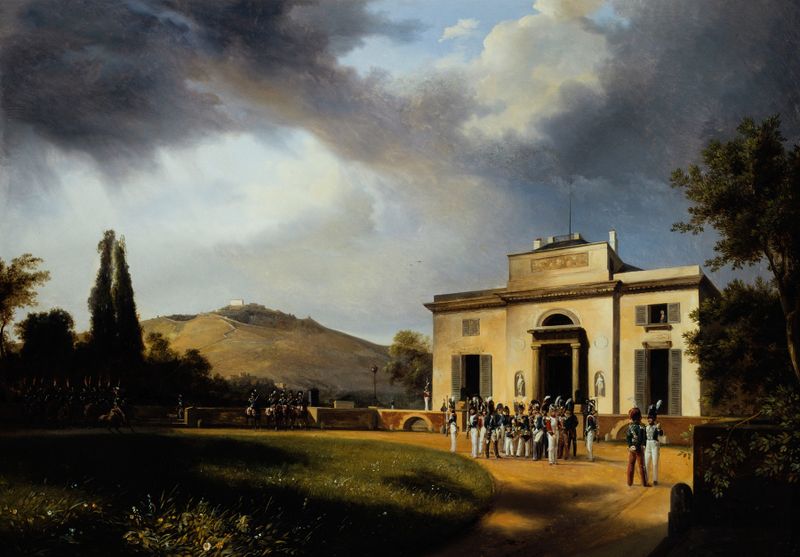
Le Pavillon de Bagatelle, actuel Bois de Boulogne, actuel 16ème arrondissement
Jean-Charles Joseph Rémond

View of Ischia from the Sea
Jean-Charles Joseph Rémond

The Death of Captain Cook
Jean-Charles Joseph Rémond

Entrance to the Grotto of Posilipo
Jean-Charles Joseph Rémond
More Architecture Art
Browse all →
The statue of Liberty
Frédéric Auguste Bartholdi

View of Houses in Delft, Known as ‘The Little Street’
Johannes Vermeer

View of Houses in Delft, Known as ‘The Little Street’
Johannes Vermeer

The Cathedral in Rouen. The portal, Grey Weather
Claude Monet

The yellow house
Vincent van Gogh

The Church in Auvers-sur-Oise, View from the Chevet
Vincent van Gogh