
The Death of Captain Cook — History & Facts
A tumultuous tide crashes against the rugged shore, echoing the chaos of battle. A great captain lies sprawled across the sand, his lifeblood rapidly ebbing away amidst the gathering shadows of his crew. Faces, etched with horror and disbelief, loom over him, their gestures frozen in a moment of heartbreak and reverence, the fading daylight casting an eerie glow that magnifies the weight of the scene. Look to the center where the body of the captain rests, draped in a striking white shirt that starkly contrasts with the darkening landscape.
The artist employs a rich palette of muted earth tones, punctuated by the bright red of the figures surrounding him. Notice how the composition guides your gaze toward the outstretched hand of Cook, reaching for something beyond reach—inviting reflection on sacrifice and loss. The dynamic interplay of light and darkness accentuates the tension, drawing attention to the raw emotion captured within this fleeting moment. Within the painted chaos, subtle details reveal deeper meanings: the anguish in the faces of his men speaks to loyalty shattered by violence, while the distant, blurred figure of the aggressor hints at the broader conflict of colonization and cultural clash.
The juxtaposition of life against the backdrop of death holds a mirror to the human condition—echoing the awe of exploration and the tragedy of its consequences, leaving viewers to ponder the cost of ambition and conquest. Rémond crafted this poignant piece during a time when the world was grappling with the consequences of imperial endeavors. While the specific date remains elusive, it reflects the sentiments felt in the late 18th century, a period marked by exploration, discovery, and the ethical dilemmas surrounding it. The painting stands as a powerful commentary on heroism and mortality, resonating deeply with the complexities of its era and providing insight into the artist’s concerns about the human experience.
More Artworks by Jean-Charles Joseph Rémond
Browse all →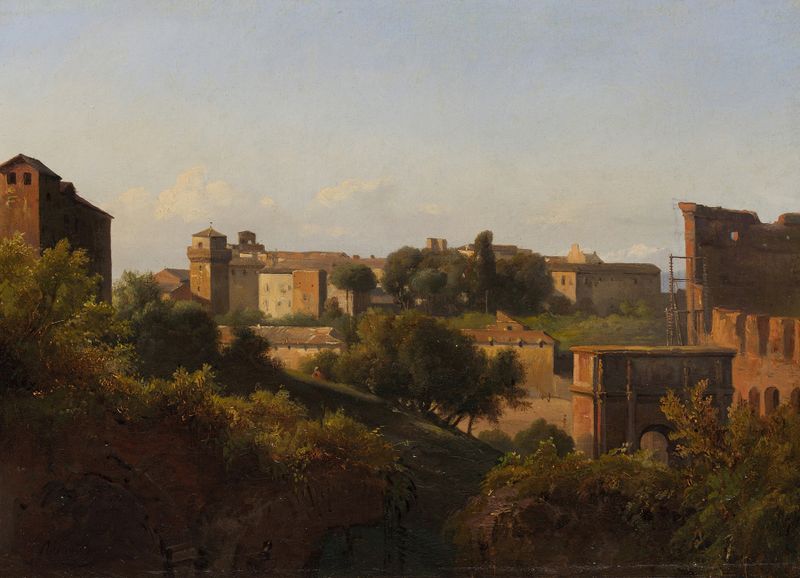
View of the Colosseum and the Arch of Constantine from the Palatine
Jean-Charles Joseph Rémond
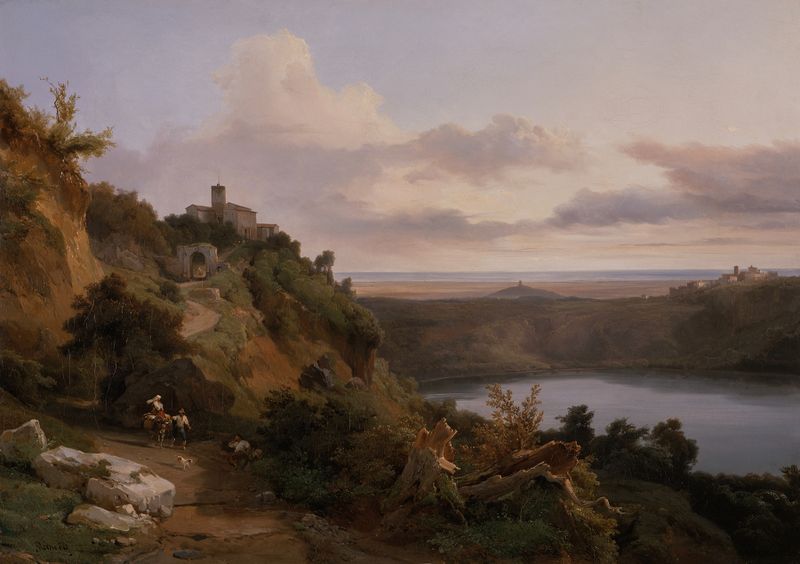
Lake Nemi
Jean-Charles Joseph Rémond
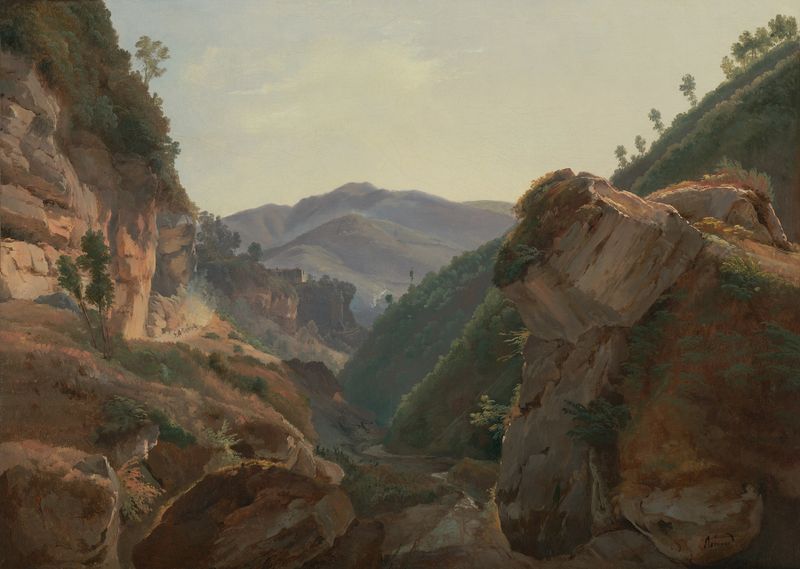
Mountain Landscape with Road to Naples
Jean-Charles Joseph Rémond
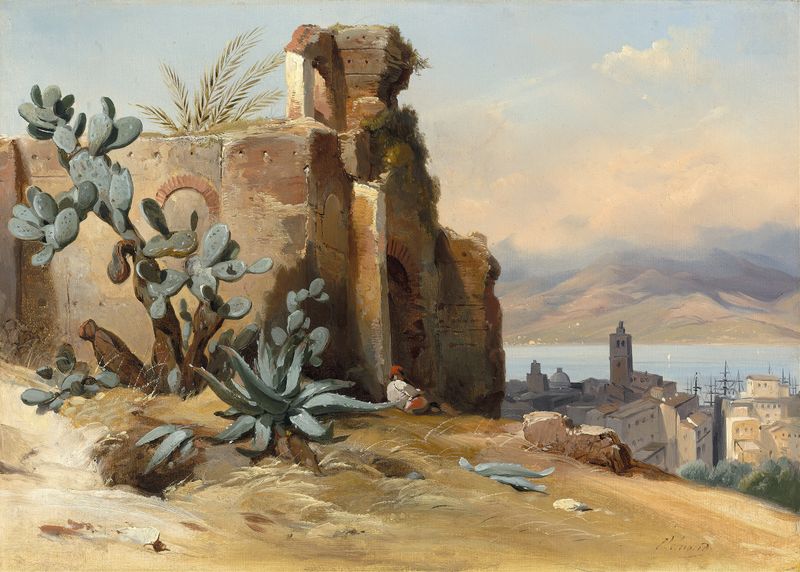
Ancient Ruins near Messina,Sicily
Jean-Charles Joseph Rémond
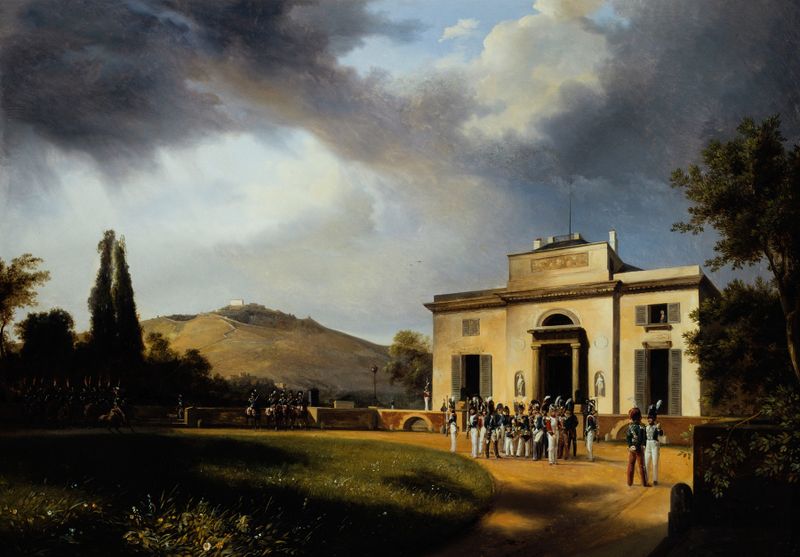
Le Pavillon de Bagatelle, actuel Bois de Boulogne, actuel 16ème arrondissement
Jean-Charles Joseph Rémond

View of Ischia from the Sea
Jean-Charles Joseph Rémond

Entrance to the Grotto of Posilipo
Jean-Charles Joseph Rémond
More Historical Art
Browse all →
The Night Watch Militia Company of District II under the Command of Captain Frans Banninck Cocq
Rembrandt van Rijn

Lincoln Memorial
Henry Bacon

The Third of May 1808
Francisco de Goya

Isaac and Rebecca, Known as ‘The Jewish Bride’
Rembrandt van Rijn

The Charge of the Mamelukes (1814)
Francisco de Goya

De vier ruiters van de apocalyps
Albrecht Dürer