
Entrance to the Grotto of Posilipo — History & Facts
Is this a mirror — or a memory? The soft hues of Entrance to the Grotto of Posilipo resonate with a profound sense of longing, evoking the delicate balance between reality and nostalgia. Look to the center of the canvas; there, a serene waterway invites the viewer's gaze, framed by the vibrant textures of the surrounding foliage. Notice how the light dances upon the surface, illuminating the gentle ripples that echo the shapes of the overhanging rocks. The artist employs a palette steeped in greens and blues, creating a lush wilderness that feels both inviting and remote, hinting at hidden secrets within the grotto. Beneath the picturesque surface lies a tension between the tranquility of nature and the weight of solitude.
The figures, small and almost silhouetted against the grandeur of the landscape, suggest a relationship with the environment that is intimate yet distant. This juxtaposition between the beauty of the scene and the isolation it conveys speaks to a deeper, more universal yearning for connection, whether with nature, others, or oneself. Jean-Charles Joseph Rémond painted Entrance to the Grotto of Posilipo between 1822 and 1824 during a period when romanticism flourished, characterized by an appreciation for the sublime in nature. Working in Italy, Rémond was influenced by the picturesque landscapes of the region, while the growing interest in emotion and individual experience within the art world shaped his approach.
This painting serves as a testament to both his skill and the era’s complex relationship with the natural world.
More Artworks by Jean-Charles Joseph Rémond
Browse all →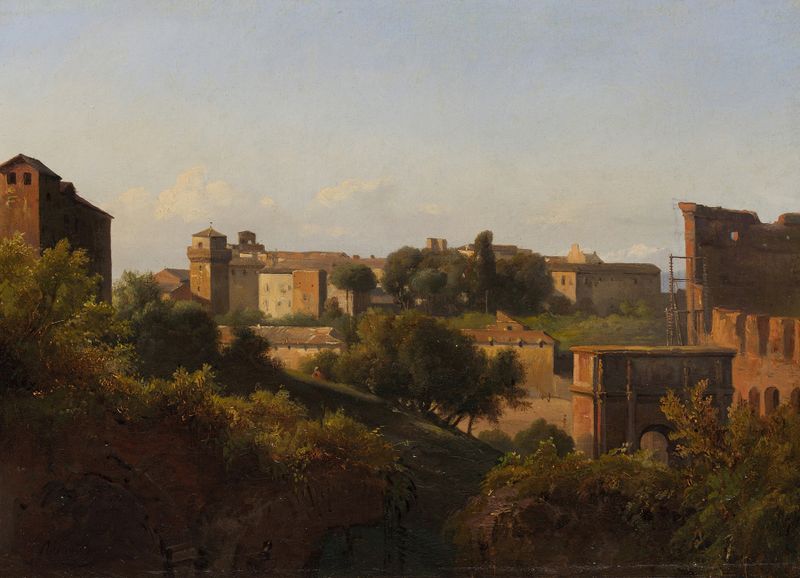
View of the Colosseum and the Arch of Constantine from the Palatine
Jean-Charles Joseph Rémond
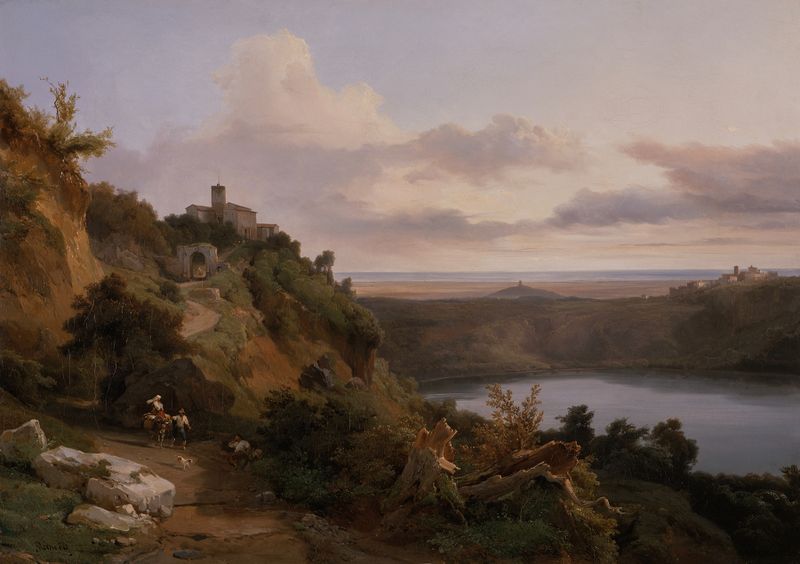
Lake Nemi
Jean-Charles Joseph Rémond
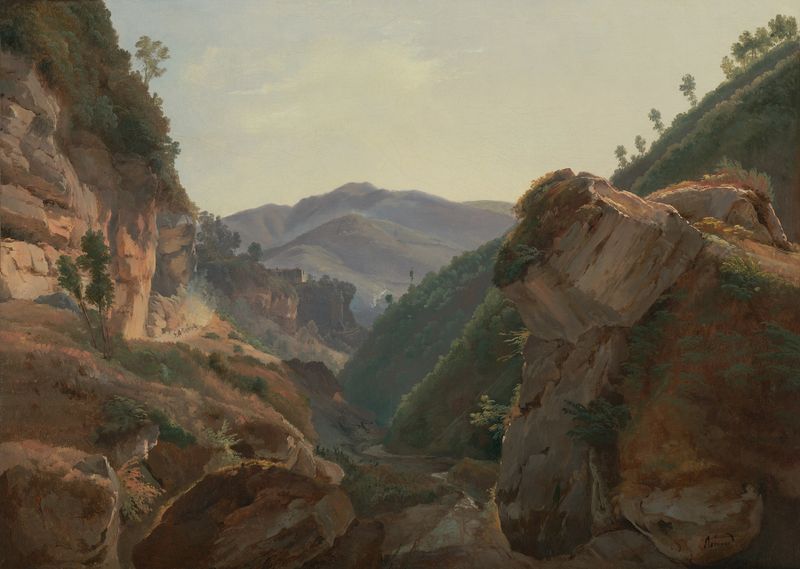
Mountain Landscape with Road to Naples
Jean-Charles Joseph Rémond
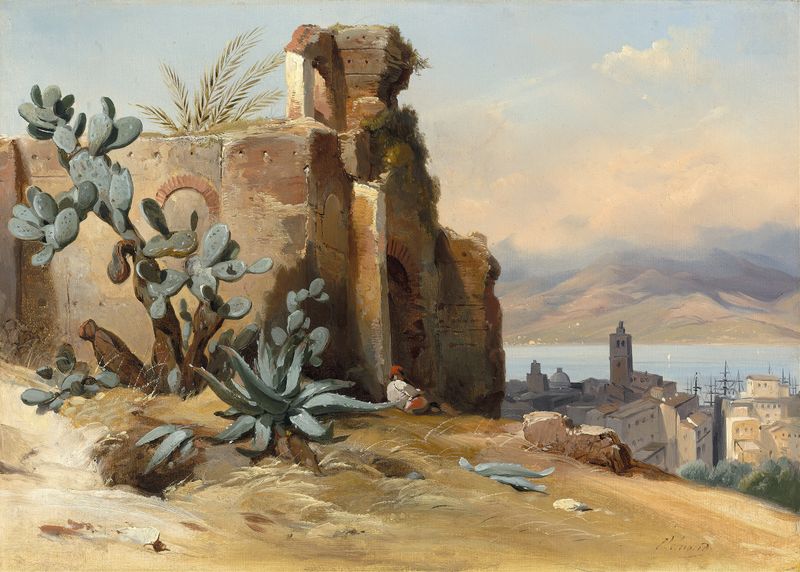
Ancient Ruins near Messina,Sicily
Jean-Charles Joseph Rémond
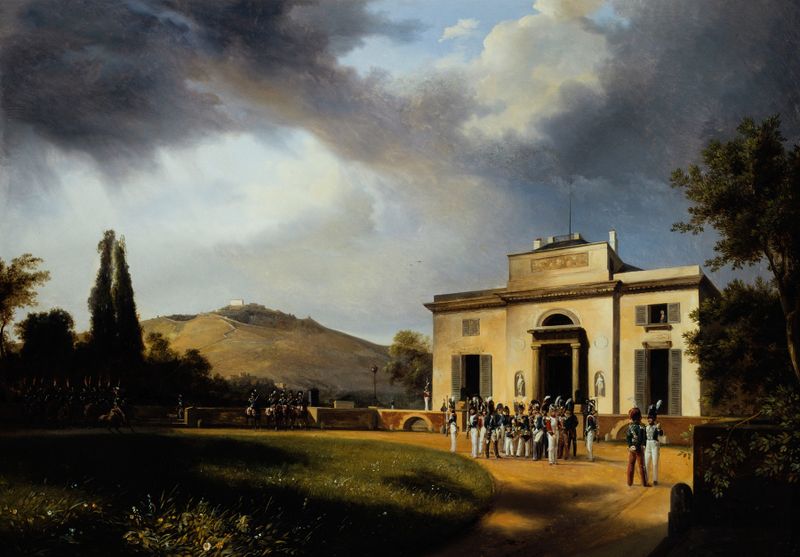
Le Pavillon de Bagatelle, actuel Bois de Boulogne, actuel 16ème arrondissement
Jean-Charles Joseph Rémond

View of Ischia from the Sea
Jean-Charles Joseph Rémond
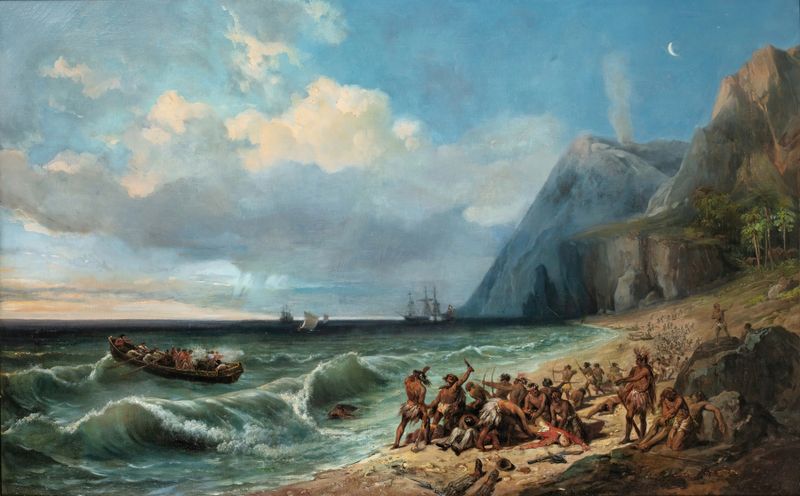
The Death of Captain Cook
Jean-Charles Joseph Rémond





