
Le Pavillon de Bagatelle, actuel Bois de Boulogne, actuel 16ème arrondissement — History & Facts
Did the painter know this moment would outlive them? In a world flooded with transient beauty, truth lies in the permanence found within art. Focus on the vibrant greens and earthy browns that envelop the scene; the lush foliage forms a natural frame that draws your eye toward the elegantly designed pavilion at the heart of the composition. The artist skillfully employs light to dance across the building’s façade, highlighting its intricate details while casting soft shadows that suggest the passage of time. The delicate brushwork suggests a gentle breeze, as leaves flutter, lending movement to an otherwise tranquil moment. As you observe closely, notice the tension between the serenity of nature and the structured elegance of the pavilion.
The delicate interplay of light and shadow invokes an emotional pull, evoking a sense of nostalgia for an idealized past. The artwork encapsulates the duality of humanity’s quest for beauty—simultaneously celebrating nature’s wildness while imposing order through architecture, a microcosm of the complex relationship between man and environment. Jean-Charles Joseph Rémond painted Le Pavillon de Bagatelle in 1826, during a period marked by a growing appreciation for Romanticism and nature-inspired themes in French art. At this time, he was deeply engaged with the scenic beauty of the Bois de Boulogne, a favorite retreat for Parisians seeking solace from urban life.
This work reflects both the romantic ideals of the era and Rémond’s personal pursuit to capture the essence of a fleeting moment that would resonate through generations.
More Artworks by Jean-Charles Joseph Rémond
Browse all →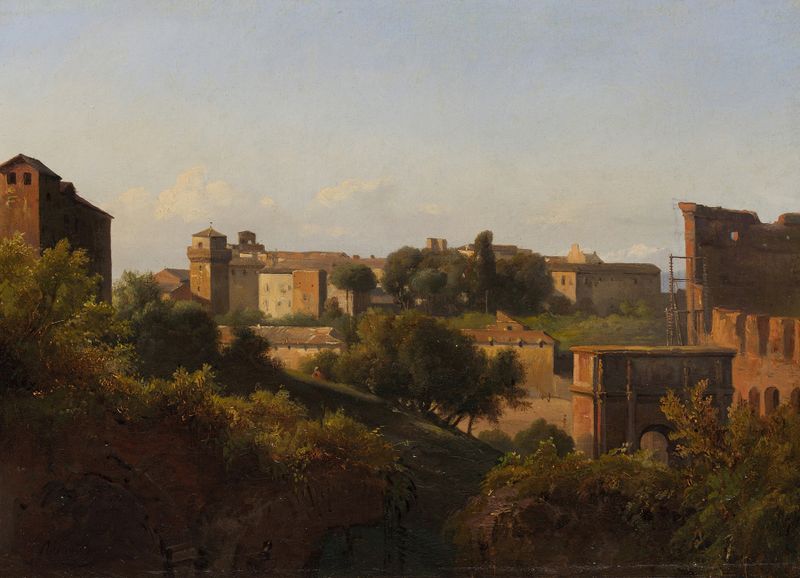
View of the Colosseum and the Arch of Constantine from the Palatine
Jean-Charles Joseph Rémond
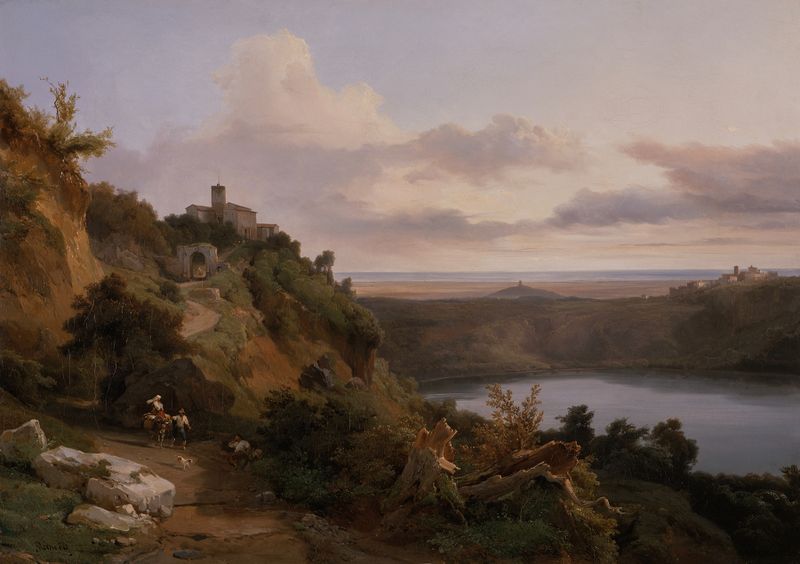
Lake Nemi
Jean-Charles Joseph Rémond
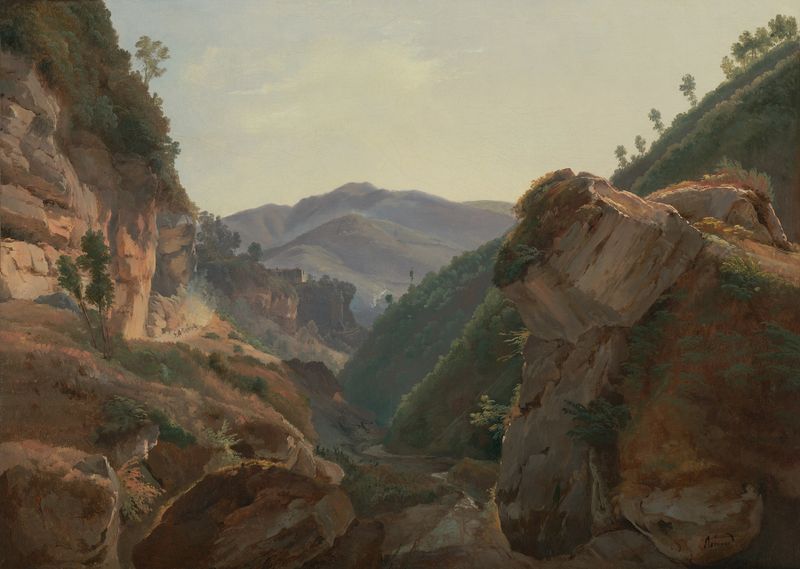
Mountain Landscape with Road to Naples
Jean-Charles Joseph Rémond
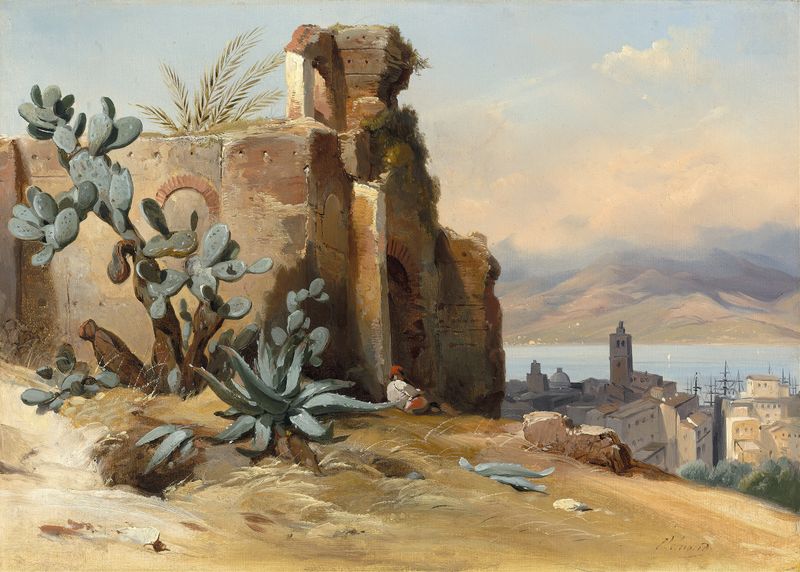
Ancient Ruins near Messina,Sicily
Jean-Charles Joseph Rémond

View of Ischia from the Sea
Jean-Charles Joseph Rémond

The Death of Captain Cook
Jean-Charles Joseph Rémond

Entrance to the Grotto of Posilipo
Jean-Charles Joseph Rémond





