
Andersons Fall, Haheldessa River — History & Facts
In a world where hues dance with shadows, the essence of emotion finds its voice in the subtleties of nature. Focus first on the vibrant blues and greens that swirl throughout the canvas, capturing the essence of the Haheldessa River. Notice how the light glimmers upon the water, reflecting a spectrum of colors that merge seamlessly into one another. The brushwork is both gentle and deliberate, conveying the movement of the river while inviting the viewer to explore its depths.
Look closely, and you’ll see the intricate details of the surrounding foliage, each stroke adding texture and life to the scene. Within this harmonious fusion of color lies a deeper tension between tranquility and turmoil. The vibrant palette evokes a sense of peace, yet the tumultuous flow of the river suggests an underlying chaos that speaks to the impermanence of nature. Each brushstroke holds a whisper of emotion, as if the landscape itself is alive, breathing and echoing the stories of the past.
This contrast compels the viewer to reflect on their relationship with nature, making the artwork resonate on a personal level. Charles Hamilton Smith created this piece amidst a burgeoning interest in landscape painting, likely inspired by the Romantic movement of the early 19th century. Though the exact date remains unknown, it reflects a period when artists sought to capture the sublime beauty of the natural world. His work emerged during a time of personal exploration, as he sought to reconcile the beauty of nature with the complexities of human emotion, a theme that resonates powerfully in this captivating piece.
More Artworks by Charles Hamilton Smith
Browse all →
Situation of H.M.S. Hecla & Griper
Charles Hamilton Smith
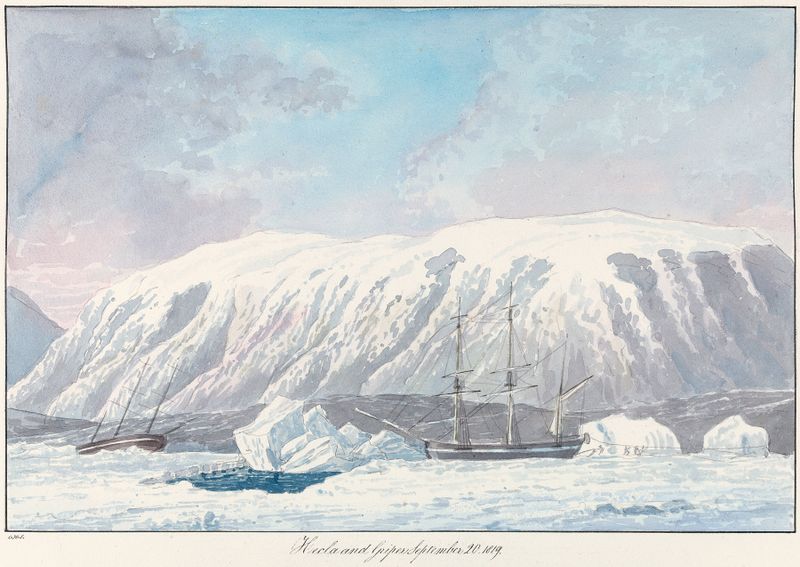
Hecla and Griper
Charles Hamilton Smith

Friendly Cove, Nootka Sound
Charles Hamilton Smith

Iceberg in Baffin’s Bay
Charles Hamilton Smith
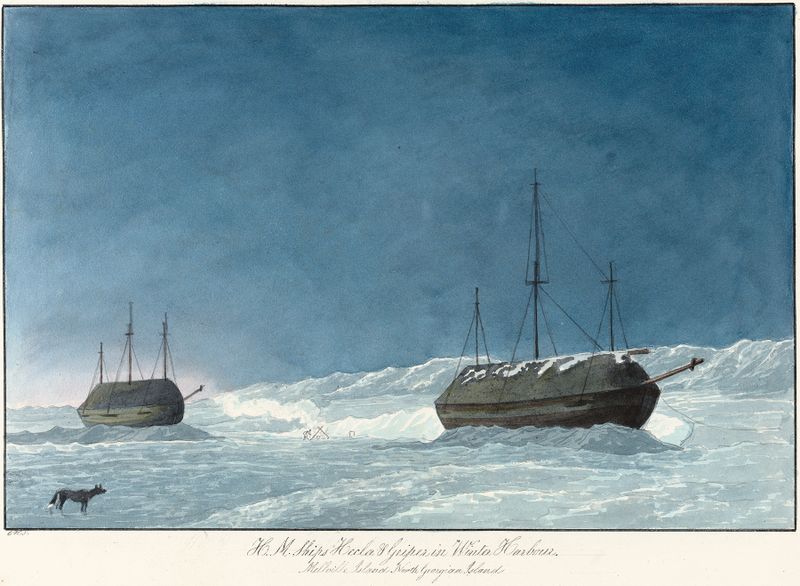
H. M. Ships Hecla and Griper in Winter Harbour
Charles Hamilton Smith

The Erebus & Terror in a Gale in the Pack of the Ice
Charles Hamilton Smith
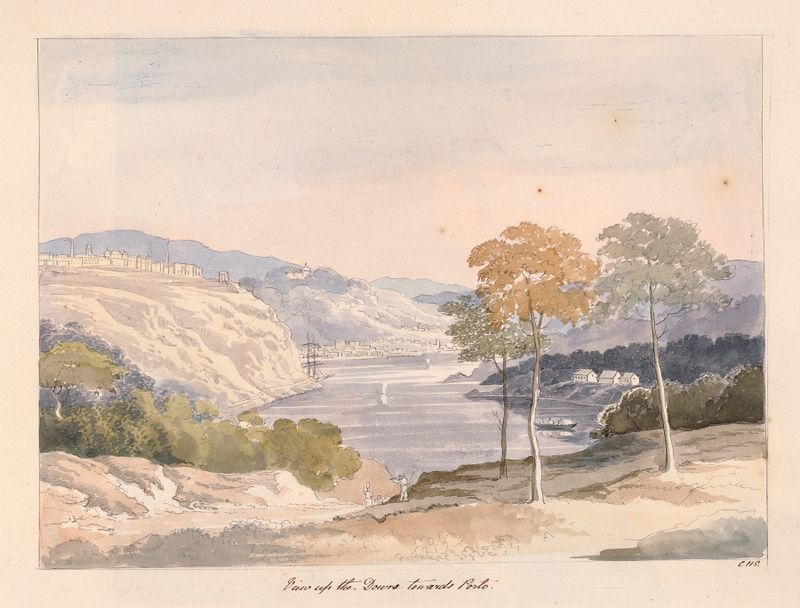
View of the Douro towards Porto
Charles Hamilton Smith
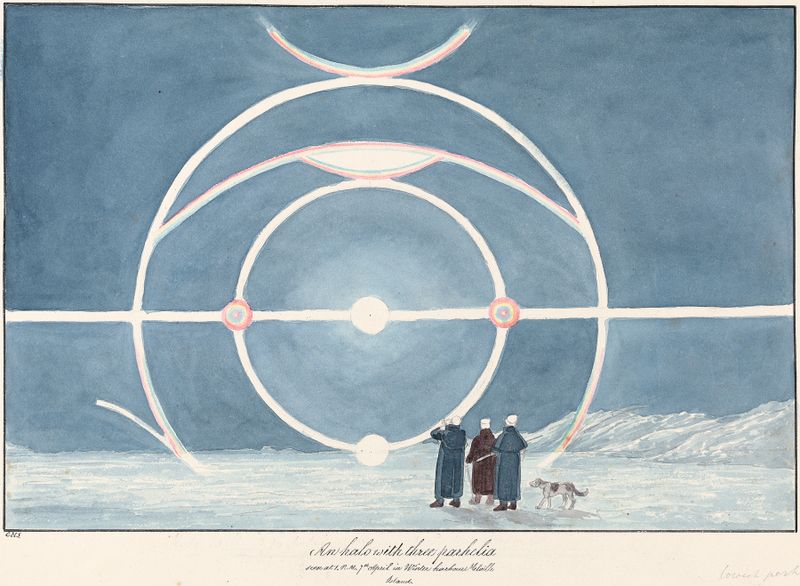
Halo with Three Parhelia, Winter Harbour Melville Island
Charles Hamilton Smith
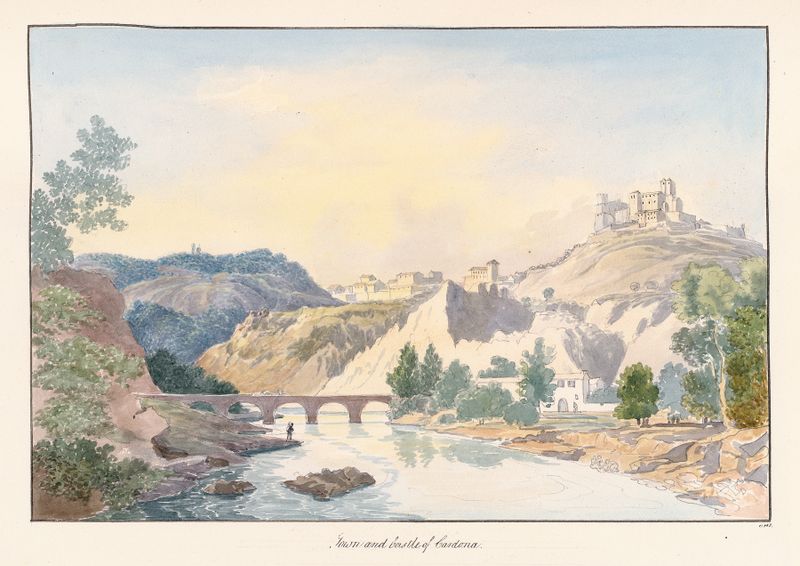
Town and Castle of Cardona
Charles Hamilton Smith
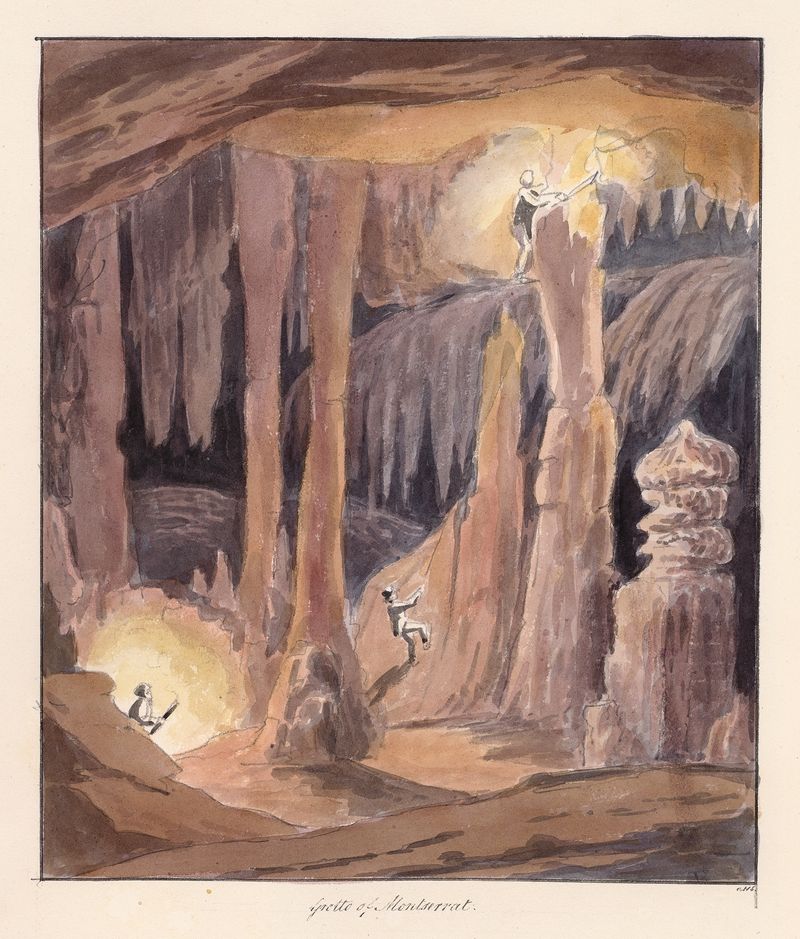
Grotto of Montserrat
Charles Hamilton Smith





