
Angers: Rue des Filles Dieu — History & Facts
Could beauty survive in a century of chaos? This question echoes through the evocative streets of early 20th-century Angers, where time itself seems to pause in the quiet embrace of a sun-drenched moment. Look to the left at the cobblestone path, winding through the old architecture, its rich textures rendered with masterful strokes. There, the interplay of light and shadow dances across the facades, bringing to life a vibrant yet tranquil scene. Notice how the soft hues of pastel blues and warm ochres create a sense of nostalgia, as if the painting is an invitation to step back in time to a place untouched by the tumult of modernity. In the foreground, a solitary figure pauses, their gesture imbued with both contemplation and longing.
This small detail resonates deeply, hinting at the emotional weight of change surrounding them. The contrast between the rigid lines of the buildings and the fluidity of the figure's form serves as a poignant reminder of the human experience—caught between the permanence of history and the transience of life. Each brushstroke reveals a story, a reflection of how the past continues to coexist with the present. David Young Cameron painted Angers: Rue des Filles Dieu in 1902 during a period of great transformation in European art.
Living in Scotland, he was deeply influenced by the Impressionist movement, focusing on light and atmosphere. At that time, as the world grappled with the dawn of modernity, his work stood as a testament to the enduring beauty of traditional landscapes amidst the chaos of change.
More Artworks by David Young Cameron
Browse all →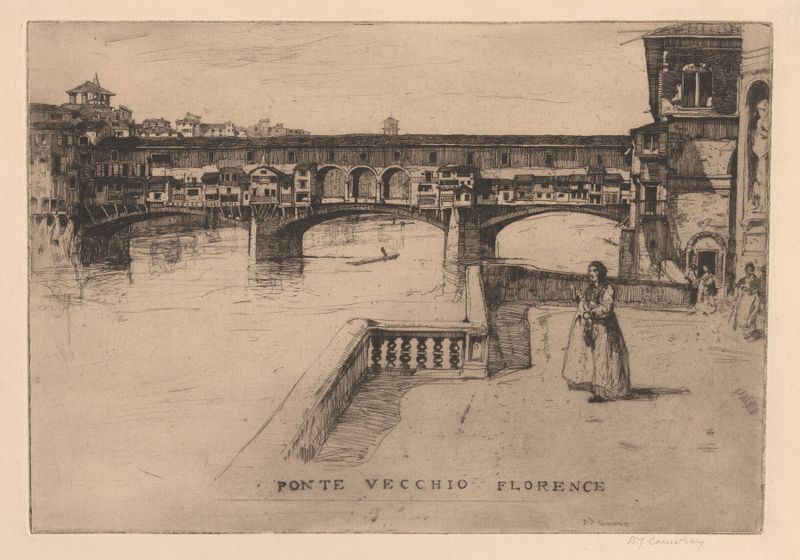
Ponte Vecchio
David Young Cameron

The Deanery, Winchester
David Young Cameron
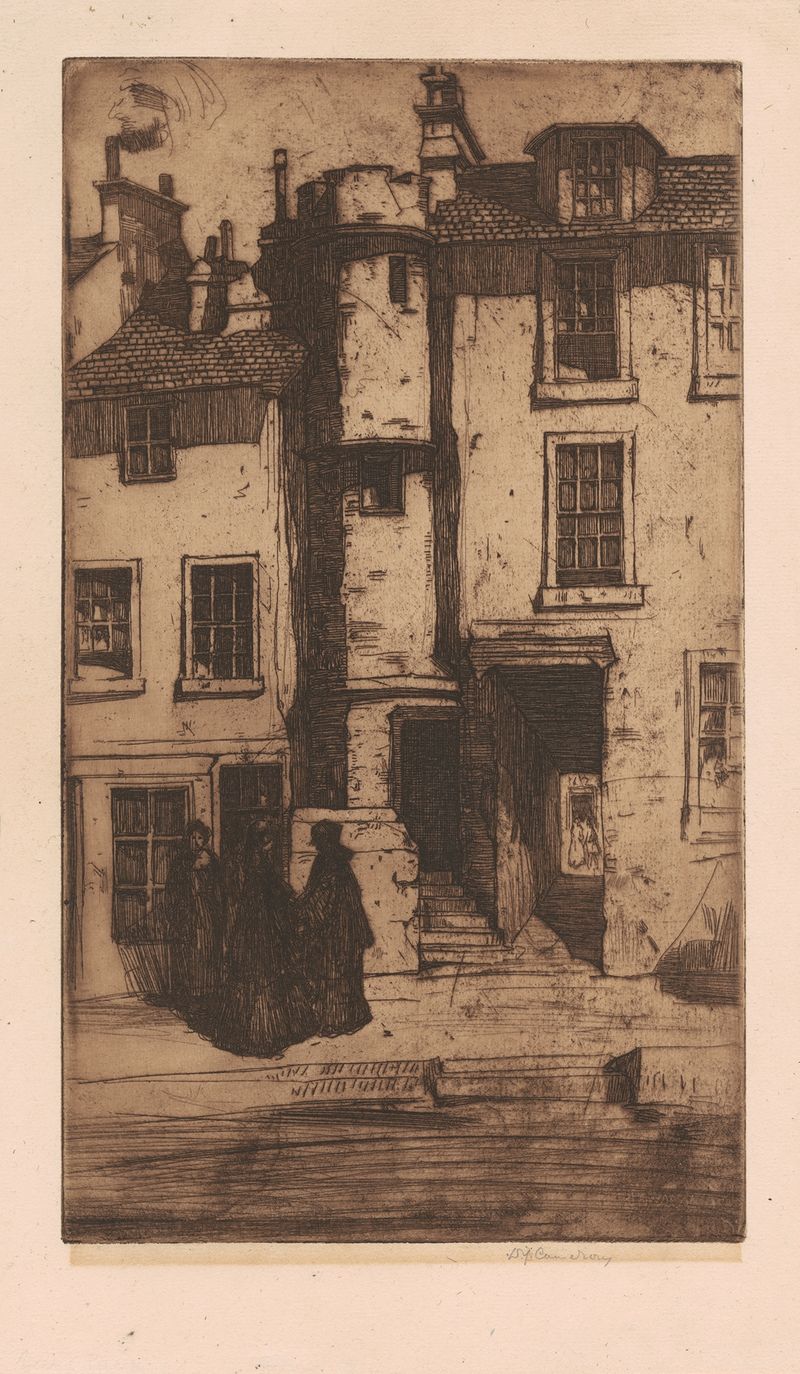
Old Houses, Stirling
David Young Cameron
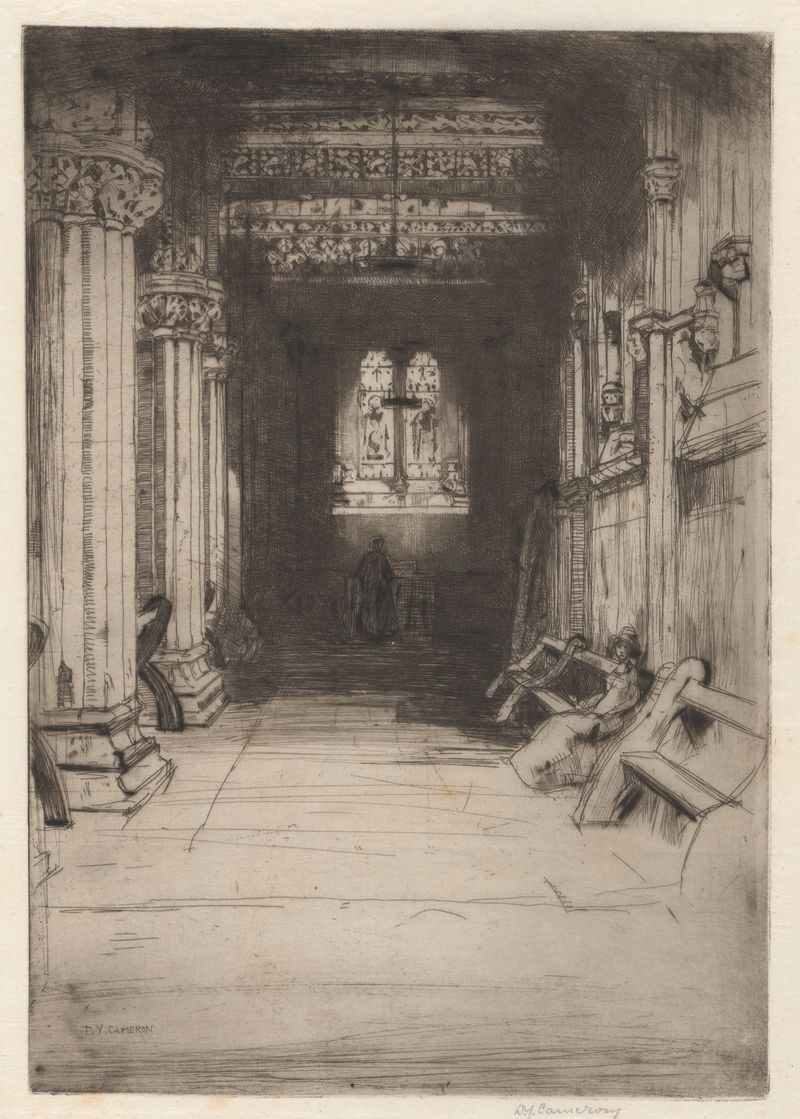
Rosslyn Chapel
David Young Cameron

The Old Museum, Beauvais
David Young Cameron
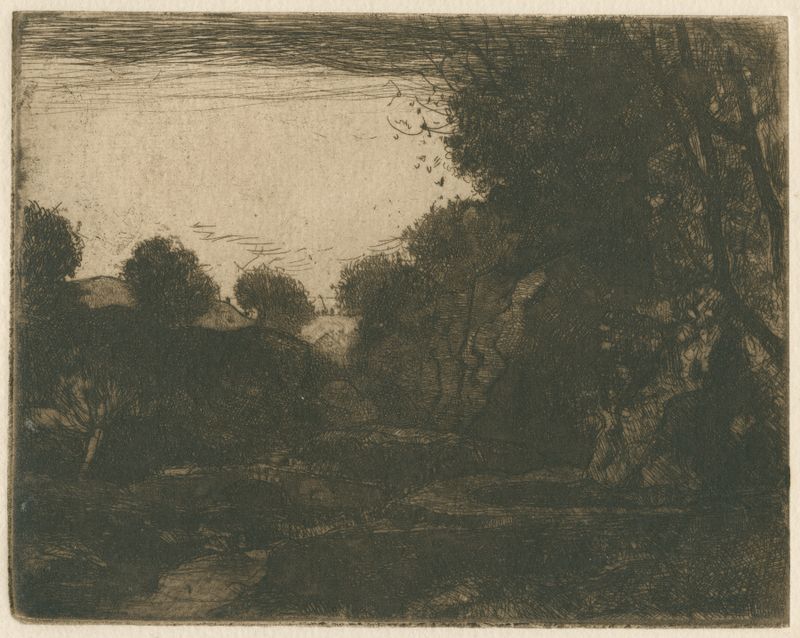
On the Bradford
David Young Cameron

The Smithy
David Young Cameron
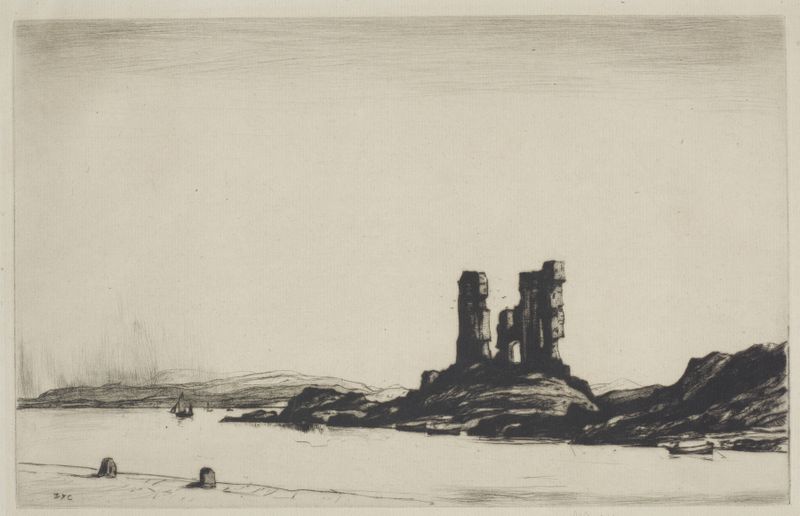
Castle Moyle
David Young Cameron
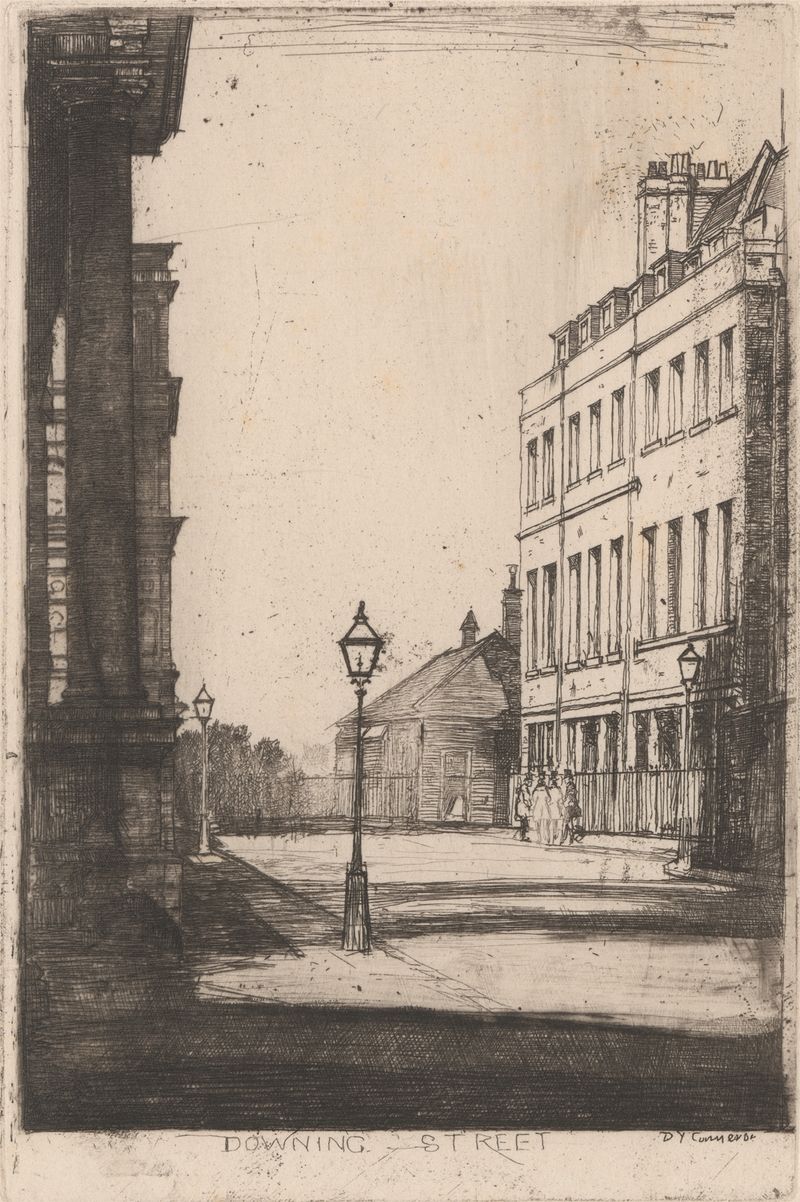
Downing Street
David Young Cameron

Glasgow Cathedral
David Young Cameron





