Animated Landscape With A Farm — History & Facts
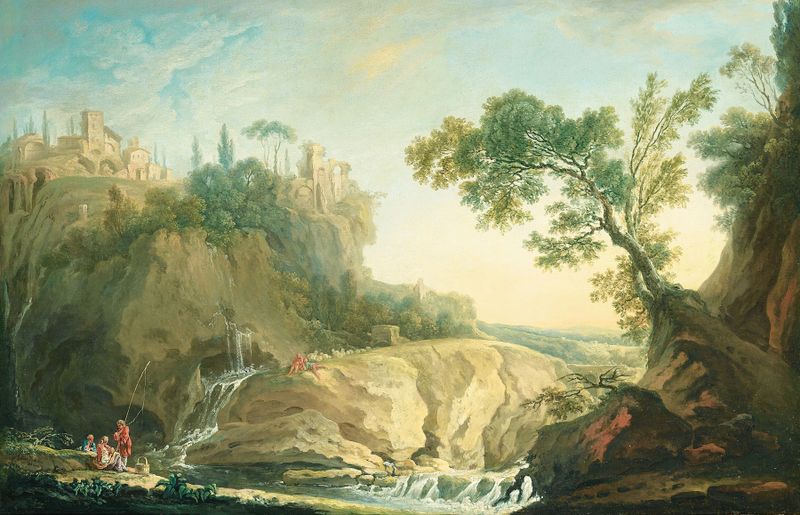
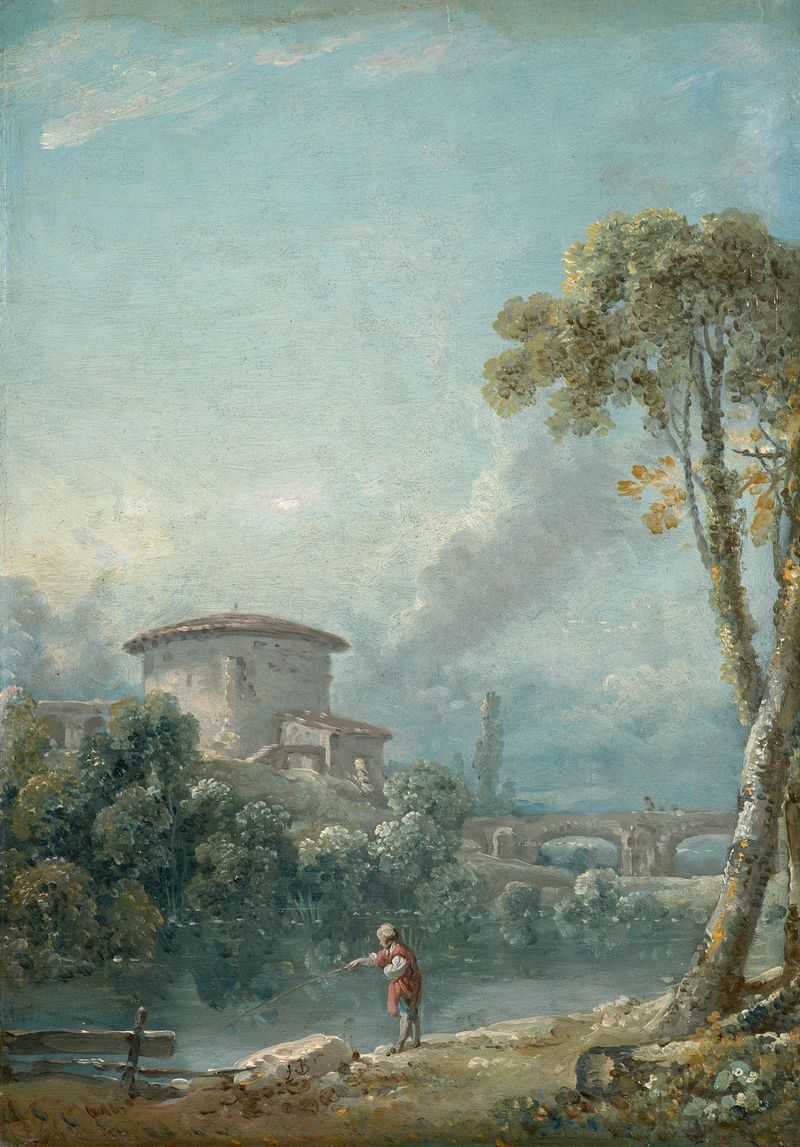
What secret hides in the quiet of the canvas? In a world of manic chaos, the stillness of an animated landscape can bear witness to the madness lurking just beneath the surface. Look to the foreground, where the lush, vibrant greens of the farm rise up against the muted tones of the sky. The brushstrokes dance with energy, creating a playful tension that invites the eye to wander yet demands contemplation. Notice how the golden light spills across the horizon, casting a warm glow on the rustic buildings, while shadows lurk in the corners, hinting at untold stories and emotions.
The composition draws you in, making the viewer feel both at home and slightly out of place in this pastoral haven. Delve deeper, and you'll uncover the contrasts that electrify this tranquil scene. The vividness of the landscape suggests a serene existence, yet the frenetic strokes evoke a sense of underlying madness, perhaps reflecting the artist's own turbulent psyche. The boundaries between reality and imagination blur, as the farm becomes a metaphor for the chaos of life, where order and disorder coexist, creating a delicate balance that pulses with life itself. Created during an unspecified time, Julliard was influenced by the Romantic movement, grappling with the complexities of nature and human emotion.
In an era marked by societal upheaval and artistic experimentation, the artist sought to capture not just the beauty of the landscape, but the tumultuous spirit of his age. This work serves as a resonant reminder of the madness that often lies hidden in the serene facade of rural life.