Anlaufthal — History & Facts
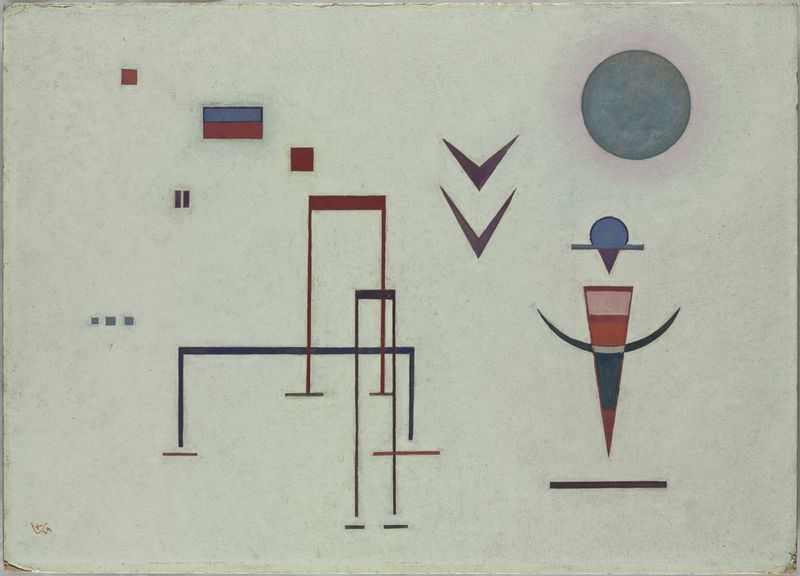
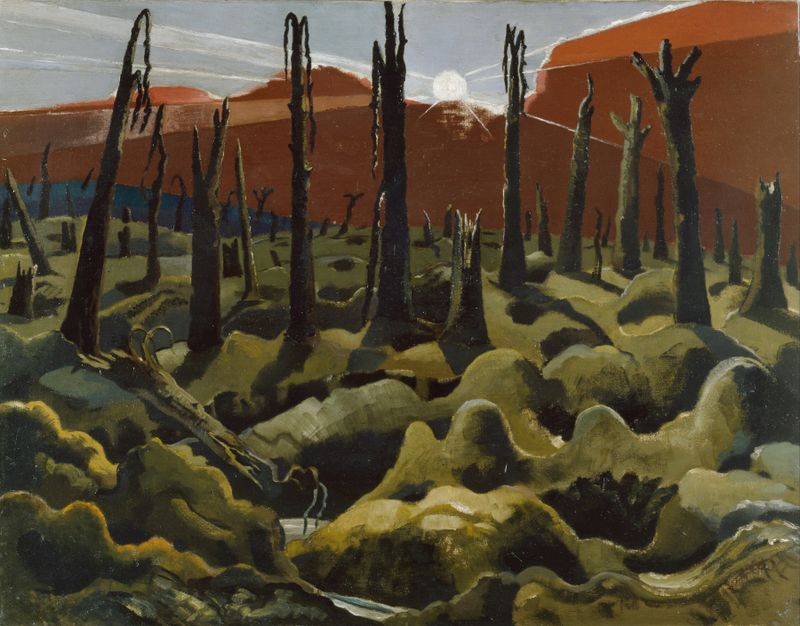
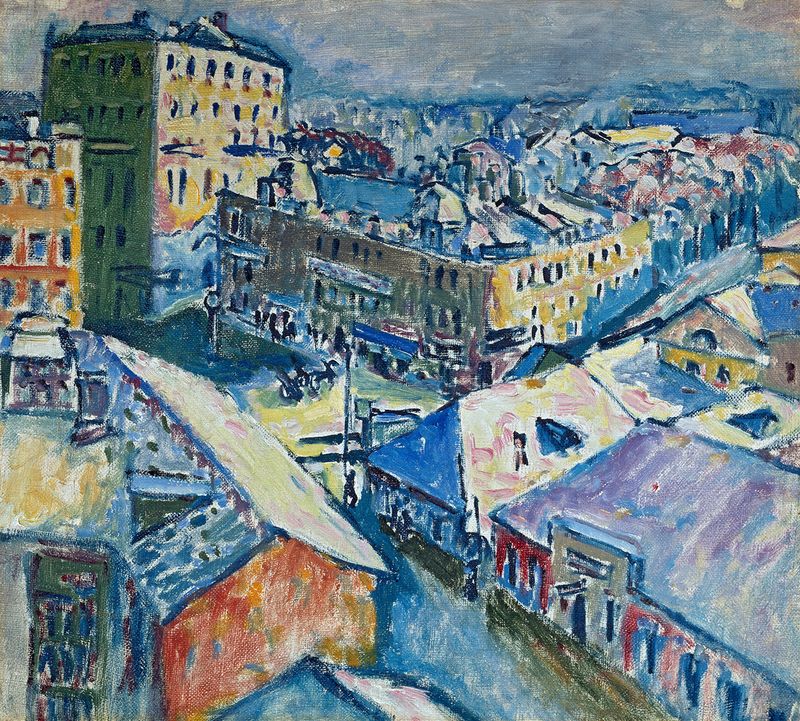
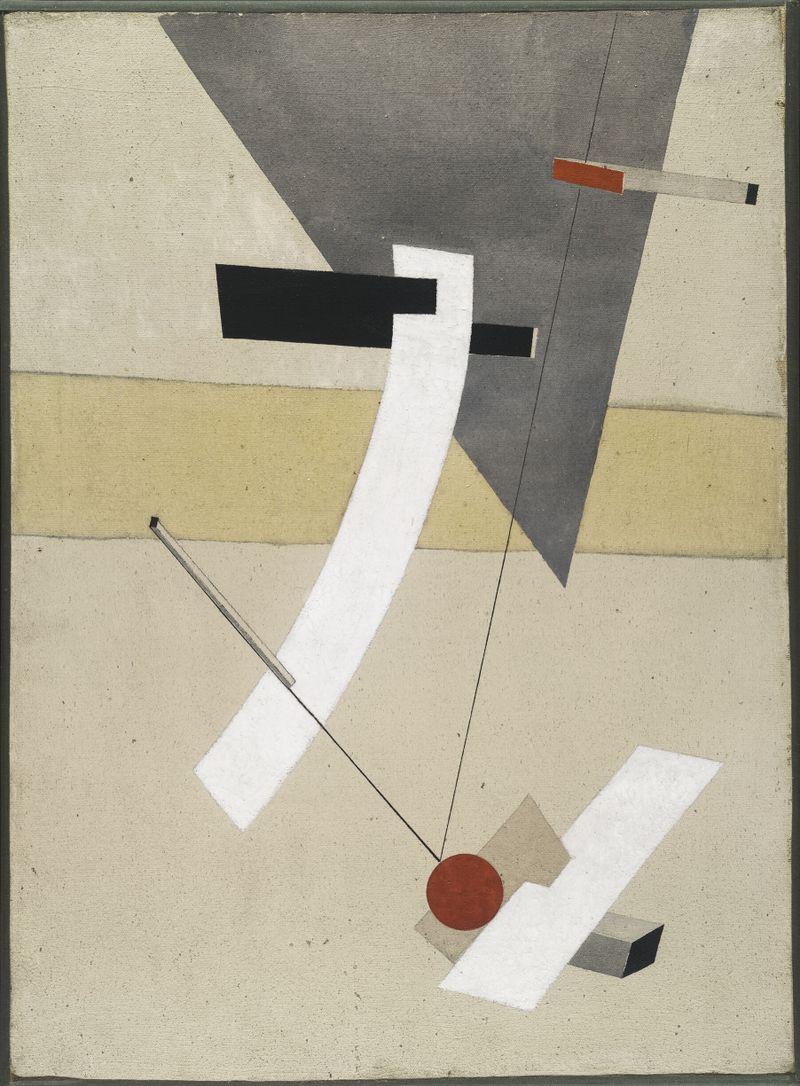
This sentiment resonates deeply in the world of art, where every stroke can serve as a catalyst for transformation and rebellion. In the turbulent era of revolutionary thought, how do we navigate the tumult of our emotions and ideas? Focus first on the interplay of colors that Varrone employs; the vibrant reds and deep blues collide with a disarray that sparks intrigue. Notice how shapes emerge from the chaos, guiding your eye through a complex narrative that seems to pulse with energy.
There is a sense of movement, as if the very canvas vibrates with the struggles of the time, while hints of light punctuate the dark, suggesting hope amidst discord. This piece embodies the duality of revolution: the conflict between destruction and creation. The chaos represented by jagged lines and harsh contrasts invites contemplation on the struggles faced by individuals and societies alike. Subtle elements, perhaps a faint outline of a figure or an object within the muddled background, speak to resilience, suggesting that even in turmoil, a path toward beauty can emerge.
The tension between these contrasting energies creates a dynamic that resonates on a deeply emotional level. Varrone painted this work during a time when the world was rife with upheaval, though the exact date remains unknown. The artist was deeply influenced by the revolutionary movements of his time, where ideas about freedom, identity, and social order were being fervently debated. His approach reflects a commitment to explore the intersection of chaos and creativity, a hallmark of his contribution to the art world as he navigated personal and societal transformations.
More Artworks by Johann (Giovanni) Varrone
Browse all →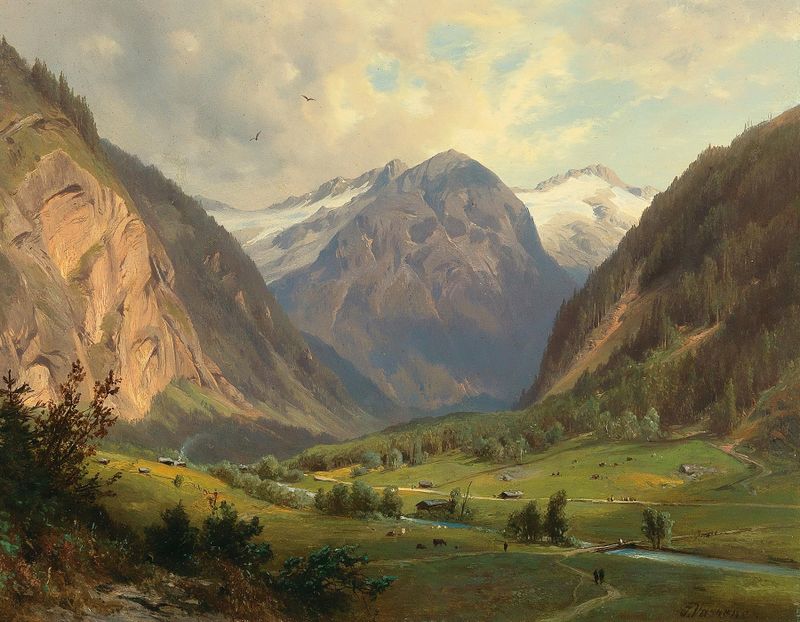
Das Kötschachthal mit dem Böcksteinkogel mit der Himmelswand bei Wild, Bad Gastein
Johann (Giovanni) Varrone
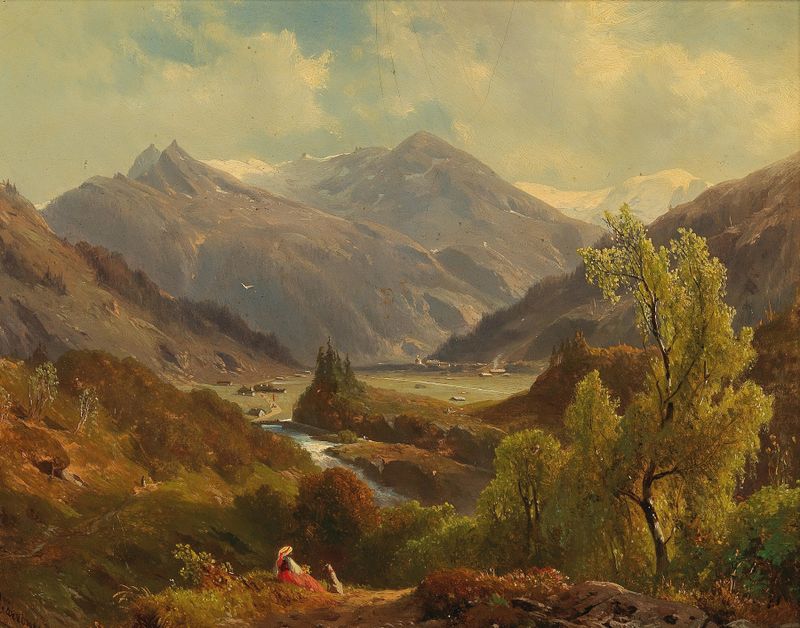
The Böcksteiner Valley with the Rathausberg, Wildbad Gastein, Upper Austria
Johann (Giovanni) Varrone
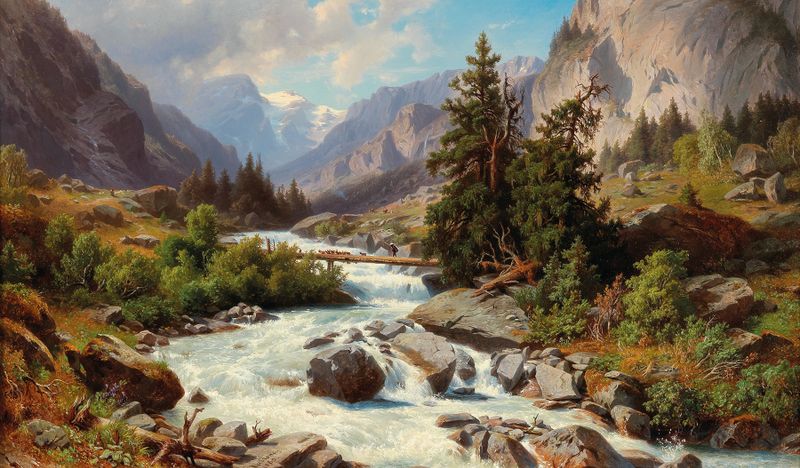
A view of the Ankogel near Bad Gastein
Johann (Giovanni) Varrone
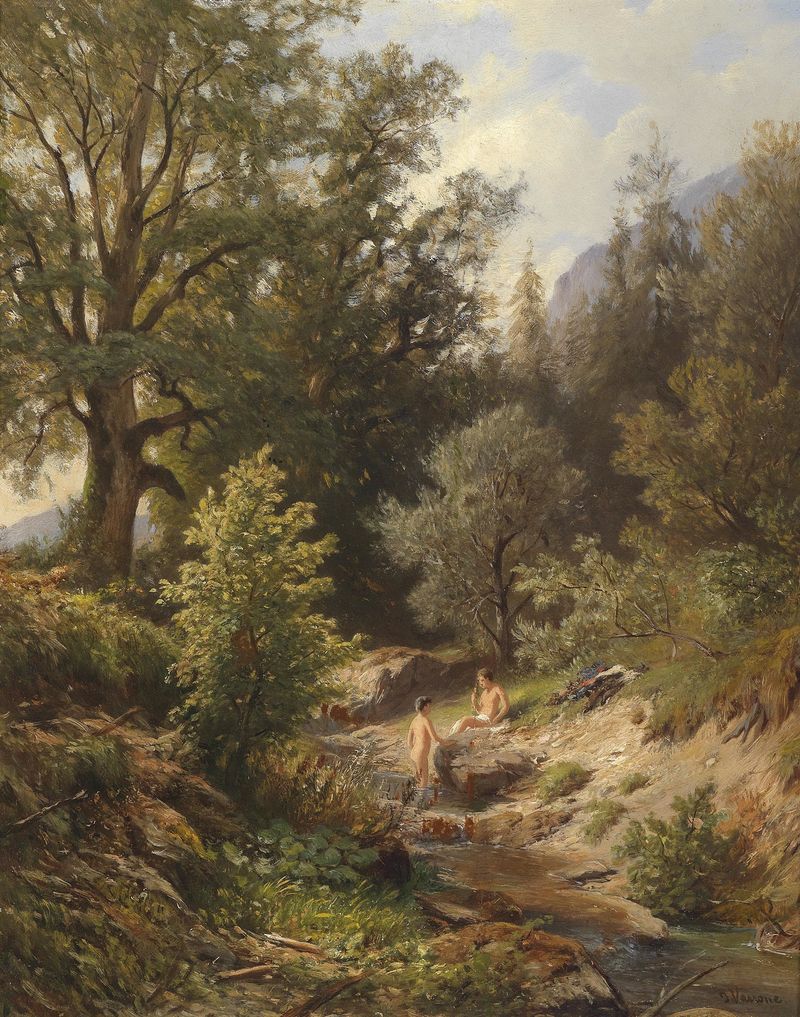
Badende Knaben am Bachufer
Johann (Giovanni) Varrone
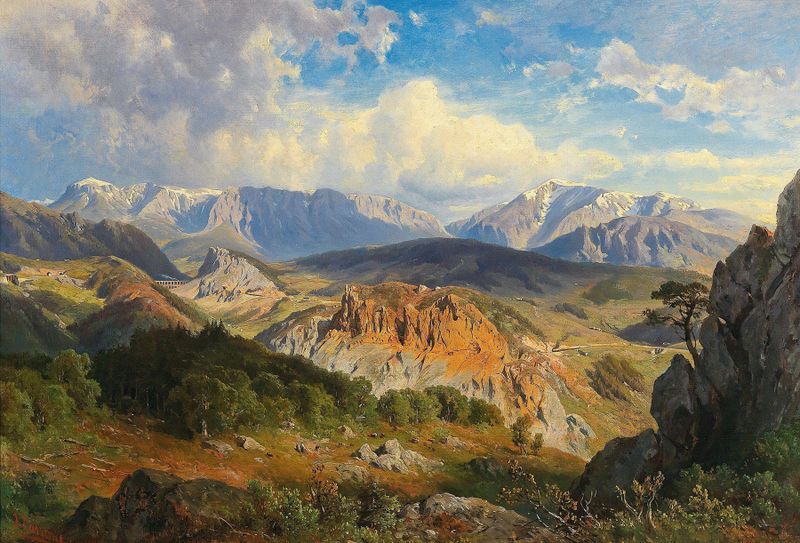
View of the Rax and Schneeberg mountains
Johann (Giovanni) Varrone
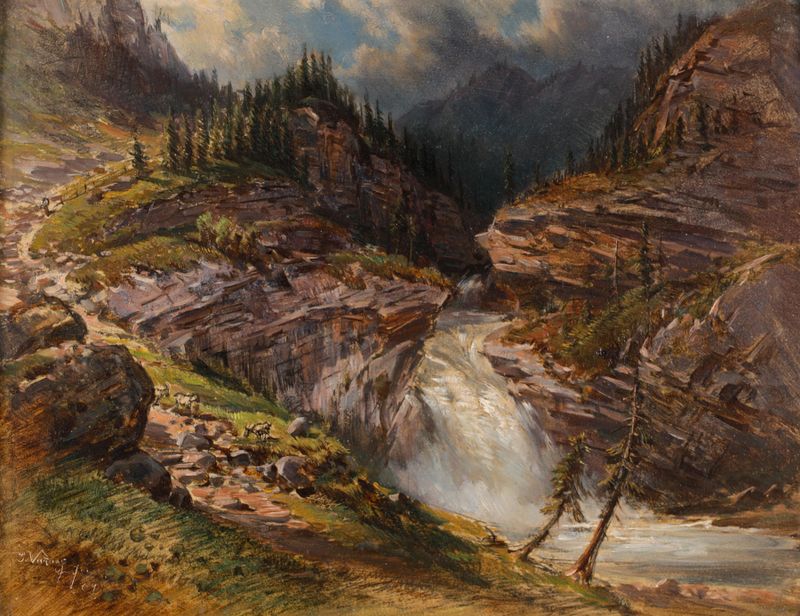
Hirte am Gollinger Wasserfall
Johann (Giovanni) Varrone

Übergang über den Wasserfall
Johann (Giovanni) Varrone
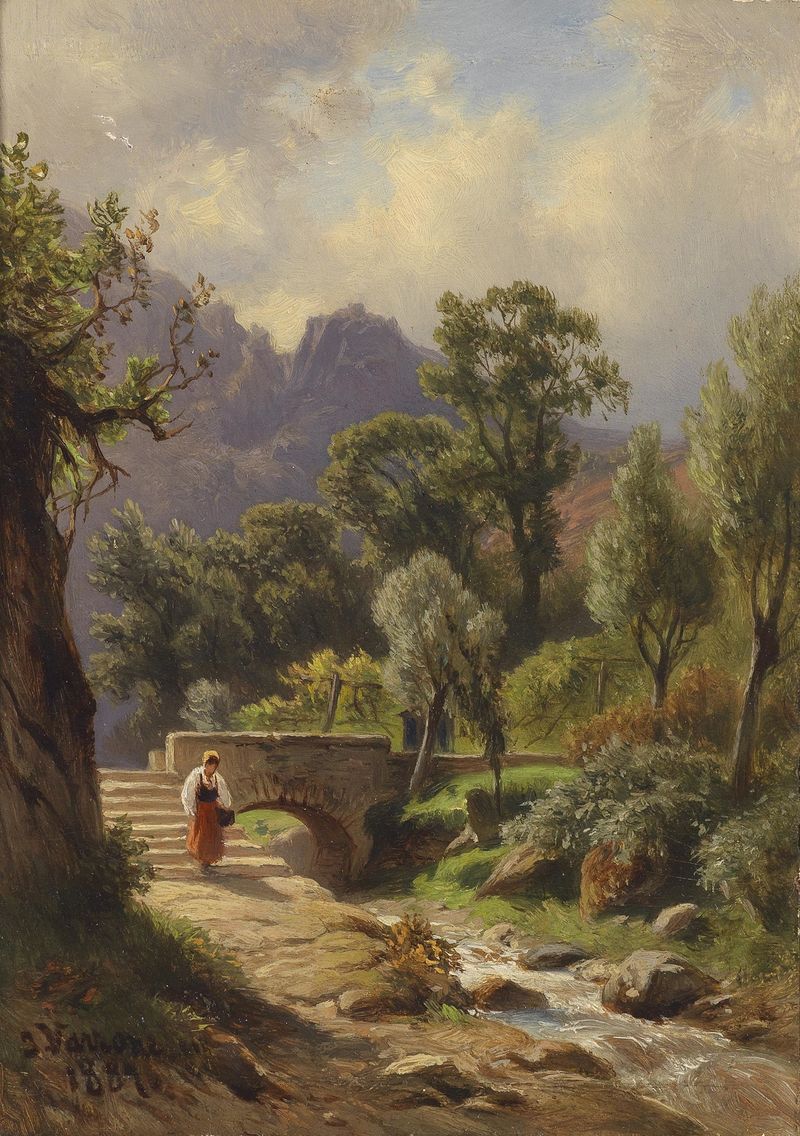
Am Heimweg
Johann (Giovanni) Varrone