
Antilope Hippotrague — History & Facts
In Antilope Hippotrague, the viewer is greeted by a striking depiction of an antelope. The animal stands prominently against a backdrop of warm, earthy tones. Its fur is rendered in a mix of browns and ochres, capturing the light in a way that highlights its muscular form.
The setting suggests a natural habitat, evoking a sense of the wild. The painting is executed in oil on canvas, showcasing Jacovleff's skillful brushwork. The texture of the animal's fur contrasts with the smoother background, creating depth. The use of color is particularly notable, with a palette that emphasizes the warmth of the scene.
This technique draws the viewer's eye directly to the antelope. Alexandre Jacovleff was known for his ability to blend realism with a modernist approach. This work, created in the 1930s, reflects his fascination with animals and their representation in art. An interesting fact about this piece is that it was part of a series where Jacovleff explored various wildlife subjects.
His travels to Africa greatly influenced his artistic vision.
More Artworks by Alexandre Jacovleff
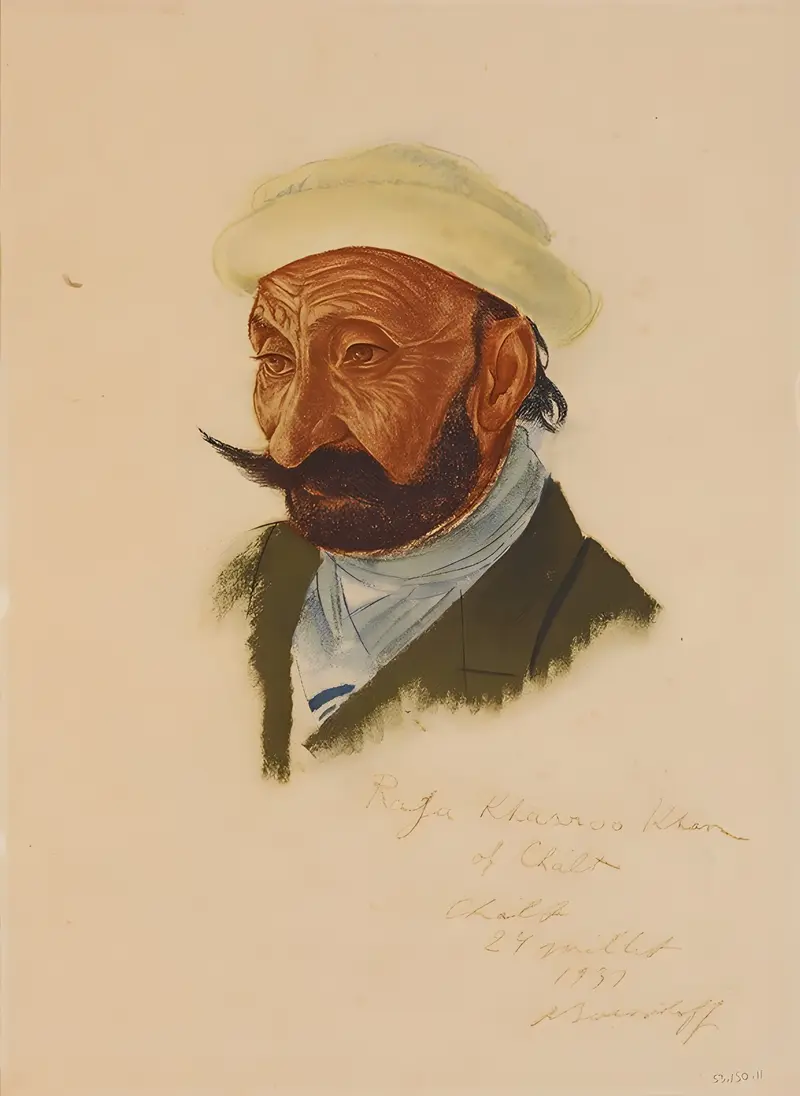
Raja Khasroo Khan de Naga, Tchalt
Alexandre Jacovleff
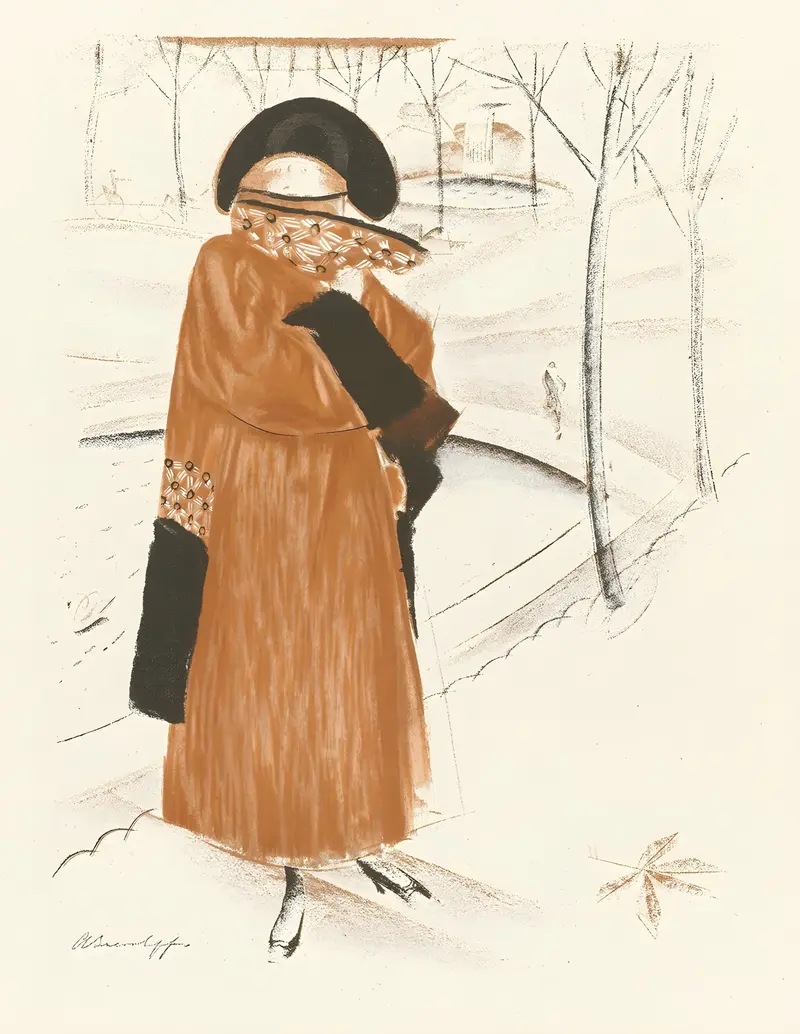
L’Heure du rendez-vous ; Manteau d’après-midi, de Paul Poiret
Alexandre Jacovleff

Concert du soir
Alexandre Jacovleff

L’Ambassadeur du Mir de Hounza, aupres du Gouvernement de Kachgar
Alexandre Jacovleff
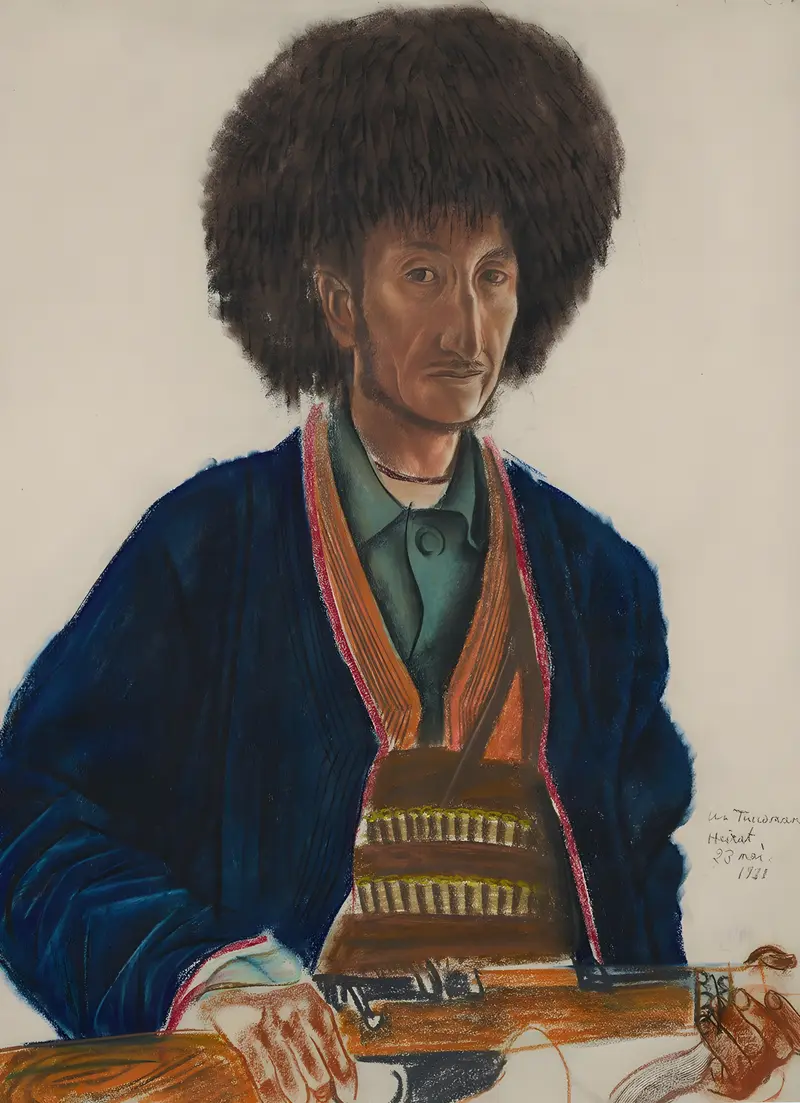
A Turcoman, Herat
Alexandre Jacovleff
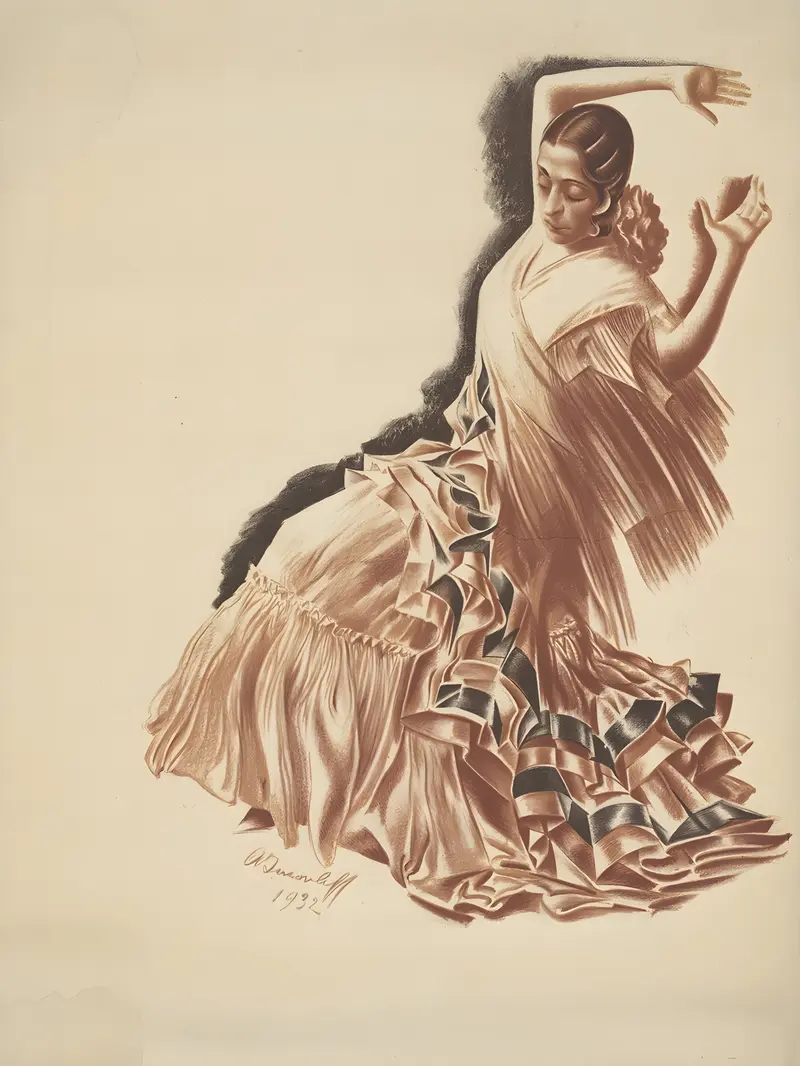
Argentina
Alexandre Jacovleff
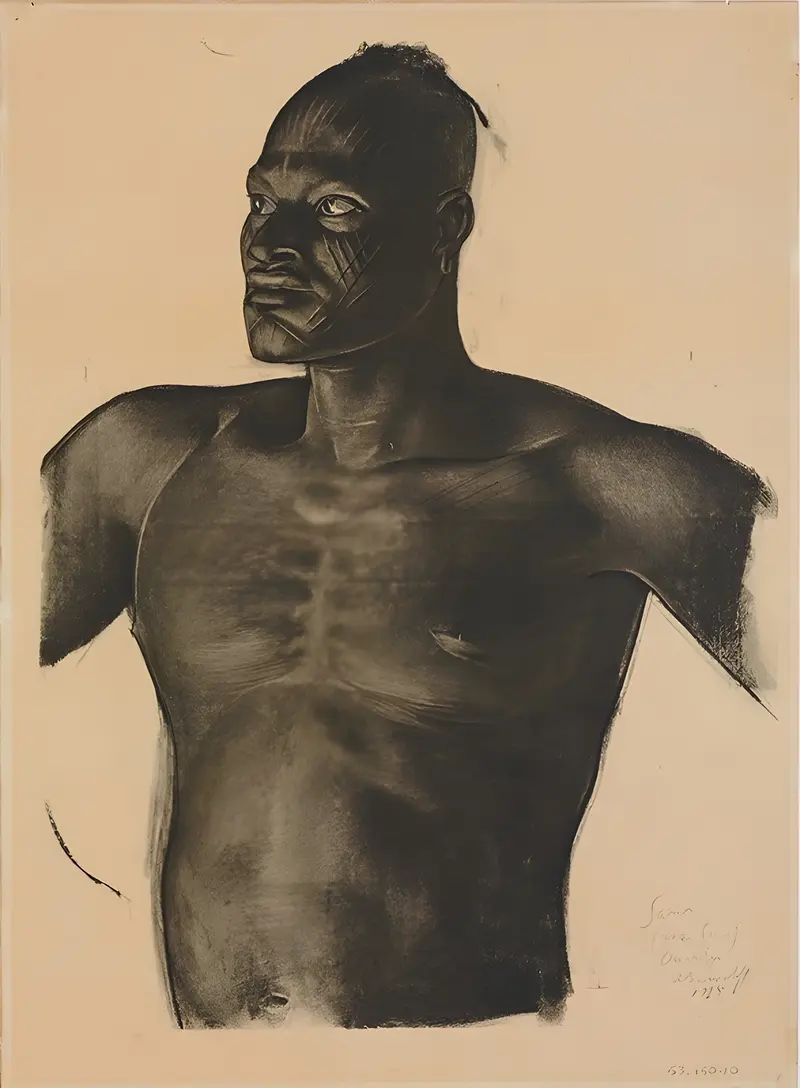
Sara LePisteur, Bahr Ouandja
Alexandre Jacovleff
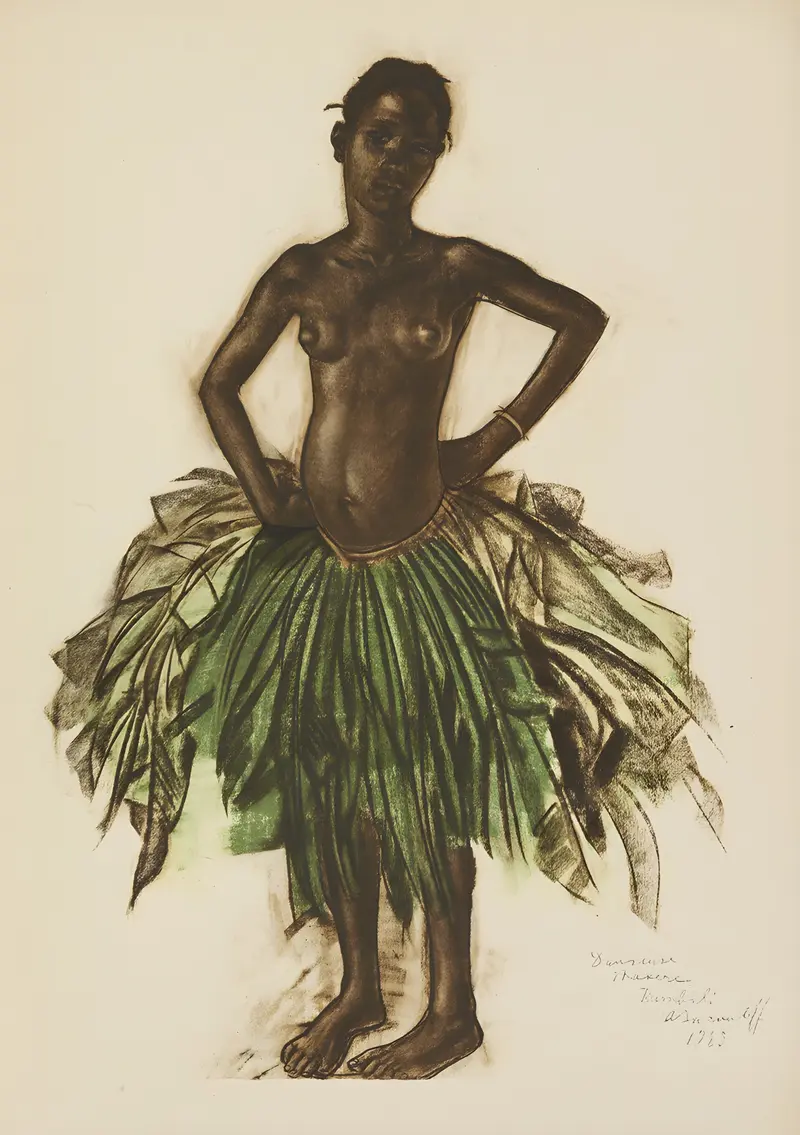
Danseuse Makere (Bambili)
Alexandre Jacovleff
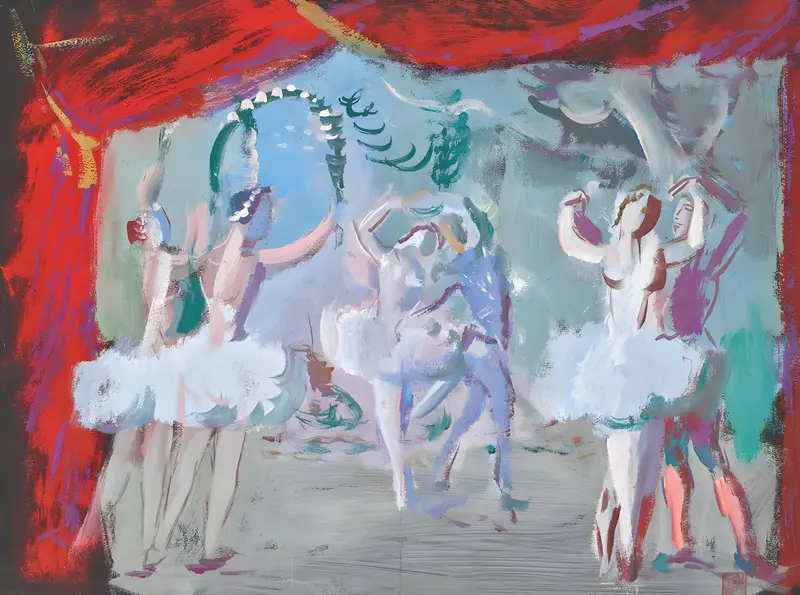
Ballet dancers
Alexandre Jacovleff
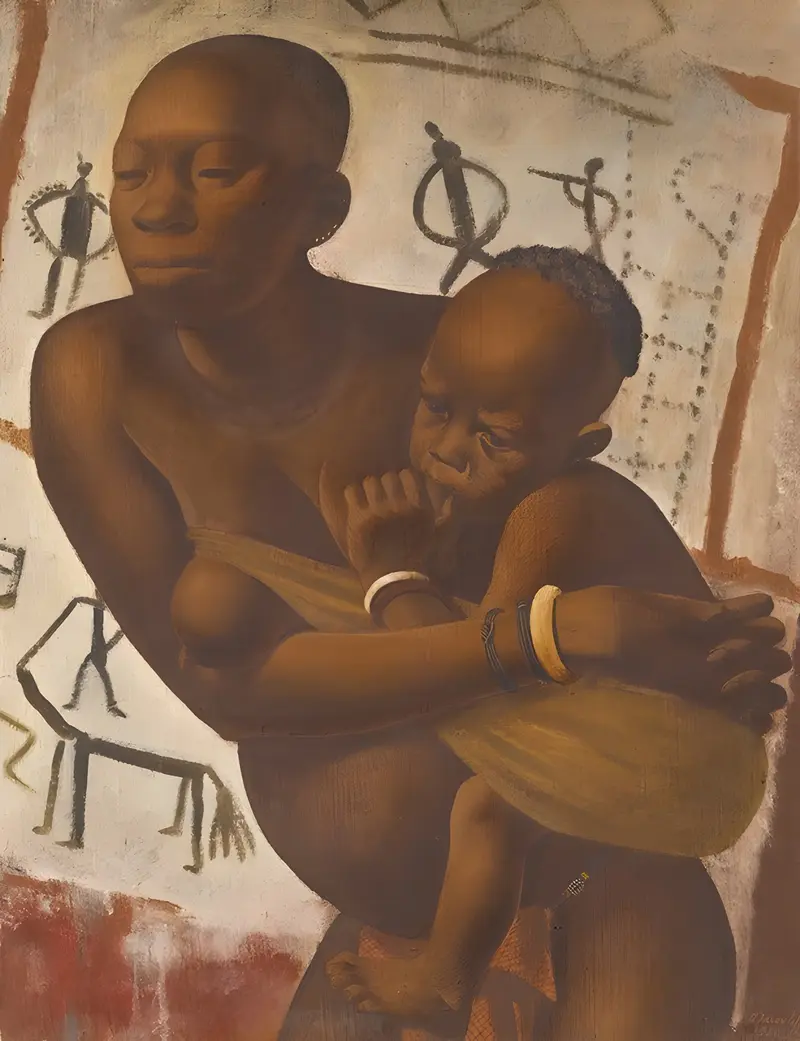
Banda Woman With Her Child
Alexandre Jacovleff





