Anxiété — History & Facts
What first catches the eye in Anxiété is the way unease seems to bloom from within the frame itself. A woman in a violet gown leans low among oversized white flowers, her fingers pressed to her lips in a gesture that hovers between contemplation and distress. Her hair, a deep, restless red, tumbles in waves that echo the churning, clouded sky behind her.
The palette is moody and deliberate: stormy blues and greens crowd around her, while the white blossoms—so open, so fragile—seem to both shelter and threaten. The tension in her posture, the way her gaze cuts sideways, draws the viewer into her state of mind, where beauty and anxiety are tightly entwined. Created in 1897, this decorative panel by Eugène Grasset belongs to a world enamored with the sinuous lines and symbolic language of Art Nouveau. Such works were commissioned to bring art into everyday life, adorning interiors and public spaces with scenes that blurred the boundary between fine art and design.
The publisher, G. de Malherbe in Paris, placed this image into the hands of a public eager for the new, the expressive, the psychologically charged. While little is recorded about this specific panel’s journey, its presence in the Bibliothèque nationale de France reminds us how the era’s anxieties—about modernity, femininity, nature—found their voice in images as much as in words.
The longer you look, the more the woman’s unease seems to seep into the air around her, asking you to linger in her unsettled world.
More Artworks by Eugène Grasset

Samuel Eviradnus 237 Maison de Victor Hugo
Eugène Grasset
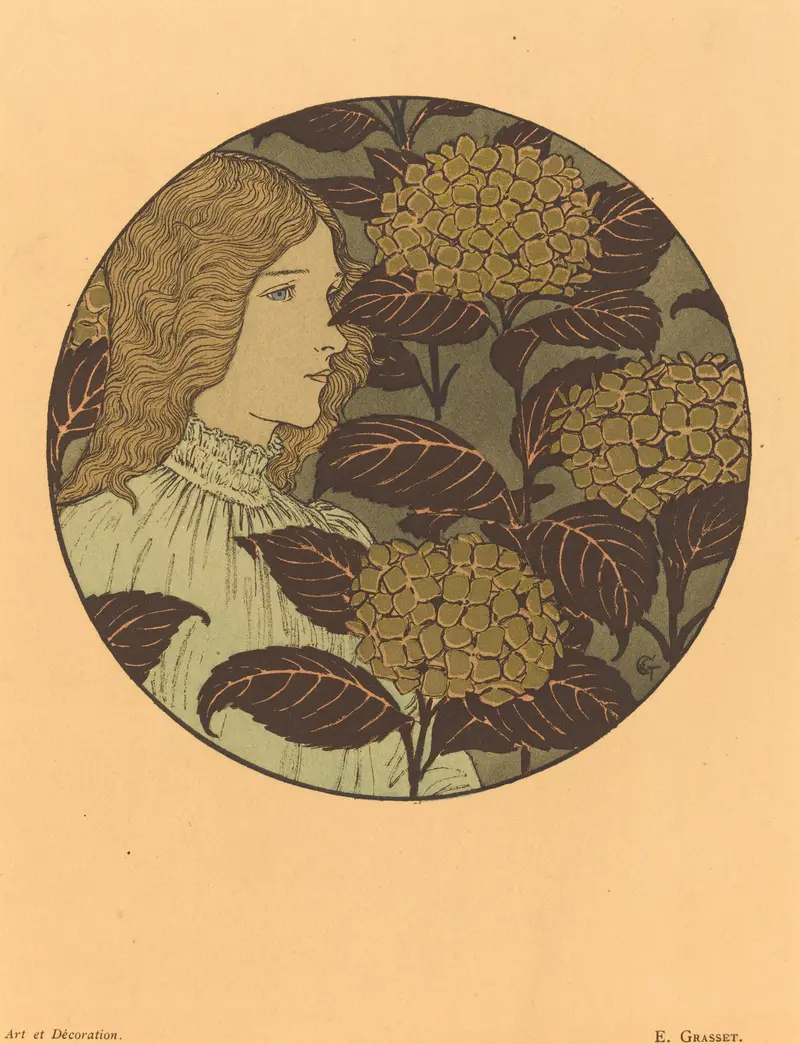
Portrait of a Girl (Roundel)
Eugène Grasset
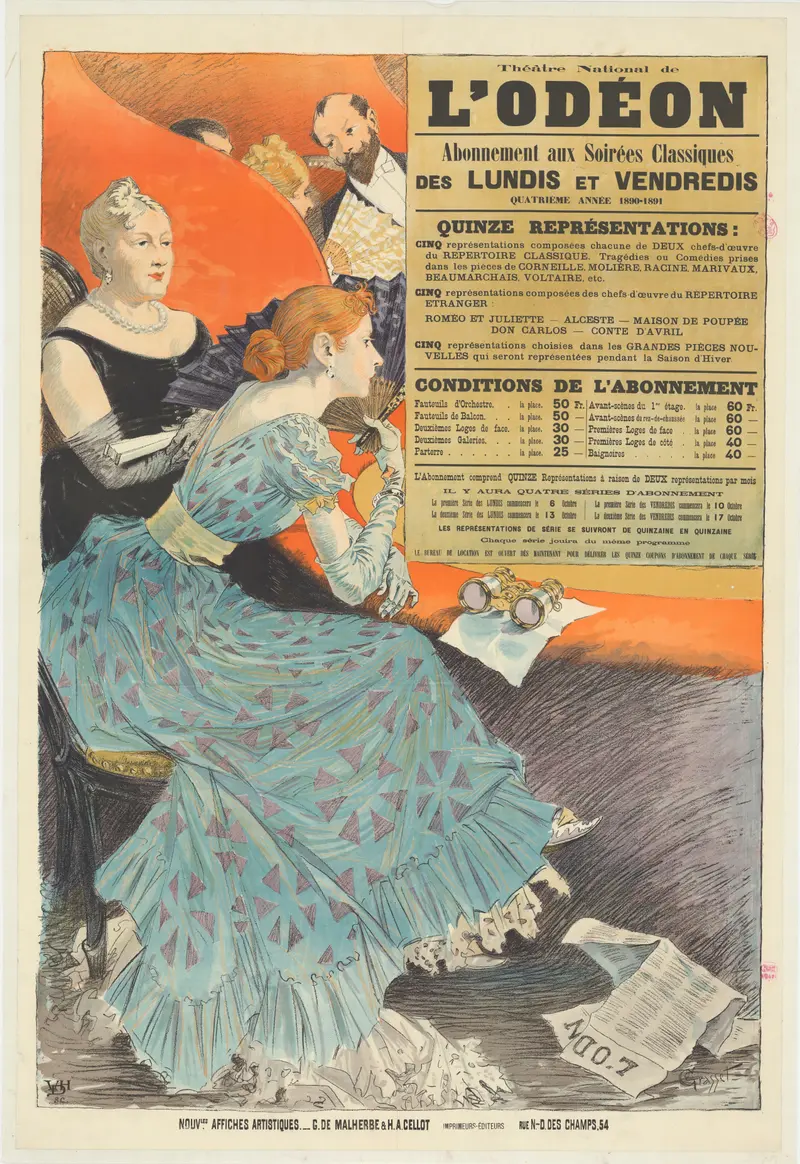
Théâtre National de l'Odéon
Eugène Grasset
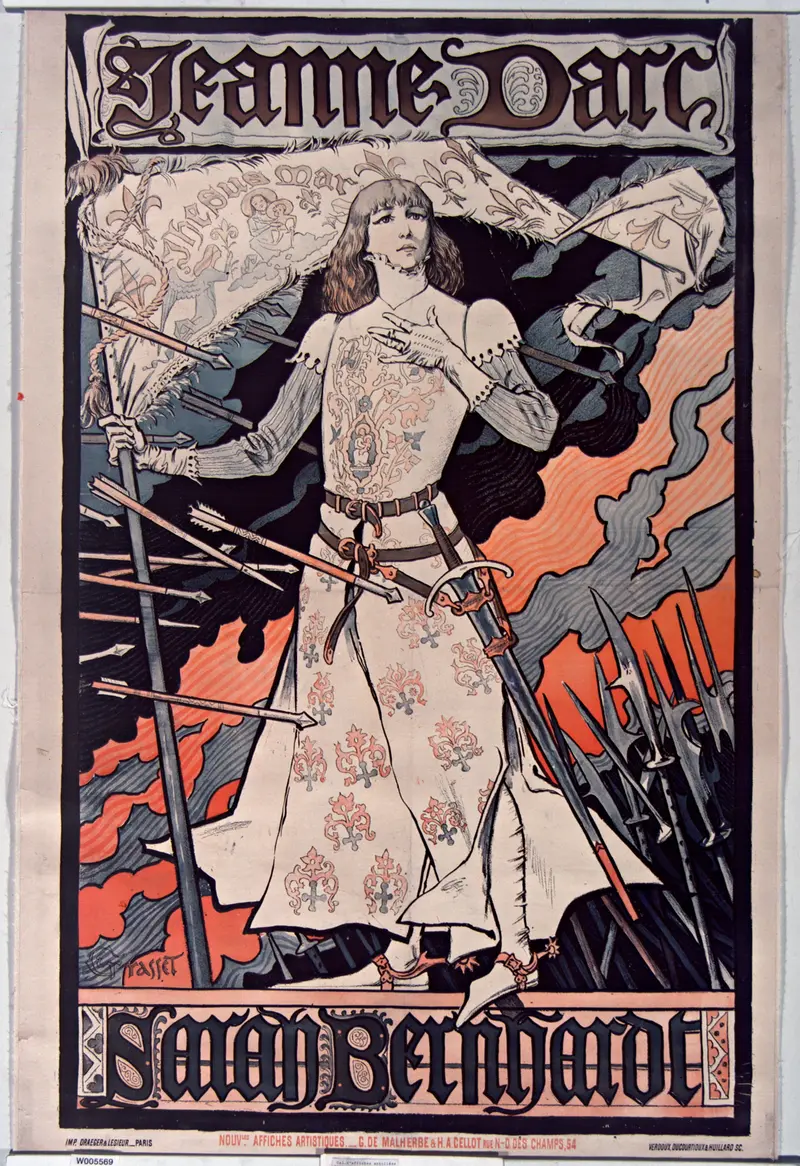
Jeanne d'Arc – Sarah Bernhardt
Eugène Grasset
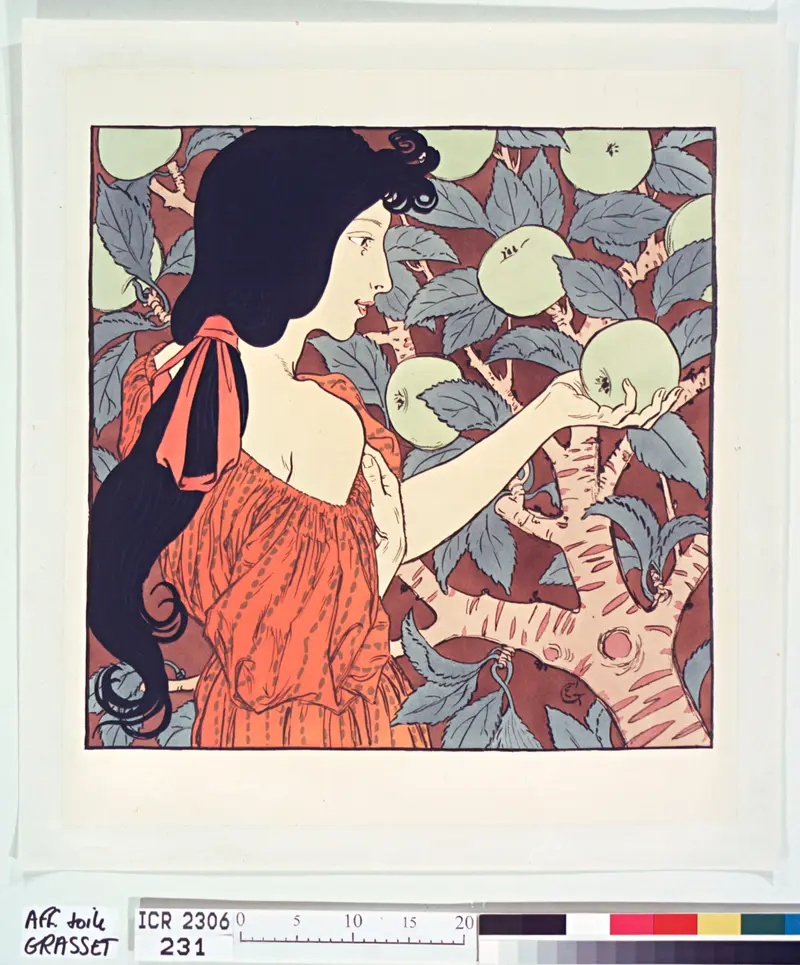
Tentation
Eugène Grasset
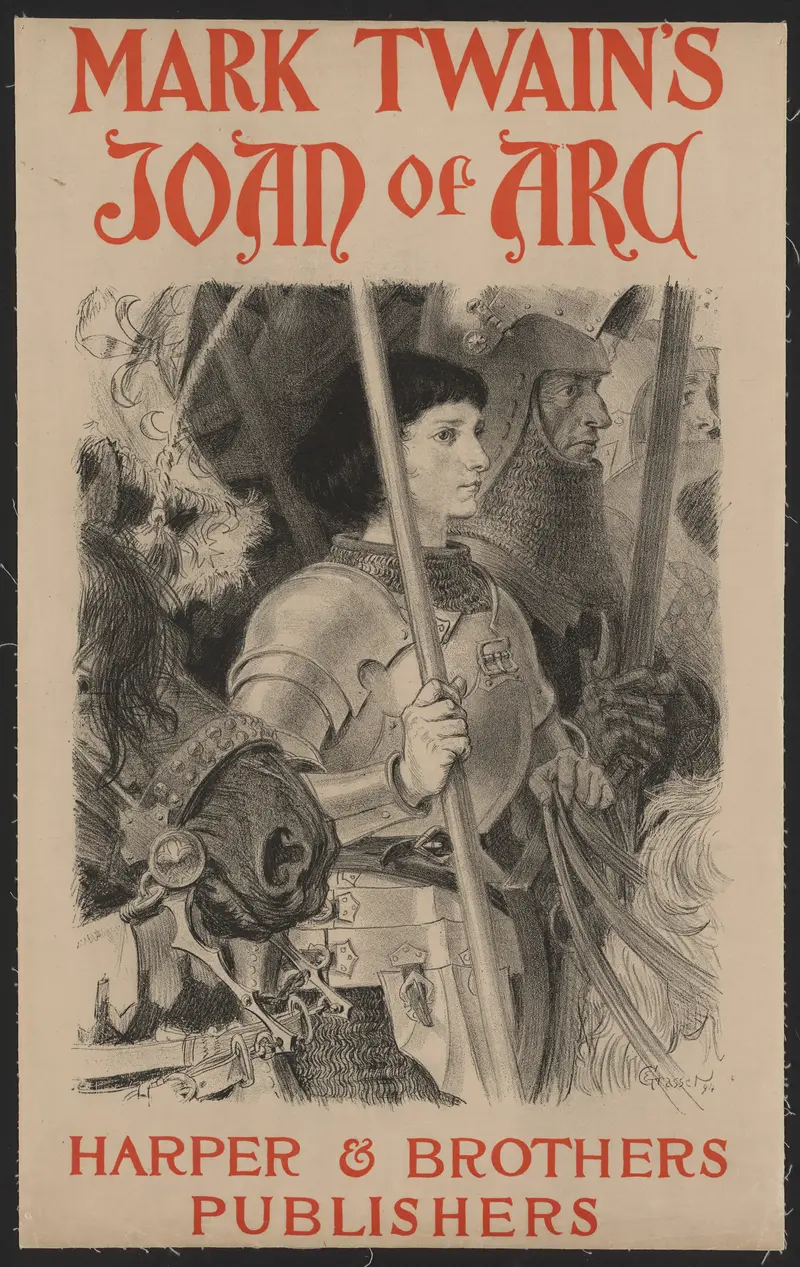
Mark Twain's Joan of Arc
Eugène Grasset
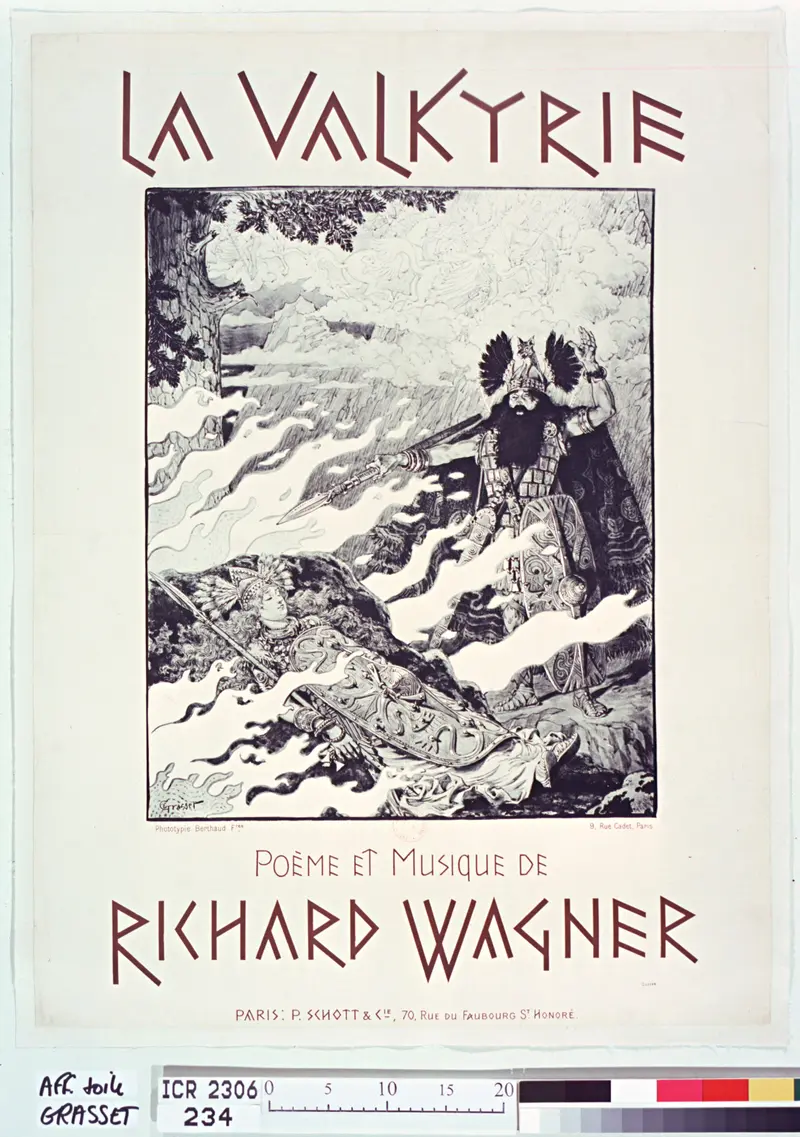
La Walkyrie
Eugène Grasset
Coquetterie
Eugène Grasset
L'Andalousie au temps des Maures
Eugène Grasset
La Grande Dame
Eugène Grasset