Apollo and Python — History & Facts
When Apollo and Python was first exhibited at the Royal Academy in 1811, it caused a stir for its wild, almost chaotic energy—one contemporary reviewer described the painting as “a whirlwind of flame and fury.” This was one of the earliest mythological subjects attempted by Joseph Mallord William Turner, better known for his landscapes and seascapes, and it marked a bold declaration of his ambition to rival the great history painters of his day. The work’s reception was divided: some praised its daring, while others found its forms nearly indecipherable. Turner’s choice to tackle the myth of Apollo’s first great deed was itself a statement, aligning his own artistic ascent with the god’s conquest. The scene captures the climactic moment when Apollo, newly armed with his golden bow, confronts the monstrous Python, guardian of Delphi.
Turner seizes the instant the arrow strikes: Apollo, radiant and youthful, stands amid a blaze of golden light, his arm outstretched, while the serpent writhes in agony, its sinuous body dissolving into the tumult of fire and smoke. The painting’s swirling forms and fierce contrasts—fiery yellows, deep shadows, and vaporous clouds—blur the boundaries between figure and landscape, suggesting both the violence of the act and the birth of something new. Unlike Poussin’s coolly ordered Apollo Slaying the Python, Turner’s version is all movement and elemental force, emphasizing the chaos from which order emerges. The physical history of Apollo and Python is less documented than Turner’s later works.
It was exhibited at the Royal Academy in 1811 and remained in the artist’s possession for much of his life, as was his custom with major canvases. Today, it is held in the Tate collection in London, where it is seen as a key early example of Turner’s engagement with myth and allegory. The painting marks a turning point in his career, foreshadowing the increasingly experimental use of color and light that would define his later masterpieces.
While the exact medium remains uncertain—Turner often worked in oil but was known for his innovations—the work stands as a testament to his restless imagination and ambition.
More Artworks by Joseph Mallord William Turner
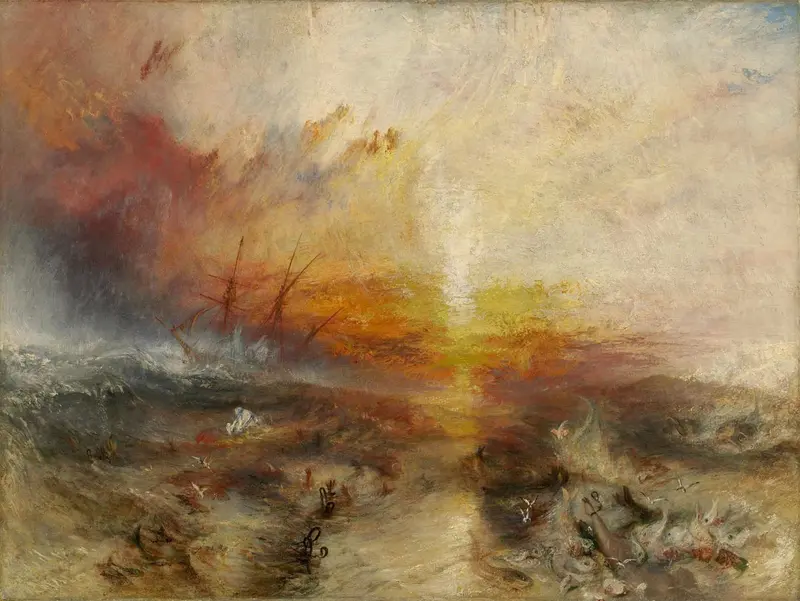
The Slave Ship
Joseph Mallord William Turner

Venice: The Giudecca Canal, Looking Towards Fusina at Sunset
Joseph Mallord William Turner
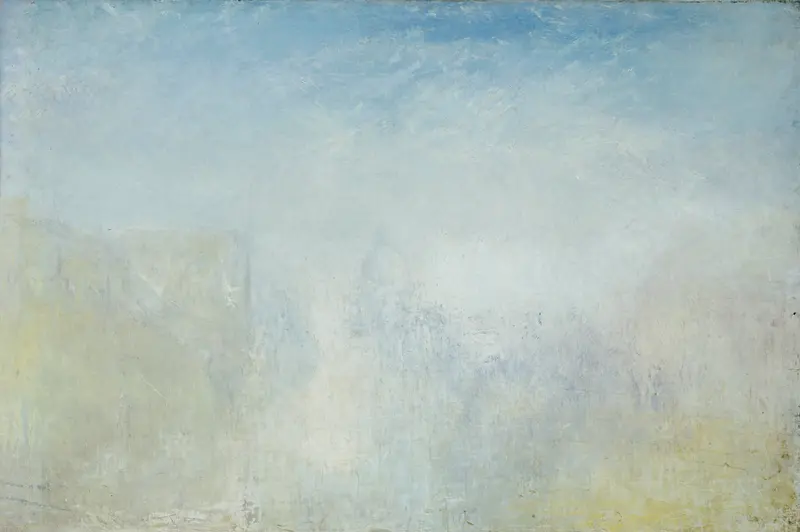
Venice with the Salute
Joseph Mallord William Turner
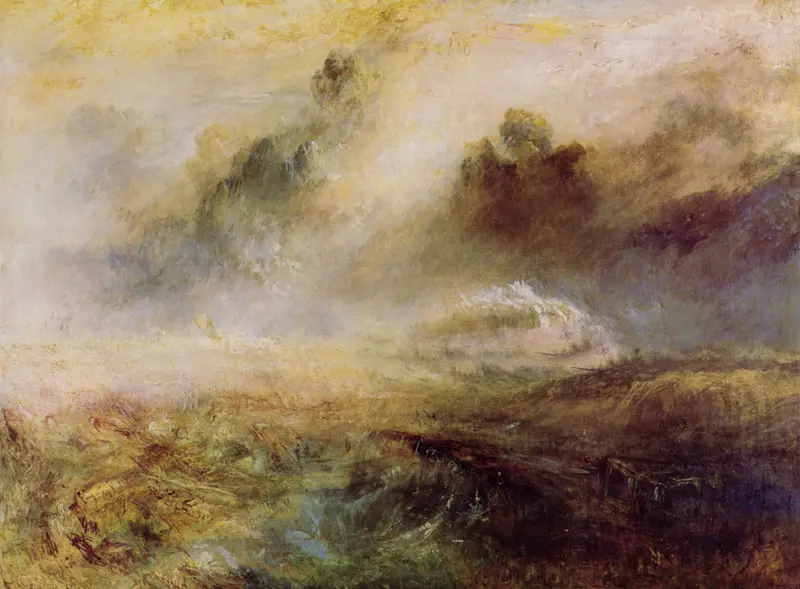
Rough Sea with Wreckage
Joseph Mallord William Turner
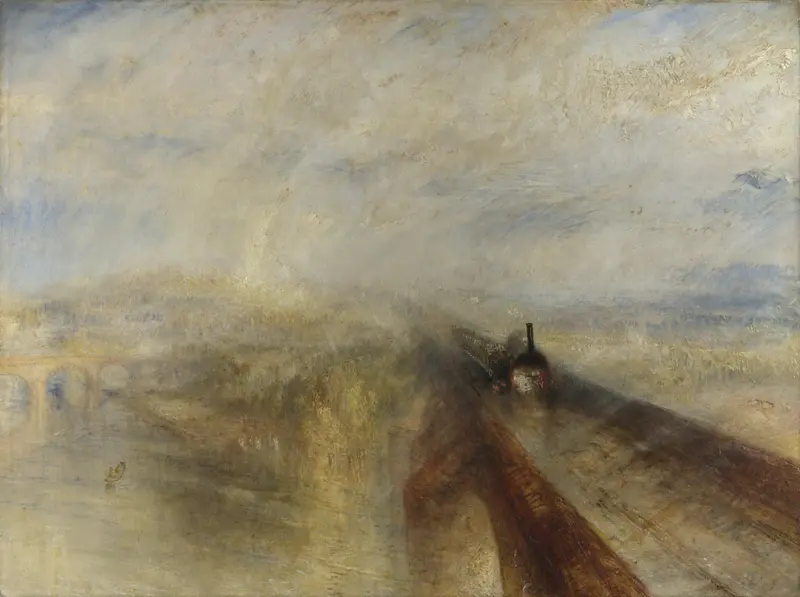
Rain, Steam and Speed – The Great Western Railway
Joseph Mallord William Turner
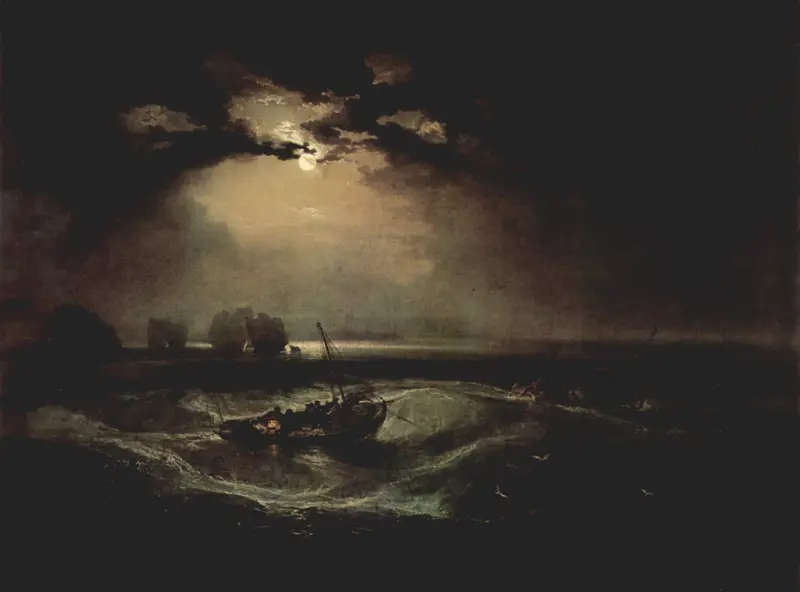
Fishermen at Sea
Joseph Mallord William Turner
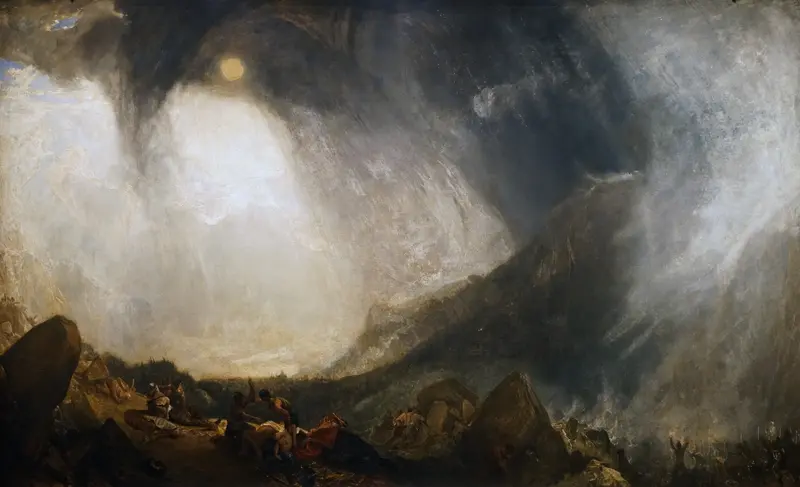
Snow Storm: Hannibal and his Army Crossing the Alps
Joseph Mallord William Turner
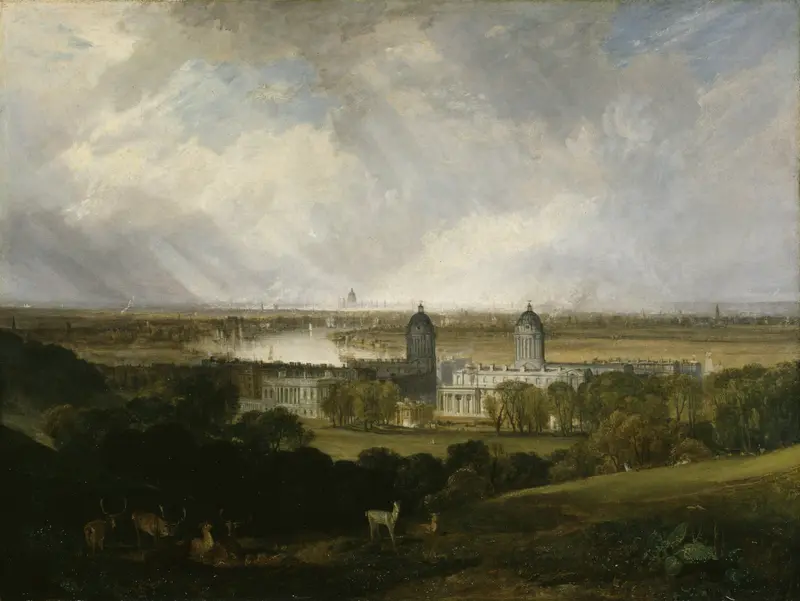
London from Greenwich Park
Joseph Mallord William Turner

Childe Harold’s Pilgrimage - Italy
Joseph Mallord William Turner

The Fighting Temeraire Tugged to Her Last Berth to be Broken Up
Joseph Mallord William Turner