Après Un Déjeuner; Bords De La Seine — History & Facts
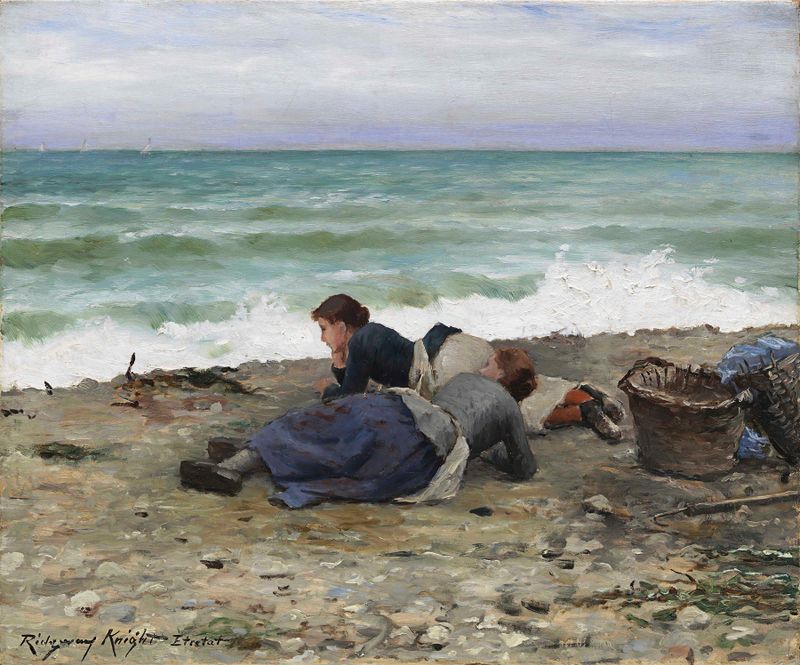
This sentiment whispers through the serene landscape captured just beyond the edge of time. The quietude and intimacy of this moment invite us to reflect on the beauty of life’s fleeting encounters. Look to the left at the gracefully draped figure seated upon the banks of the Seine, her dress flowing like the gentle current nearby. The warm, golden light bathes her in a soft glow, enhancing the tranquil palette of greens and browns.
Notice how the artist employs delicate brushstrokes to create a sense of movement in the water, contrasting with the stillness of the woman’s contemplative posture, inviting you to linger in the moment. As you delve deeper, consider the juxtaposition of solitude and connection. The solitary figure suggests introspection, while the lush, verdant surroundings hint at the vibrant life just beyond her gaze. There’s an emotional tension between the serenity of nature and the quiet turmoil of human thought, a reminder of time’s relentless passage as the world continues to unfold around her. Created in 1918, this piece reflects a period of profound change for Daniel Ridgway Knight, an American painter residing in France.
The aftermath of World War I was reshaping society, yet his focus remained on capturing the peaceful beauty of rural life and the introspective moments it offers. As the world grappled with its upheaval, this artwork stands as a testament to the enduring solace found in nature and the personal journey of the soul.