
Arab figures in a vault within the Al-aqsa mosque, Jerusalem — History & Facts
Could a single brushstroke hold eternity? In Arab Figures in a Vault within the Al-Aqsa Mosque, Jerusalem, the fleeting moment captured suggests the timelessness of culture and spirituality entwined with the fabric of history. Look to the intricate arches that frame the composition, drawing your attention to the vibrant interplay of light and shadow. Notice how the warm hues of terra cotta and gold glimmer against the cool blues and greens, evoking a sense of reverence. The figures, adorned in traditional attire, occupy the space with a serene dignity, their postures reflecting both stillness and understated movement, as if caught in conversation that transcends the boundaries of time and place. Delve deeper, and you’ll find the juxtaposition of architectural grandeur and the intimate gestures of the figures.
The intricate patterns on the vault above act as a historical narrative in themselves, echoing the artistry of generations. Each figure's expression and stance tell a story of connection to their heritage, while the expansive architectural space seems to envelop them, suggesting a dialogue between the past and present, spirit and matter. In 1863, Carl Haag painted this work during a period when he was deeply engaged with Eastern themes. Residing in England, he traveled extensively across the Middle East, seeking to capture the rich cultural and historical landscapes.
This was a time of fascination for Western artists with the Orient, as they grappled with their own cultural narratives while striving to portray the beauty and complexity of those they encountered.
More Artworks by Carl Haag
Browse all →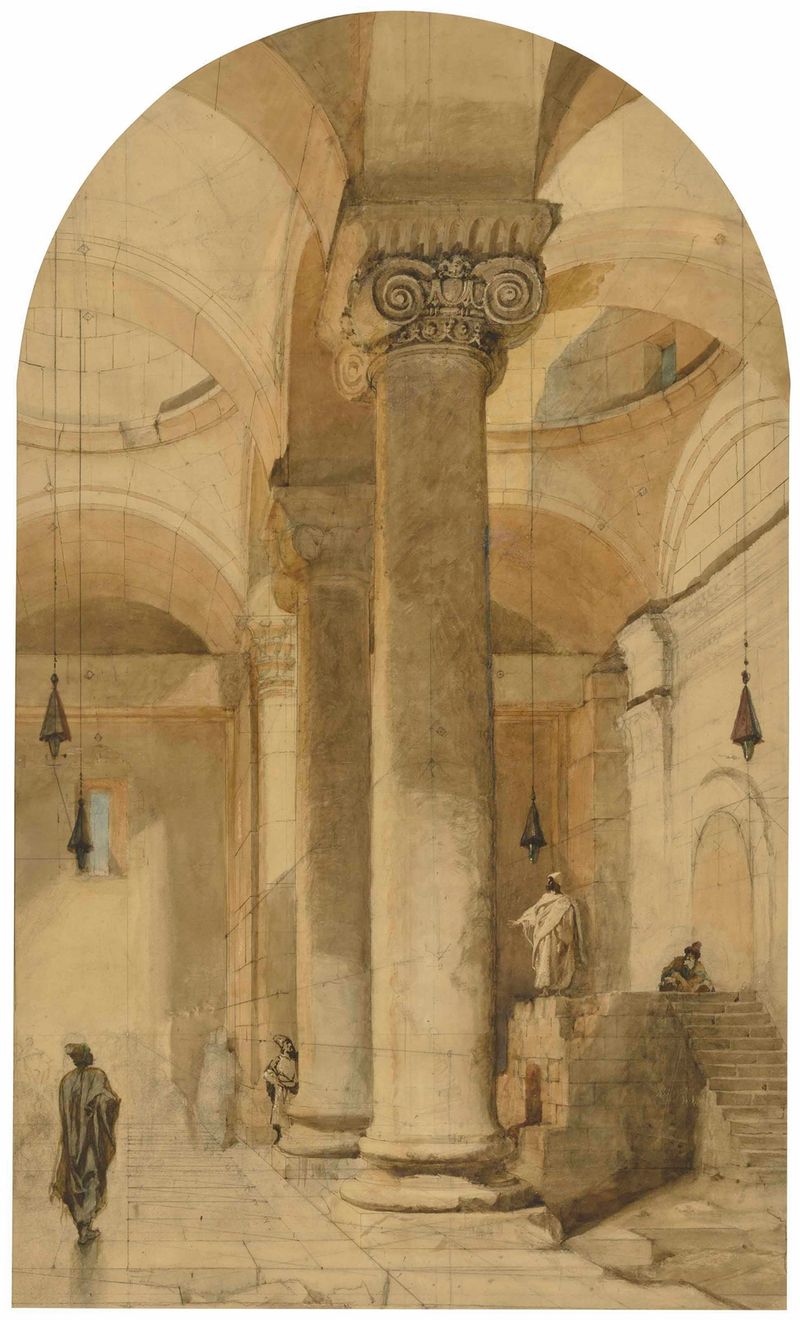
Interior of the Golden Gateway in the Temple area of Jerusalem
Carl Haag
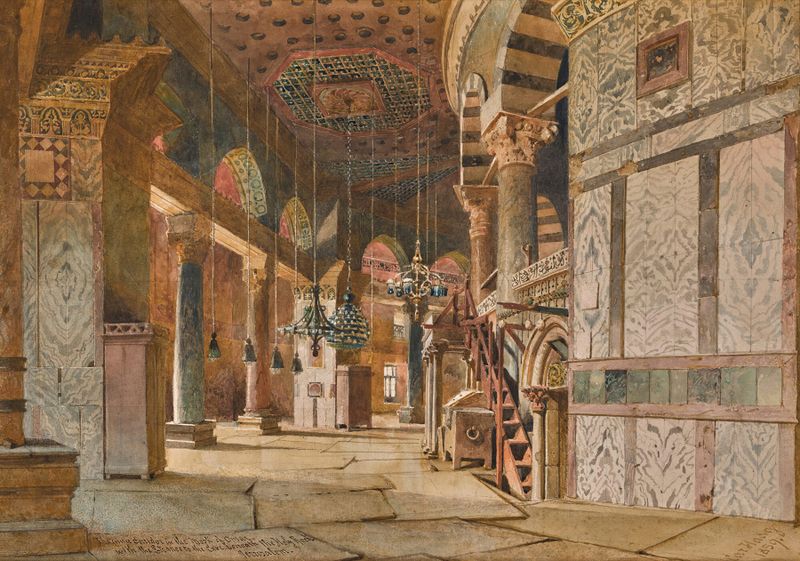
The inner corridor of the dome of the rock, Jerusalem
Carl Haag
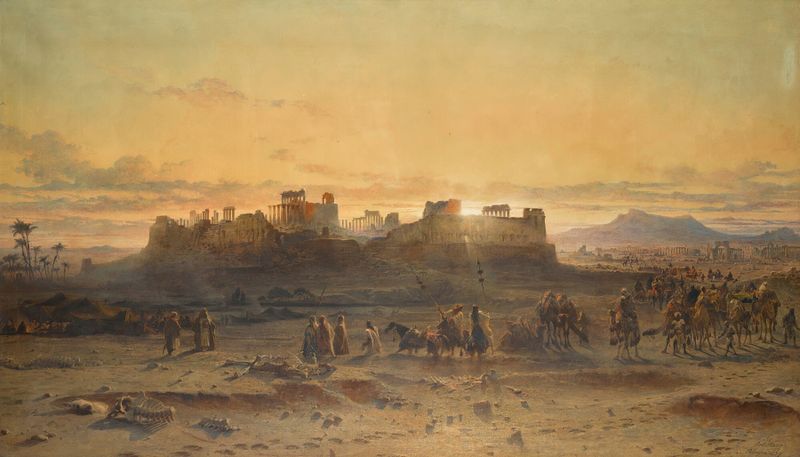
The ruins of the temple of the sun, Palmyra
Carl Haag
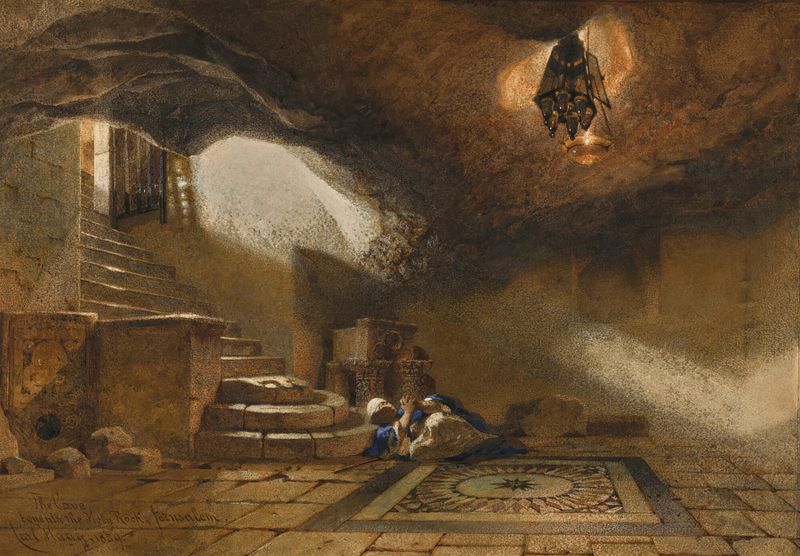
The cave beneath the Holy rock, Jerusalem
Carl Haag
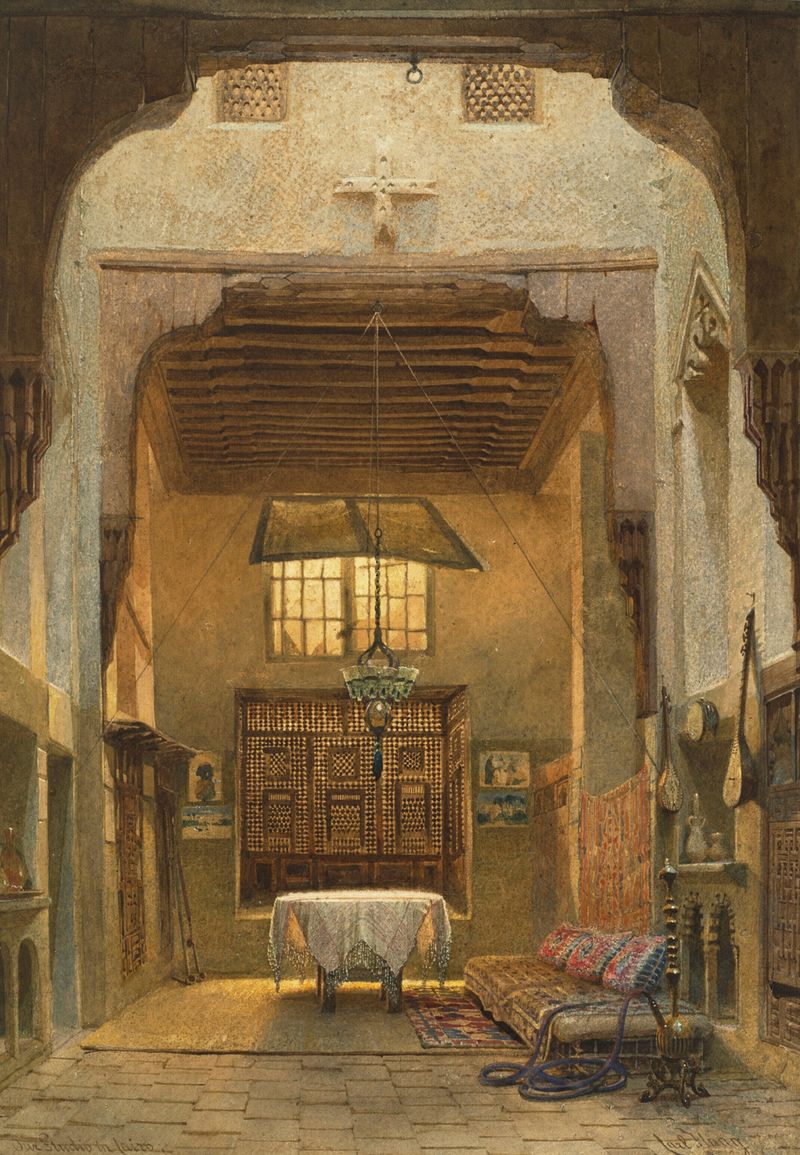
The artist’s studio in Cairo
Carl Haag
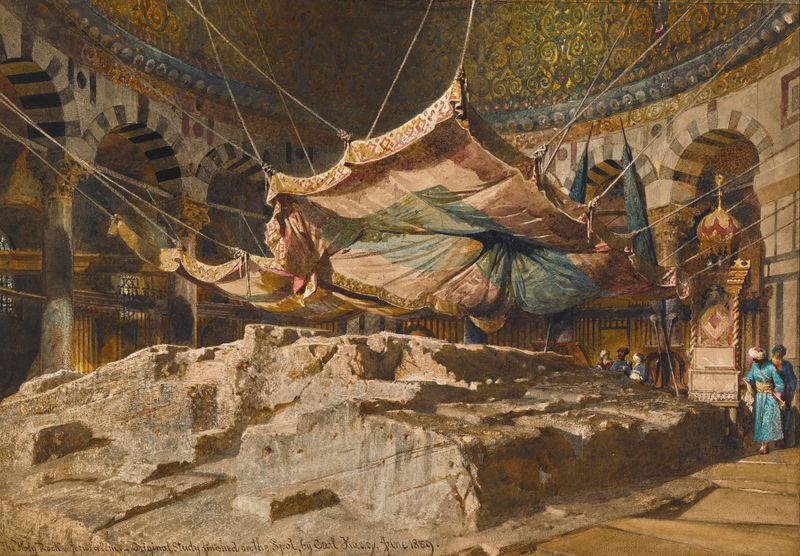
The Holy rock, Jerusalem
Carl Haag
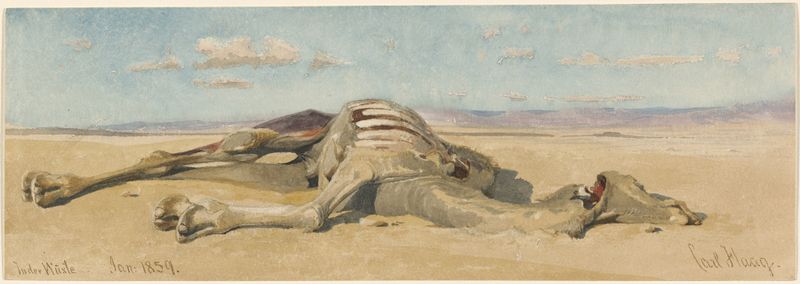
In der Wüste (In the Desert)
Carl Haag
More Religious Art
Browse all →
The Return of the Prodigal Son
Rembrandt van Rijn

The Garden of Earthly Delights
El Bosco

Count Orgaz’ funeral
El Greco

The Hundred Guilder Print: the central piece with Christ preaching, the plate arched
Rembrandt van Rijn

The Descent from the Cross
Rogier van der Weyden

The return of the prodigal son
Rembrandt van Rijn