
The inner corridor of the dome of the rock, Jerusalem — History & Facts
Can paint confess what words never could? In a world where silence speaks of destiny, the beauty of architecture transcends mere structure, inviting contemplation of the divine. Look to the intricate patterns that dance across the dome's surface, where light filters softly through ancient arches. The vivid blues and golds harmonize with the cool stone, drawing your gaze upward into an ethereal embrace. Notice how the delicate calligraphy intertwines with geometric designs, creating a palpable rhythm that evokes both reverence and awe.
Each brushstroke reflects the artist’s fascination with the sacred, as his meticulous attention to detail captures the nuances of light and shadow. Yet beyond the surface lies an emotional tension rooted in history and faith. The contrast between the ornate elements and the stillness of the space invites viewers to ponder the myriad of souls that have traversed this hallowed ground. Haag’s portrayal evokes a sense of longing, as if the architecture itself is whispering stories of the past, shaping destinies in the fleeting moments of prayer and reflection.
In the stillness of this corridor, one can sense the weight of time, echoing with both hope and sorrow. In 1859, Haag painted this work during a period of increasing interest in Orientalism, as Western artists sought to capture the allure of Eastern landscapes and architecture. Living in Munich, he was influenced by his travels to the Middle East, where he immersed himself in the cultural and spiritual significance of his subjects. This painting reflects not only his artistic journey but also a broader fascination with the interplay between East and West, exploring themes of faith and identity in a rapidly changing world.
More Artworks by Carl Haag
Browse all →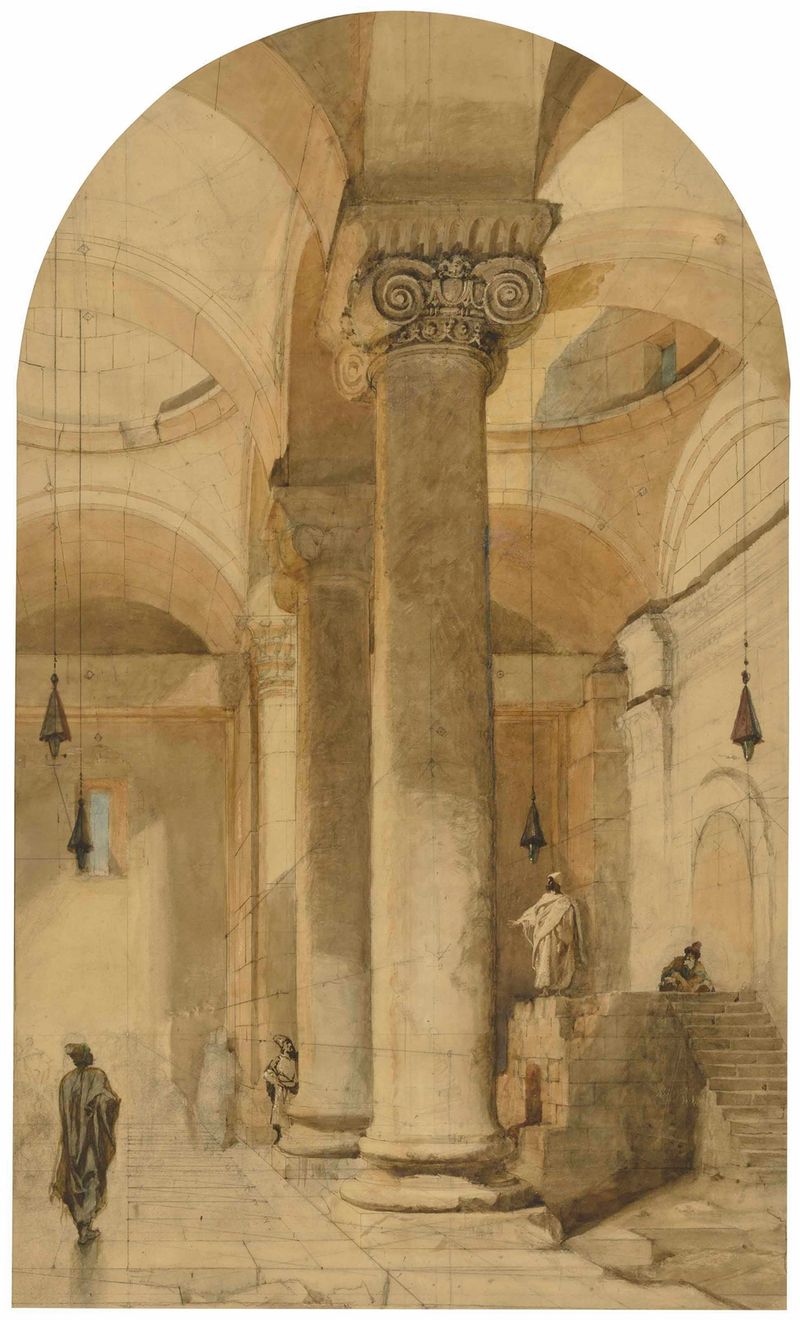
Interior of the Golden Gateway in the Temple area of Jerusalem
Carl Haag
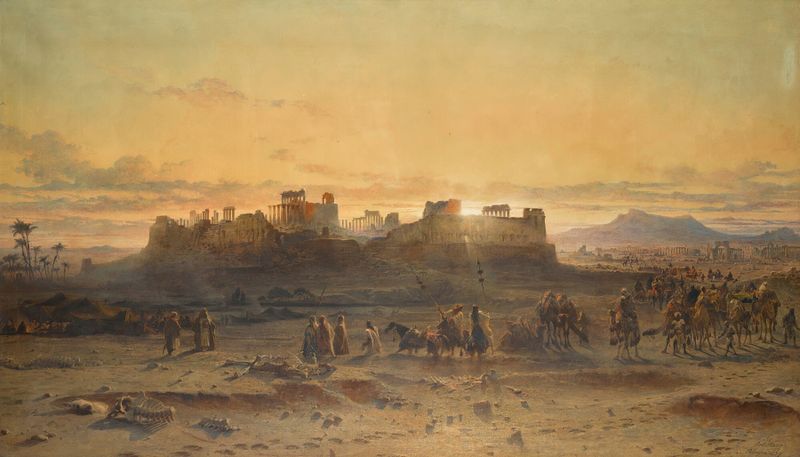
The ruins of the temple of the sun, Palmyra
Carl Haag
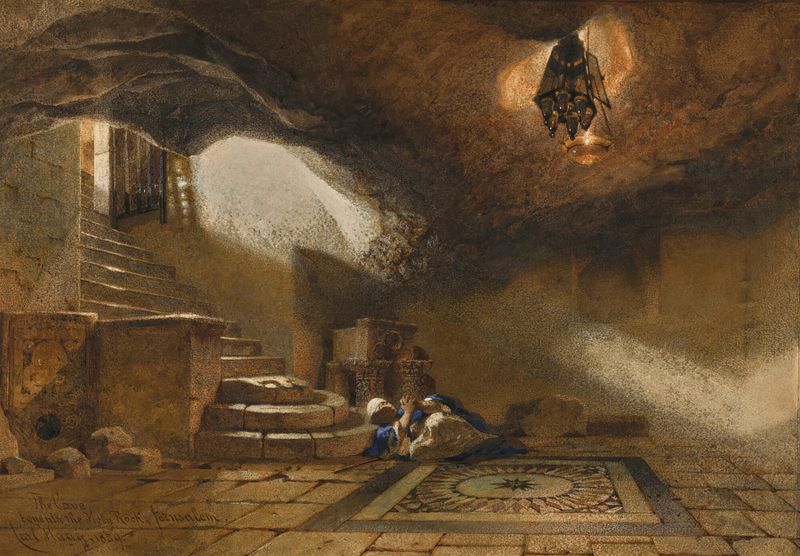
The cave beneath the Holy rock, Jerusalem
Carl Haag
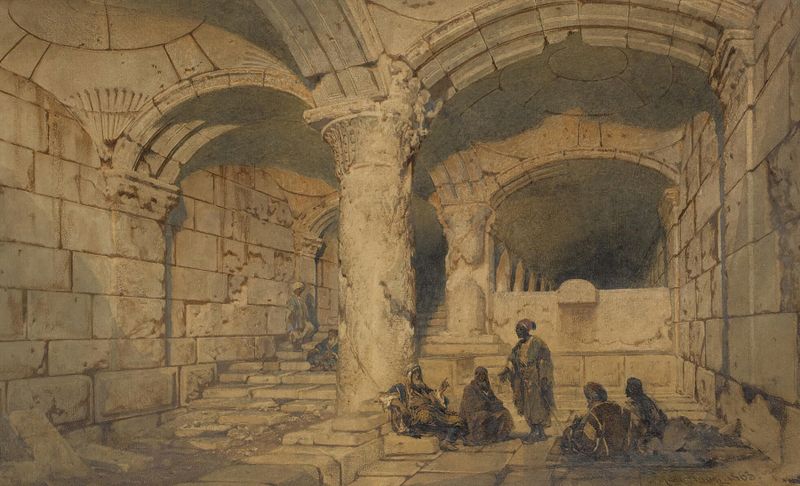
Arab figures in a vault within the Al-aqsa mosque, Jerusalem
Carl Haag
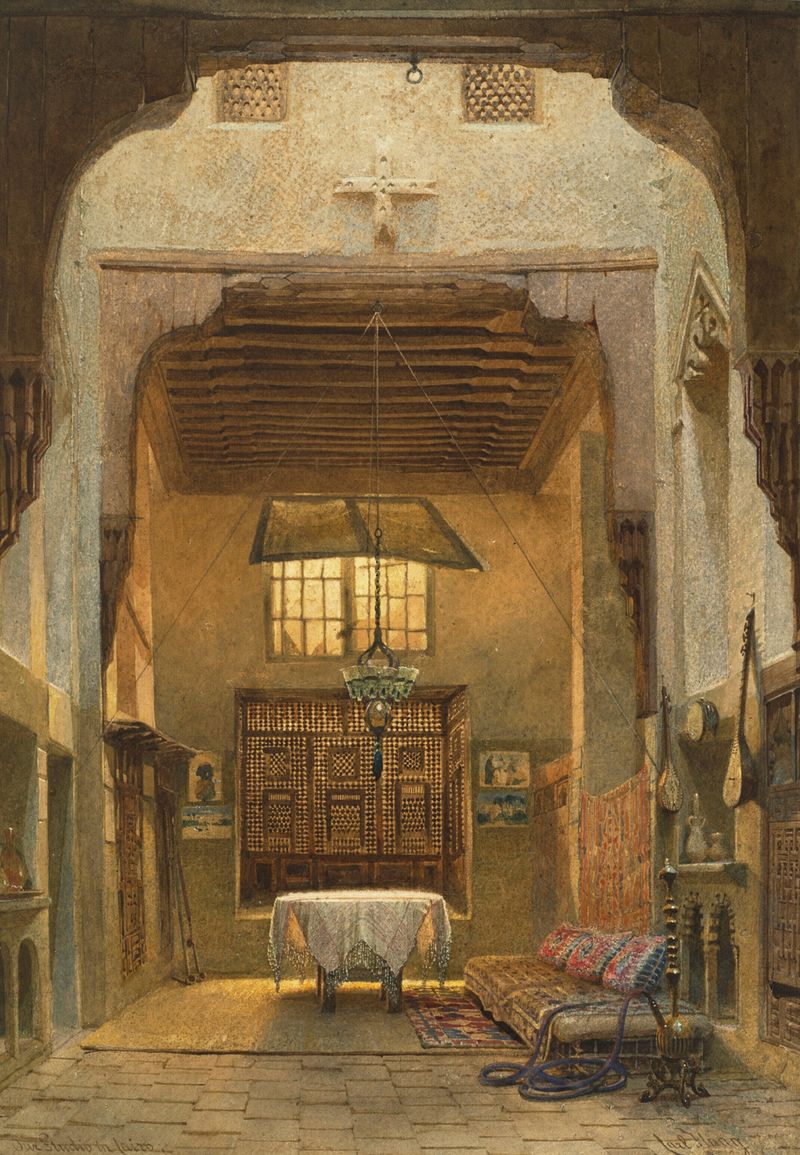
The artist’s studio in Cairo
Carl Haag
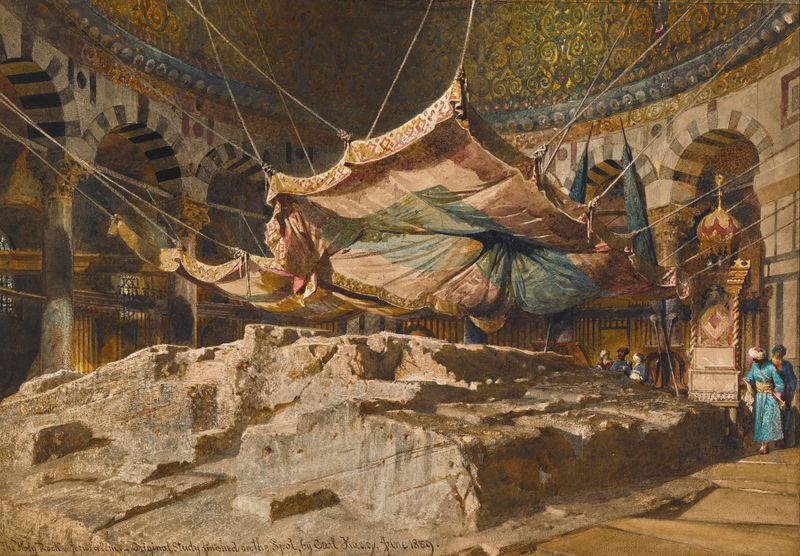
The Holy rock, Jerusalem
Carl Haag
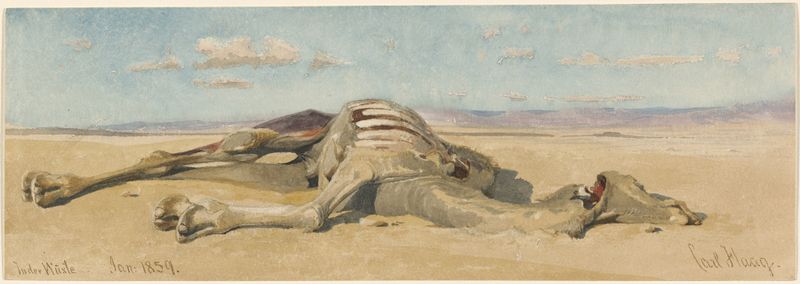
In der Wüste (In the Desert)
Carl Haag
More Architecture Art
Browse all →
The statue of Liberty
Frédéric Auguste Bartholdi

View of Houses in Delft, Known as ‘The Little Street’
Johannes Vermeer

View of Houses in Delft, Known as ‘The Little Street’
Johannes Vermeer

The Cathedral in Rouen. The portal, Grey Weather
Claude Monet

The yellow house
Vincent van Gogh

The Church in Auvers-sur-Oise, View from the Chevet
Vincent van Gogh