
The Holy rock, Jerusalem — History & Facts
In the quiet folds of loss, the landscape often tells a more poignant story than words can capture. The interplay between the sacred and the sorrowful invites us to explore the depth of human experience, where joy and grief intertwine. Look towards the center of the canvas, where the golden light bathes the rocky outcrop, drawing the eye to the Holy Rock itself. The warm hues contrast with the cool shadows that envelop the surrounding landscape, highlighting the weight of history that clings to this sacred site.
Each brushstroke reveals Haag's meticulous attention to detail, from the delicate grasses swaying in the breeze to the distant hills that seem to whisper tales of yore. The composition strikes a balance between majesty and melancholy, evoking a sense of reverence for the place and its stories. Delve deeper into the painting's layers, and you'll uncover the emotional tension between the serene beauty of the landscape and the underlying sense of loss. The rock, a symbol of spiritual significance, stands resolutely against the backdrop of nature's grandeur, yet its isolation echoes the ache of absence.
A lone figure in the foreground may represent the wanderer or seeker, hinting at the personal journeys of those who have come to grapple with their own losses in this sacred space. In 1859, Haag painted this work during a time when the world of art was increasingly focused on realism and the capture of light. He was inspired by his travels through the Middle East, where the contrasts of desert life and holy sites stirred his creative spirit. As he stood before this iconic landmark, he sought to convey not just its physical presence but the emotional gravitas it holds for those who revere it, reflecting a broader curiosity about faith and the human condition.
More Artworks by Carl Haag
Browse all →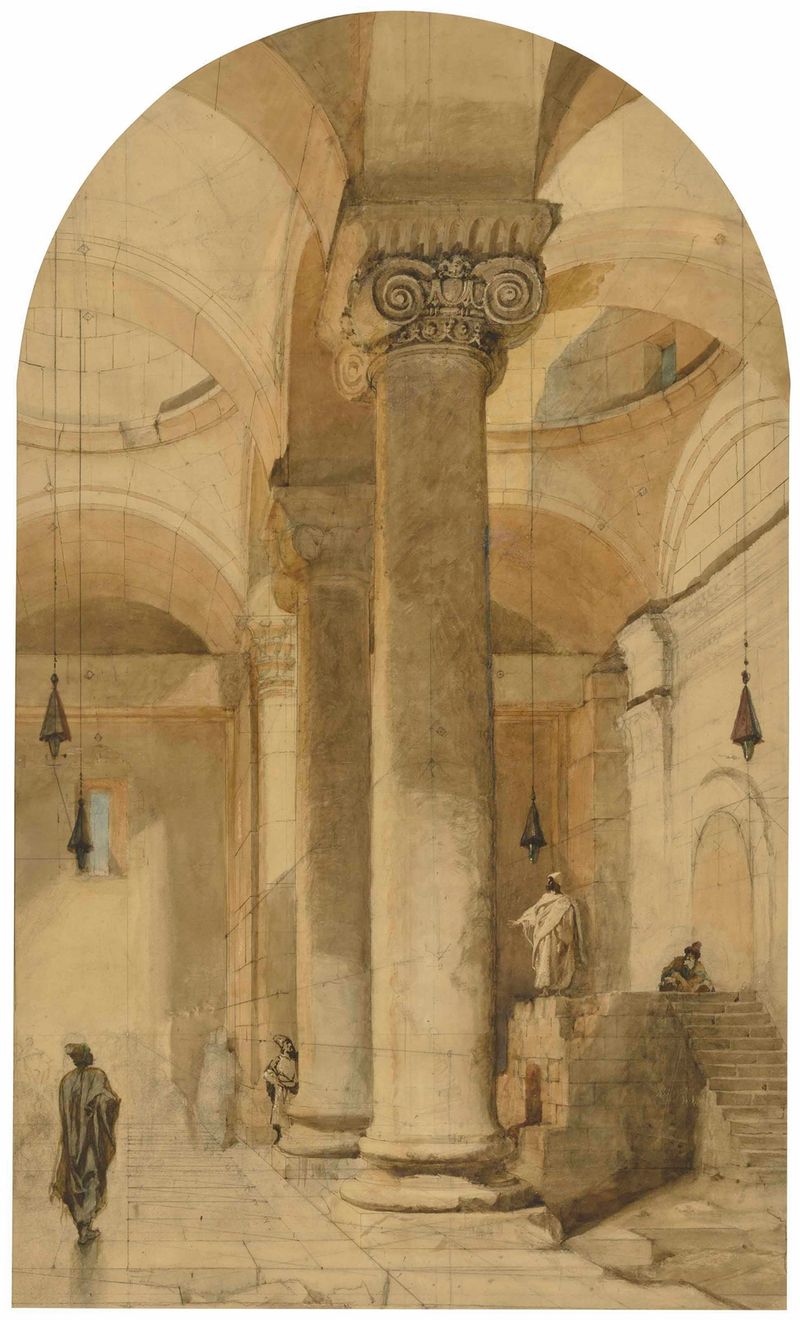
Interior of the Golden Gateway in the Temple area of Jerusalem
Carl Haag
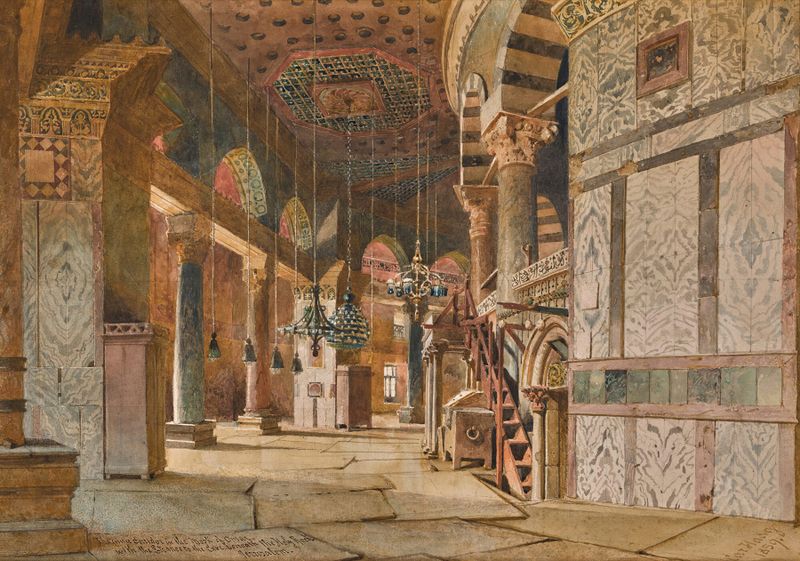
The inner corridor of the dome of the rock, Jerusalem
Carl Haag
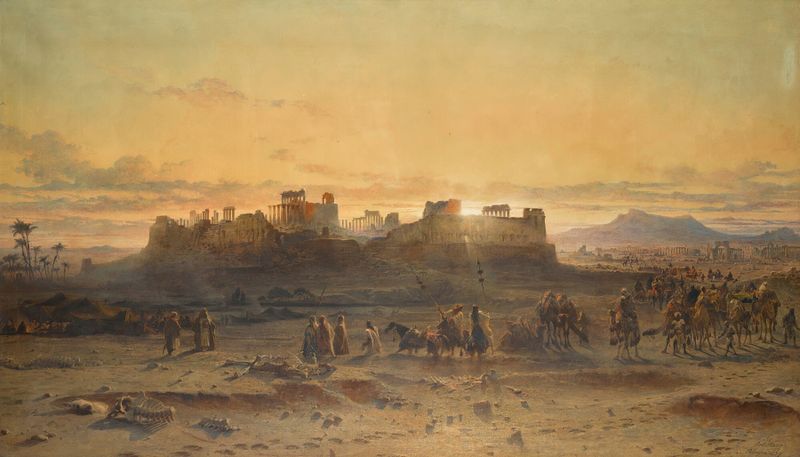
The ruins of the temple of the sun, Palmyra
Carl Haag
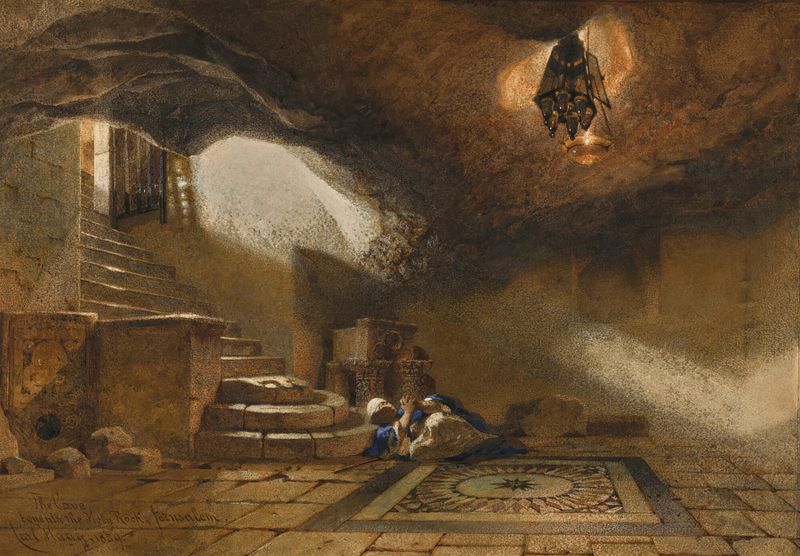
The cave beneath the Holy rock, Jerusalem
Carl Haag
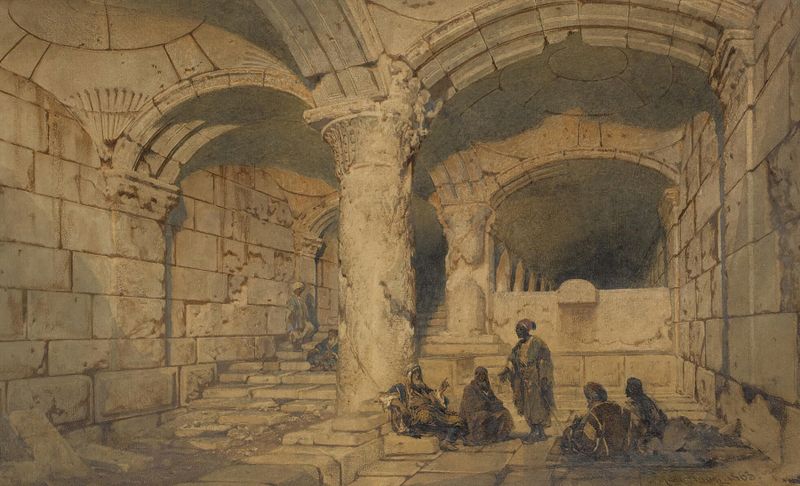
Arab figures in a vault within the Al-aqsa mosque, Jerusalem
Carl Haag
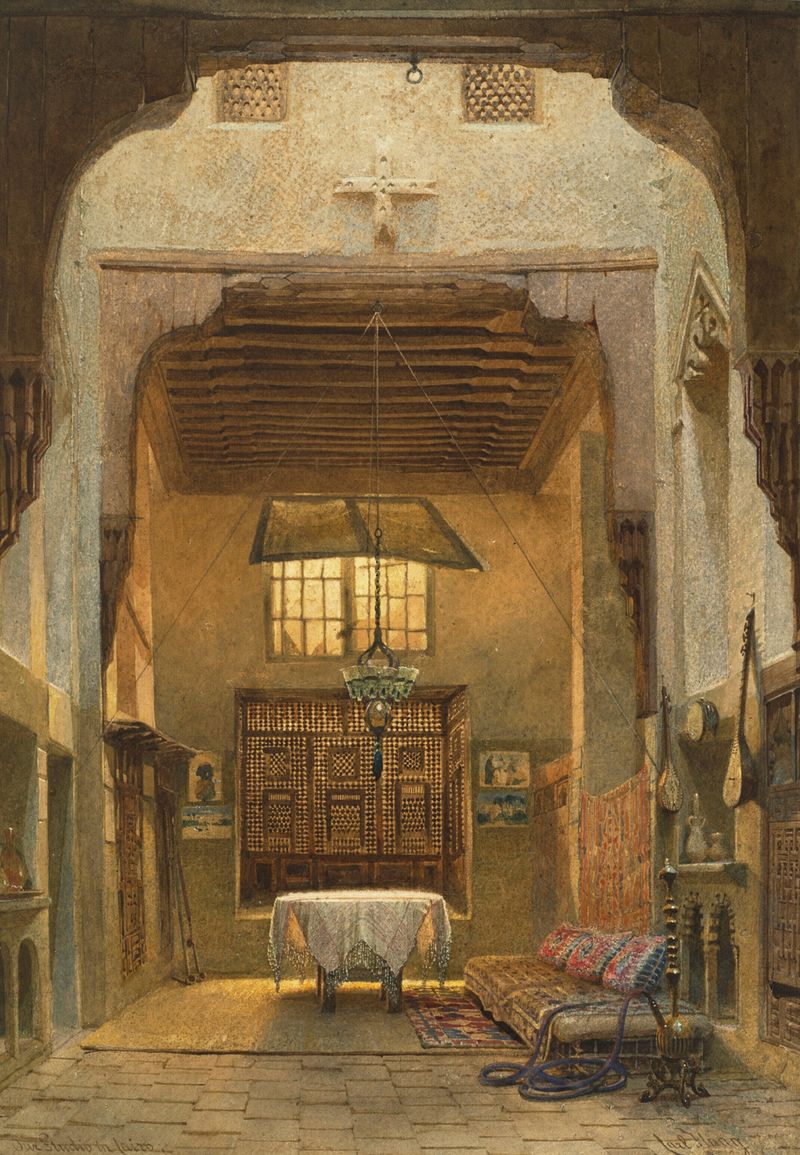
The artist’s studio in Cairo
Carl Haag
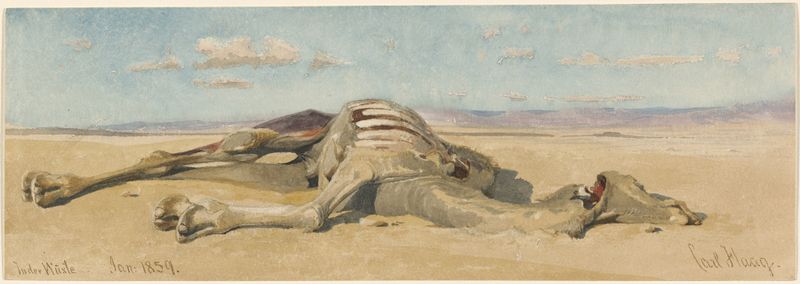
In der Wüste (In the Desert)
Carl Haag





