
Arab Pulpit in the Great Mosque at Cordova — History & Facts
Could beauty survive in a century of chaos? In an echoing silence, Arab Pulpit in the Great Mosque at Cordova stands as a testament to resilience, whispering stories of faith and artistry amidst the tumultuous tides of history. Focus on the delicate intricacies of the pulpit’s design—the ornate carvings twist upwards, drawing your gaze toward the heavens. Notice how light bathes the intricate tile work in soft hues, illuminating its geometric patterns with a divine radiance. The pulpit, with its rich textures and harmonious forms, serves not just as a focal point but as a bridge between the earthly and the divine, inviting the viewer to explore its depths. Yet, the silence resonates deeper than mere aesthetics.
The contrasting play of light and shadow evokes a sense of both reverence and loss, suggesting the spiritual echoes of countless prayers whispered within these walls. Each detail—the meticulous calligraphy, the arabesque motifs—hints at a cultural convergence, where Islamic art thrived amidst a backdrop of political strife, embodying a unity that challenges the chaos surrounding it. Created in a period marked by upheaval in both Spain and the broader European context, the artist captured this moment of transcendent beauty while navigating the complex landscape of post-Enlightenment artistic expression. It was an era when Smith, immersed in the study of historical architecture, sought to preserve the beauty of a past that was increasingly threatened by modernity.
The Arab Pulpit thus emerges not only as an artistic masterpiece but as a poignant reminder of the enduring power of art in turbulent times.
More Artworks by Charles Hamilton Smith
Browse all →
Situation of H.M.S. Hecla & Griper
Charles Hamilton Smith
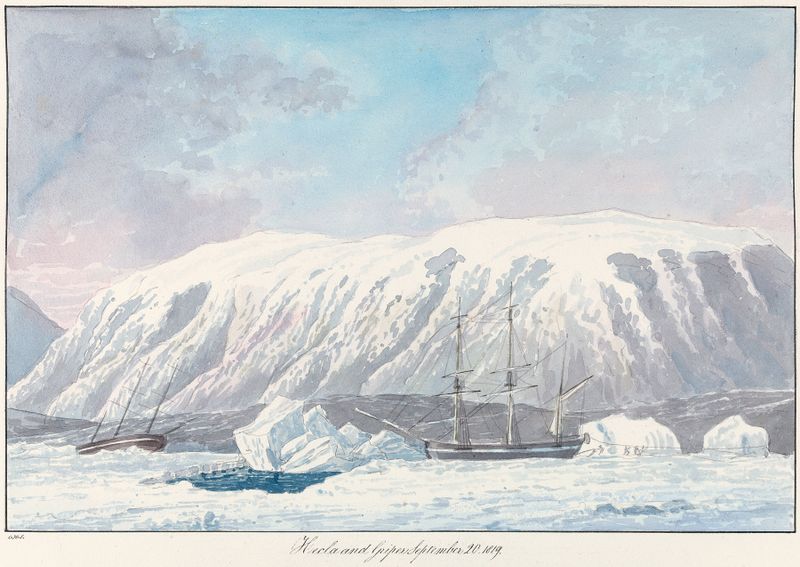
Hecla and Griper
Charles Hamilton Smith

Friendly Cove, Nootka Sound
Charles Hamilton Smith

Iceberg in Baffin’s Bay
Charles Hamilton Smith
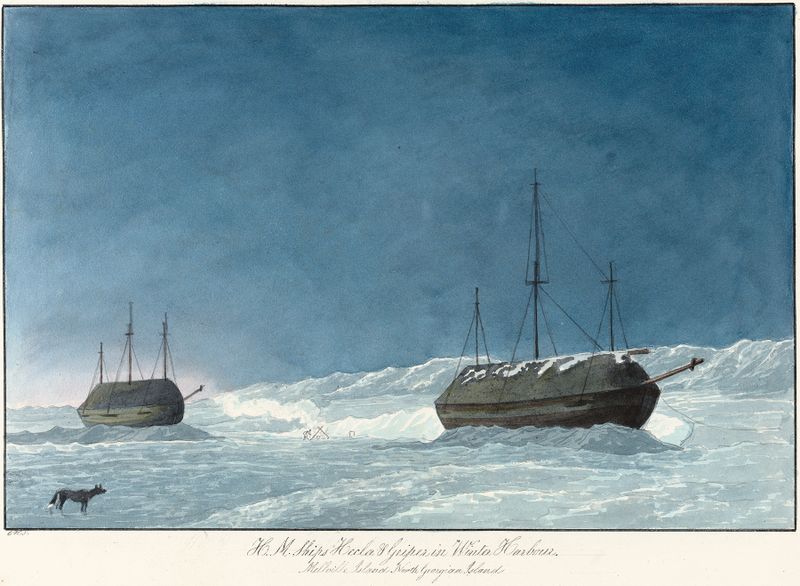
H. M. Ships Hecla and Griper in Winter Harbour
Charles Hamilton Smith

The Erebus & Terror in a Gale in the Pack of the Ice
Charles Hamilton Smith
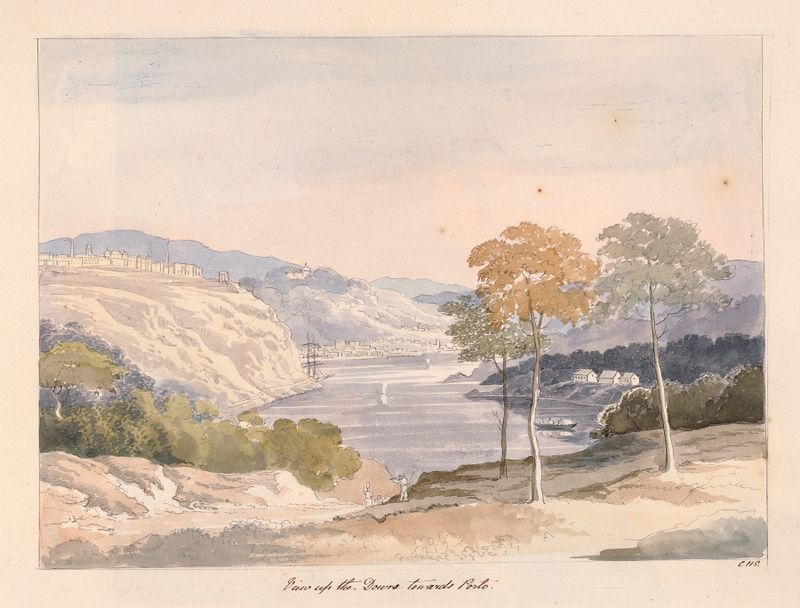
View of the Douro towards Porto
Charles Hamilton Smith
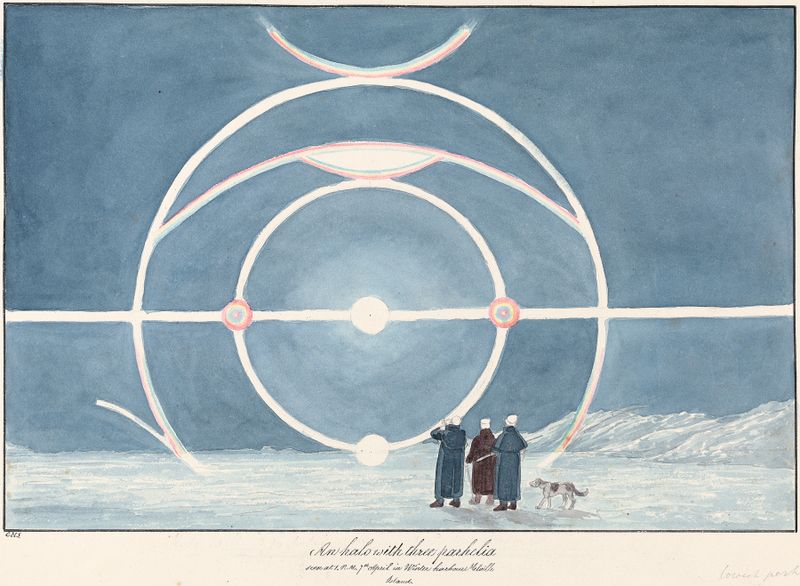
Halo with Three Parhelia, Winter Harbour Melville Island
Charles Hamilton Smith
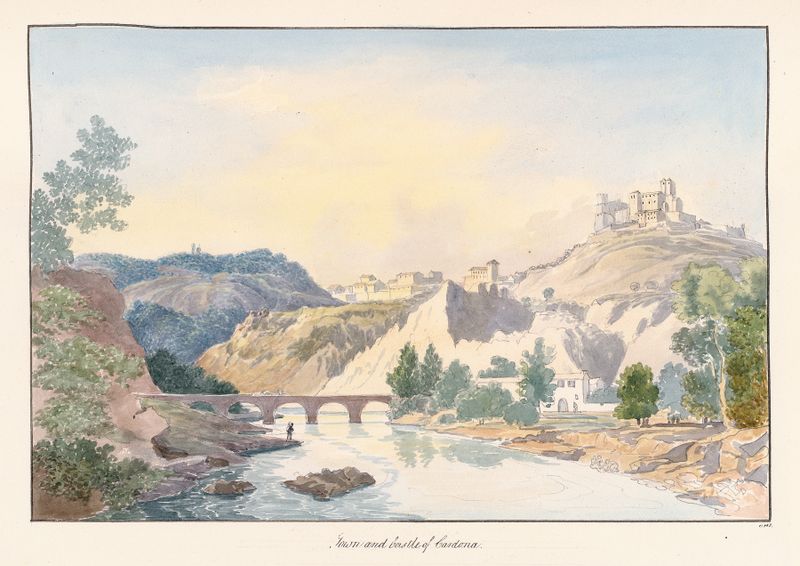
Town and Castle of Cardona
Charles Hamilton Smith
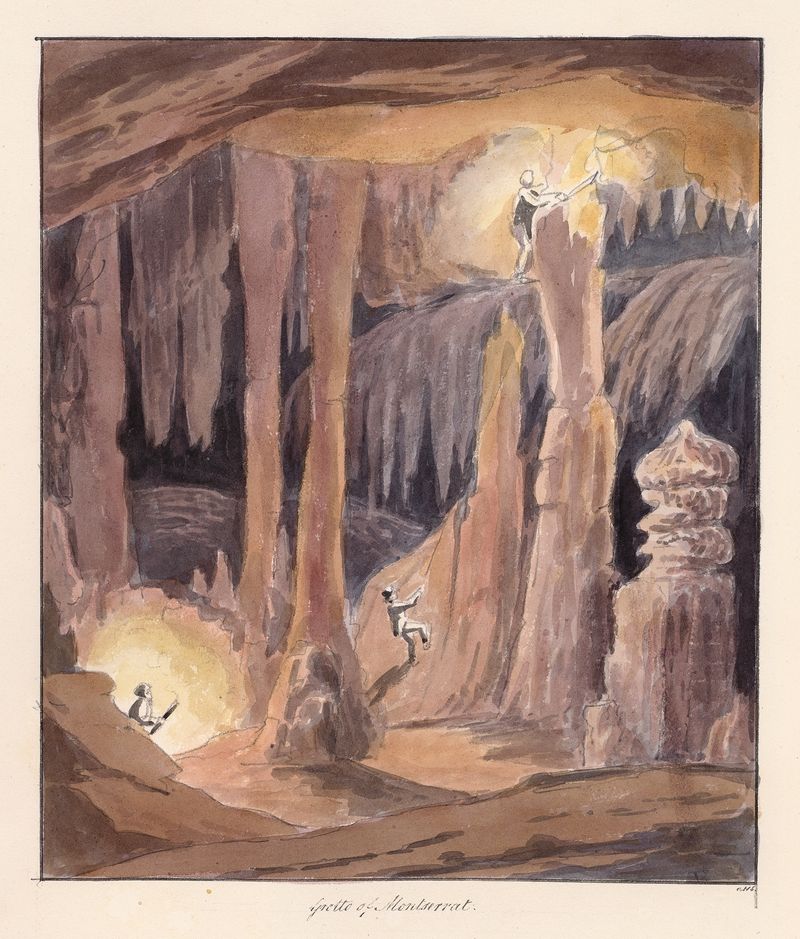
Grotto of Montserrat
Charles Hamilton Smith
More Architecture Art
Browse all →
The statue of Liberty
Frédéric Auguste Bartholdi

View of Houses in Delft, Known as ‘The Little Street’
Johannes Vermeer

View of Houses in Delft, Known as ‘The Little Street’
Johannes Vermeer

The Cathedral in Rouen. The portal, Grey Weather
Claude Monet

The yellow house
Vincent van Gogh

The Church in Auvers-sur-Oise, View from the Chevet
Vincent van Gogh