
Arbre et terrain labouré — History & Facts
What if beauty was never meant to be finished? The fleeting moment captured in Pissarro's work breathes an air of loss and longing, echoing the impermanent nature of life and nature itself. Focus on the lush greens and earthy browns that dominate the canvas, where the vibrant foliage draws the eye to the left. Notice how the light breaks through the trees, casting dappled shadows on the freshly plowed earth, creating a dialogue between the wild and the cultivated. The brushstrokes are loose yet purposeful, embodying a delicate balance between chaos and order that invites a contemplative gaze. The juxtaposition of the serene tree and the disturbed soil speaks volumes.
The tree, steadfast and enduring, stands as a guardian of the landscape, while the tilled earth implies a recent disruption, a reminder of humanity's singular impact on nature. This contrast between the eternal and the ephemeral resonates deeply, emphasizing themes of impermanence and the inevitability of change. In 1879, Pissarro created Arbre et terrain labouré while living in France, navigating the vibrant yet tumultuous art scene of Impressionism. At this time, he was embracing the movement’s revolutionary approach to capturing light and atmosphere, often through en plein air painting.
The world was evolving rapidly, and with it, the very landscapes that inspired him were transforming under the weight of modernity.
More Artworks by Camille Pissarro
Browse all →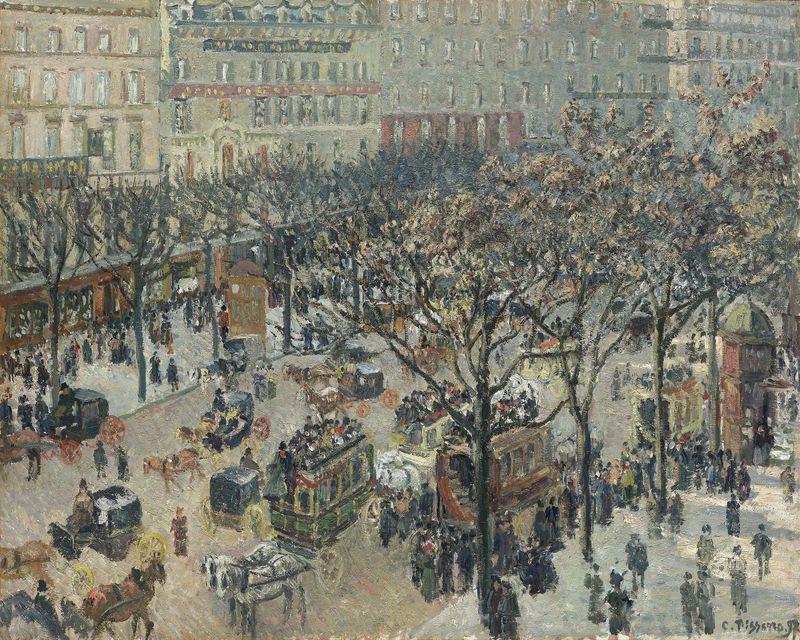
Boulevard des Italiens,Morning_Sunlight
Camille Pissarro
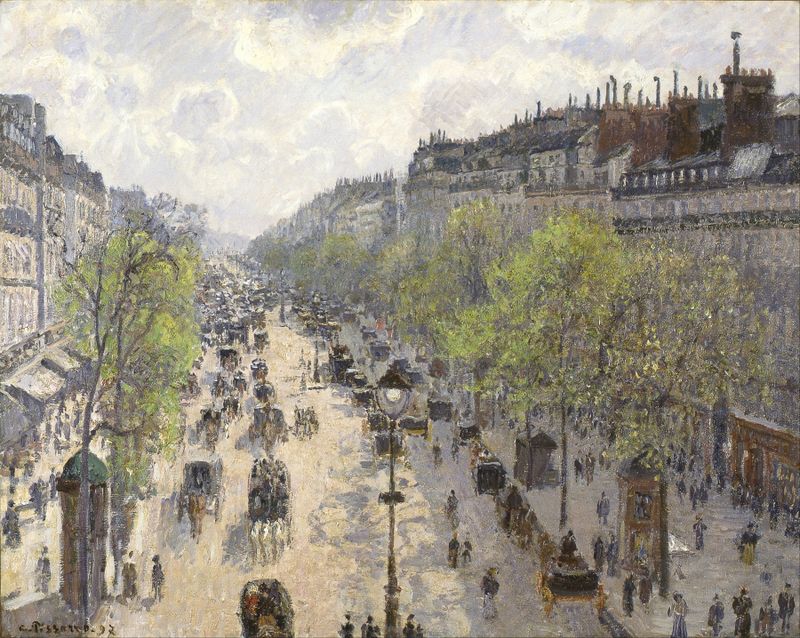
Boulevard Montmartre, Spring
Camille Pissarro
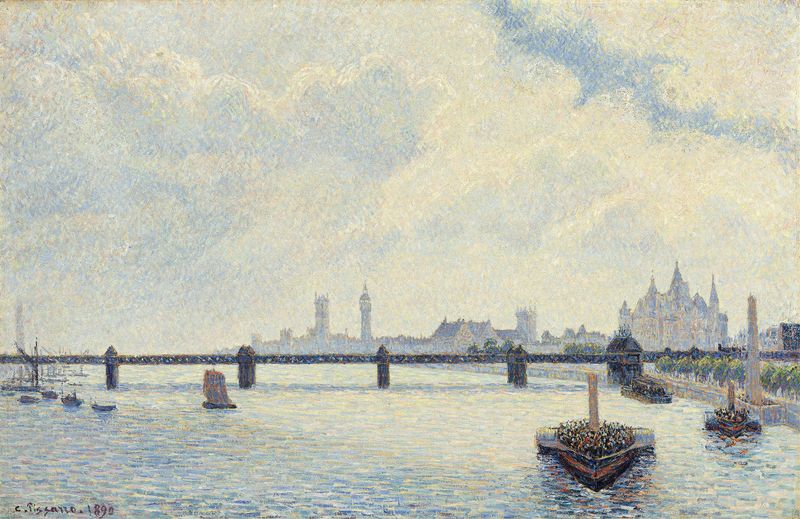
Charing Cross Bridge,London
Camille Pissarro
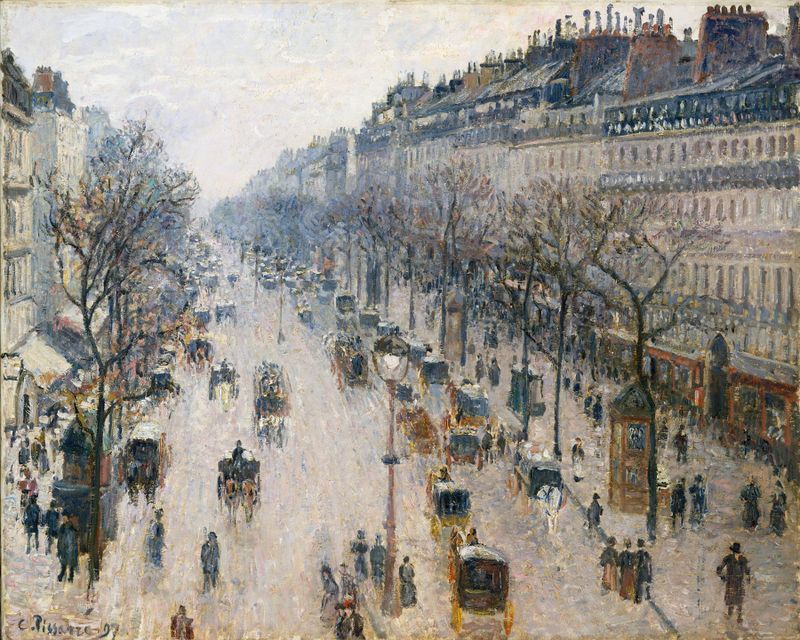
The Boulevard Montmartre on a Winter Morning
Camille Pissarro
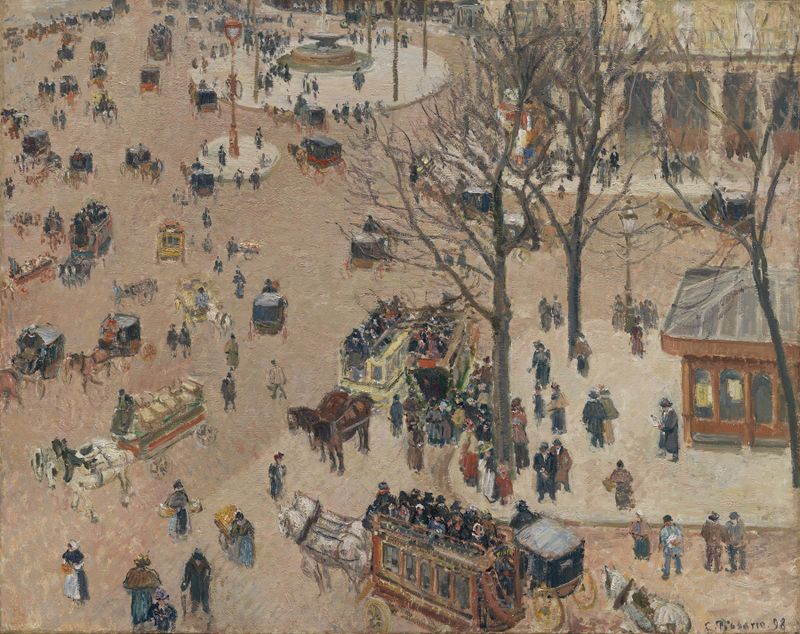
La Place du Théâtre Français
Camille Pissarro

Rue Saint-Lazare, Paris
Camille Pissarro
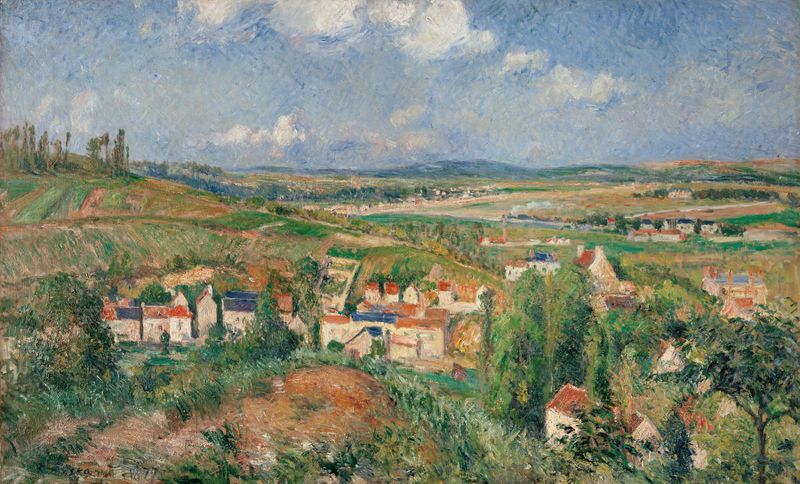
L’hermitage En Été, Pontoise
Camille Pissarro

Place du Theatre Francais,Fog Effect
Camille Pissarro
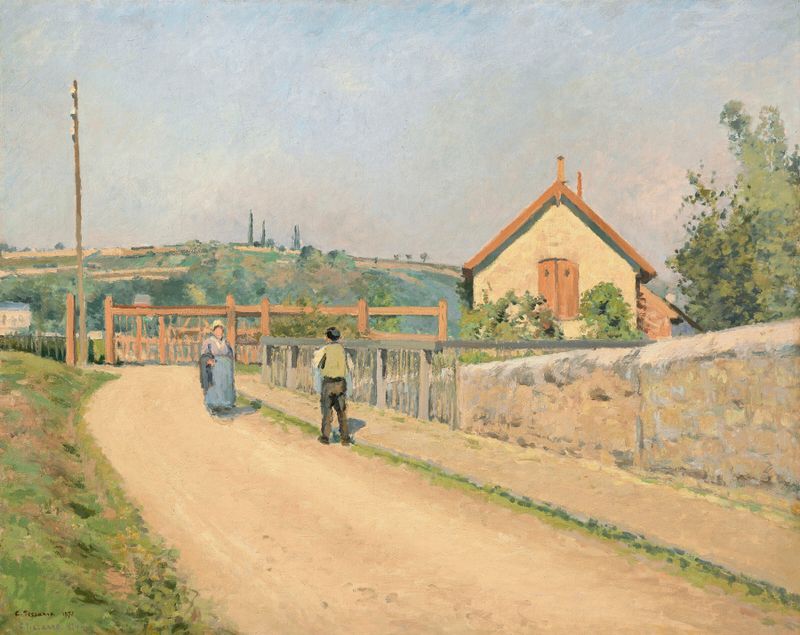
La barrière du chemin de fer, aux Pâtis près Pontoise
Camille Pissarro
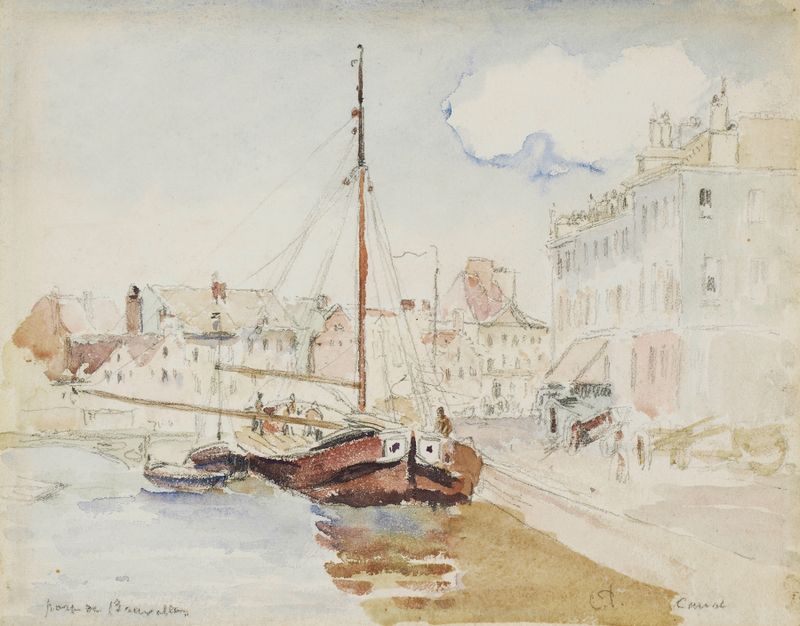
Port de Bruxelles
Camille Pissarro





