
Arch — History & Facts
In the realm of art, the divine often wears a mask, reflecting the complex relationship between suffering and transcendence. Look closely at the exquisite interplay of light and shadow—a masterful technique that draws you in. The arch, a central motif, commands attention with its golden hue, inviting exploration of its intricate details. Notice how the surfaces catch the light, creating a shimmering illusion that dances between solid form and ethereal presence.
The careful layering of textures adds depth, revealing a story that flickers just beneath the surface. Within this gilded structure lies a tension between strength and fragility. The arch not only signifies a passage but also evokes the weight of history and emotion, suggesting both ascent and confinement. Each curve and angle whispers of divine aspirations and earthly struggles, a reminder that beauty often emerges from the depths of experience.
The gold, while radiant, also hints at the pain that can lie beneath splendor, urging viewers to confront the complexities of existence. Jakob Samuel Weibel crafted this piece during a time when art was undergoing significant shifts, embracing abstraction and exploring new materials. Although the exact year remains unknown, the work reflects a period of personal introspection for the artist, who sought to merge the celestial with the corporeal. In a world ripe with change, this artwork stands as an emblem of the timeless search for meaning amidst the beauty and heartache of life.
More Artworks by Jakob Samuel Weibel
Browse all →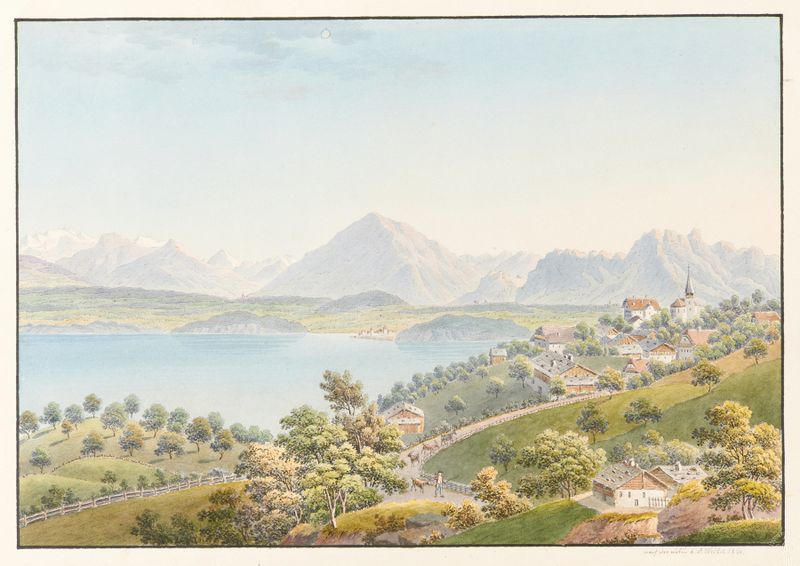
Vue dessiné depuis le Village de Sigriswil, audessus du Lac de Thoune
Jakob Samuel Weibel
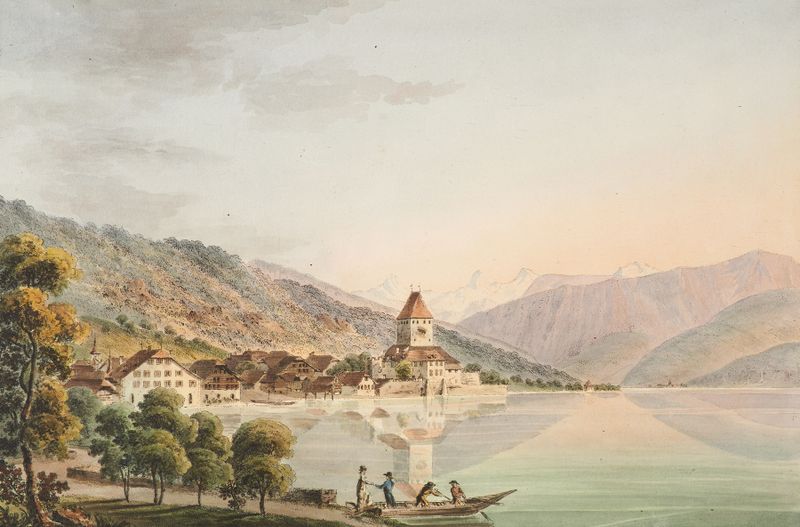
Vûe du Chateau d’Oberhofen au Lac de Thoune
Jakob Samuel Weibel
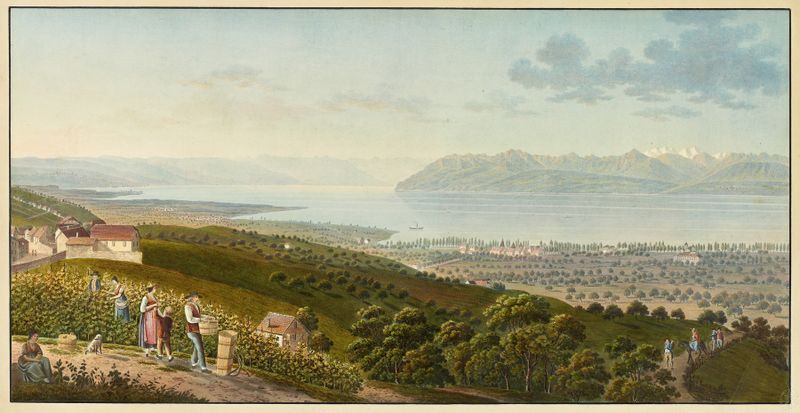
Vue genérale du Lac de Geneve
Jakob Samuel Weibel
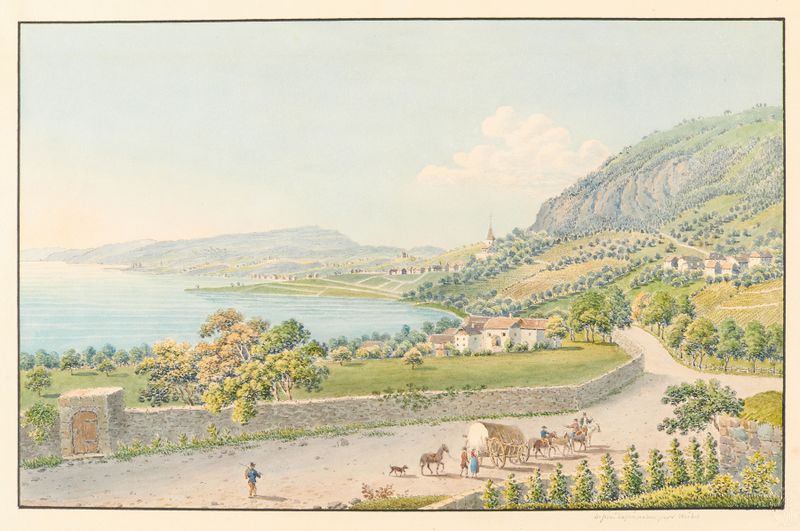
Vue des environs de Montreux et de Clarens
Jakob Samuel Weibel
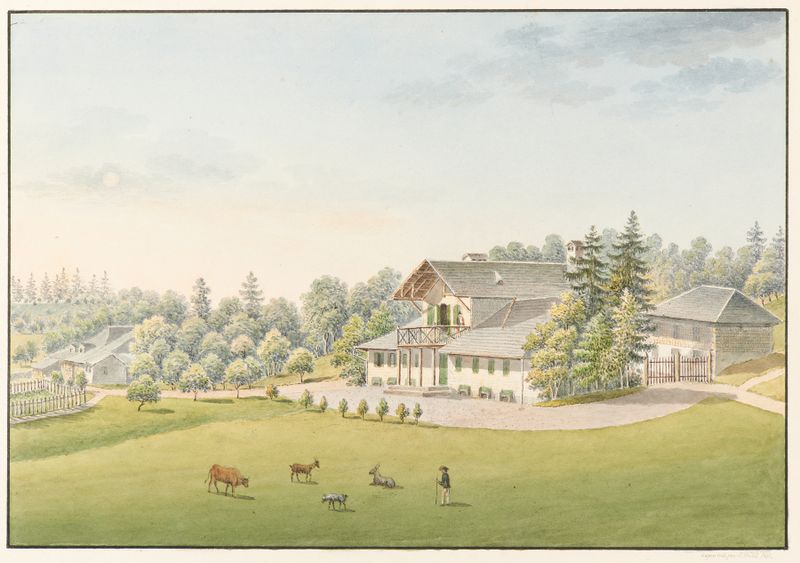
Vue du nouveau Châlet de Vernand
Jakob Samuel Weibel
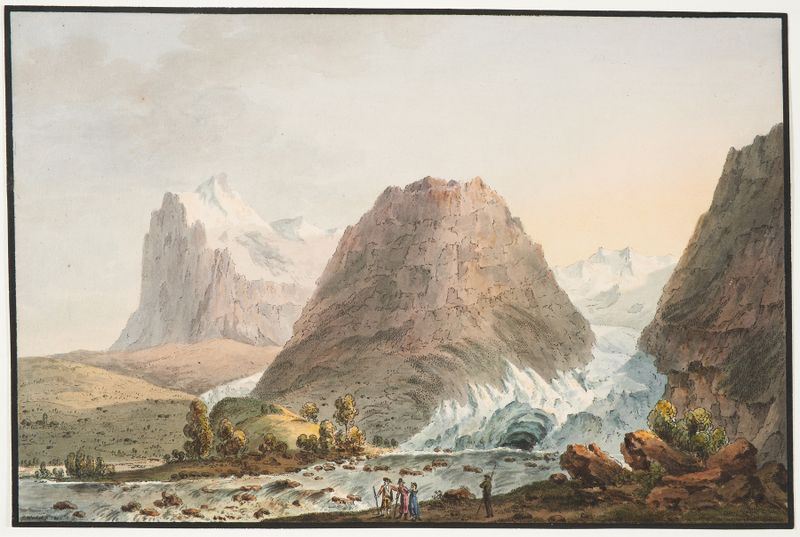
Vûe des Glacieres de Grindelwald
Jakob Samuel Weibel
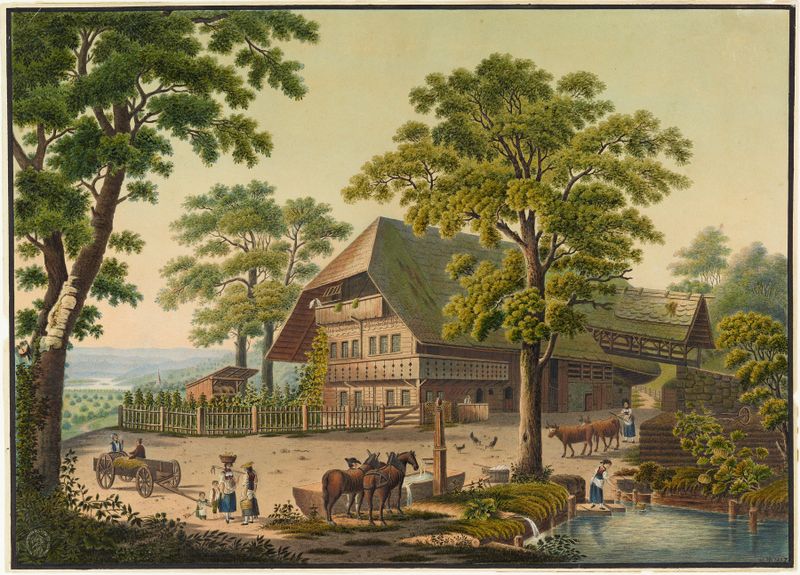
Maison de paysan près Wichtrach
Jakob Samuel Weibel
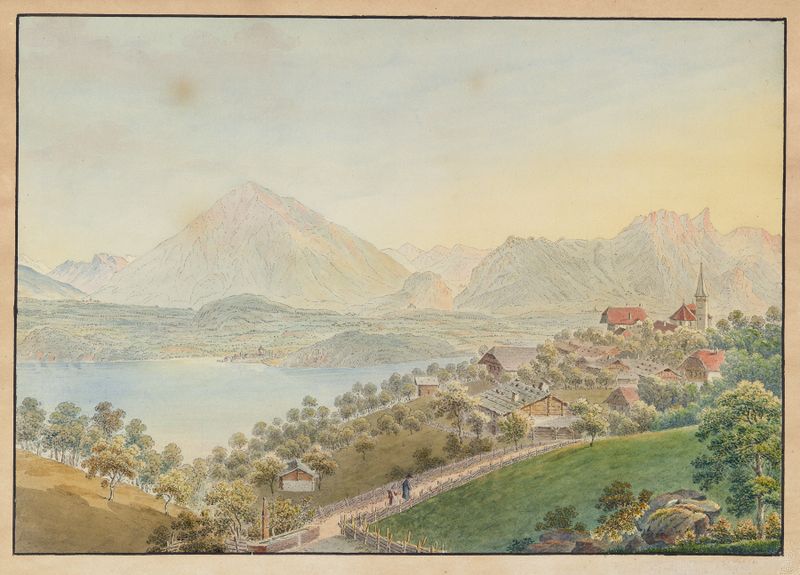
Ansicht von Sigriswil mit Niesen und Thunersee
Jakob Samuel Weibel
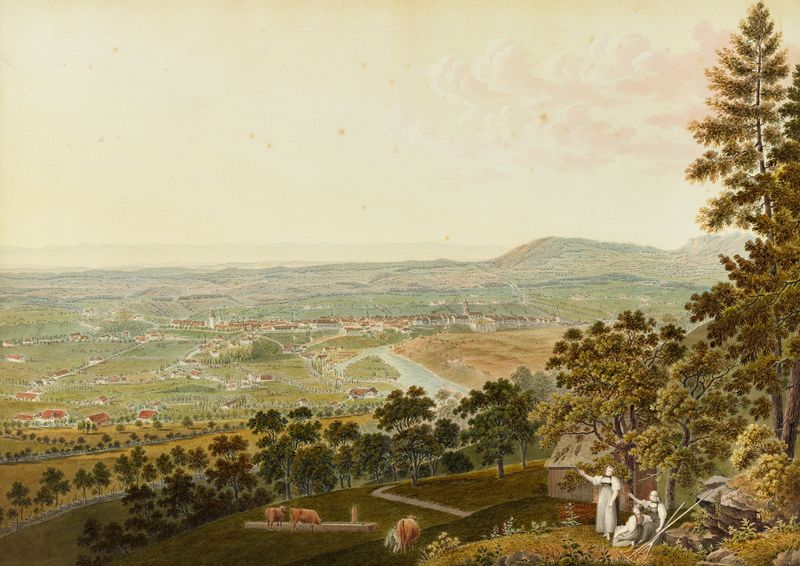
Ansicht Berns und der Aare vom Gurten aus
Jakob Samuel Weibel

Lausanne Ville capitale du Canton de Vaud
Jakob Samuel Weibel
More Architecture Art
Browse all →
The statue of Liberty
Frédéric Auguste Bartholdi

View of Houses in Delft, Known as ‘The Little Street’
Johannes Vermeer

View of Houses in Delft, Known as ‘The Little Street’
Johannes Vermeer

The Cathedral in Rouen. The portal, Grey Weather
Claude Monet

The yellow house
Vincent van Gogh

The Church in Auvers-sur-Oise, View from the Chevet
Vincent van Gogh