
Architecture of German cities Pl.41 — History & Facts
In the stillness of an 18th-century German city, the architecture listens, yearning to tell its stories of joy and sorrow. Each structure stands as a testament to the lives lived within its walls, echoing memories of laughter and grief that have shaped its existence. Look to the center of the composition, where a stately building rises majestically against the soft wash of sky. Notice how the artist employs a delicate palette of muted pastels, allowing the light to dance across the surfaces, highlighting ornate details while casting gentle shadows that speak of time’s passage.
The lines are crisp yet fluid, guiding the viewer’s gaze from the grand façade to the intricate carvings that whisper of craftsmanship and dedication. Within this architectural reverie lies a tension between solidity and fragility. The buildings may appear robust, yet the subtle wear of weather on their surfaces hints at the unrelenting grip of time, a metaphor for the grief that lingers in memory. The interplay of light and shadow reflects the duality of existence — moments of brilliance tempered by the inevitable descent into melancholy.
These structures, while physically enduring, are imbued with the weight of countless human stories, each one a thread in the fabric of the city’s history. Created in the heart of the 18th century, this artwork emerges from a period marked by significant cultural transformation in Europe. The artist, whose identity remains unknown, captured the essence of an era where architectural grandeur was not only a reflection of technical prowess but also an expression of societal aspirations and the complex emotions that accompanied change. As cities evolved, so too did the narratives they held, forever frozen upon this canvas, waiting to be unearthed.
More Artworks by Unknown Artist
Browse all →
Ridder, Dood en Duivel
Unknown Artist
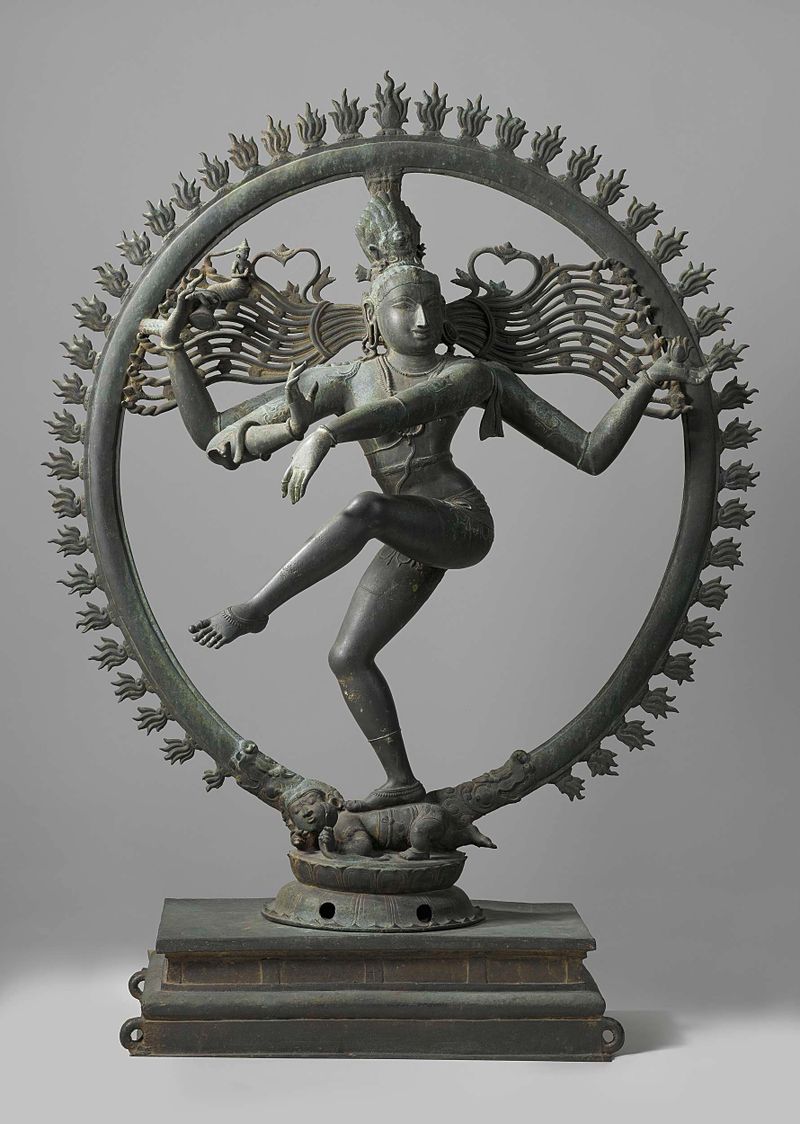
Shiva Nataraja
Unknown Artist
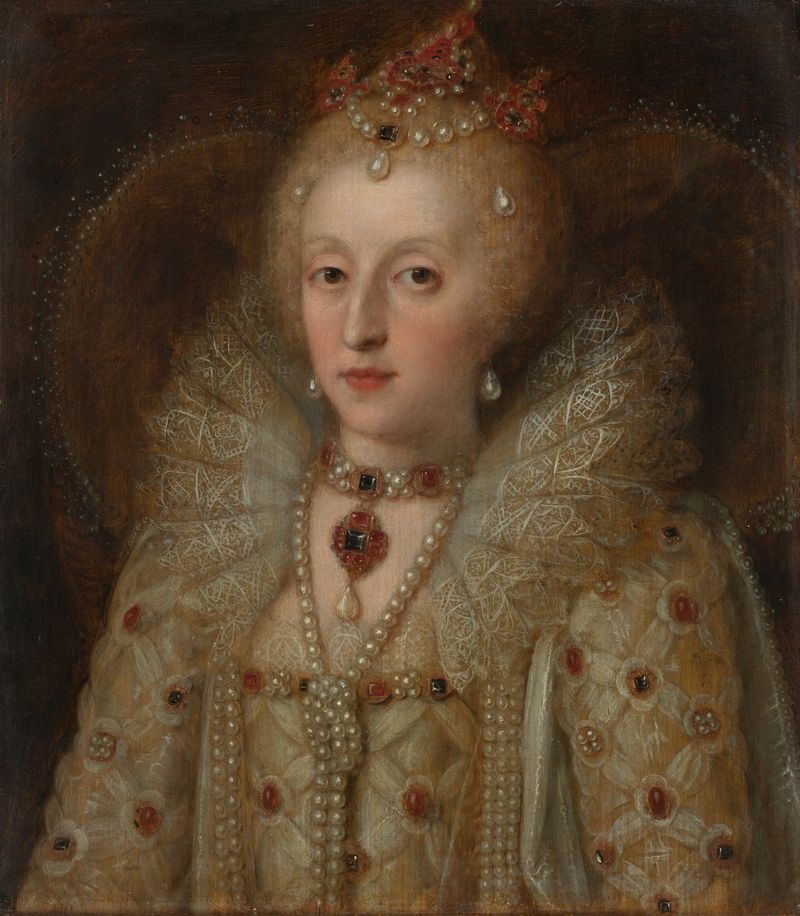
Portrait of Elizabeth I, Queen of England
Unknown Artist
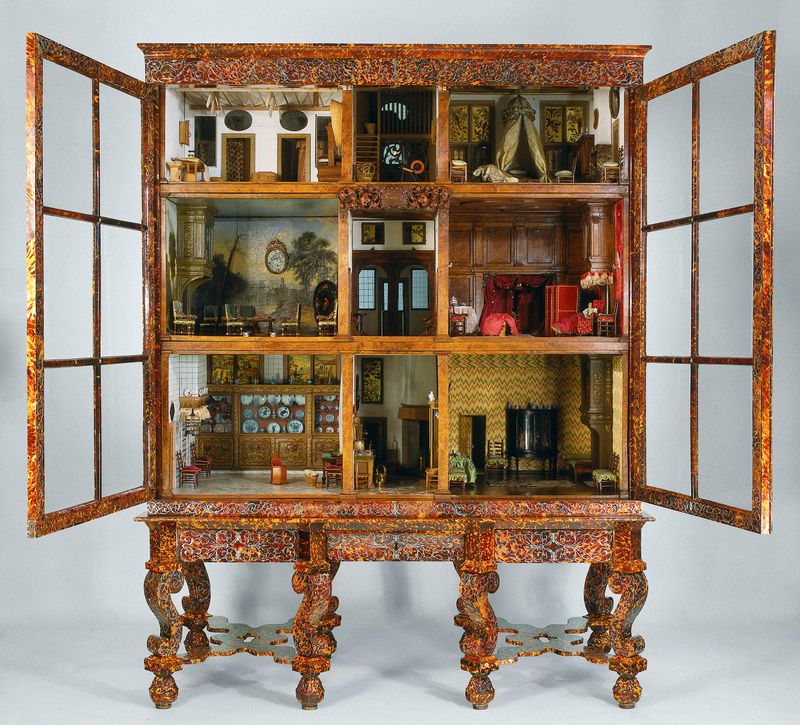
Dolls’ house of Petronella Oortman
Unknown Artist
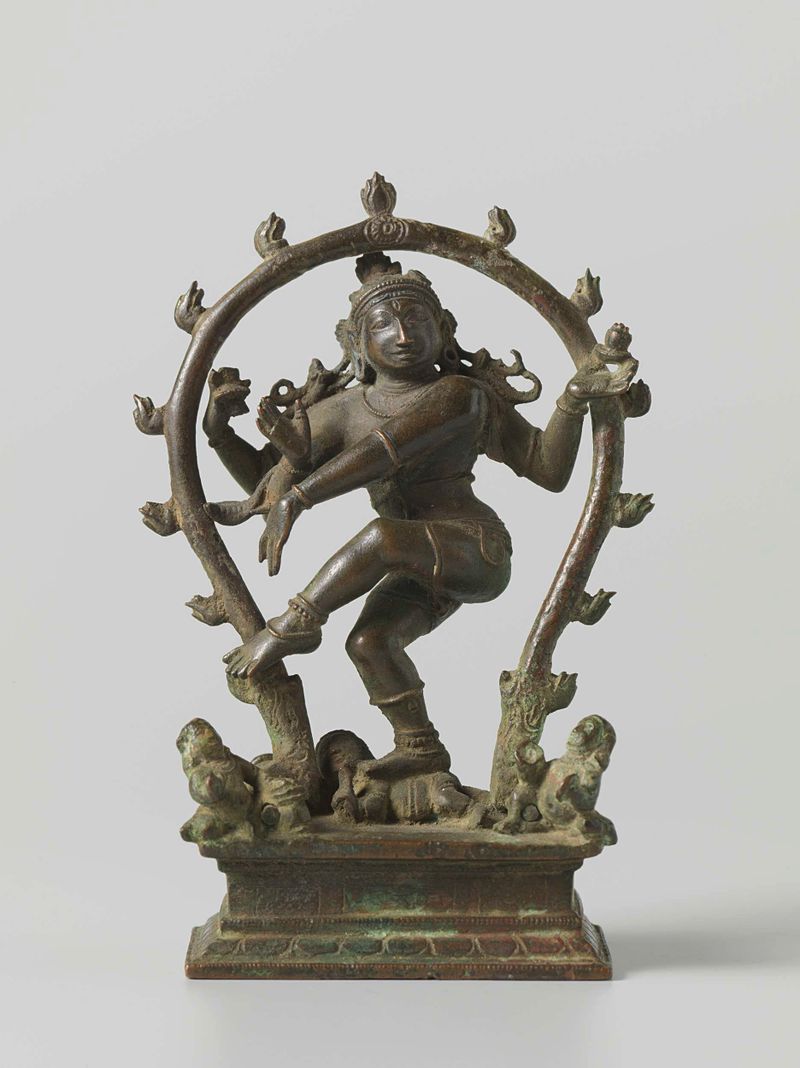
Shiva Nataraja
Unknown Artist

The Tale of Genji
Unknown Artist

The Tale of Genji
Unknown Artist

Cong
Unknown Artist
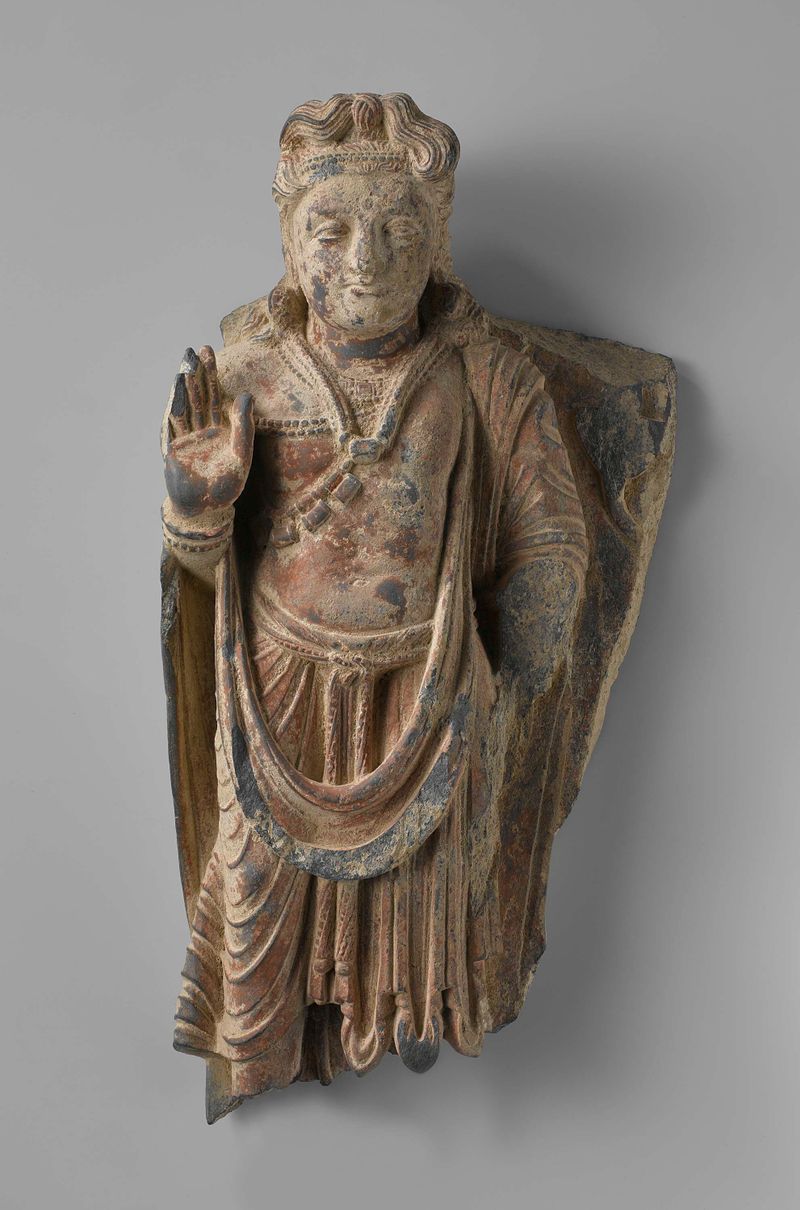
The bodhisattva Maitreya
Unknown Artist

Teabowl with a 'hare's fur' glaze
Unknown Artist
More Architecture Art
Browse all →
The statue of Liberty
Frédéric Auguste Bartholdi

View of Houses in Delft, Known as ‘The Little Street’
Johannes Vermeer

View of Houses in Delft, Known as ‘The Little Street’
Johannes Vermeer

The Cathedral in Rouen. The portal, Grey Weather
Claude Monet

The yellow house
Vincent van Gogh

The Church in Auvers-sur-Oise, View from the Chevet
Vincent van Gogh