
Architecture of German cities Pl.48 — History & Facts
When did color learn to lie? This question resonates within the intricate details of an architectural study that captures the essence of 18th-century German cities, revealing the delicate interplay between reality and artistic interpretation. Look towards the left, where a cluster of buildings rises gracefully, their ornate facades adorned with soft hues that seem to dance in the light. Notice how the artist employs vibrant pigments to recreate the texture of stone and the allure of sunlight, creating a dynamic harmony that transcends mere representation. The careful delineation of shadow and light brings depth, inviting viewers to consider not just the structures themselves, but the lives woven into their very fabric. Within this composition lies a tension between authenticity and illusion.
The colors, while vivid and inviting, distort the reality of wear and age that any city would naturally embody. This contrast suggests a longing for a perfected past, a desire to recreate an idealized version of life in these historical spaces. Furthermore, the meticulous detail in the architecture reflects the artist’s reverence for skill and craftsmanship, emphasizing the pride of a culture that values both beauty and functionality. Created in a period marked by the Enlightenment, this piece reflects a time when many artists sought to capture the flourishing spirit of their society.
The unknown artist likely worked amidst a landscape rich with burgeoning ideas about urban life, architecture, and the connection between humanity and its environment. Such a work stands as both a testament to artistic ingenuity and a reflection of the cultural aspirations of its time.
More Artworks by Unknown Artist
Browse all →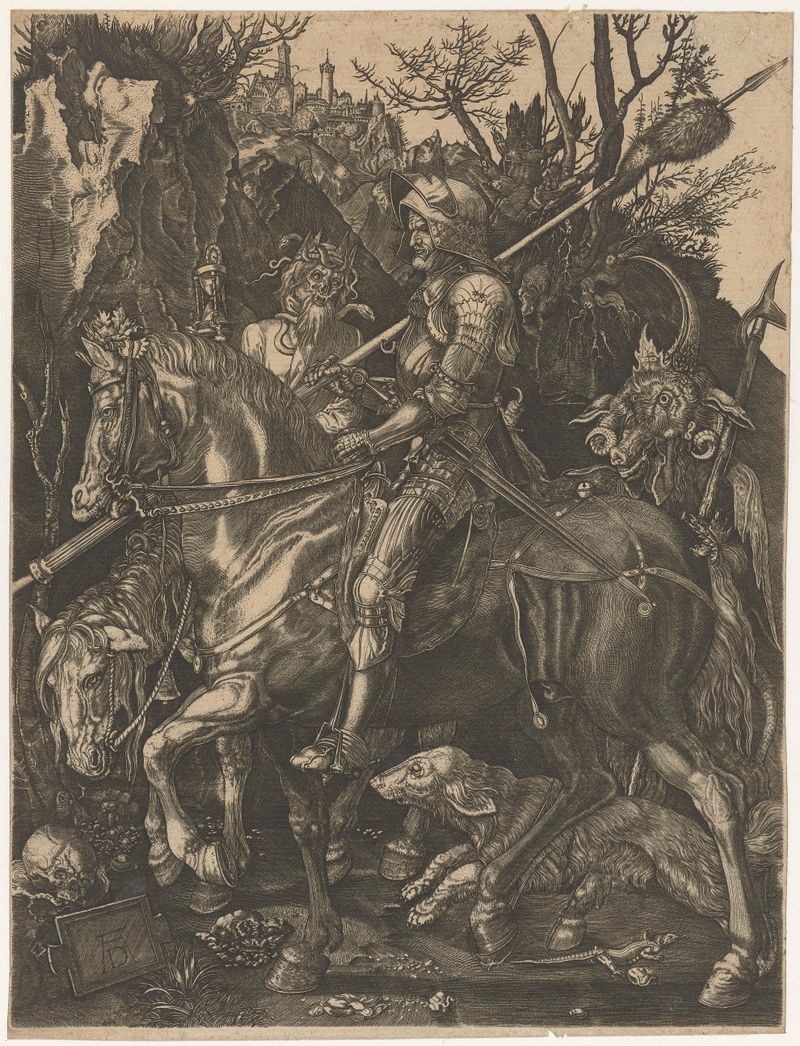
Ridder, Dood en Duivel
Unknown Artist
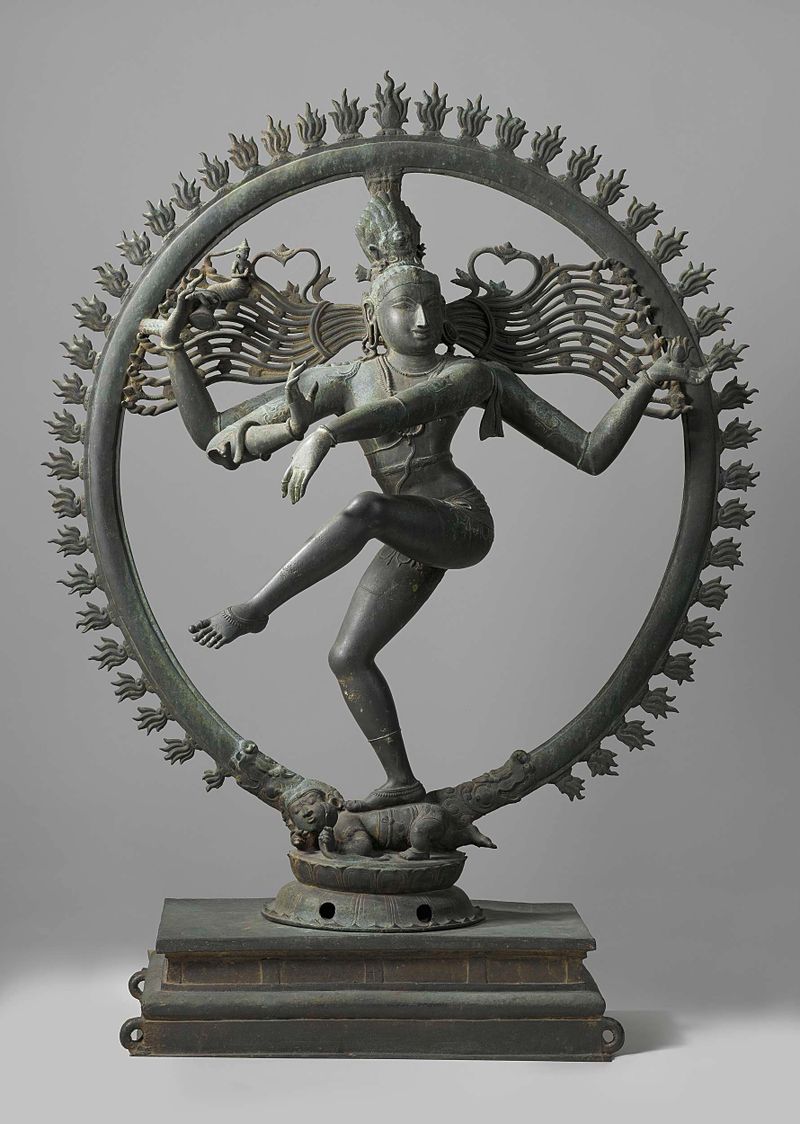
Shiva Nataraja
Unknown Artist
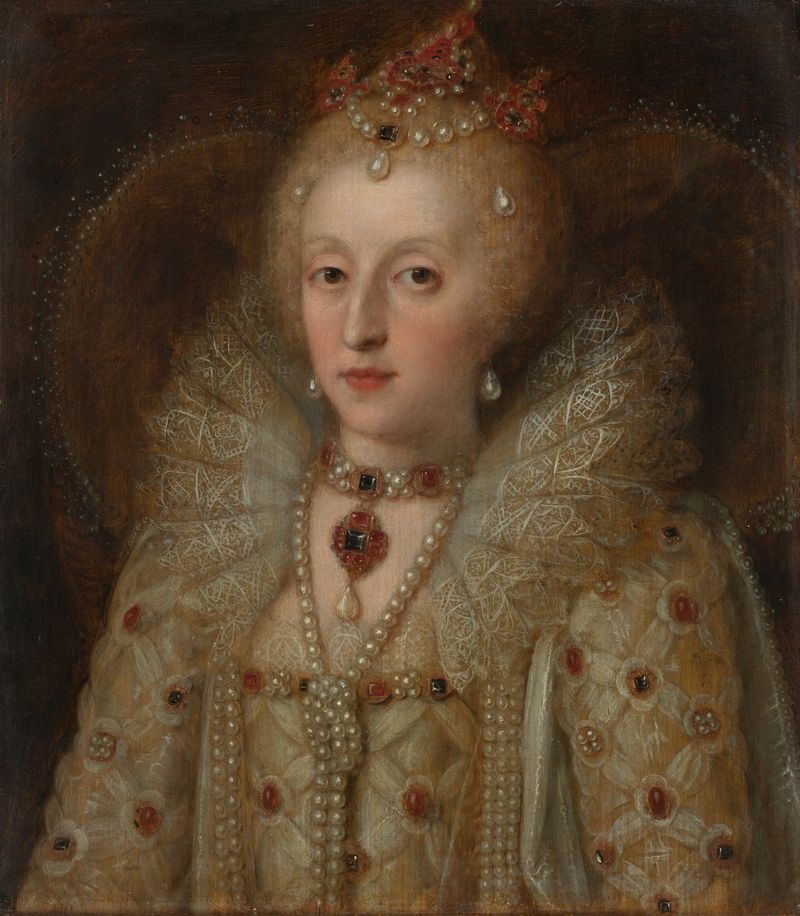
Portrait of Elizabeth I, Queen of England
Unknown Artist
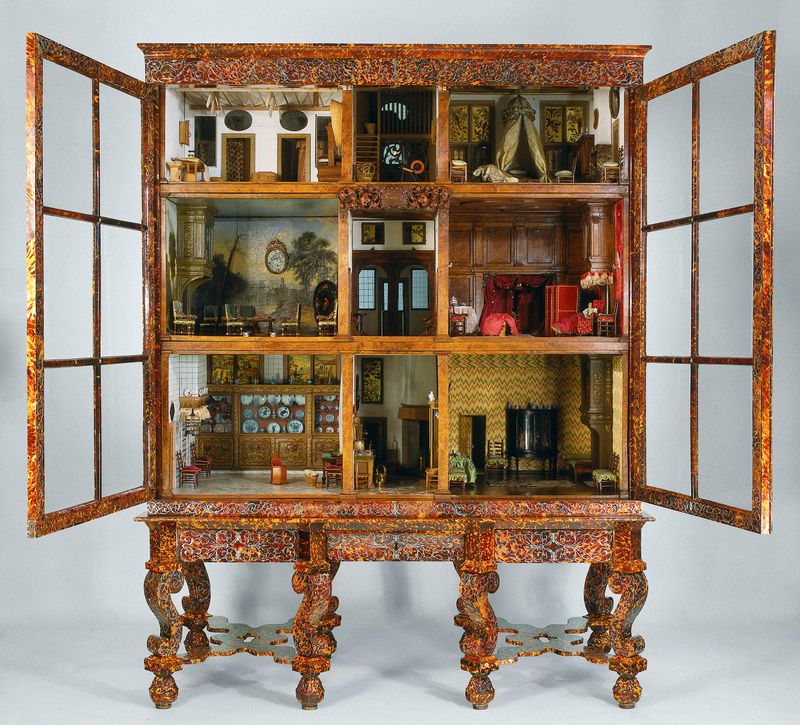
Dolls’ house of Petronella Oortman
Unknown Artist
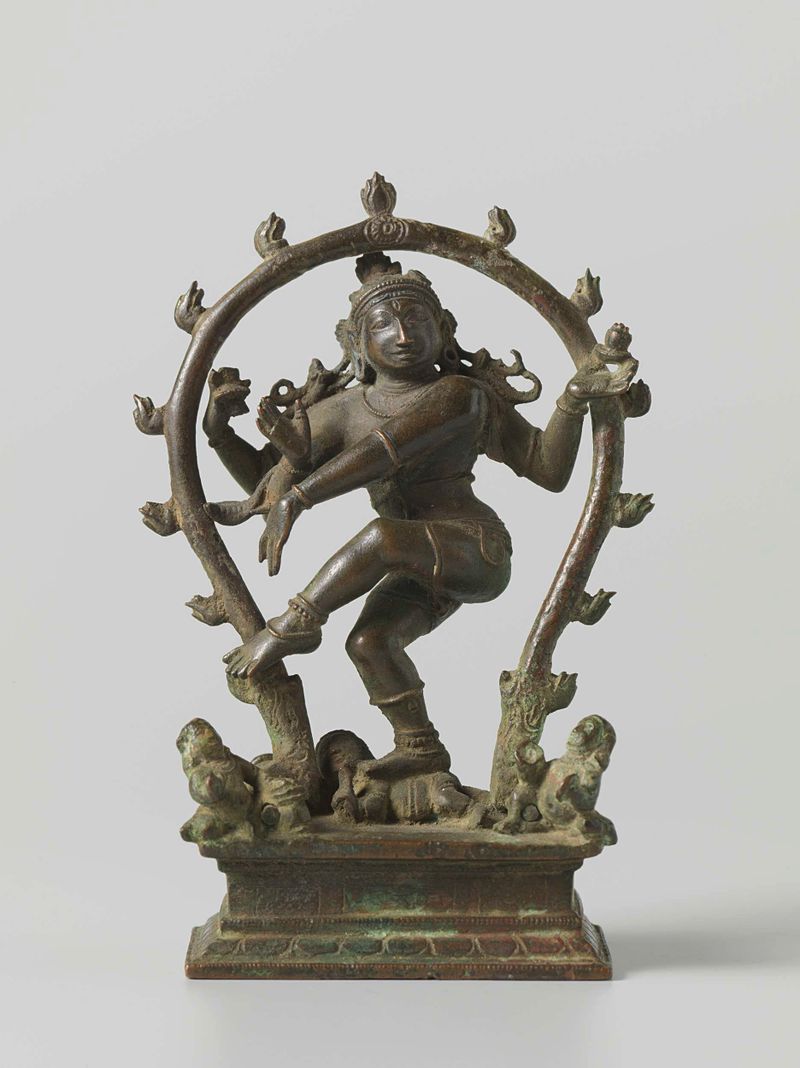
Shiva Nataraja
Unknown Artist

The Tale of Genji
Unknown Artist

The Tale of Genji
Unknown Artist

Cong
Unknown Artist
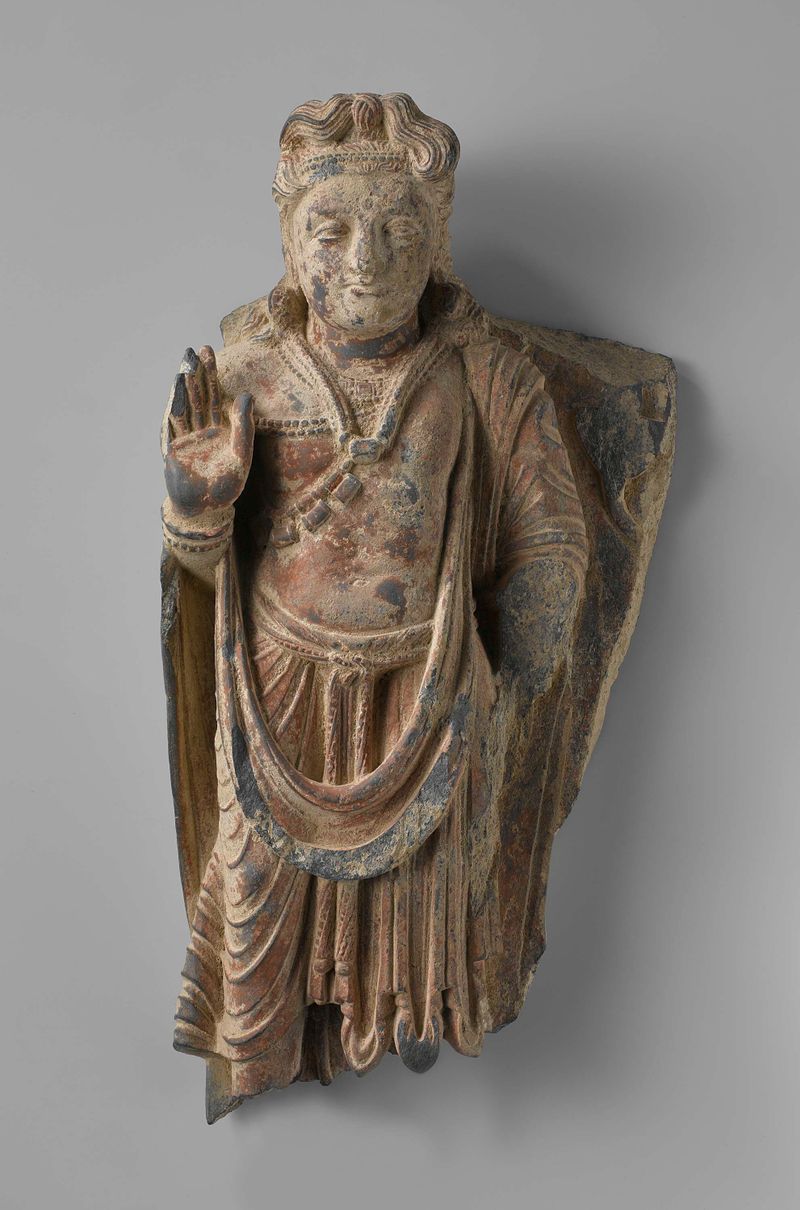
The bodhisattva Maitreya
Unknown Artist

Teabowl with a 'hare's fur' glaze
Unknown Artist
More Architecture Art
Browse all →
The statue of Liberty
Frédéric Auguste Bartholdi

View of Houses in Delft, Known as ‘The Little Street’
Johannes Vermeer

View of Houses in Delft, Known as ‘The Little Street’
Johannes Vermeer

The Cathedral in Rouen. The portal, Grey Weather
Claude Monet

The yellow house
Vincent van Gogh

The Church in Auvers-sur-Oise, View from the Chevet
Vincent van Gogh