
Architecture of German cities Pl.55 — History & Facts
This sentiment resonates deeply when contemplating the architectural wonders captured in this 18th-century work. The canvas becomes a vessel of ecstasy, allowing us to transcend the mundane and glimpse the intricate beauty that lies within the heart of German cities. To fully appreciate this piece, look closely at the intricate details of the buildings depicted. Notice the ornate facades that seem to breathe life into the cityscape, each structure a testament to the era's artistic fervor.
The delicate interplay of light and shadow enhances the grandeur of the architecture, creating a sense of depth that invites you to wander through its streets. Pay special attention to the subtle hues in the sky, suggesting an impending dusk that casts a warm glow over the scene, enveloping it in a nostalgic embrace. The emotional tension within this artwork lies in the contrast between the vibrant architecture and the stillness of the urban environment. Each building tells its own story of triumph and despair, suggesting a community’s collective memory.
The careful arrangement of structures evokes a sense of harmony, yet hints at the underlying chaos of city life—a duality that speaks to the complexity of human existence and the fleeting nature of ecstasy. The painting emerged amid a period of transformation in the art world, characterized by the Rococo style's exuberance and the nascent stirrings of Neoclassicism. Created by an unknown artist, its origins may be rooted in a personal journey or wider cultural movements. The late 18th century was a time when the appreciation of urban design flourished, reflecting societal advancements and a burgeoning fascination with the intersection of history and beauty.
More Artworks by Unknown Artist
Browse all →
Ridder, Dood en Duivel
Unknown Artist
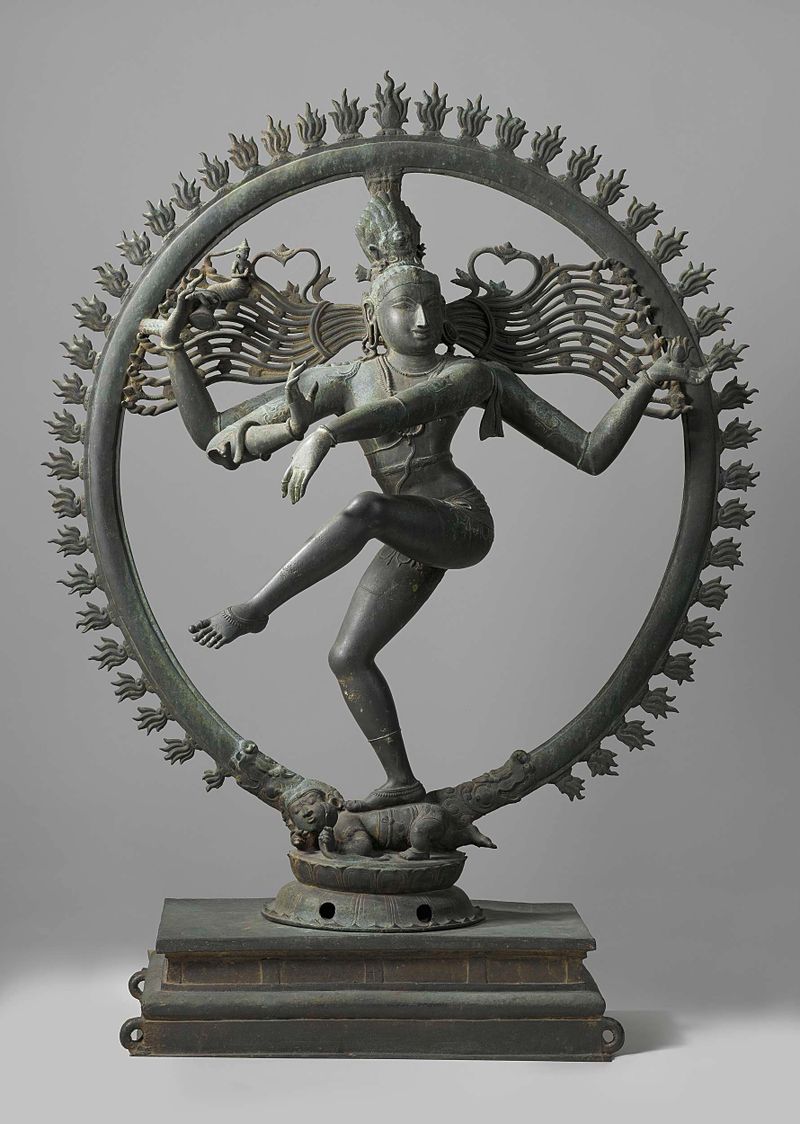
Shiva Nataraja
Unknown Artist
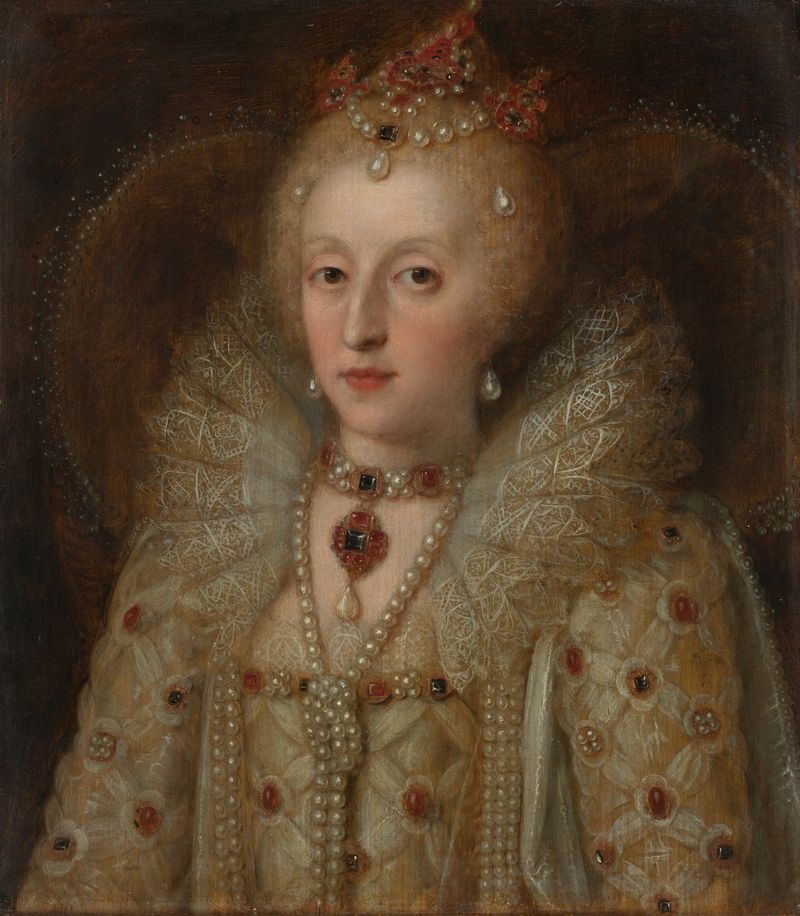
Portrait of Elizabeth I, Queen of England
Unknown Artist
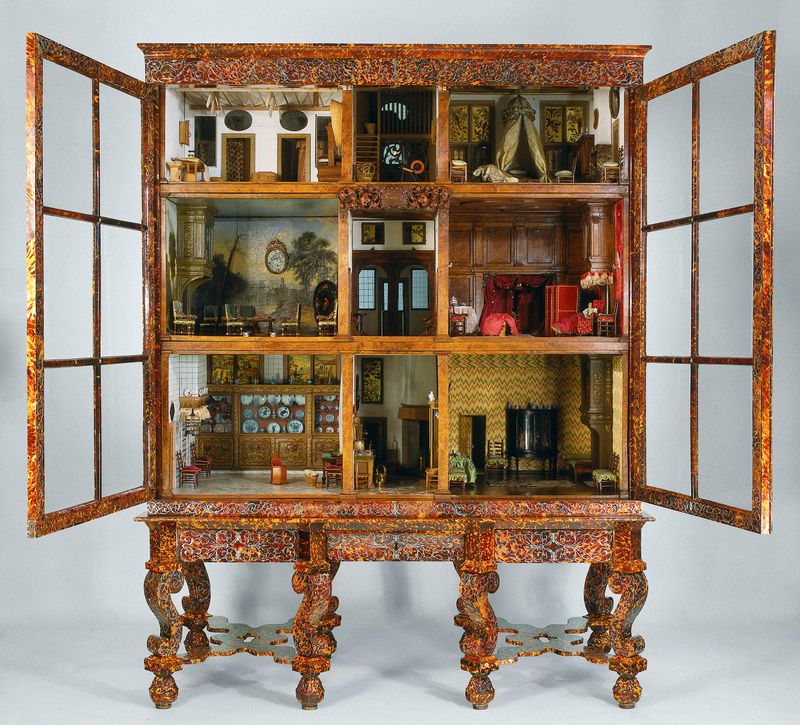
Dolls’ house of Petronella Oortman
Unknown Artist
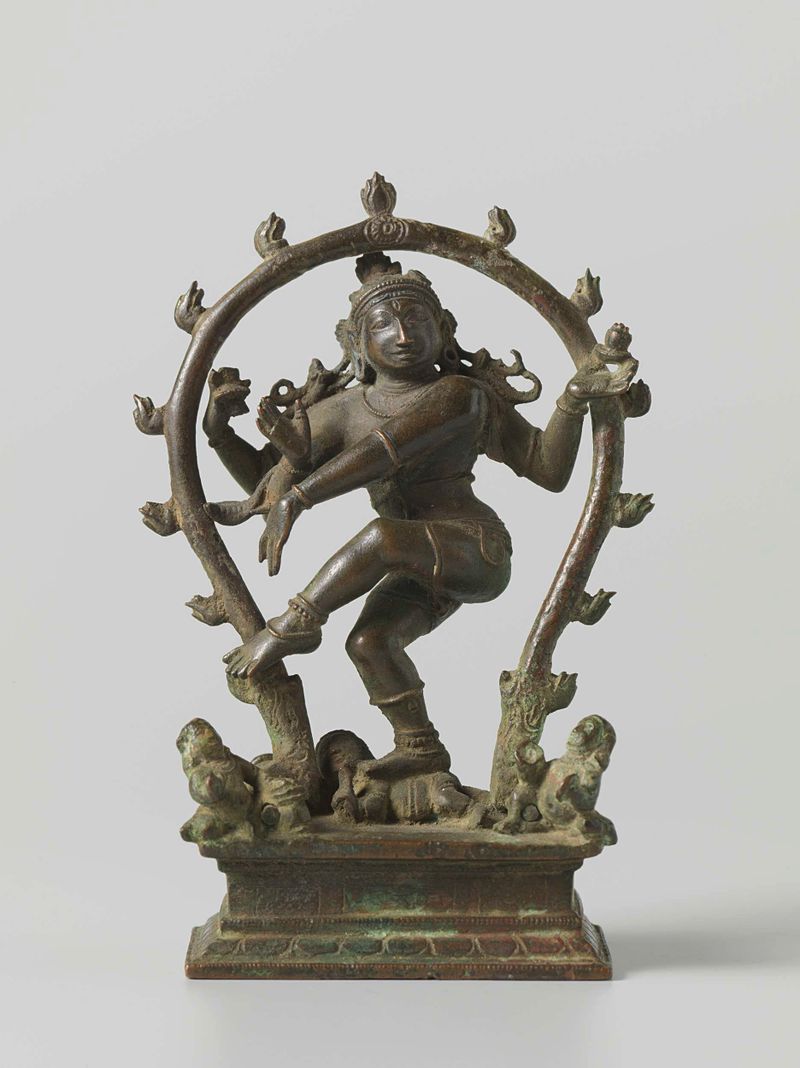
Shiva Nataraja
Unknown Artist

The Tale of Genji
Unknown Artist

The Tale of Genji
Unknown Artist

Cong
Unknown Artist
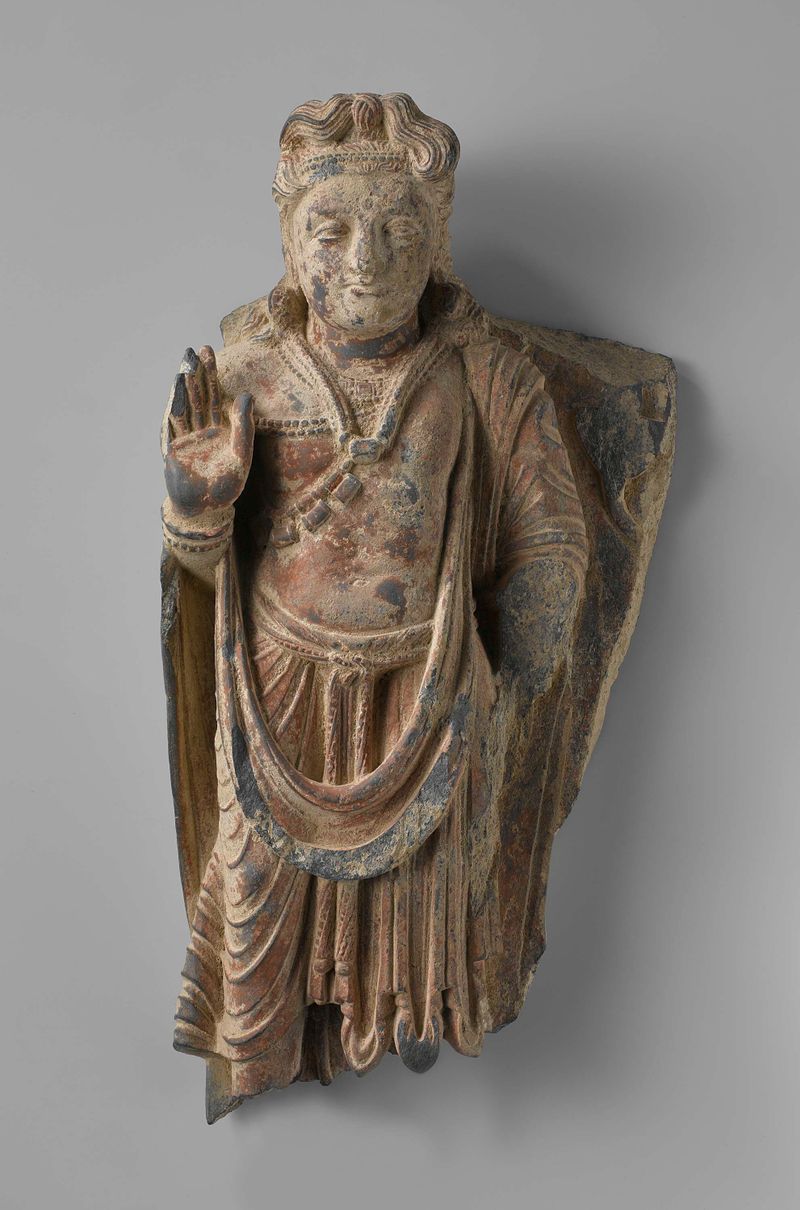
The bodhisattva Maitreya
Unknown Artist

Teabowl with a 'hare's fur' glaze
Unknown Artist
More Architecture Art
Browse all →
The statue of Liberty
Frédéric Auguste Bartholdi

View of Houses in Delft, Known as ‘The Little Street’
Johannes Vermeer

View of Houses in Delft, Known as ‘The Little Street’
Johannes Vermeer

The Cathedral in Rouen. The portal, Grey Weather
Claude Monet

The yellow house
Vincent van Gogh

The Church in Auvers-sur-Oise, View from the Chevet
Vincent van Gogh