
Arequipa, Peru — History & Facts
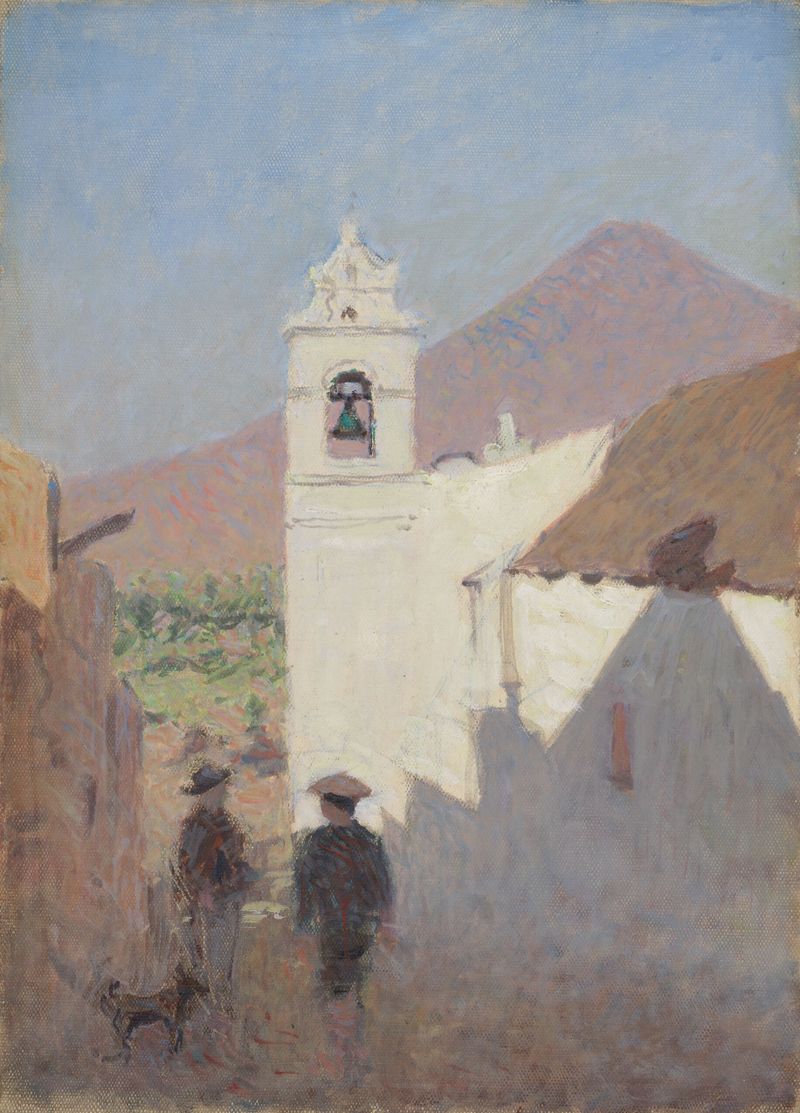
When did color learn to lie? In the subtle interplay of hues, the canvas whispers truths cloaked in serenity, inviting the viewer to explore its depths. Look to the left at the soft blend of warm oranges and cool blues that evoke the majestic mountains of Arequipa, where the sun dips below the horizon. Notice how the artist masterfully layers color, each stroke capturing the essence of a tranquil evening sky, while the gentle brushwork creates a rhythmic flow reminiscent of the rolling landscape. The balance of light and shadow draws you in, grounding the scene in a moment of quiet introspection. The painting holds within it the tension between nature’s grandeur and the fleeting essence of time.
The delicate transition between light and dark suggests a sense of impermanence, as if the viewer is witnessing a moment that will soon evaporate into memory. In the foreground, a lone figure stands, embodying solitude yet also connection to the vastness that surrounds them; their stillness contrasts with the dynamic colors of the background, hinting at profound inner contemplation amidst the expansive beauty of the environment. During the late 19th to early 20th century, Denman Waldo Ross painted Arequipa, Peru, while immersed in an era of artistic exploration and innovation. His travels and studies in Peru coincided with a growing appreciation for landscape painting in the United States, where he sought to capture the essence of the places he visited.
This work reflects not only his personal journey but also the broader artistic movements of the time, embracing both realism and impressionism in a quest to find beauty in the world’s serenity.
More Artworks by Denman Waldo Ross
Browse all →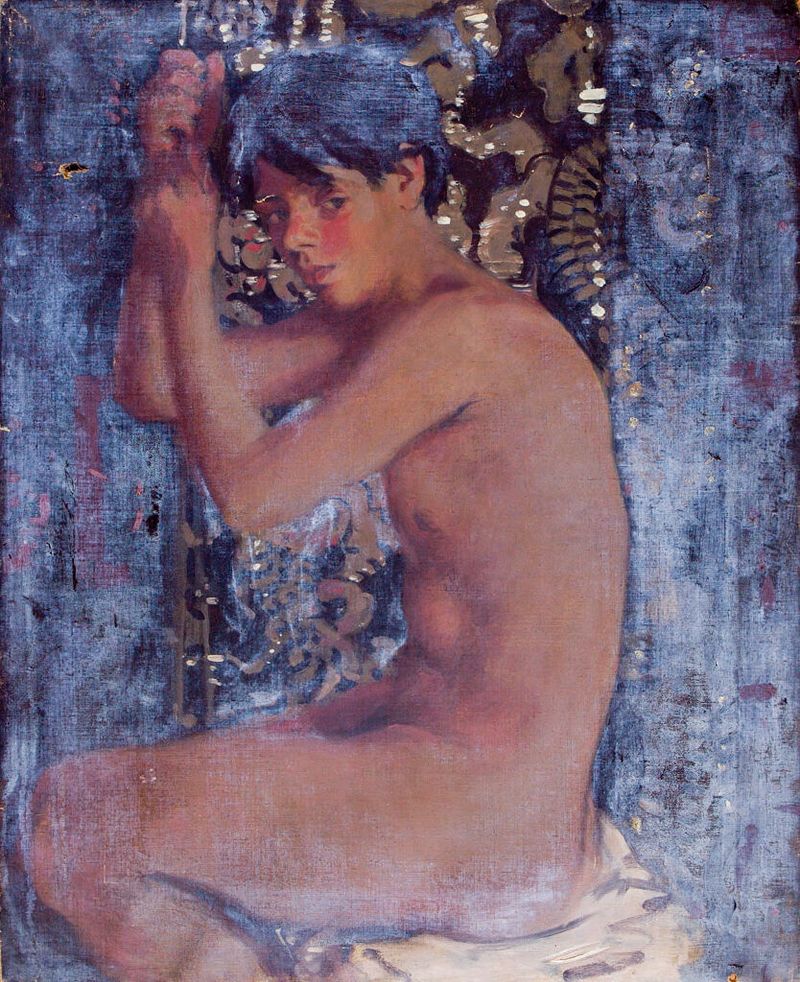
Portrait of a Seated Young Man
Denman Waldo Ross
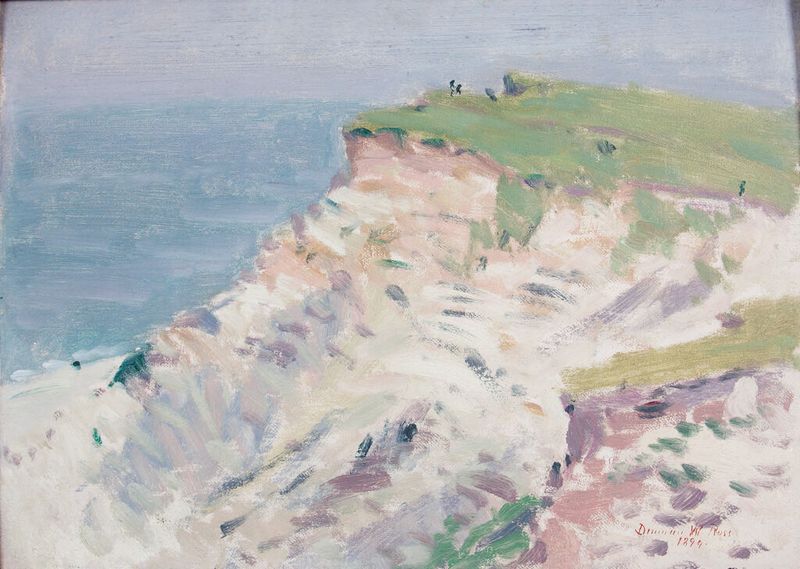
Highland Light, North Truro, Massachusetts
Denman Waldo Ross
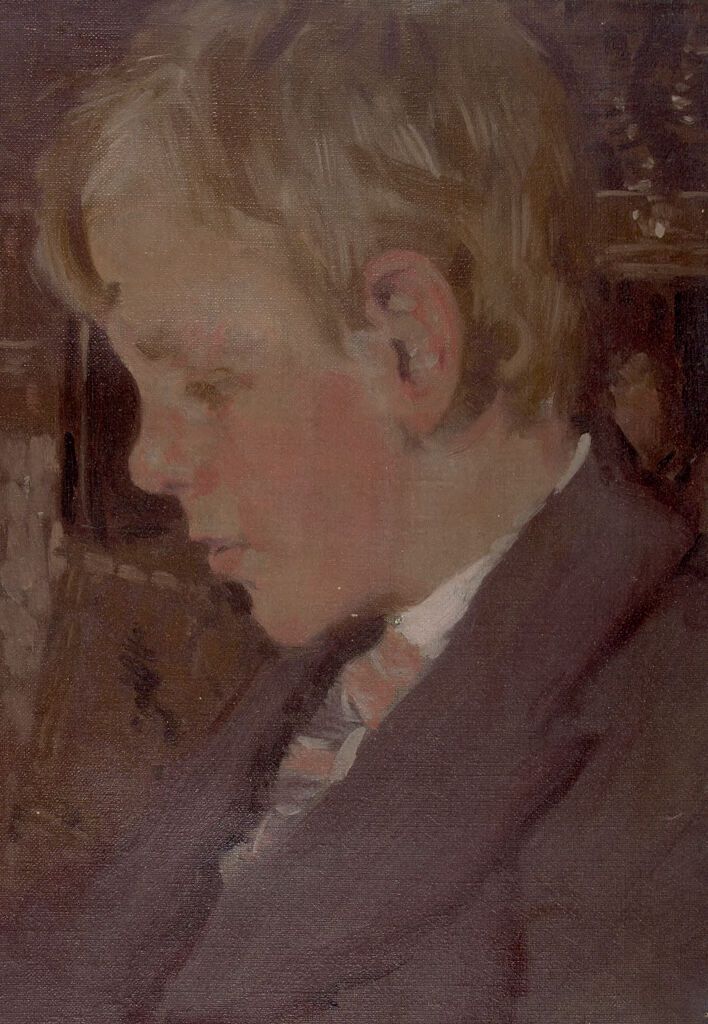
Profile Portrait of a Boy in Suit and Tie
Denman Waldo Ross
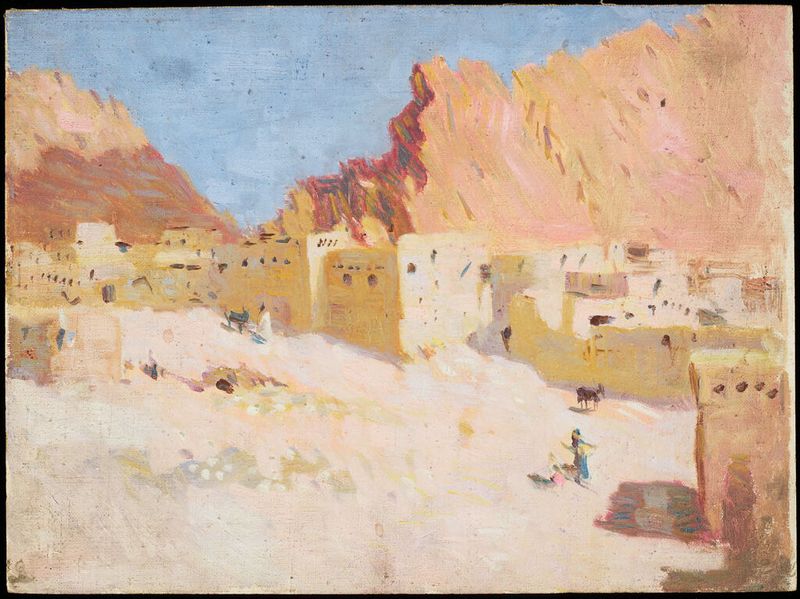
El Kantara, Near Biskra, Algeria
Denman Waldo Ross
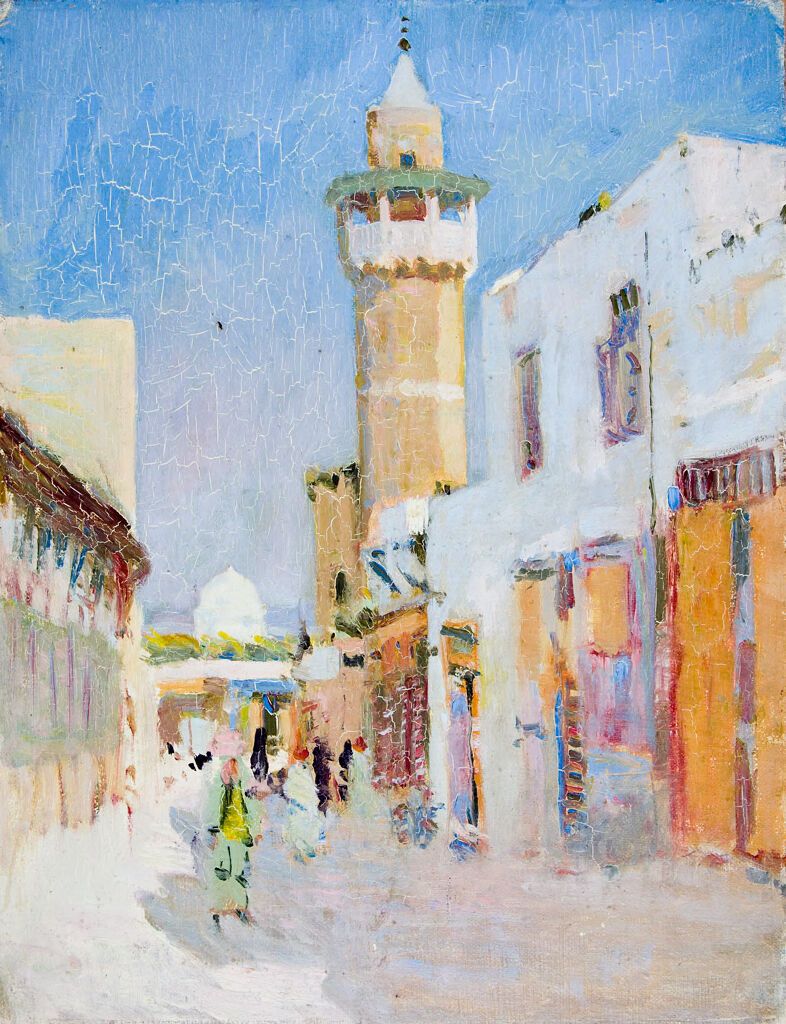
Tunis Street Scene
Denman Waldo Ross
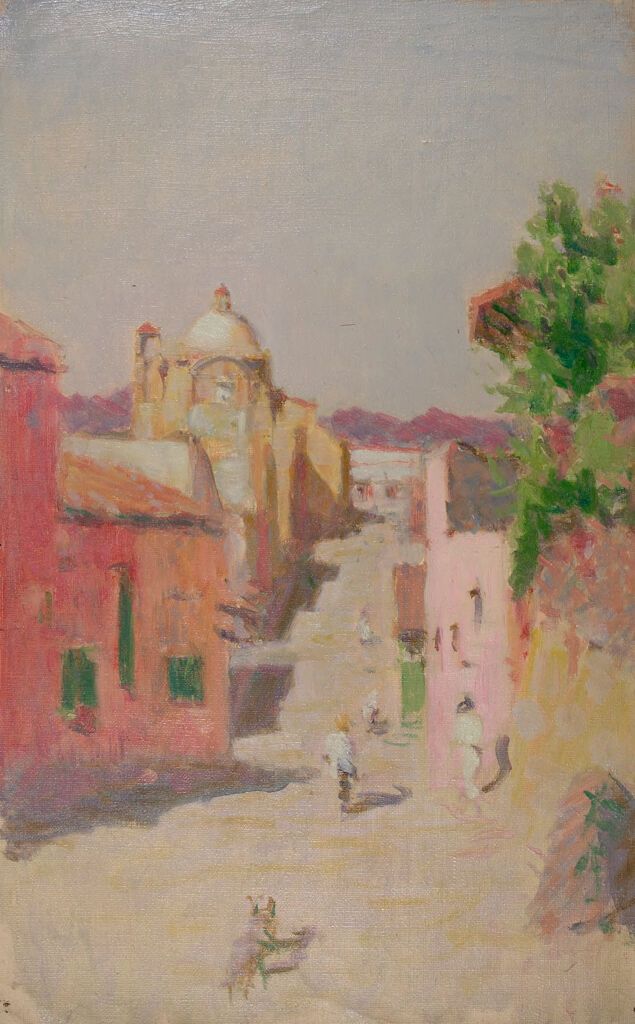
Street Scene with Animal and Figures
Denman Waldo Ross
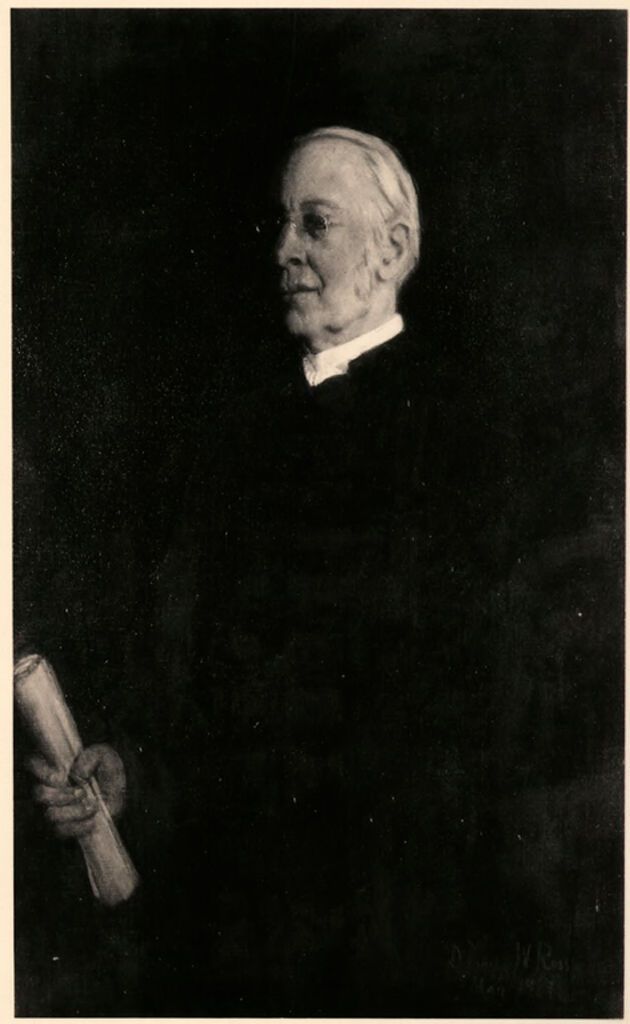
Charles William Eliot (1834-1926)
Denman Waldo Ross
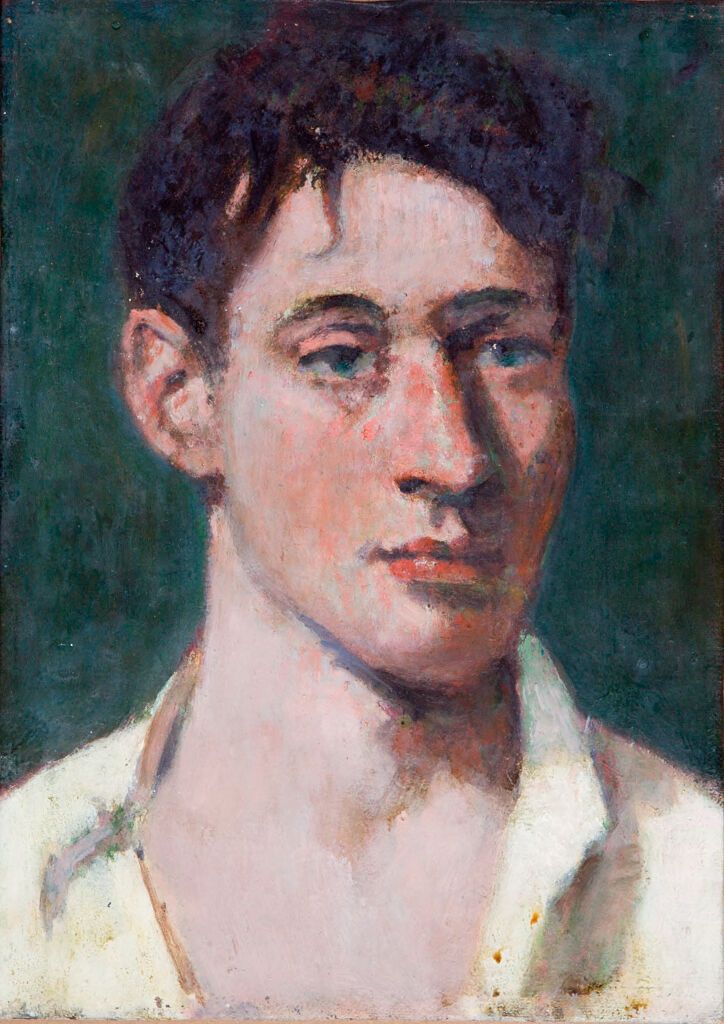
Portrait of a Young Man in White Shirt
Denman Waldo Ross
Village Near Arequipa, Peru
Denman Waldo Ross

York Harbor, Maine
Denman Waldo Ross





