Ariccia, near Rome, Italy — History & Facts
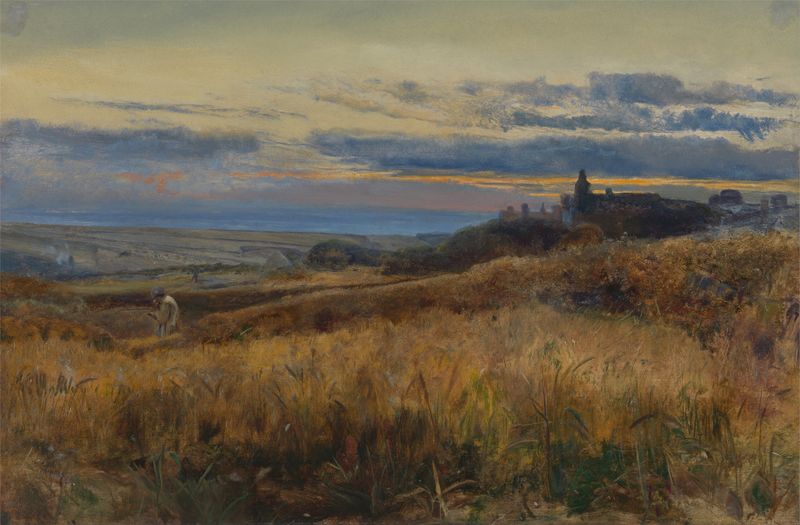
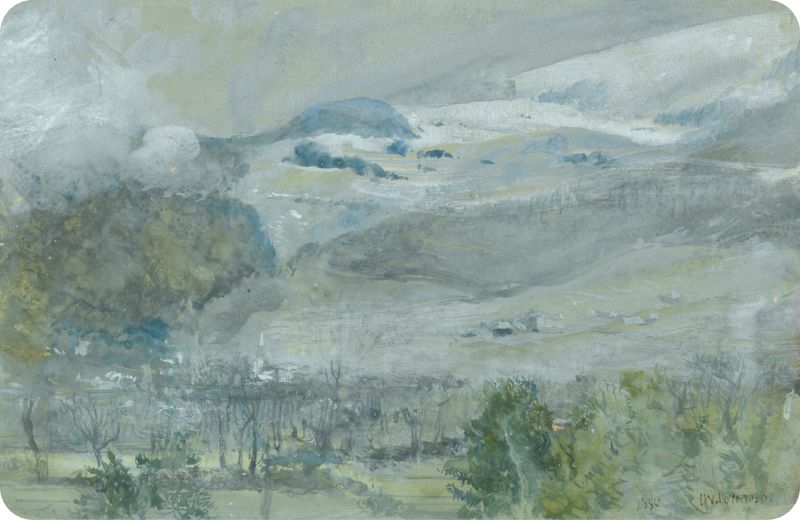
Is this a mirror — or a memory? The soft haze of twilight envelops the Italian landscape, where every brushstroke seems to whisper of the past, yet echoes a sense of underlying violence that lingers just beneath the surface. Focus on the horizon, where the bold strokes of deep greens and muted browns converge, hinting at the rugged terrain of Ariccia. Notice how the sky transitions from gentle pastels to unsettling shadows, a poignant reminder of nature's fickleness. Each tree and hill is intricately detailed yet carries an emotional weight, as if the landscape itself is bearing witness to unspoken tales of conflict and resolution. Hidden within this serene façade are contrasts that speak volumes.
The juxtaposition of light and dark not only creates depth but also evokes the fragility of peace in nature, illustrating how beauty can coexist with tension. Pay attention to the stillness of the water below; it reflects not just the scene above, but also the chaos of human history that has unfolded in this idyllic setting. There lies a dichotomy between the picturesque and the foreboding, inviting the viewer to ponder the stories embedded in the earth itself. John William Inchbold painted this piece during a period of personal struggle and artistic exploration, likely in the mid-19th century.
Working primarily in England, he sought to capture the essence of the landscape with a romantic yet realistic approach. It was a time when many artists were grappling with the lingering effects of industrialization on nature, and Inchbold’s work reflects both his admiration for Italy and the complexities of the world beyond its beauty.