In Richmond Park — History & Facts
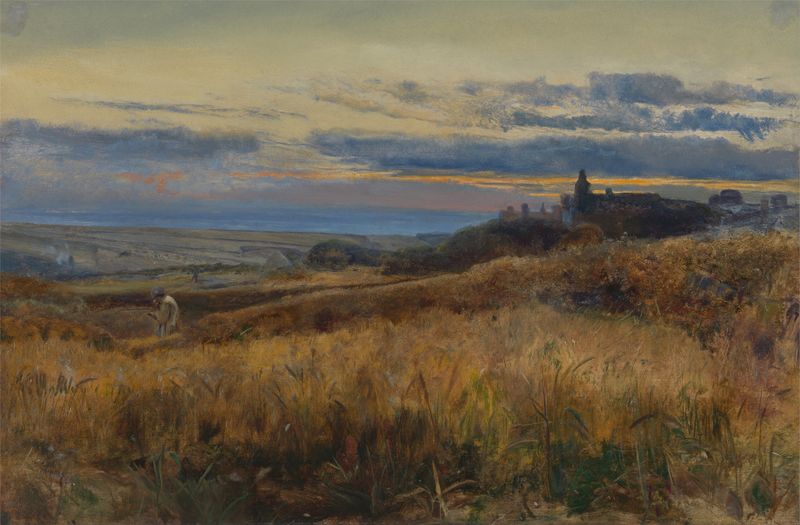
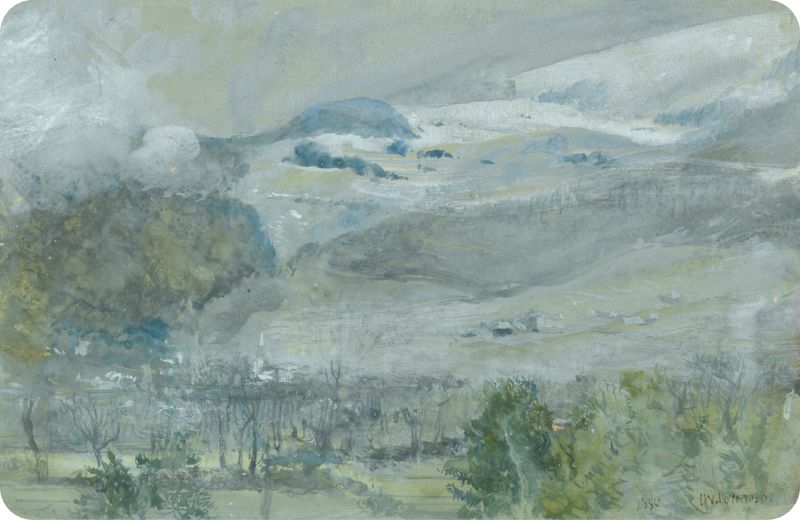
In the gentle embrace of nature, divinity whispers between the trees, wrapped in the golden glow of twilight. The stillness of Richmond Park invites the viewer to consider the sacredness of solitude and reflection. Look to the foreground where the soft, dappled light filters through the leaves, casting intricate patterns on the lush undergrowth. The delicate brushwork captures every nuance, from the rich greens of the foliage to the subtle hints of lavender in the distant horizon.
Notice how the artist contrasts the vibrancy of life with an almost ethereal calm, conveying a profound sense of peace and reverence for the natural world. Here, the interplay of light and shadow suggests a deeper spiritual connection, evoking the idea of nature as a sanctuary for introspection. The lone figure in the distance, seemingly lost in thought, embodies a journey toward self-discovery—each step through the park a meditation on existence. This scene reminds us that within every tranquil moment lies the potential for revelation, a sacred dialogue with the divine. In 1869, while painting this work, the artist was immersed in the Pre-Raphaelite movement’s ideals, advocating for a return to nature and the emotional expressiveness of art.
Living in England during a time of rapid industrialization and societal change, Inchbold sought solace and beauty within the natural world, often finding inspiration in picturesque locations like Richmond Park. His dedication to capturing the essence of these moments underscores the era’s quest for meaning amidst a changing landscape.