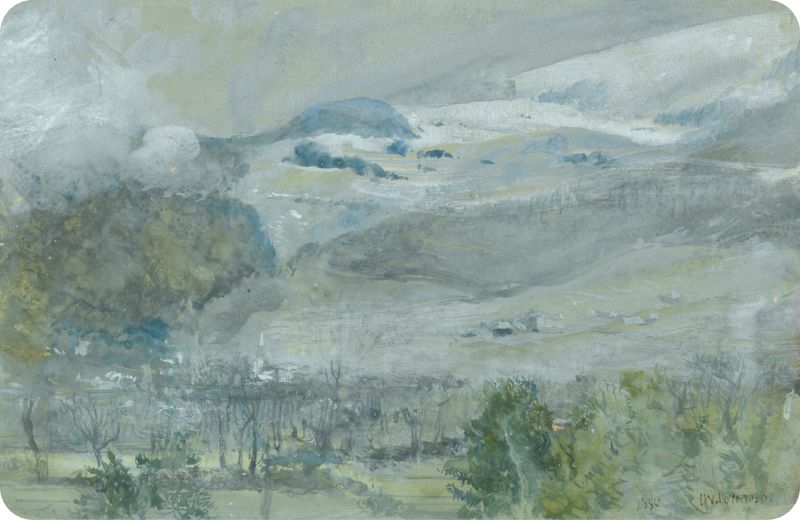
Cornfield at sunset — History & Facts
When did color learn to lie? As the sunset bathes the cornfield, hues of gold and crimson dance across the landscape, whispering secrets of a divine presence in nature's embrace. Look to the left at the shimmering wheat, each stalk rendered with meticulous brushwork that captures the gentle sway of the breeze. Focus on the interplay of light and shadow as the setting sun casts an ethereal glow, transforming the ordinary into something sublime. The warm yellows and oranges intermingle with cool, deep blues of the sky, creating a striking contrast that evokes a sense of peace and wonder. Yet, beneath the tranquility lies a tension between the fleeting beauty of the moment and the inevitable approach of night.
The radiant colors suggest an ephemeral joy, while the shadows hint at a darker reality creeping in—much like life's transient nature. Each brushstroke reflects a deep reverence for the divine in the everyday, compelling the viewer to ponder the sacredness of what is often overlooked. Inchbold painted this piece during a period when he grappled with the complexities of faith and nature, likely in the mid to late 19th century. Living in an era where the Pre-Raphaelite movement sought to challenge conventional artistic norms, he found solace in the simple yet profound beauty of rural landscapes.
The fusion of artistry and spirituality in his work reflects a broader cultural shift towards appreciating the divine in the natural world.