Discover insights about this artwork
Arii Matamoe (The Royal End) — History & Facts
In Arii Matamoe (The Royal End), vibrant colors dominate the canvas, with deep blues and rich greens reflecting the tropical landscape. The painting features figures in traditional Polynesian attire, engaged in a solemn ritual. The background is filled with lush vegetation and hints of the ocean, creating a sense of place.
The overall composition conveys a feeling of intimacy and cultural significance. The painting is executed in oil on canvas, showcasing Gauguin's characteristic bold brushstrokes and vivid color palette. The dimensions are approximately 92 x 73 cm, making it a sizable work that draws the viewer in. The figures are stylized, emphasizing their cultural attire and expressions.
Gauguin's technique captures the essence of the scene, blending realism with a personal interpretation. Paul Gauguin created Arii Matamoe during his time in Tahiti, where he sought to escape European society and immerse himself in Polynesian culture. This work reflects his fascination with the local customs and spirituality. An interesting fact about this painting is that it was part of a series where Gauguin explored themes of life and death, making it a significant piece in his oeuvre.
The title translates to 'The Royal End', hinting at the deeper meanings behind the depicted ritual.
More Artworks by Paul Gauguin
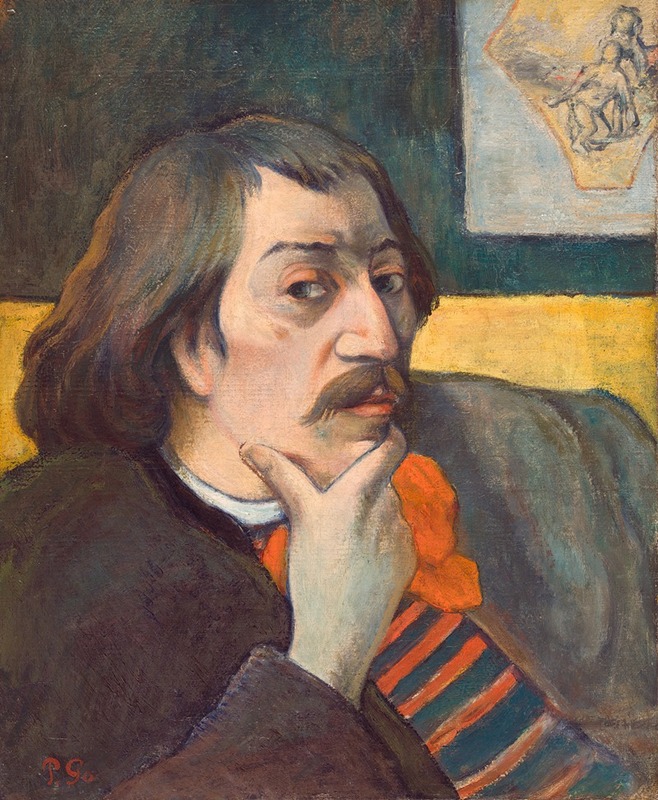
Self Portrait
Paul Gauguin
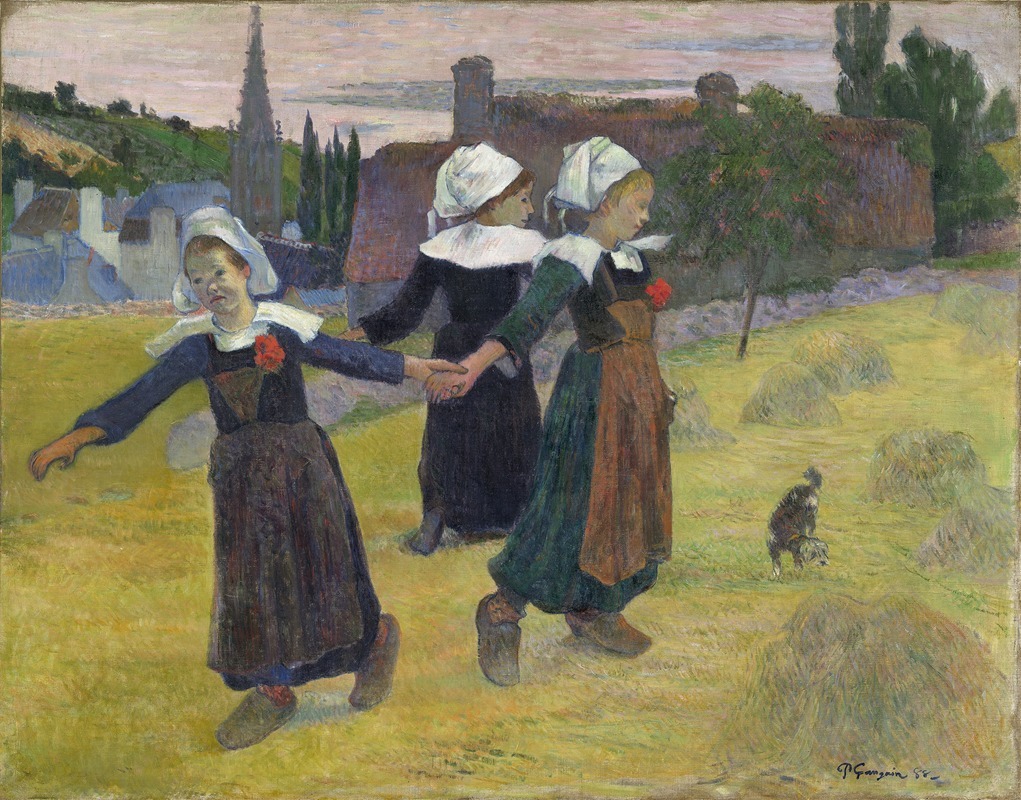
Breton Girls Dancing,Pont-Aven
Paul Gauguin
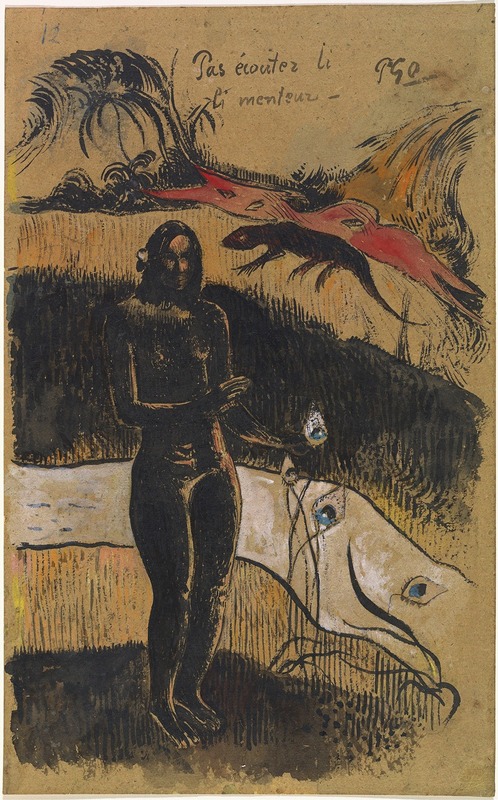
Nave Nave Fenua
Paul Gauguin
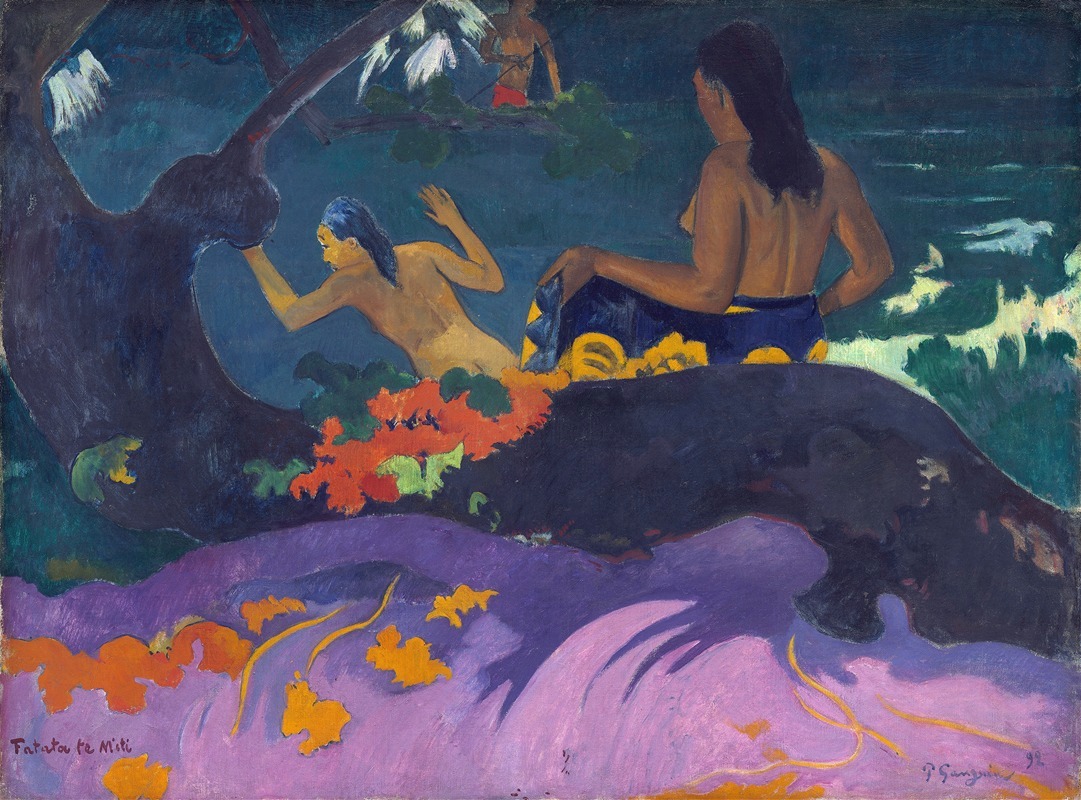
Fatata te Miti (By the Sea)
Paul Gauguin
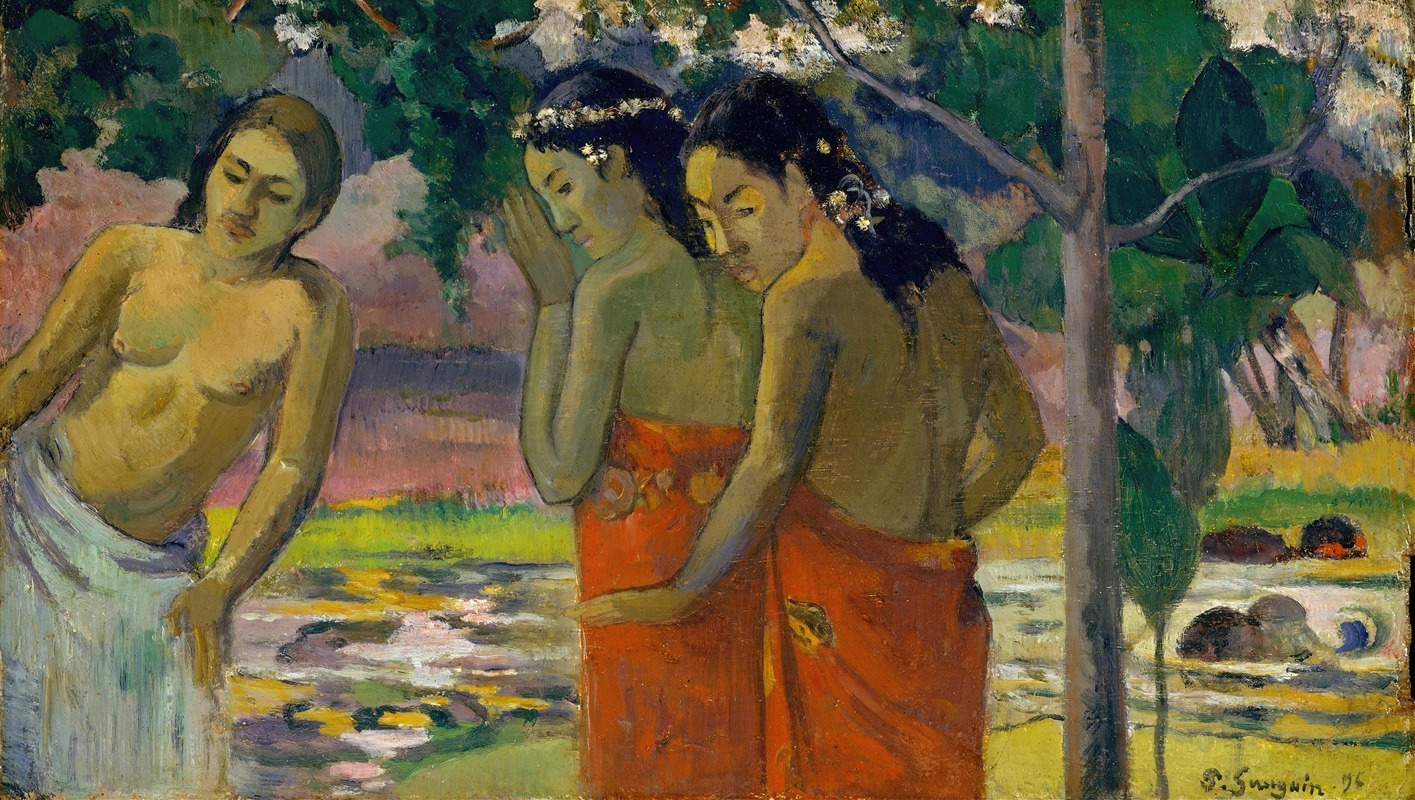
Three Tahitian Women
Paul Gauguin
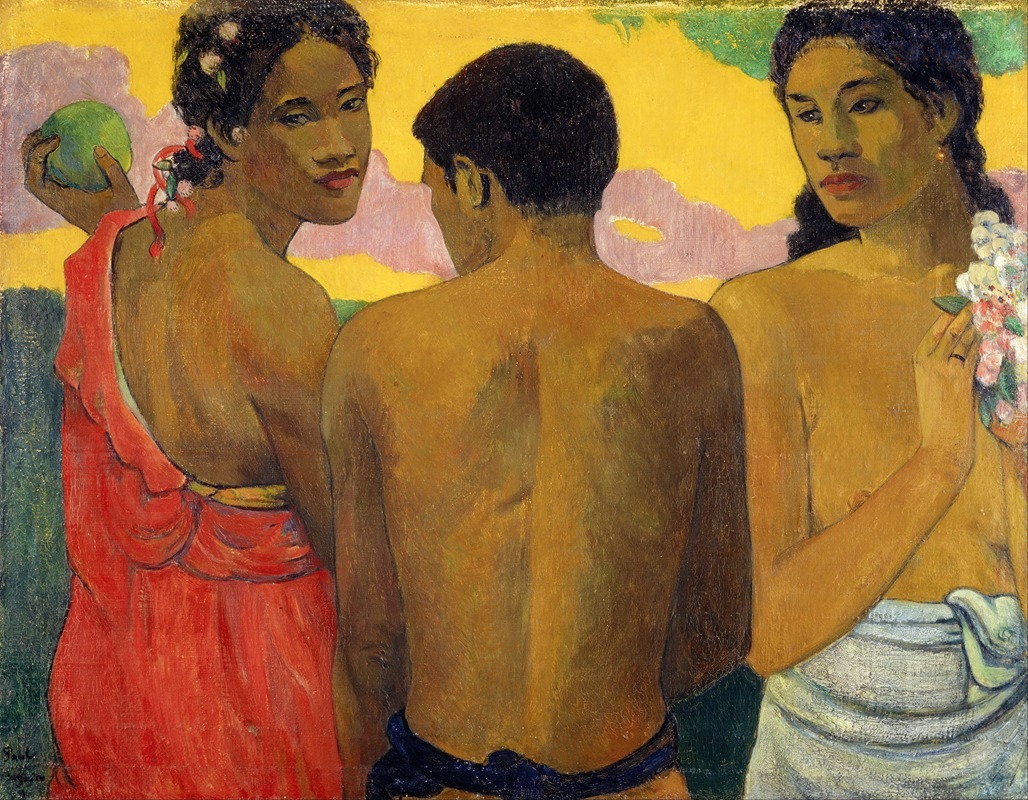
Three Tahitians
Paul Gauguin
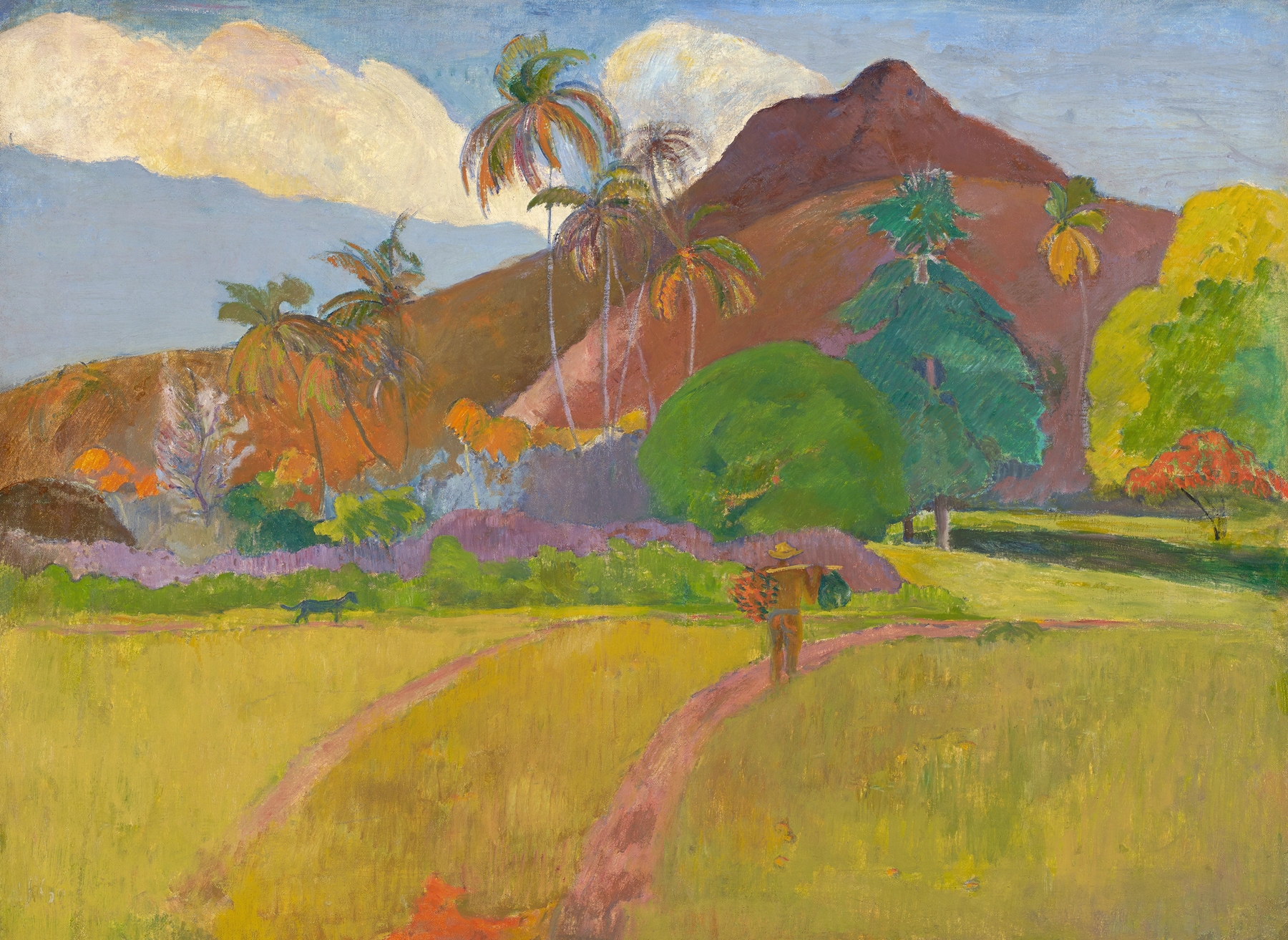
Tahitian Landscape
Paul Gauguin
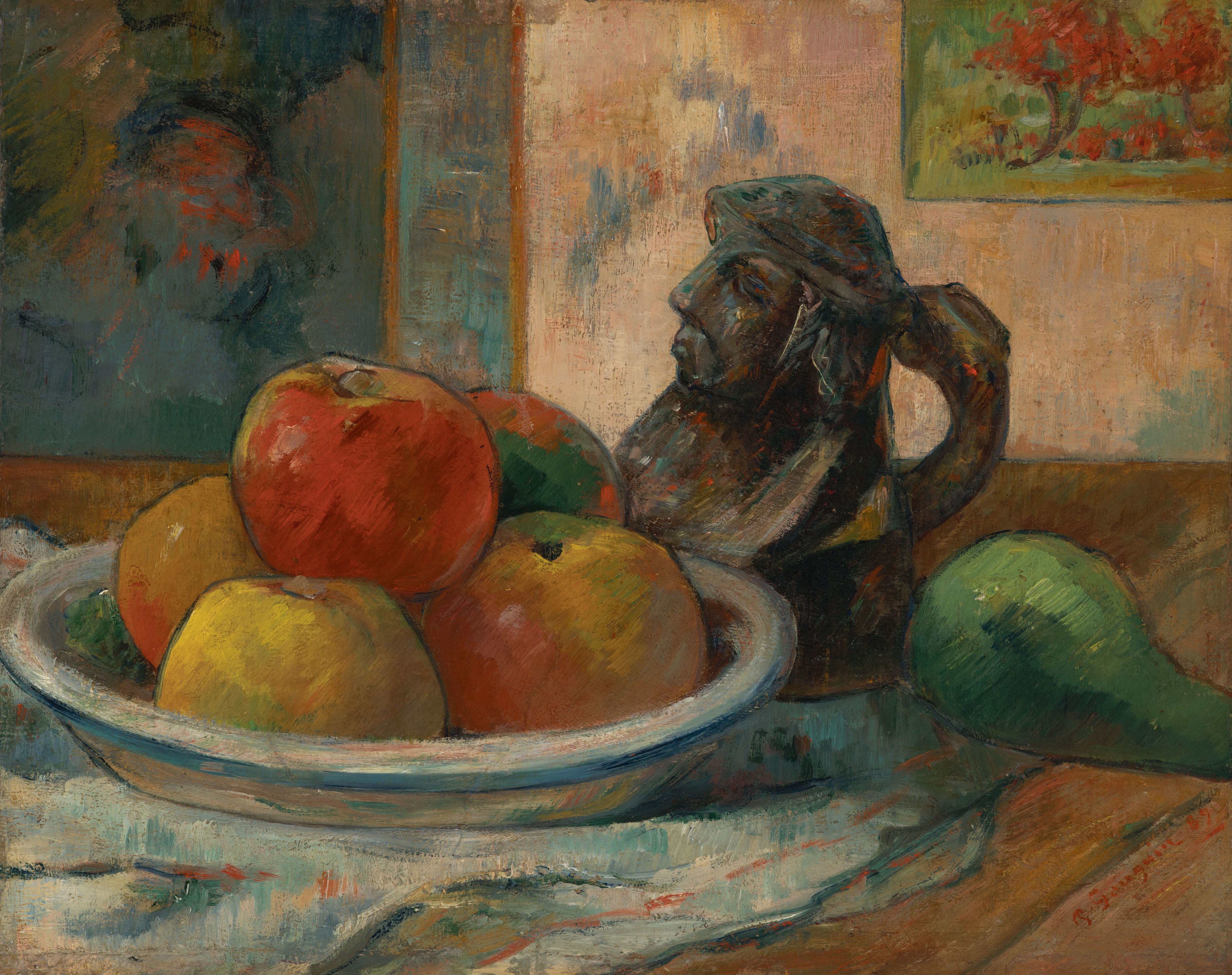
Still Life with Apples, a Pear, and a Ceramic Portrait Jug
Paul Gauguin
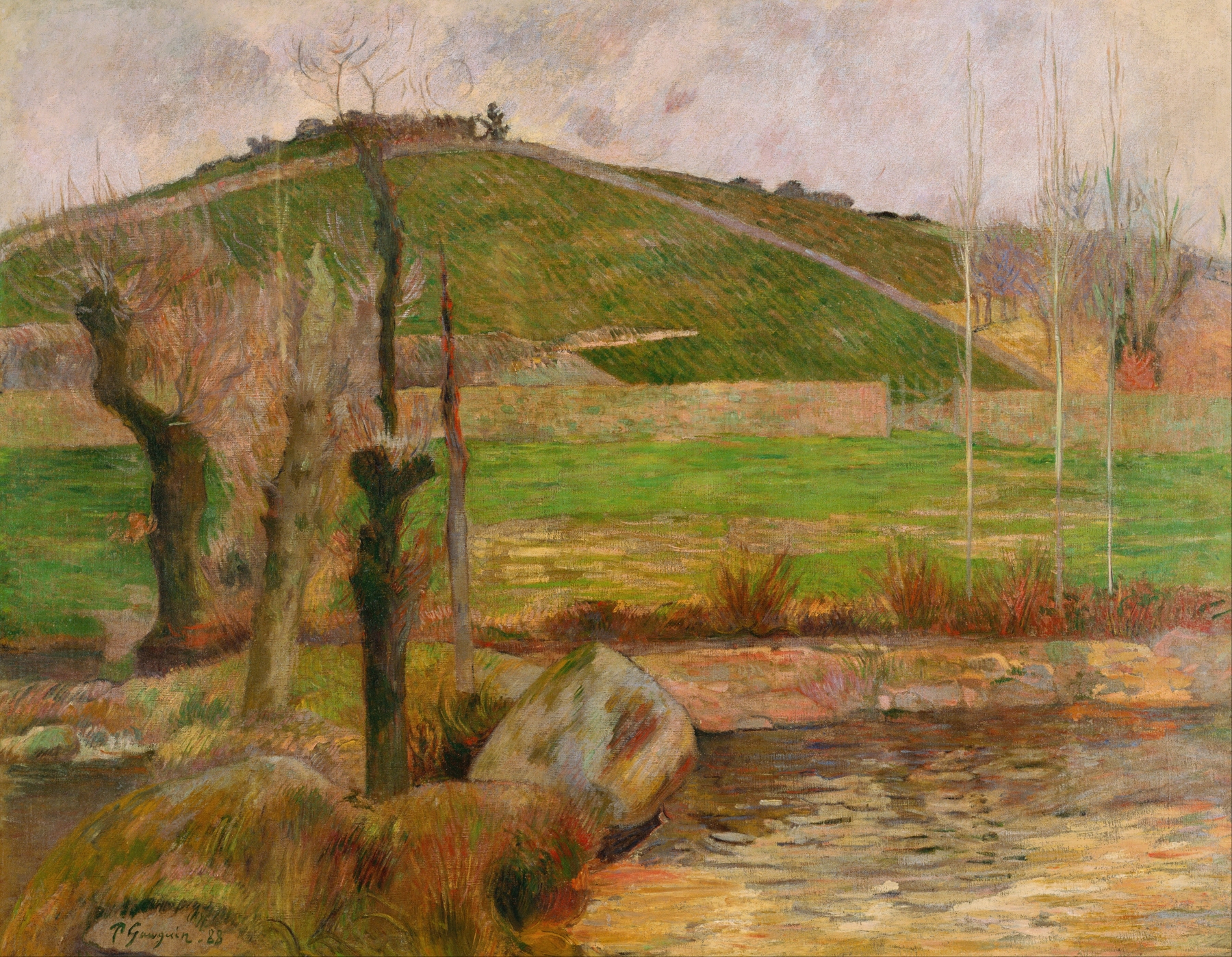
Landscape near Pont-Aven
Paul Gauguin

No te aha oe riri (Why Are You Angry?)
Paul Gauguin