Arnheim — History & Facts
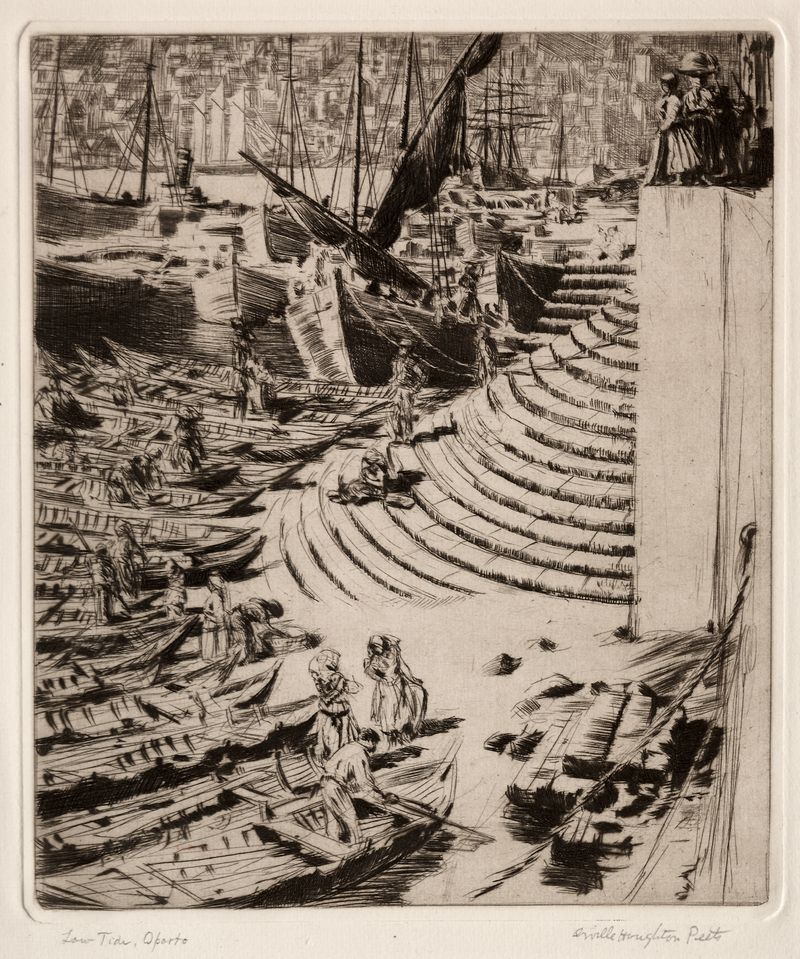
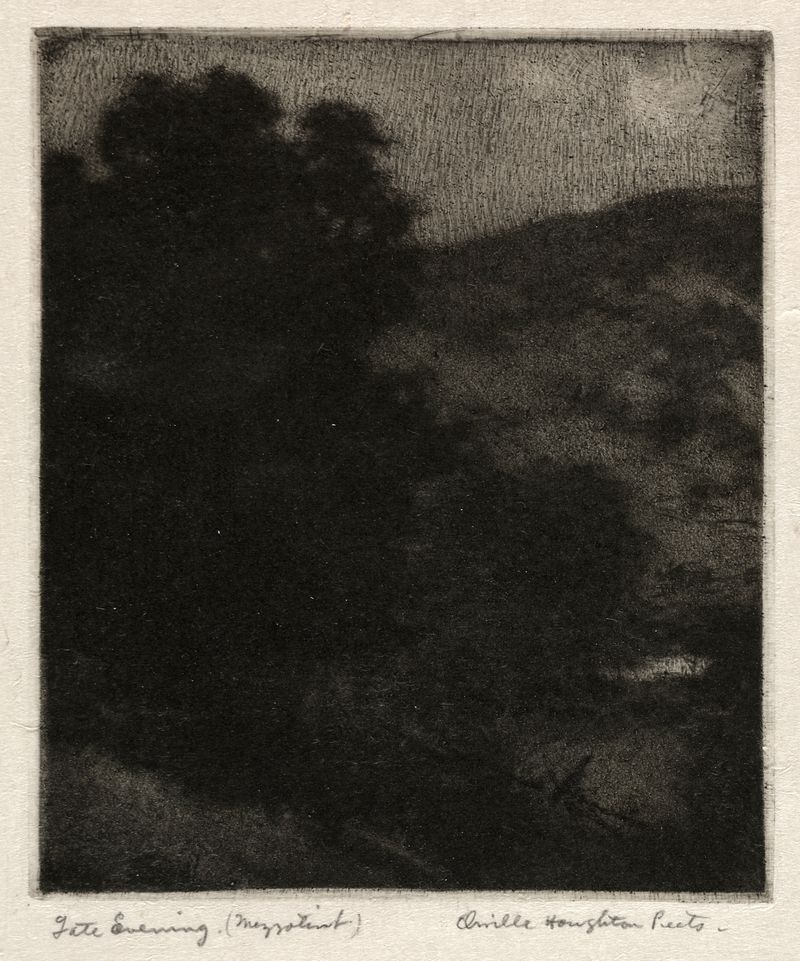
In the stillness of the canvas, unspoken sorrows linger like ghosts, wrapping around the viewer with a heart-wrenching intimacy. Look to the center of the composition where muted colors converge, creating a haunting atmosphere that draws you in. The subtle interplay of shadow and light reveals delicate details, inviting the eye to explore the textures—the soft strokes that evoke both fragility and strength. As you scan the edges, the darker tones bleed into the background, creating a sense of depth that amplifies the emotional weight of the piece. The juxtaposition of light and shadow serves not only as a visual technique but also as a narrative device, reflecting the complex interplay of hope and despair in human experience.
Each brushstroke seems to echo the unexpressed, the grief that resides within the silence. One can sense a yearning for connection amid the isolation, as if the very fabric of the piece is woven from the threads of memory and loss. During his career in the early 20th century, the artist created Arnheim amidst a shifting landscape in American art, during which introspection and emotional resonance became paramount themes. The period was marked by a growing interest in modernism, yet Houghton Peets remained dedicated to conveying deep, personal narratives.
This work reflects a time of introspection for the artist, offering a poignant glimpse into his own experiences of grief and longing, captured in a timeless expression of the human condition.