Sails and a Vista — History & Facts
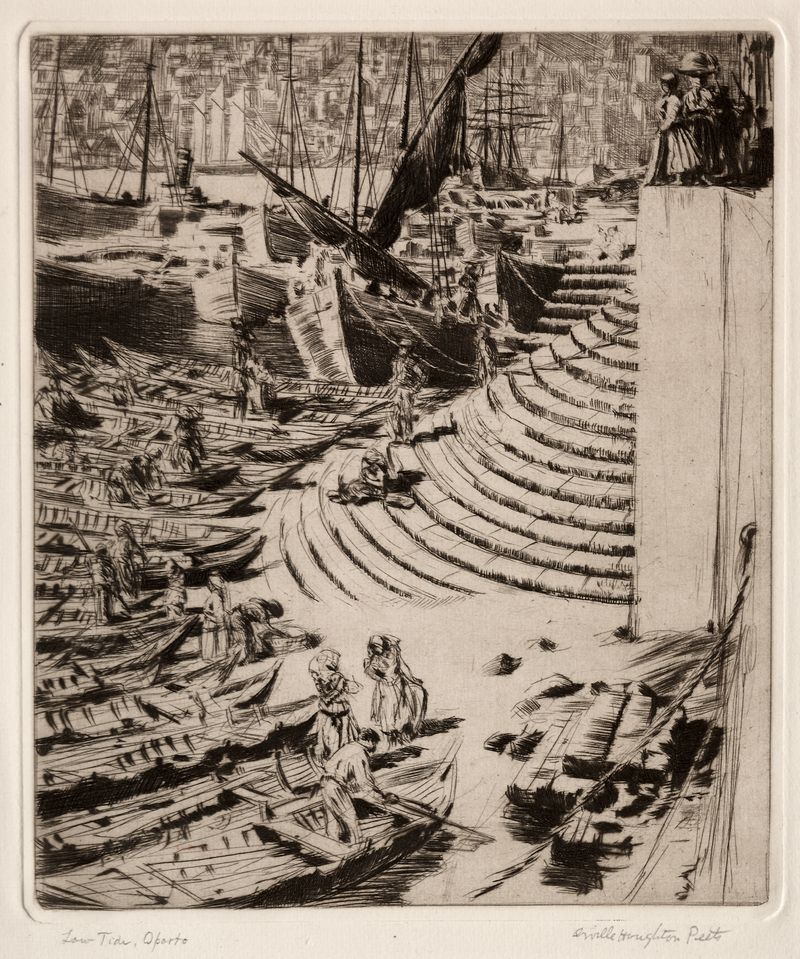
Could beauty survive in a century of chaos? Look closely at the serene expanse laid before you: a canvas awash with the gentle dance of light on water. Focus on the horizon, where the sails of distant boats break the calm, their white forms contrasting strikingly against the deep blue sky. The artist’s brushwork creates a rhythmic pulse, guiding your gaze across the soft waves and inviting you to explore the tranquil setting, where nature’s splendor unfolds unperturbed by the turmoil of the outside world. The interplay of colors conveys more than mere beauty; it reveals an emotional landscape.
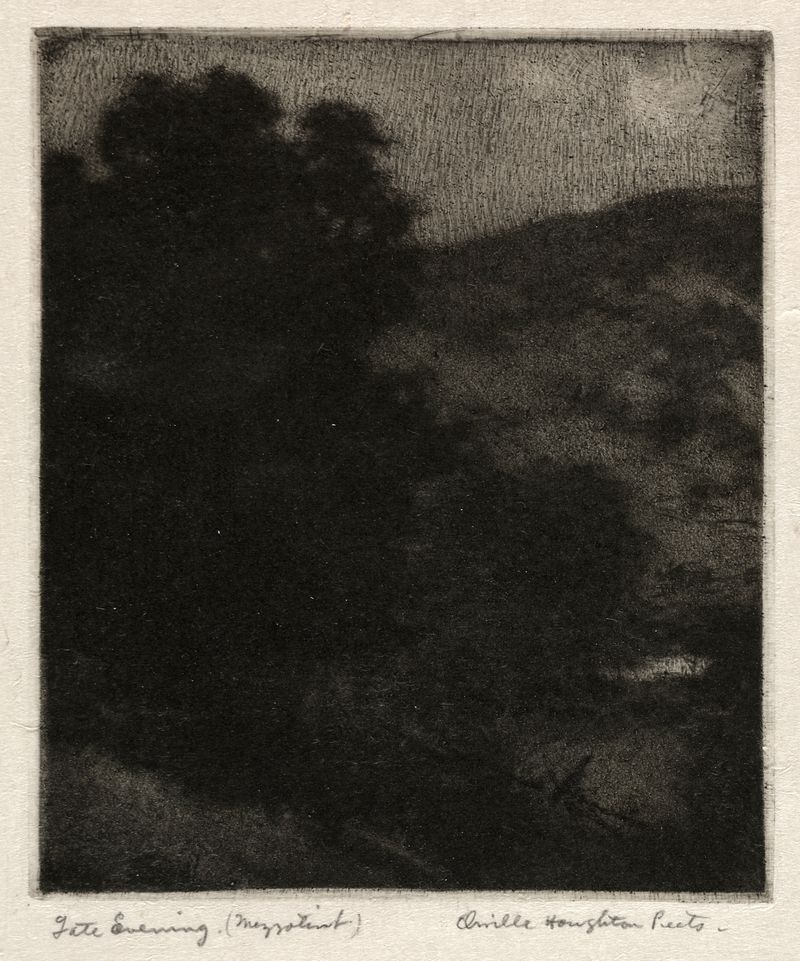
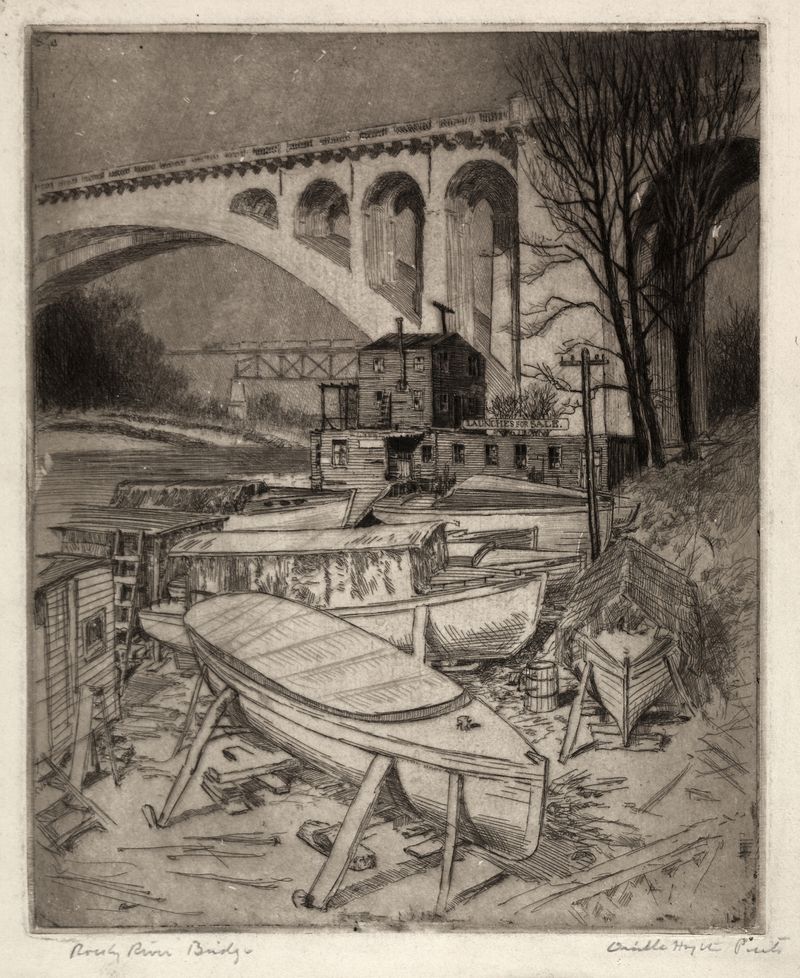
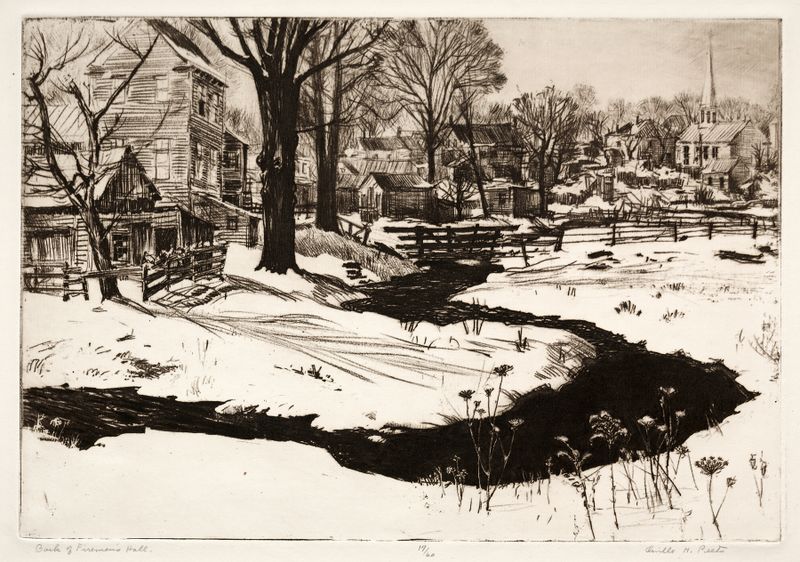
Notice how the light captures the crests of the waves, evoking a sense of movement and life, while the shadows hint at a deeper, more complex narrative hiding beneath the surface. The boats, both distant and intimate, symbolize a quest for calm amidst chaos, suggesting an underlying madness that lurks just outside the frame. Orville Houghton Peets painted this work during a time when the world was grappling with industrialization and the burgeoning effects of modernity. His career flourished in the late 19th century, a period marked by artistic experimentation and a yearning for connection with nature.
The choice of subject matter reflects a nostalgia for simpler times, perhaps a personal desire for escape from the frenetic pace of the world around him, communicating a universal longing for peace.