Low Tide, Oporto — History & Facts
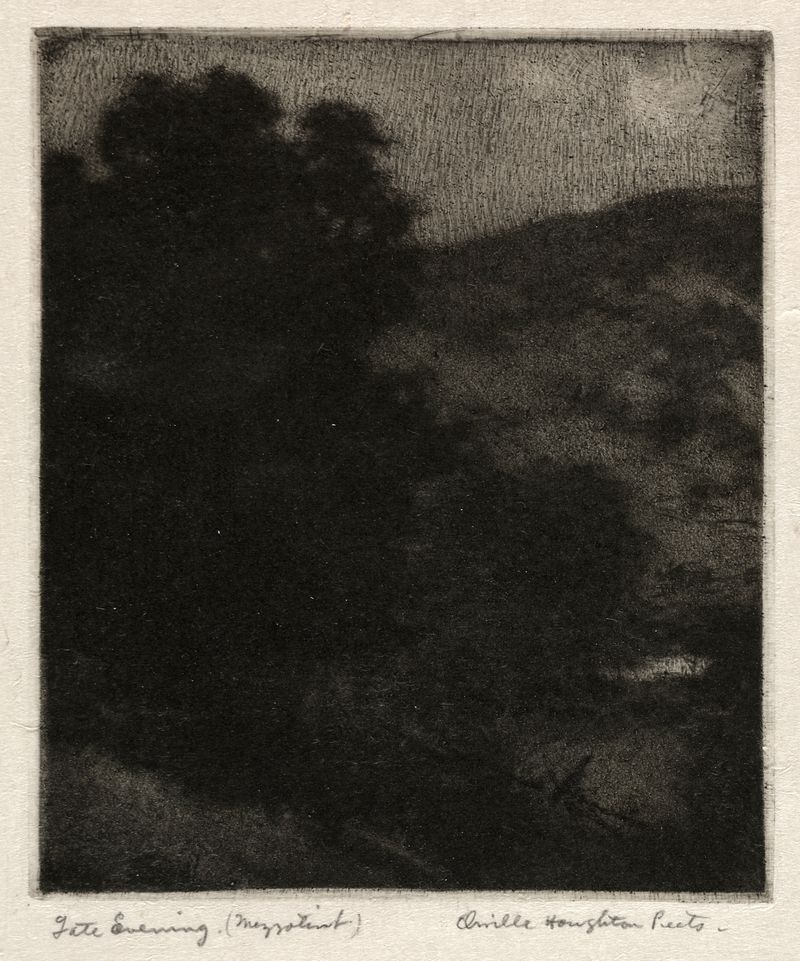
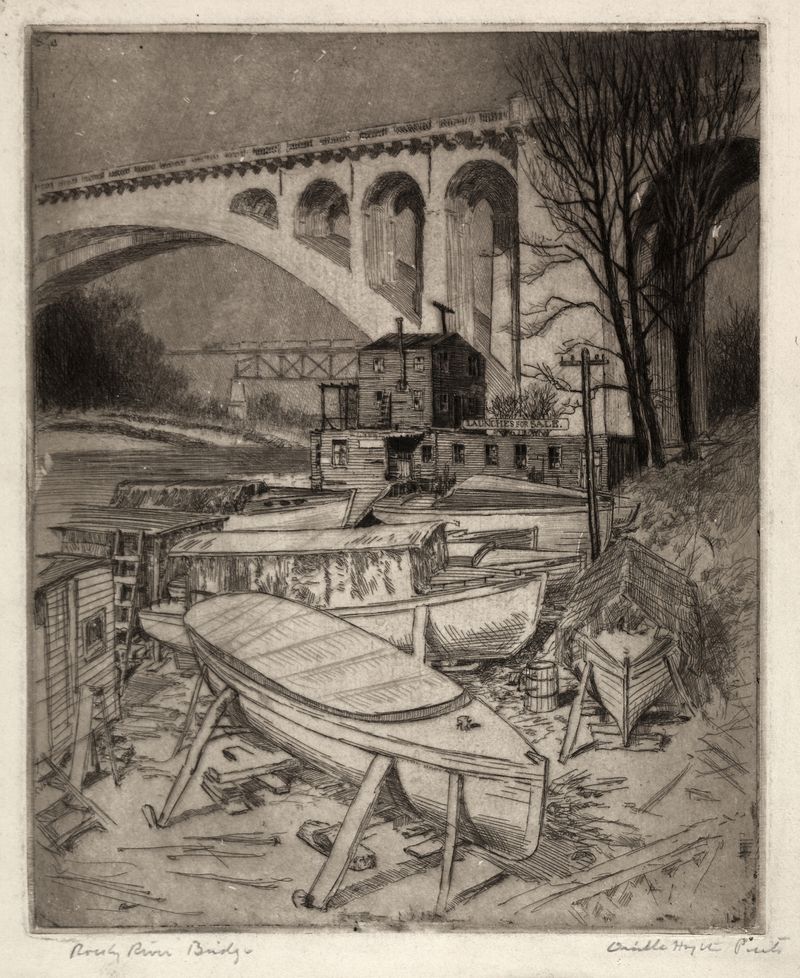
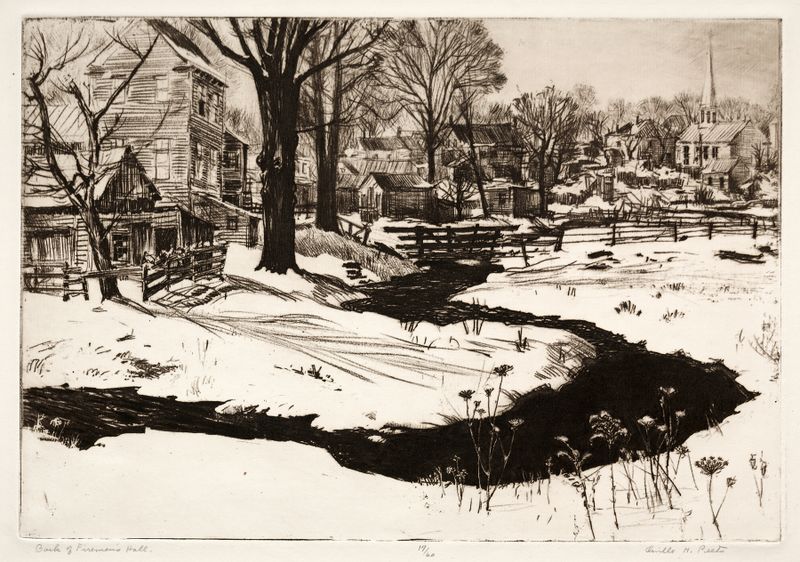
In the gentle embrace of twilight, shadows stretch and intertwine, revealing stories hidden beneath the surface. Each brushstroke serves as a testament to the fleeting nature of time and the whispers of the past that linger in dim light. Look to the left, where a cluster of boats nestles against the shore, their forms softened by the fading light. Notice how the muted palette of ochres and deep blues hints at the approaching night, each hue blending seamlessly into the next.
The horizon, painted with delicate strokes, draws the eye toward the distant cliffs that frame the scene, their rugged presence a stark contrast to the serene water below. Yet, the true magic lies beneath the surface, where the dissolving light dances with the shadows cast by the boats. Here, the tension between land and sea creates a dialogue of stillness and movement, suggesting both the passage of time and the ephemeral nature of existence. Each shadow speaks of memories — of sailors, of tides, of moments preserved in the ebb and flow of life itself. Orville Houghton Peets painted this work during a time when American artists were increasingly drawn to the coastal landscapes of Europe, captivated by their unique light and atmosphere.
Although the exact date of creation remains unknown, it is likely that this piece emerged during the early 20th century when he was exploring the charming coastal scenes of Portugal, reflecting both personal and artistic growth amid a transformative era in art.