
Artemisia ontvangt urn met as van haar overleden echtgenoot Mausolus — History & Facts
Who listens when art speaks of silence? In the stillness of memory, a moment is captured where echoes of love linger long after the sound has faded. Look to the center of the canvas, where Artemisia stands, a figure draped in flowing garments that catch the light softly. The urn, both monumental and delicate, glows with a gentle sheen, drawing the viewer’s eye to its intimate connection with the grieving widow. Note the palette—deep earth tones contrast with the ethereal whites and blues, creating a visual harmony that underscores the tension between life and loss. The details whisper deeper stories; the tears of the widow shimmer like dew, each drop a testament to her profound sorrow and unwavering love.
The solemn gesture of her hands cradling the urn hints at both reverence and despair, a poignant conflict that resonates with anyone who has experienced the weight of absence. The background fades into a blur, emphasizing the isolation of her grief, as if the world outside has ceased to exist in this moment. This artwork, created between 1630 and 1683, reflects a time when representation of women in art began to shift. The artist remains anonymous, but the piece speaks to a collective understanding of love and mortality.
During this period, themes of memory and loss became increasingly prevalent in the artistic community, paralleling the social changes that gave voice to women’s experiences in both life and art.
More Artworks by Unknown Artist
Browse all →
Ridder, Dood en Duivel
Unknown Artist
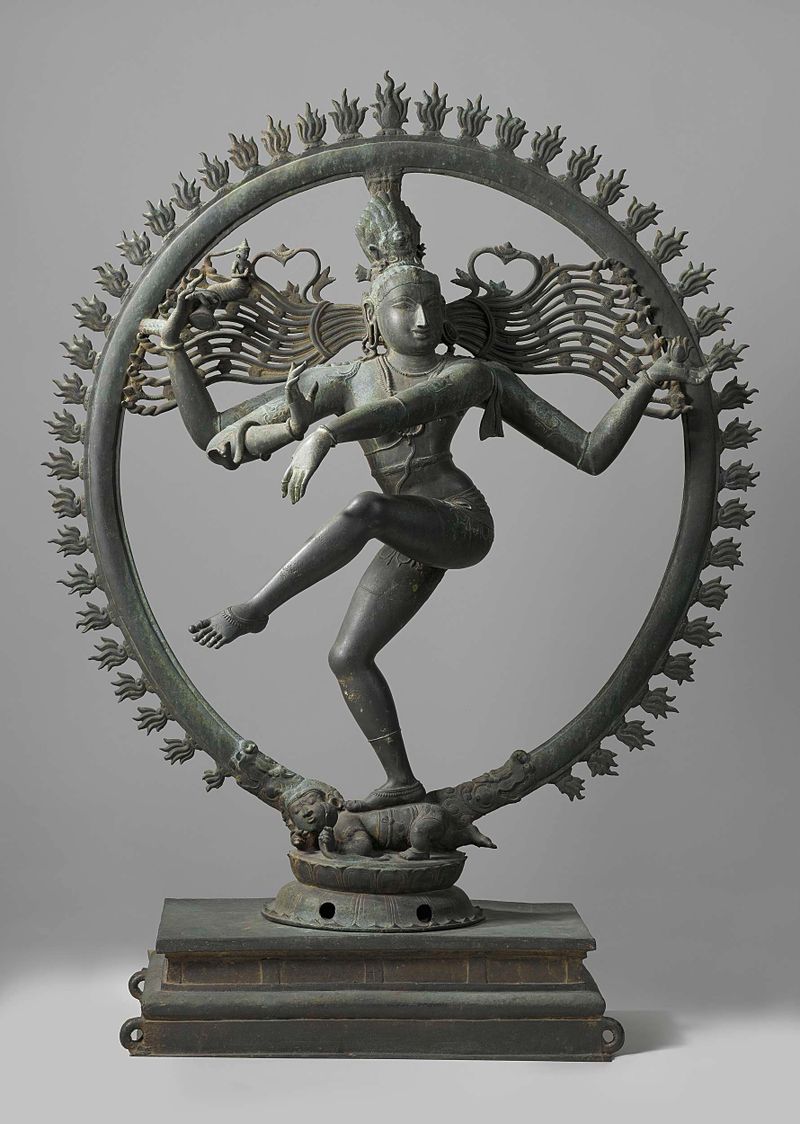
Shiva Nataraja
Unknown Artist
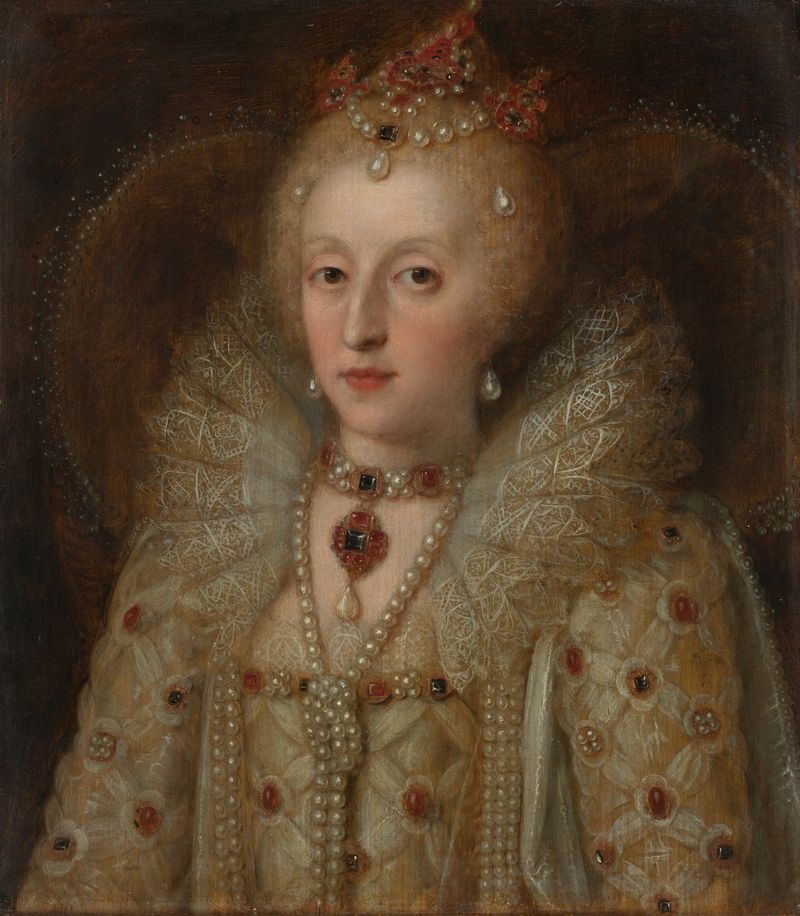
Portrait of Elizabeth I, Queen of England
Unknown Artist
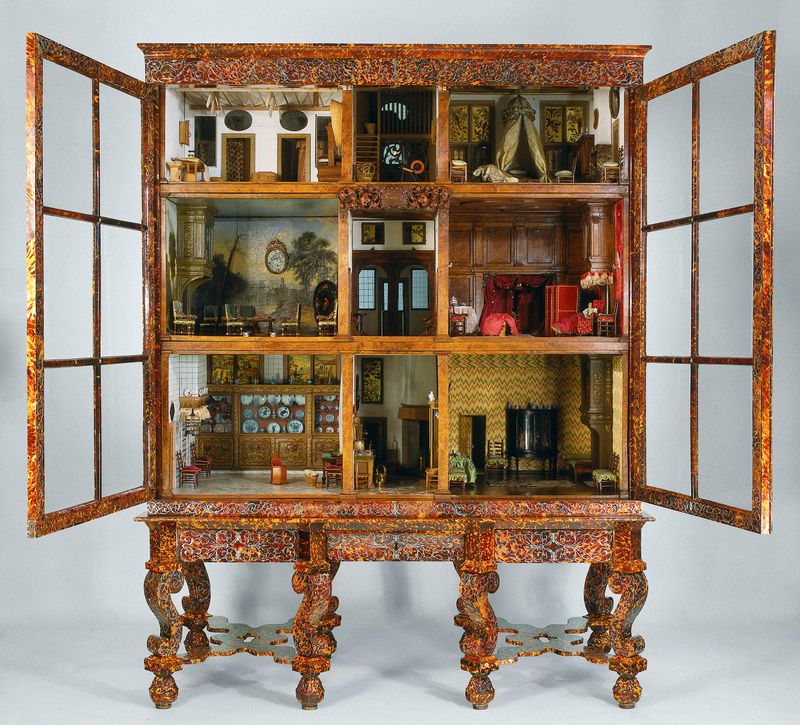
Dolls’ house of Petronella Oortman
Unknown Artist
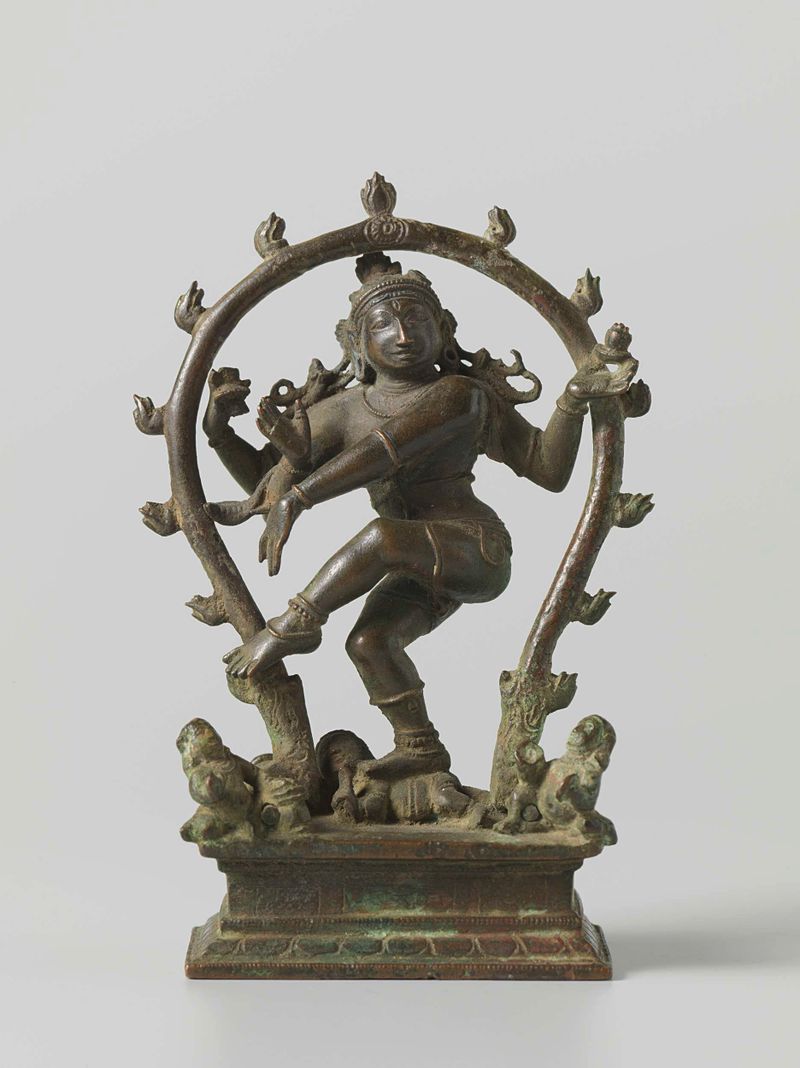
Shiva Nataraja
Unknown Artist

The Tale of Genji
Unknown Artist

The Tale of Genji
Unknown Artist

Cong
Unknown Artist
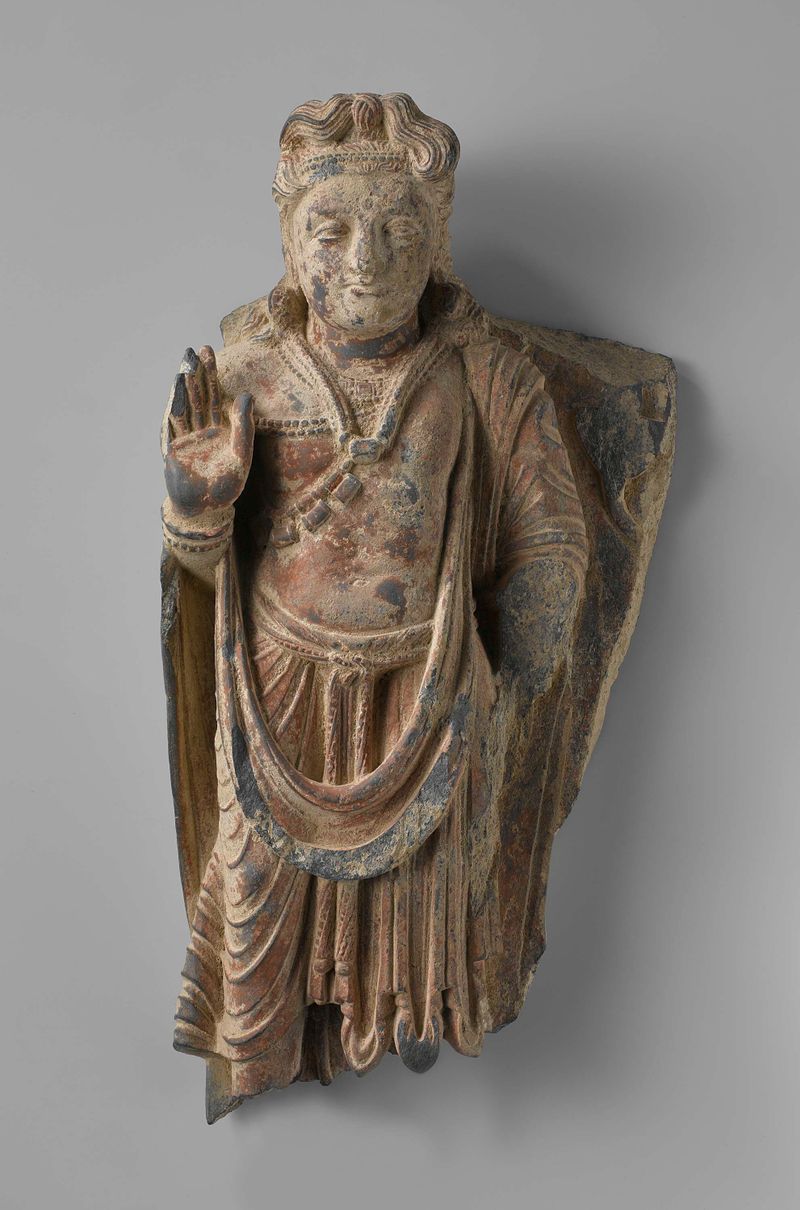
The bodhisattva Maitreya
Unknown Artist

Teabowl with a 'hare's fur' glaze
Unknown Artist
More Historical Art
Browse all →
The Night Watch Militia Company of District II under the Command of Captain Frans Banninck Cocq
Rembrandt van Rijn
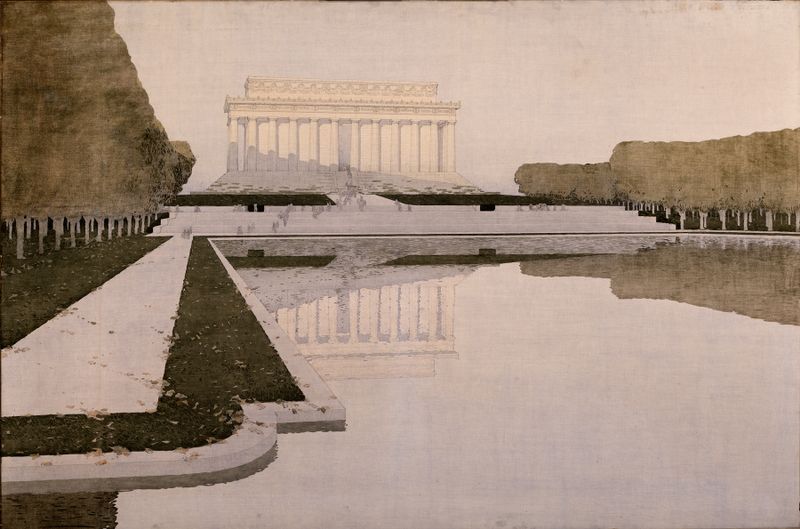
Lincoln Memorial
Henry Bacon
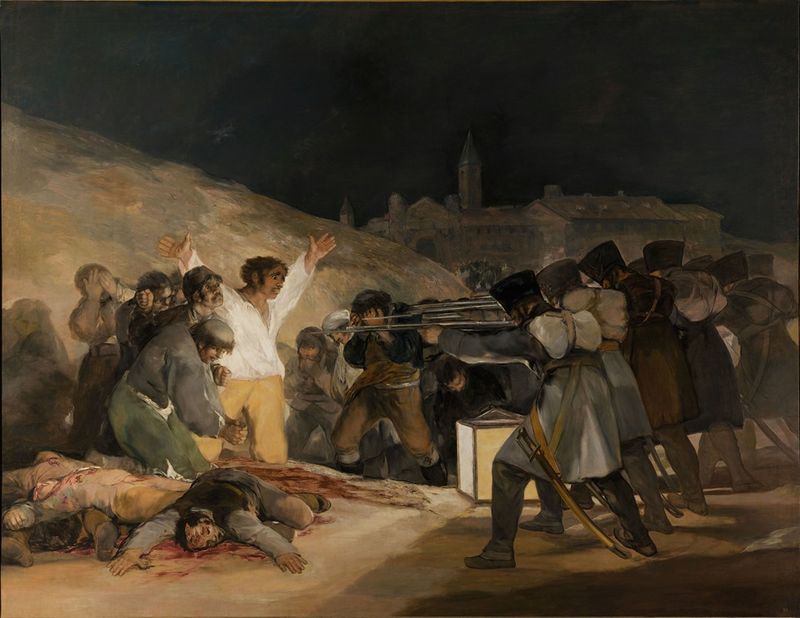
The Third of May 1808
Francisco de Goya

Isaac and Rebecca, Known as ‘The Jewish Bride’
Rembrandt van Rijn
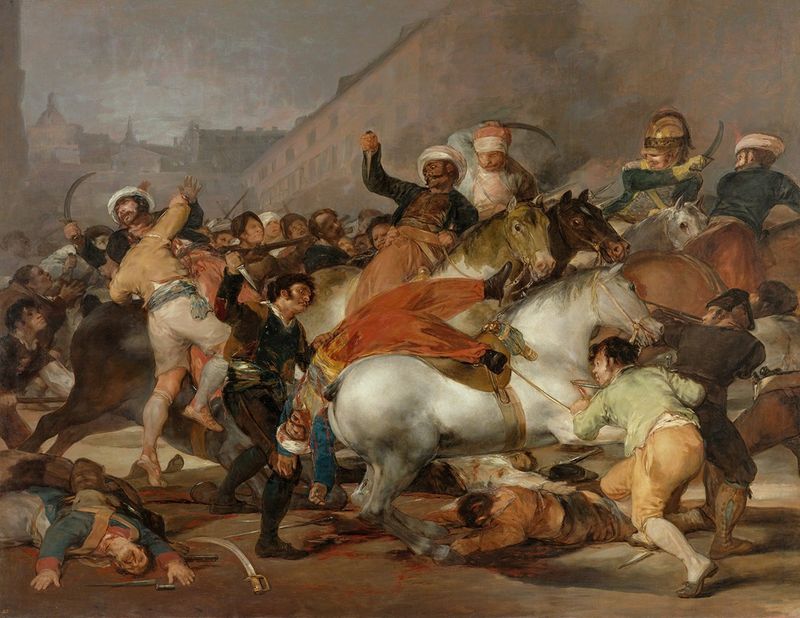
The Charge of the Mamelukes (1814)
Francisco de Goya

De vier ruiters van de apocalyps
Albrecht Dürer