
Asamajama in Japan — History & Facts
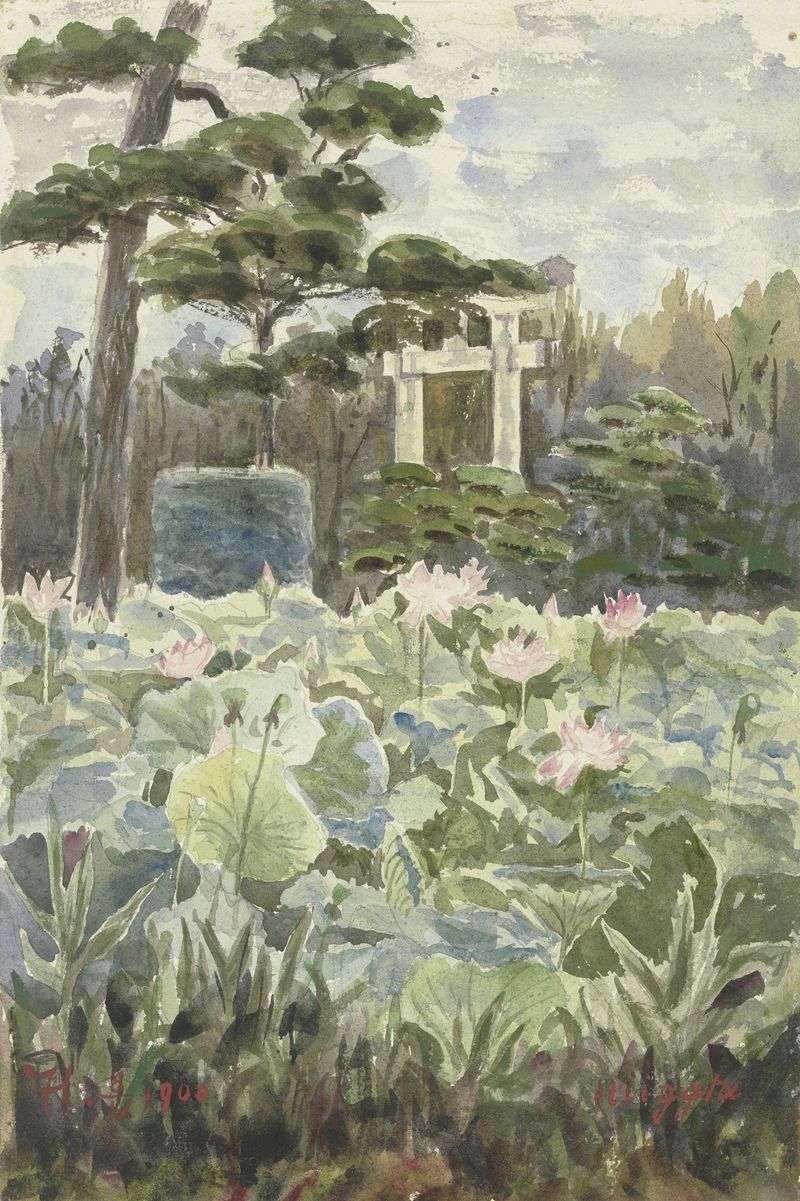
This poignant reflection invites us to explore the delicate balance between legacy and the burdens it carries. Focus on the intricate patterns that dance across the canvas, where swirls of deep blues and radiant golds intermingle, drawing your gaze toward the central figure. Notice how the artist employs rich textures, each brushstroke revealing the complexity of this moment. The composition leads the eye to the figure’s expression, caught in a moment of quiet contemplation, as shadows and light play upon their form, adding layers of meaning to the work. Delving deeper, the juxtaposition of color evokes an emotional tension—where the vibrancy of gold suggests prosperity, the somber undertones hint at a struggle beneath the surface.
The figure, adorned in traditionally rich garments, embodies the weight of cultural heritage while confronting the complexities of existence. This duality raises questions about the burdens of legacy, as beauty and pain intertwine in a silent dialogue. In 1900, the artist created this piece during a pivotal time in art history, as movements began to shift from traditional representational forms to more expressive styles. Hauck was immersed in the artistic explorations of the time, navigating personal and societal changes.
Working in Japan, he found himself influenced by both Eastern aesthetics and Western artistic movements, ultimately producing a work that speaks to the universality of human experience.
More Artworks by Fritz Hauck
Browse all →
Olivenbaumgruppe an einem italienischen See
Fritz Hauck
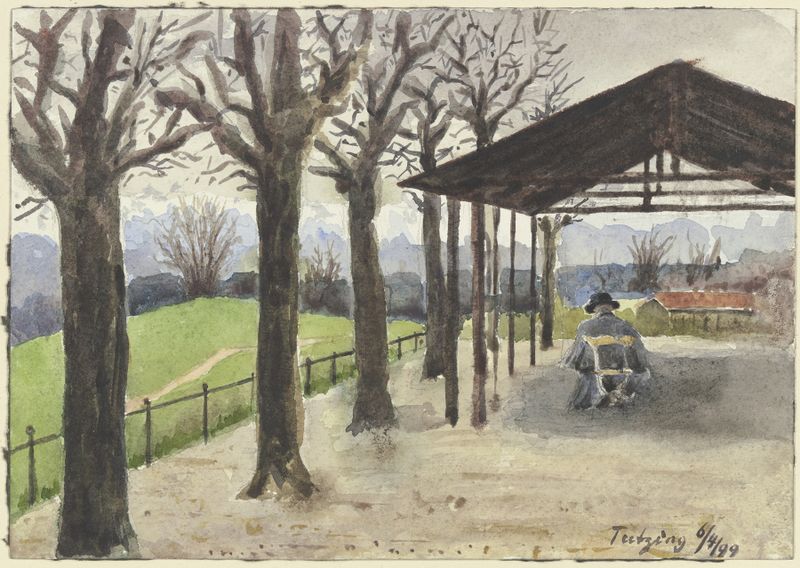
View from Tutzing
Fritz Hauck
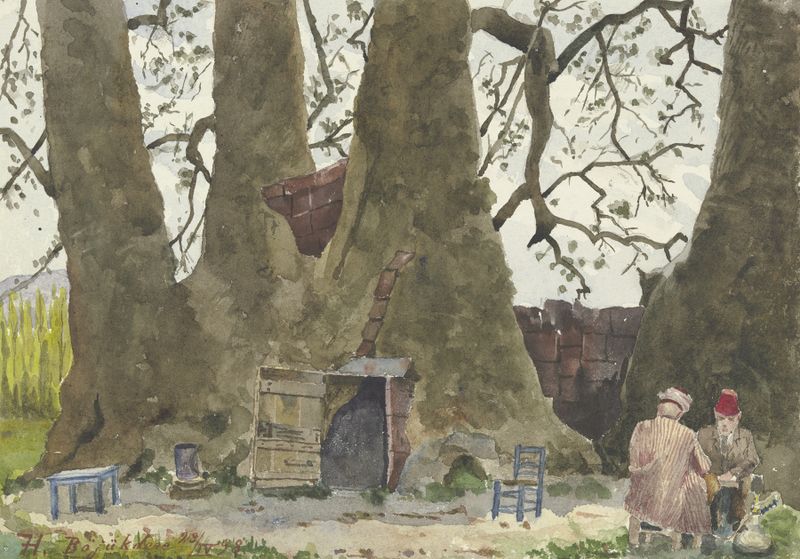
Zwei Araber vor einem Riesenbaum, der als Wohnung genutzt wird
Fritz Hauck
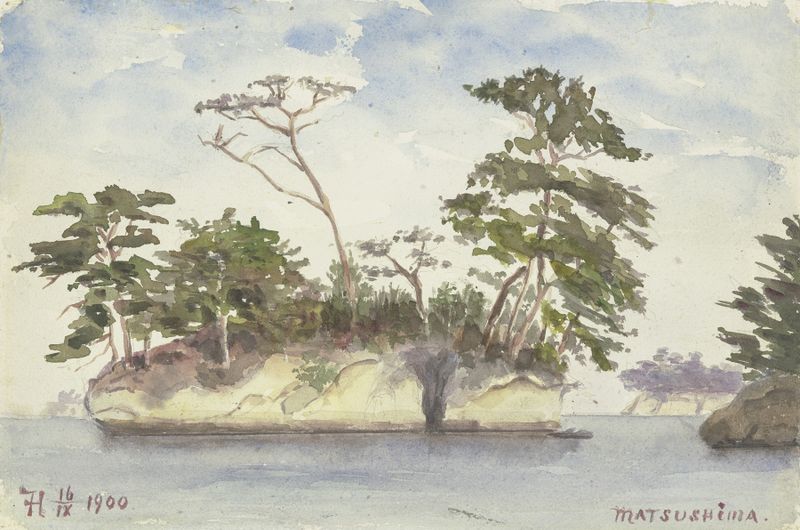
Group of islands off Matsushima
Fritz Hauck

Teilansicht von Jerusalem, Blick auf die Omar-Moschee
Fritz Hauck

Small island off Matsushima
Fritz Hauck
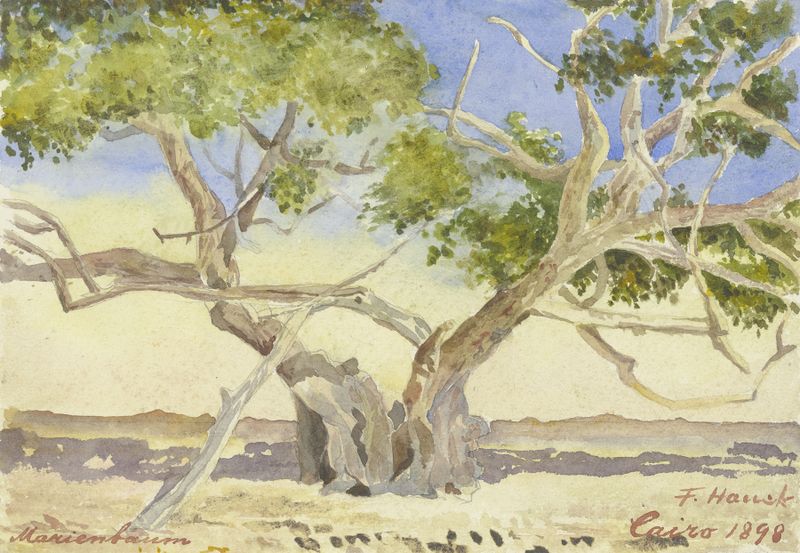
Mary’s tree near Cairo
Fritz Hauck

Küste von Feuerland mit Ortschaft, im Hintergrund Hochgebirge
Fritz Hauck
Partie eines japanischen Gartens
Fritz Hauck
Kait Bey Moschee in Kairo
Fritz Hauck





