
Asinus Onager Horse — History & Facts
In Asinus Onager Horse, the viewer is greeted by a striking depiction of a wild donkey. The colors are rich and earthy, reflecting the animal's natural habitat. The setting is likely a lush landscape, where the donkey stands out against the greenery.
The overall composition conveys a sense of vitality and connection to nature. The painting is executed in oil on canvas, a medium that allows for depth and texture. The brushwork is detailed, particularly in the rendering of the donkey's fur and the surrounding foliage. The use of light and shadow adds dimension, enhancing the realistic portrayal of the subject.
This attention to detail is characteristic of Romanticism, emphasizing the beauty of the natural world. Charles Hamilton Smith was known for his interest in natural history and wildlife. This work, created in the early 1820s, reflects his passion for depicting animals in their natural environments. An interesting fact about this painting is that it showcases the onager, a wild donkey native to Asia, which Smith studied extensively.
His works often aimed to educate the public about the beauty and diversity of animal life.
More Artworks by Charles Hamilton Smith

Marengo, Bonaparte’s Arab
Charles Hamilton Smith
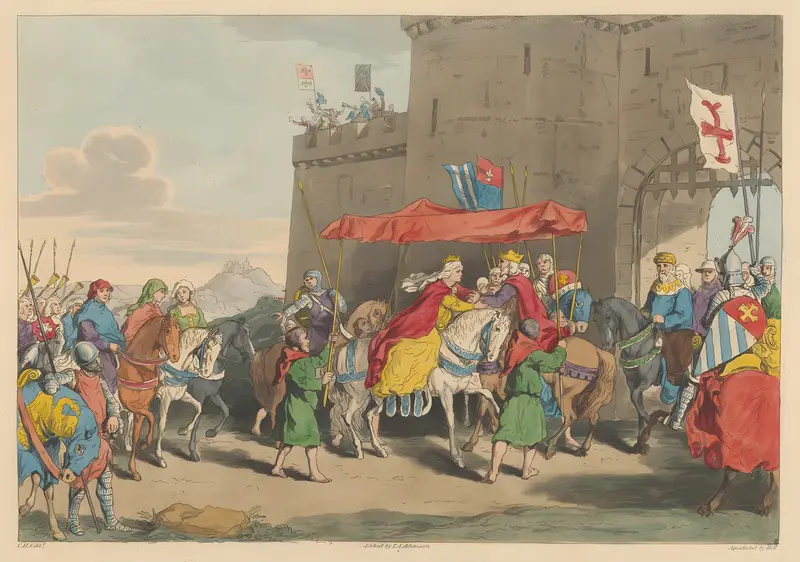
Costume of the Reign of King Henry III
Charles Hamilton Smith
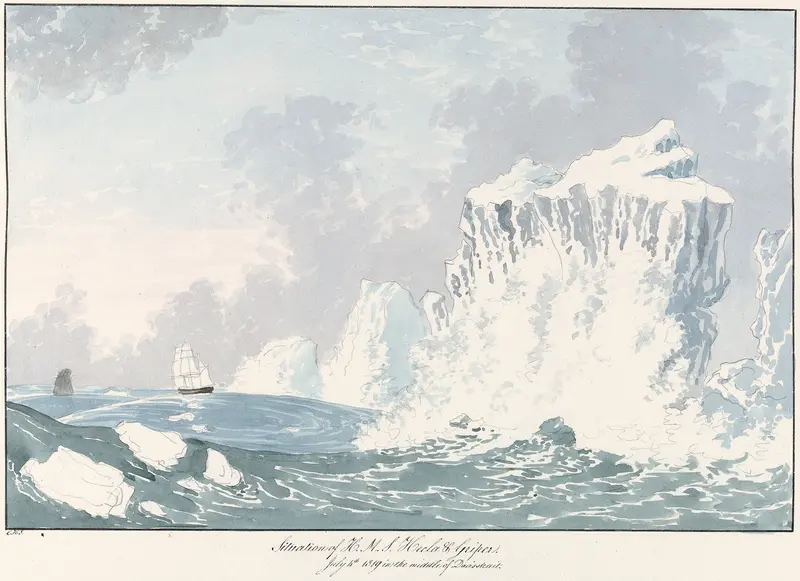
Situation of H.M.S. Hecla & Griper
Charles Hamilton Smith
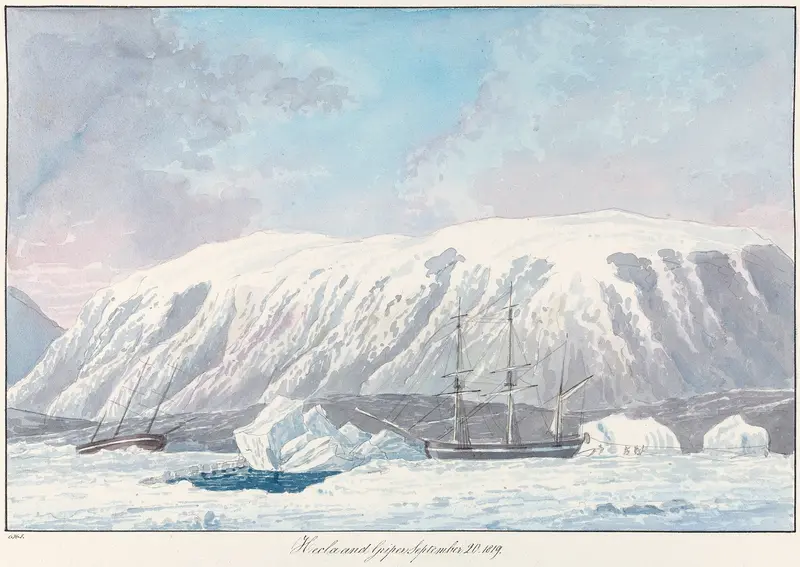
Hecla and Griper
Charles Hamilton Smith
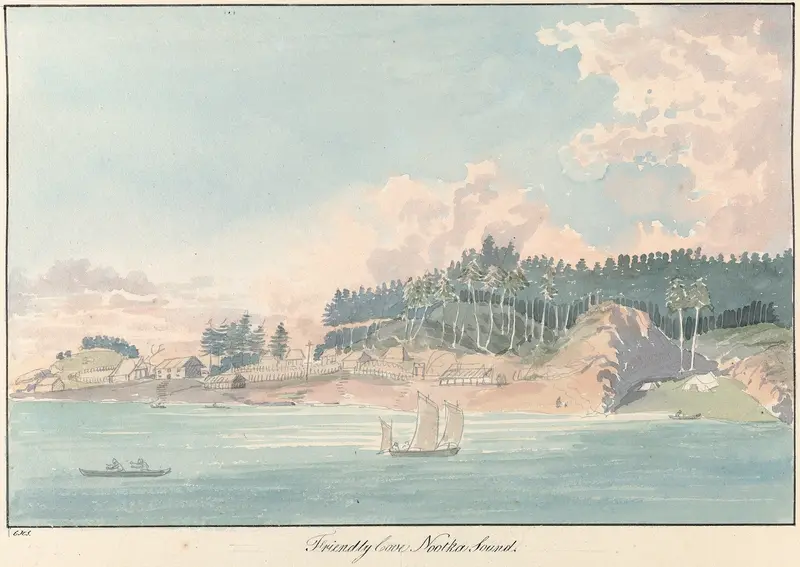
Friendly Cove, Nootka Sound
Charles Hamilton Smith
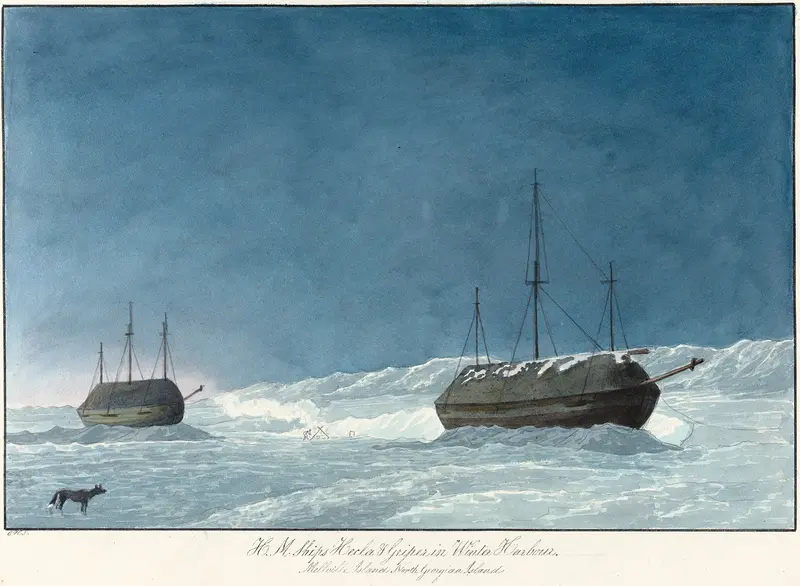
H. M. Ships Hecla and Griper in Winter Harbour
Charles Hamilton Smith
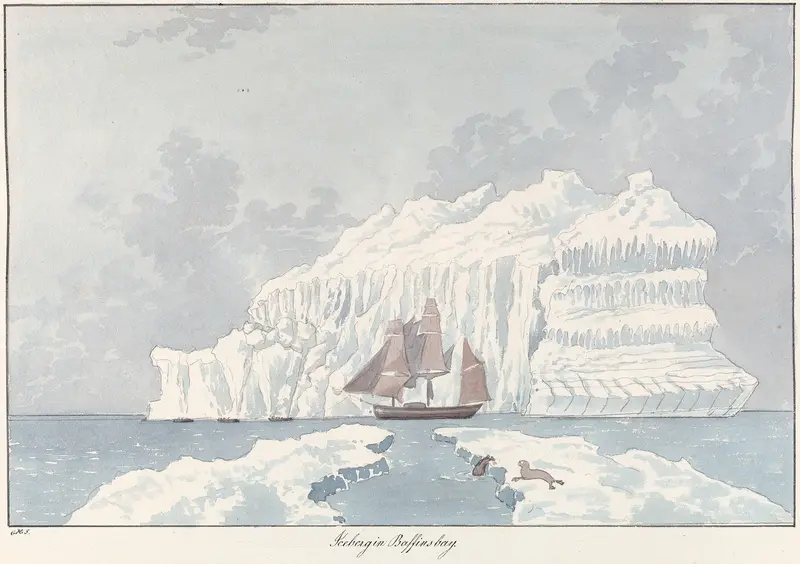
Iceberg in Baffin’s Bay
Charles Hamilton Smith
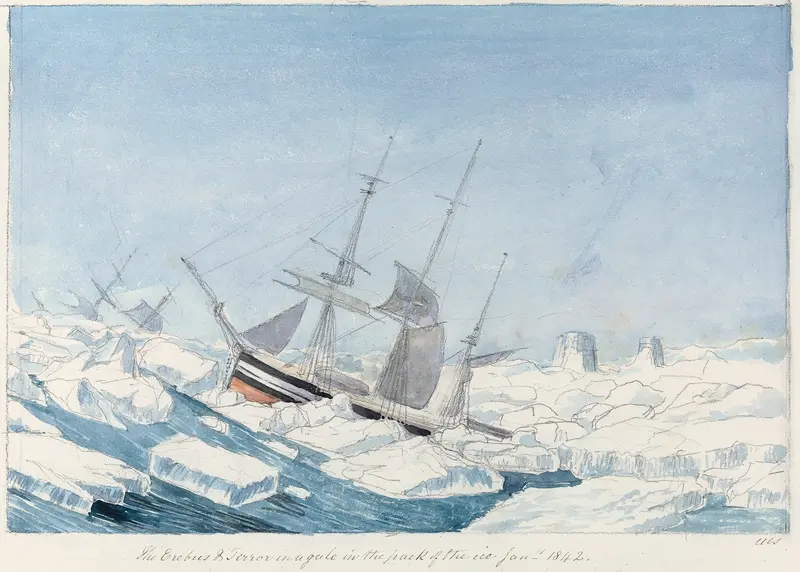
The Erebus & Terror in a Gale in the Pack of the Ice
Charles Hamilton Smith
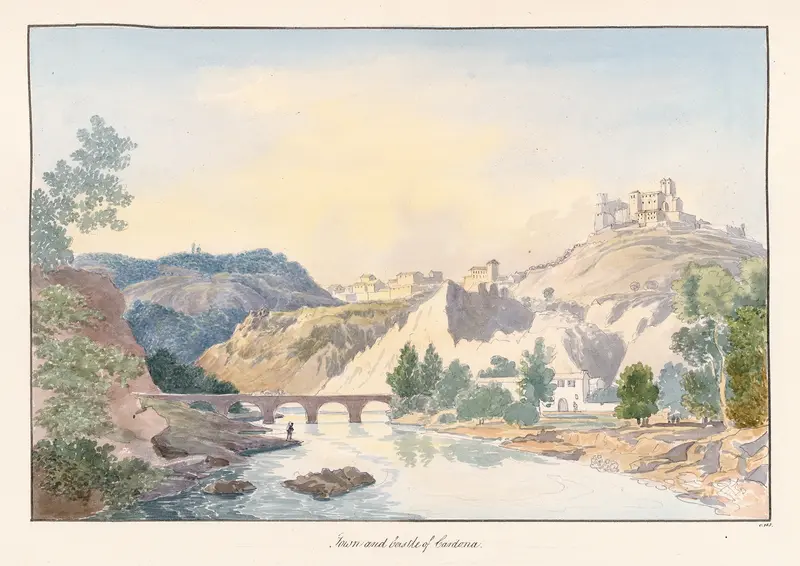
Town and Castle of Cardona
Charles Hamilton Smith
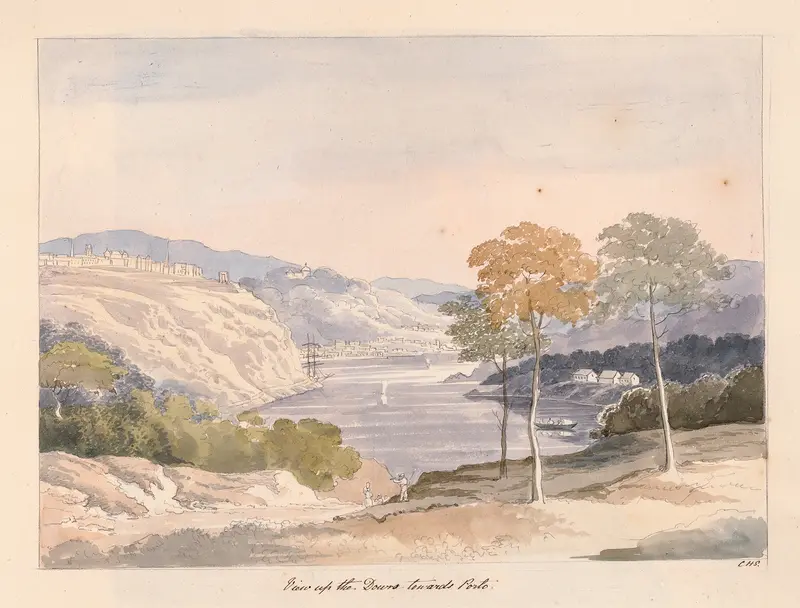
View of the Douro towards Porto
Charles Hamilton Smith





