
Astronomer Copernicus, or Conversations with God — History & Facts
Few paintings have so vividly captured the birth of a new worldview as Astronomer Copernicus, or Conversations with God by Jan Matejko. When first exhibited in 1873, it sparked immediate debate in Poland, where Copernicus was—and remains—a national hero. Matejko painted it at a time when Poland was partitioned and under foreign rule, and his monumental vision of Copernicus was widely read as a rallying symbol of Polish genius and endurance.
The painting’s fame quickly spread, and it became a touchstone for discussions about science, faith, and national identity in the late 19th century. The scene unfolds in the dim pre-dawn hours of May 1514, as Copernicus, robed and wide-eyed, gazes heavenward from a balcony in Frombork Cathedral. Around him, astronomical instruments and scattered papers evoke the tools and turmoil of his revolutionary work, while a great celestial map lies at his feet—a visual nod to his heliocentric theory that would upend centuries of tradition. Light pours onto Copernicus’s face, suggesting both divine inspiration and the dawning of new knowledge.
Matejko’s composition recalls the grandeur of history painting, yet his Copernicus is not the detached scientist of Renaissance portraits, but a man caught between awe and revelation. Unlike Raphael’s serene astronomers, Matejko’s hero is alone, wrestling with the immensity of his discovery. The painting was created without a specific commission, a testament to Matejko’s personal investment in Polish history. After its debut in Kraków, it was acquired by the Jagiellonian University, where it remains a centerpiece of their collection.
Over the years, it has survived wars and political upheavals, enduring as a symbol of intellectual courage. For Matejko, this work marked a high point in his cycle of Polish historical canvases, blending meticulous research with imaginative reconstruction. Today, Astronomer Copernicus stands not only as a tribute to a scientific pioneer, but as a lasting emblem of the power of vision in the face of adversity.
More Artworks by Jan Matejko
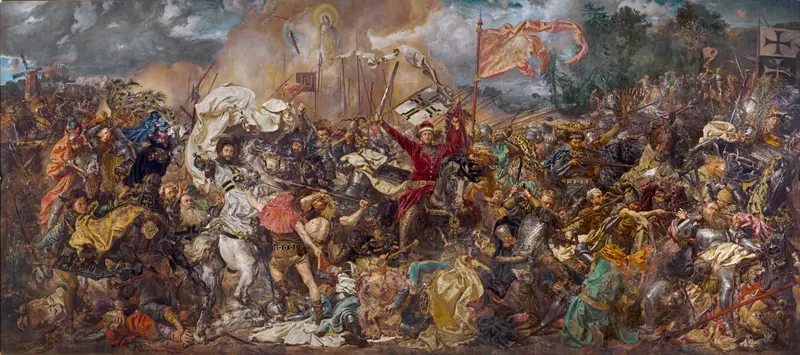
Battle of Grunwald
Jan Matejko

Stańczyk
Jan Matejko

Battle of Raclawice
Jan Matejko
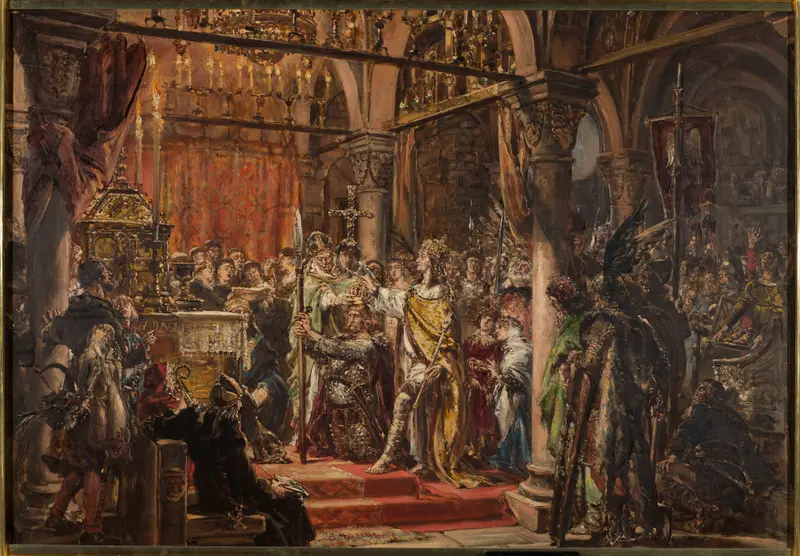
Coronation of the First King, 1001 AD, from the series “History of Civilization in Poland”
Jan Matejko
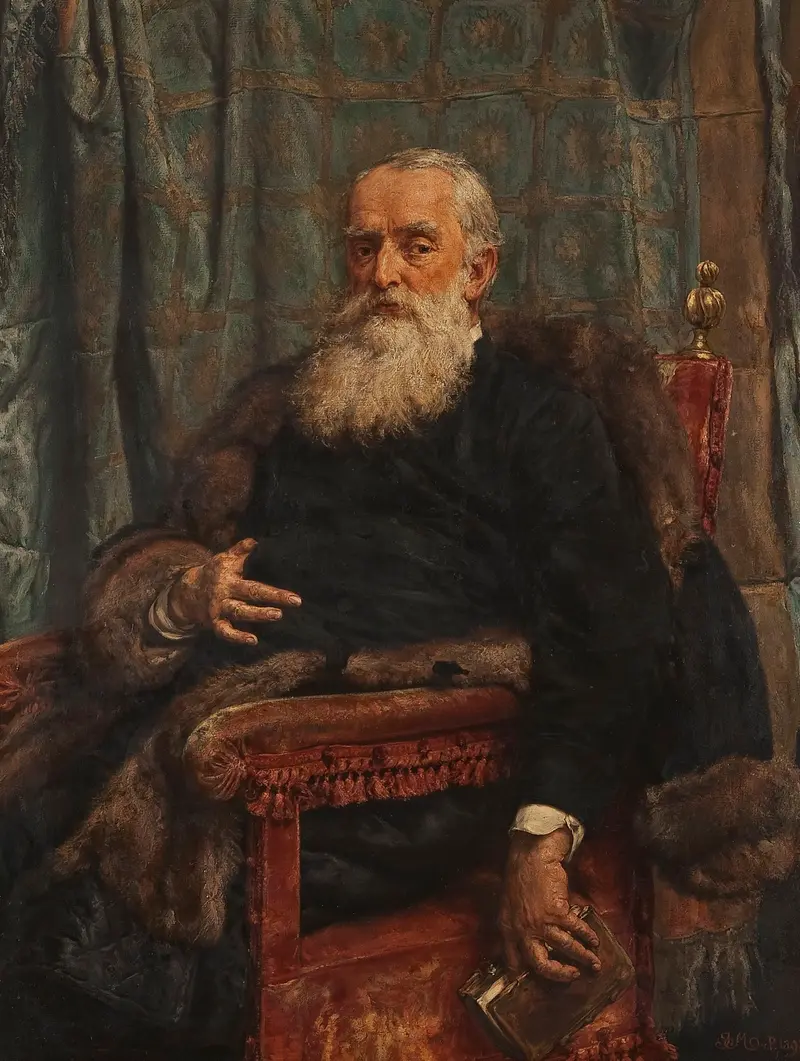
Portrait of Henryk Krajewski
Jan Matejko
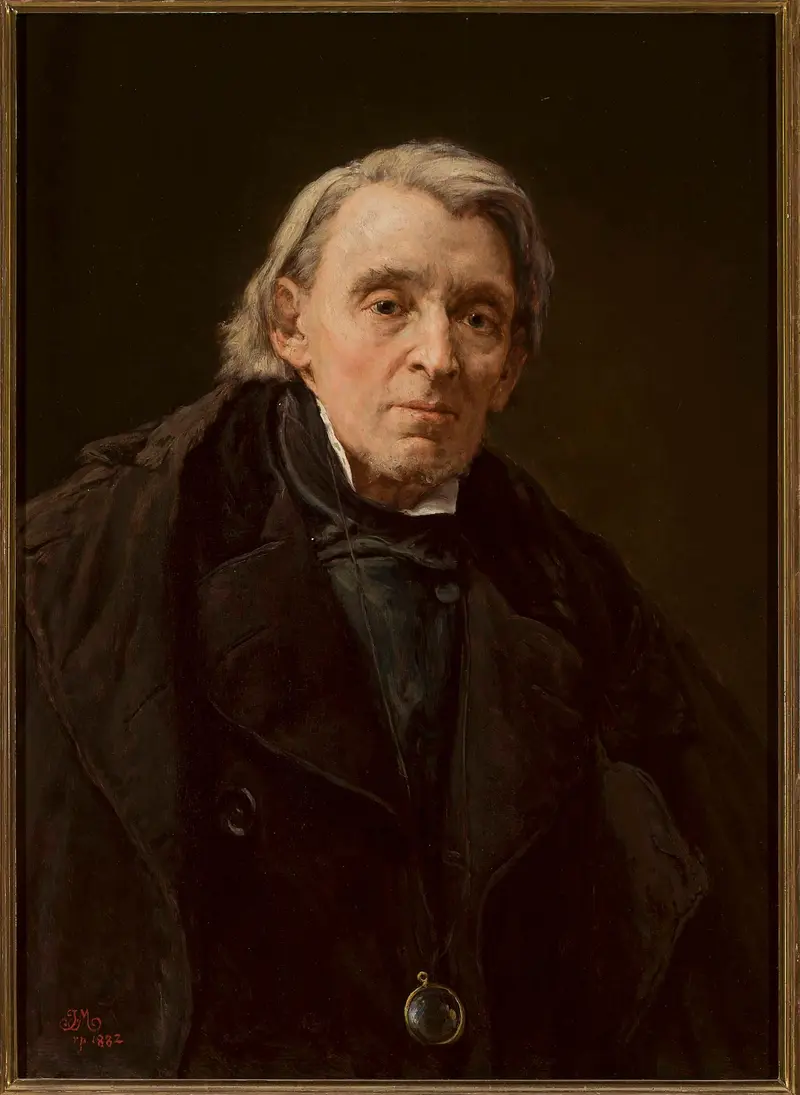
Portrait of Karol Podlewski
Jan Matejko
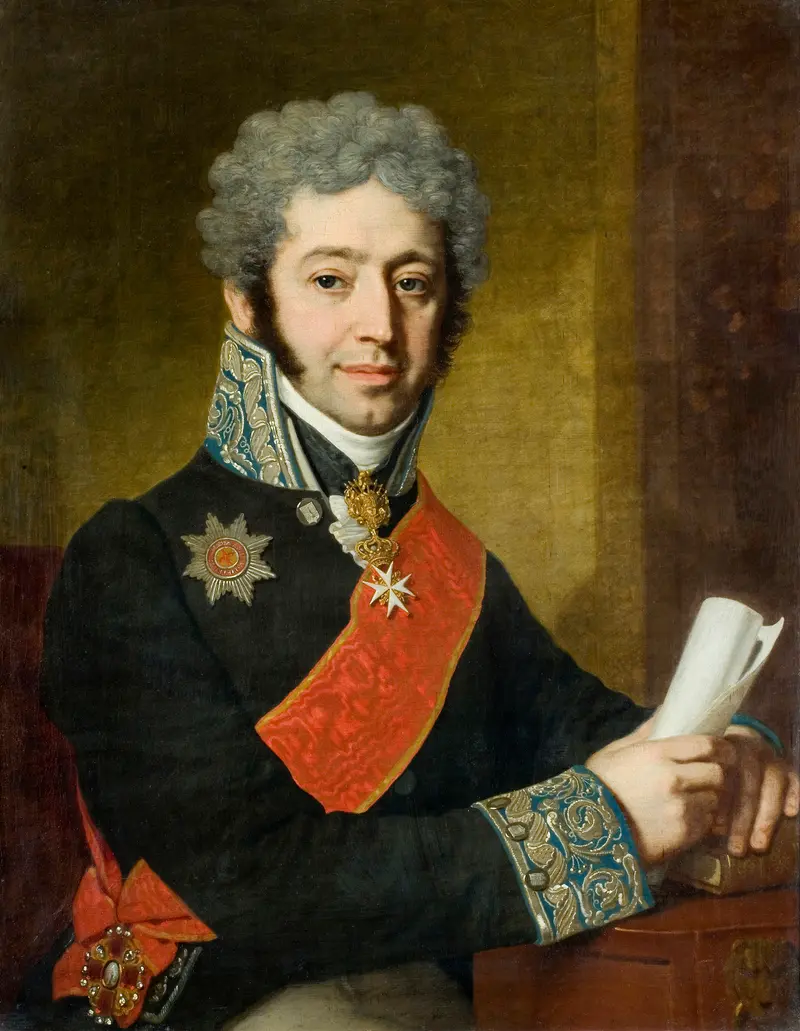
Portrait of Potocki and Poninski
Jan Matejko
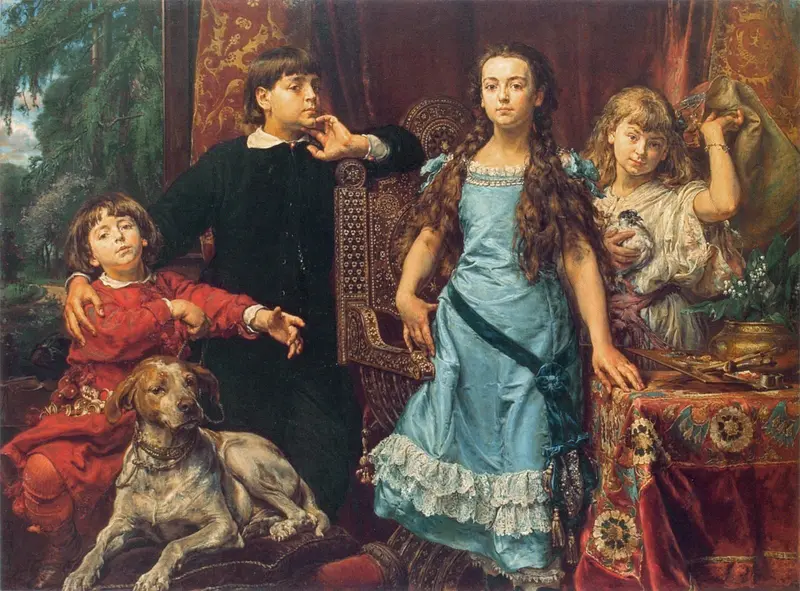
Portrait of the artist's four children
Jan Matejko
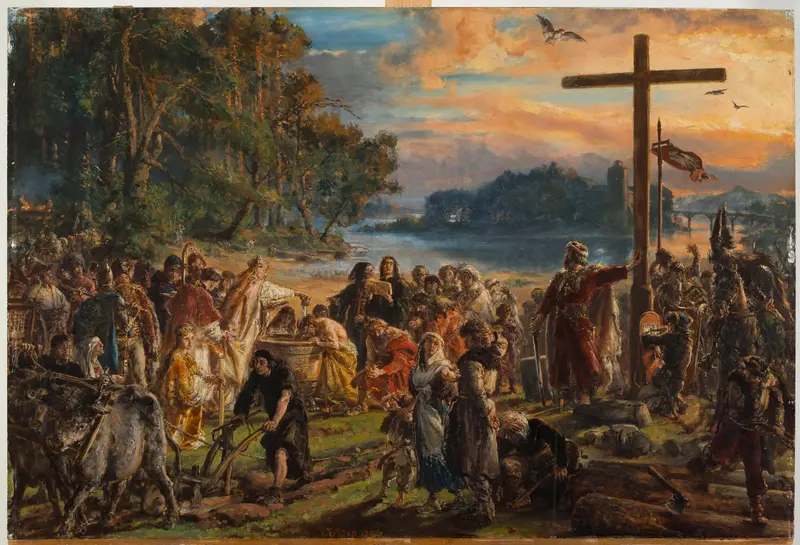
Introduction of Christianity in Poland
Jan Matejko
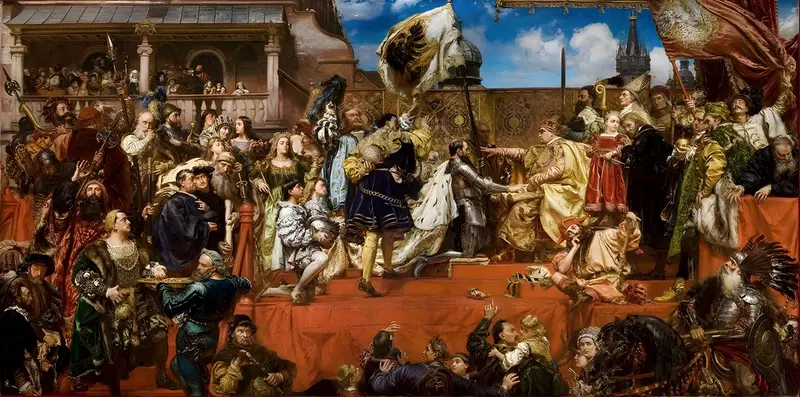
Prussian Homage
Jan Matejko





